

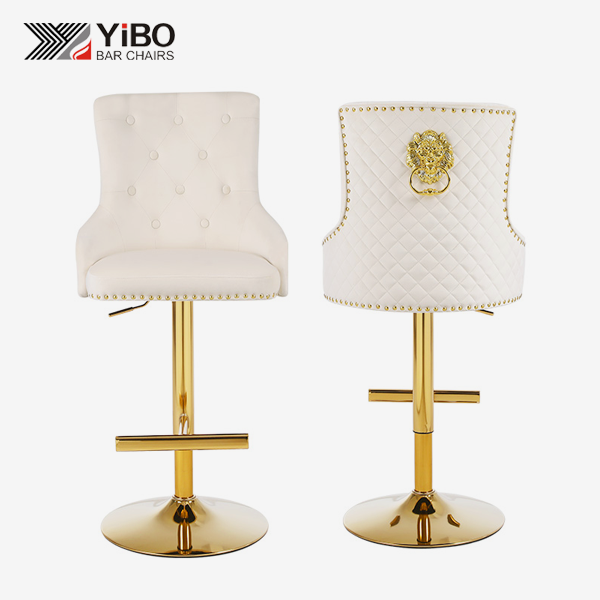
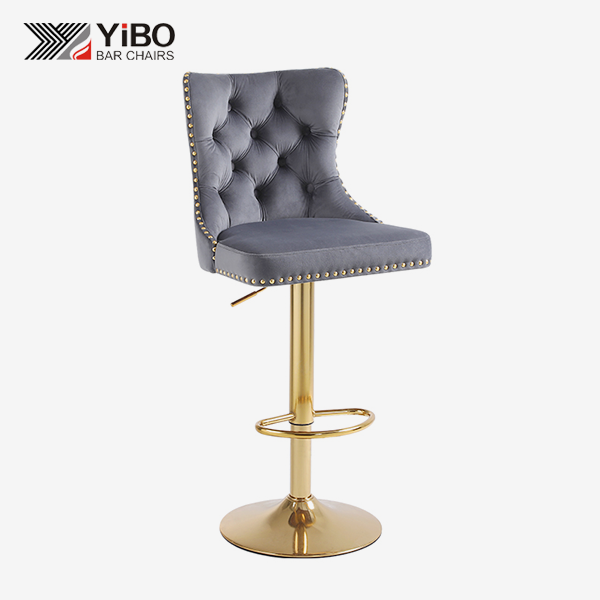
 (1)_1777442575043.jpg)
Best Restaurant Chairs Enhancing Comfort and Style for Dining
When it comes to choosing the best chairs for business dining rooms, restaurant dining chairs are the most important thing for both the customer experience and the efficiency of the business. These specialized furniture are more than just seats; they're an investment that will have a direct effect on how happy your guests are, how people think of your brand, and your long-term profits. When it comes to business seats, good solutions strike a balance between ergonomic comfort and sturdiness, good looks and easy upkeep, and initial investment and lifetime value. Procurement workers can make choices that support both short-term operational needs and long-term business goals when they understand the differences between commercial-grade chairs.
Understanding Restaurant Dining Chairs: Types, Materials, and Benefits
Commercial-Grade Chair Categories
There are different kinds of commercial restaurant dining chairs that are made for different types of hospitality settings. Upholstered seats with high-density foam bases and stain-resistant fabrics is very comfortable for fine dining restaurants where people stay for a long time. Wooden chairs are classic and warm, and they look great in both casual bistros and formal restaurants that want to keep their look. There are metal frame choices that are very durable and don't get damaged by the weather. This makes them perfect for high-traffic quick-service restaurants and outdoor areas. Stackable designs make the best use of space during off-hours or special events, and comfortable designs focus on supporting your back and neck for longer eating sessions.
Material Selection and Performance Characteristics
The choice of building materials has a big impact on how well chairs work in business settings. When mortise-and-tenon joinery is used to strengthen frames made of beech or oak hardwood, they provide structural stability and usually last five to seven years of constant use. Metal options, especially powder-coated steel and aluminum, don't rust and can last for at least ten years with heavy daily use. There are many types of upholstery materials, from commercial-grade vinyl that doesn't let liquids through and is easy to clean to performance fabrics like Crypton that let air flow and kill germs. Brands that care about the environment are becoming more interested in sustainable options like FSC-certified wood and recycled polypropylene that don't affect the structure performance.
Operational Benefits and Maintenance Strategies
Buying good industrial seating has real benefits for your business. Durable building means that things don't need to be replaced as often, which lowers the total cost of ownership over a number of years. Surfaces that are easy to clean cut down on the time needed for upkeep while still meeting cleanliness standards. Ergonomic designs make customers feel better, which could lead to longer stay times and higher check rates in full-service areas. Regular maintenance practices greatly increase the life of a chair. For example, tightening mechanical fasteners once a week stops them from coming loose from constant use, inspecting structural joints every three months finds early signs of wear, and fixing upholstery damage right away stops small problems from getting worse and causing the chair to fail completely.
How to Choose the Best Restaurant Dining Chairs for Your Business
Defining Procurement Requirements by Usage Scenario
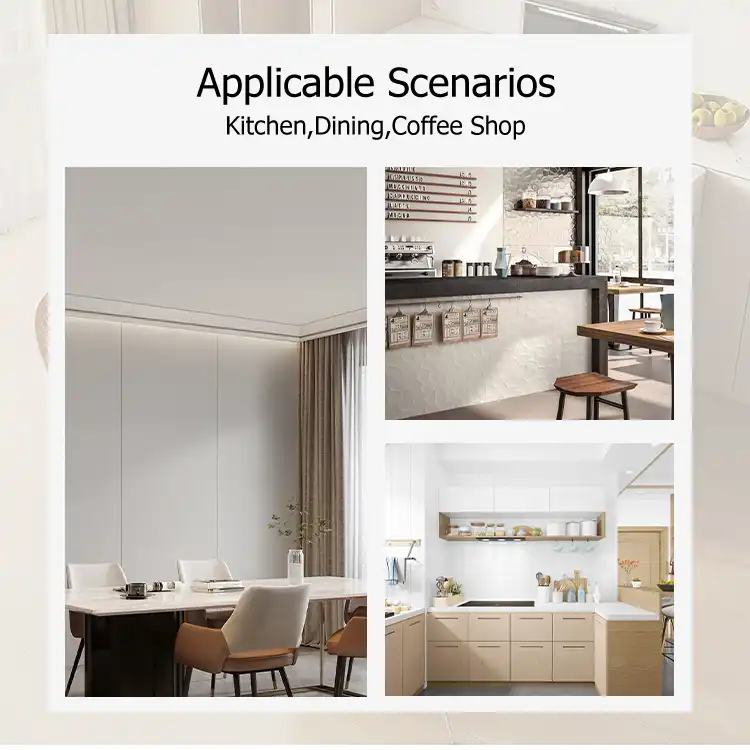
To choose the right restaurant dining chairs, you must first be honest about what the job requires. For high-volume quick-service restaurants that need lightweight, non-porous materials that can be cleaned quickly between guests, molded plastic or metal frames work well. Fully upholstered choices with handles are good for fine dining restaurants because they show quality and encourage people to linger over their meals. Outdoor areas need building that can stand up to the weather. For example, powder-coated metal frames don't rust, and UV-stabilized materials don't fade or break when they're exposed to the sun all the time. Stackable designs give places that are limited on space more options because they free up floor room for private events or cleaning tasks without needing their own storage areas.
Comparative Analysis of Chair Construction Types
There are clear benefits to using different building methods in business settings. Upholstered seating is more comfortable and blocks out noise, which is good for dining rooms, but it needs to be cleaned more thoroughly and reupholstered every so often. Wooden chairs look warm and can be used in a variety of design styles, but if you don't have proper temperature control, changes in humidity can cause the structure to become less stable. Metal frames are very strong and don't get damaged by weather, so they can be used outside or in areas with a lot of foot traffic. However, their industrial look might not suit all design tastes. Plastic-molded choices are less expensive and require less upkeep, but they usually don't provide as much support for long periods of sitting.
Aligning Seating Choices with Brand Identity
The choice of chairs supports the restaurant's ideas and what customers expect. Chairs with high-end upholstery fabrics, sturdy construction, and well-thought-out ergonomic features that show quality and explain higher prices are good for high-end eating ideas. A lot of casual restaurants choose designs with a mix of materials, like wood and metal, that are both easy to clean and long-lasting. Fast-casual ideas focus on usefulness, with light designs that are easy for staff to move and surfaces that are easy to clean so that the look stays the same even when there is a lot of foot traffic. By matching the style of the chairs to the overall theme of the room, you create visual cohesion that makes it easier for people to recognize your brand and makes the overall guest experience better.
Top Trends and Innovations in Restaurant Dining Chairs
Ergonomic Advancements Improving Guest Comfort
New ideas in business restaurant dining chairs design put an emphasis on biomechanical support that makes eating more comfortable. Now, contoured backrests have lumbar support zones that can be adjusted to fit different body types. This makes it easier to eat multiple courses without getting tired. Based on study into good posture, seat pan angles have changed over time to support proper spine alignment without needing eaters to consciously make adjustments. The placement of the armrests follows practical rules that support a relaxed shoulder posture while letting the user be close to the table without discomfort. These improvements directly affect business results: guests who are comfortable stay longer, order more items, and come back more often, which proves the extra money spent on ergonomically designed seats was well spent.
Sustainable Materials and Eco-Friendly Design
Environmental responsibility is becoming more and more important in buying choices as people tend to move toward brands that show they care about the environment. Getting wood that is FSC-certified means that the forests are managed in a way that protects wildlife and stops trees from being cut down. Recycled aluminum frames use less energy to make than frames made from new metal, but they still do the same job structurally. Bio-based upholstery foams made from soy or castor oil replacements reduce our reliance on oil without lowering the quality of the foam or affecting its longevity or comfort. Design choices are now based on circular economy principles. For example, modular construction lets you change parts instead of throwing them away completely, which extends the life of products and reduces the amount of trash that ends up in landfills.
Technological Improvements in Durability and Maintenance
New manufacturing techniques fix problems that have been around for a long time in managing business furniture. Modern powder coatings are better at resisting scratches and keeping their color, so they look good even after daily use. Modular building systems make it easy to quickly change broken parts like seats, backs, or glides in the field, without having to use special tools or throw away the whole chair. Better stacking devices have safety bumpers that keep the finish from getting damaged while it's being stored, so it looks good after thousands of stack-and-unstack cycles. Antimicrobial cloth treatments stop germs from growing between cleanings, which is especially important for cleanliness rules in operations after a pandemic.
Wholesale and Custom Restaurant Dining Chair Procurement: Best Practices
Sourcing Strategies for Bulk Orders
There are several ways for procurement workers to get business restaurant dining chairs, and each has its own benefits. When it comes to container-level orders, direct manufacturer relationships offer the most customization options and the best unit economics. However, they come with longer wait times and higher minimum order numbers. Regional wholesalers keep standard setups in stock so that they can be delivered faster. These designs are good for phased rollouts or replacement purchases. Online B2B platforms collect offers from different suppliers and let you compare prices and look over specifications. However, they may limit your ability to make changes compared to working directly with manufacturers.
Customization Advantages for Brand Differentiation
Standard seating can be turned into brand-defining assets that strengthen idea identity with the help of customized design choices. Customizing the frame finish lets you match the colors exactly to the color schemes of your rooms, making the whole dining area look more cohesive. When you choose upholstery fabrics from commercial sources, you can coordinate patterns or have custom logos sewn that help people remember your brand. Changes to the dimensions can be made to fit different table heights or limited room, improving comfort and floor plan efficiency. With these customization options, OEM/ODM-capable makers become strategic partners instead of just transactional suppliers, able to meet changing brand needs in different places or idea versions.
Here are the core considerations when engaging suppliers for bulk procurement:
- Delivery logistics coordination: Shipping containers needs careful planning based on how close the ports are, how easy it is to clear customs, and how the last mile of delivery can go to multiple places. Experienced makers offer help with paperwork and work with freight forwarders to make this happen.
- Warranty coverage terms: Full warranties that show the maker trusts the structure's strength usually cover frame failures for one to three years, with clear instructions on how to file a claim and get a new part.
- After-sales support infrastructure: Quick-response technical support teams answer questions about assembly, give upkeep advice, and repair parts when they need to be. This keeps operations running smoothly even when small problems come up.
These procurement considerations protect investment value while ensuring smooth project execution from order placement through long-term operations.
Negotiation Tactics for Optimal Procurement Outcomes
When you negotiate strategically, you can get better deals than just unit price. Tiered pricing systems that lower per-unit costs a lot are okay when there are volume promises across multiple sites or phased starts. For big orders, flexible payment terms, like partial deposits with production goals, make it easier to handle cash flow. When you combine orders into container-level amounts, you get rid of partial container fees and get the best freight rates. Building long-term relationships with suppliers is good for both parties. Buyers get priority production slots and better prices on future orders, which helps makers plan their production more efficiently.
Brand and Supplier Insights: Choosing Partners You Can Trust
Evaluating Manufacturer Credentials and Capabilities
To choose trustworthy partners, you need to carefully look at the qualifications and operating capabilities of each provider. BIFMA approval shows that a product meets North American safety and performance standards. This makes sure that the product can last for a long time in a business setting. Having an ISO 9001 quality management system certification means that there are written process rules that make sure the result is the same from one production run to the next. The size of the production facility has a direct effect on how well it can complete orders. For example, manufacturers with 6,000-square-meter or larger facilities that have specific finishing lines and quality inspection stations can handle container-level orders well. If you've exported to more than 70 countries, that means you know how to deal with the complicated processes, paperwork, and different tastes of different markets.
Comparing Established Manufacturers with Emerging Suppliers
When it comes to suppliers, there are both well-known brands and new companies that are just starting out. Each offers something different. Established manufacturers offer a lot of information about testing their products, better ways to make them, and full guarantee plans that are backed by stable finances. As they make their way into the market, new makers often offer more customization options, faster contact, and more competitive prices. Over the past 14 years, we at Anji Yibo Furniture Co., Ltd. have become very good at providing business restaurant dining chairs options. Our more than 6,000-square-meter factory in Anji, China, which is known as the center of furniture making, uses both high-tech tools and skilled labor. We've made products that meet strict foreign standards, like BIFMA certification, and are ergonomically comfortable. These goods are sold to importers and hospitality builders around the world.
Partnership Success Stories and Collaboration Models
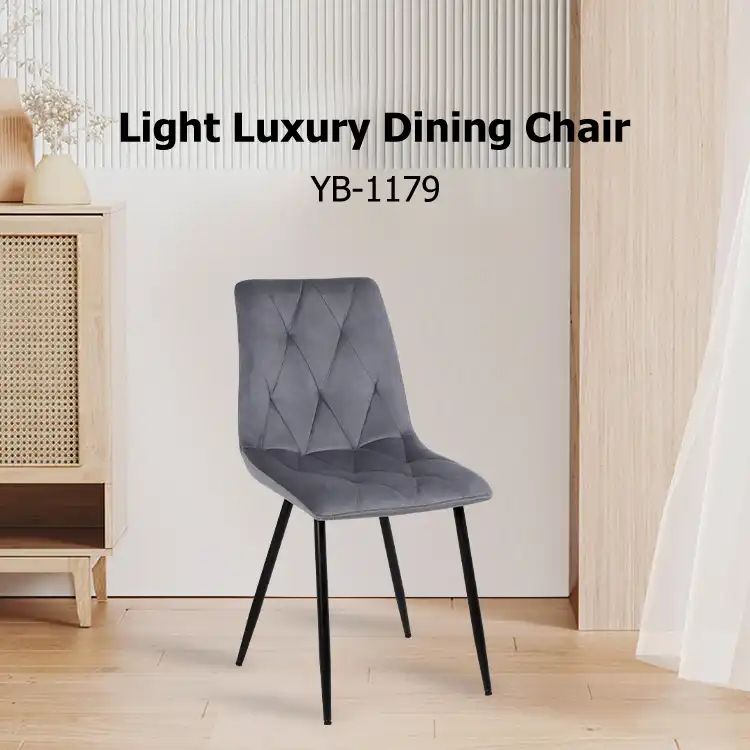
Strategic cooperation is an important part of having good ties with suppliers, not just buying things. Our YB-1077 model is an example of how design can be changed to meet the needs of the market. Its thickly padded seats and diamond-stitched luxury velvet fabric give it the high-end look that fine eating establishments need, and its metal frame construction makes it durable in high-traffic areas. The stackable design (up to four chairs) makes good use of space, and the floor protection pads keep surfaces from getting damaged. These are small features that show real understanding of operational problems. Customizable sizes (84 cm high, 44 cm wide, and 50 cm deep) allow for a range of table heights and space limitations, and a 150 kg weight limit ensures safety for a wide range of guests. We help procurement professionals by communicating quickly and solving technical questions within 24 hours. We also keep our operations affordable by using space-efficient packaging that makes the most of each container.
Conclusion
To choose the best business seats, you have to weigh a lot of things, like how long the material will last versus how it looks, the original investment versus the costs over its lifetime, and standardization versus brand differentiation. Quality restaurant dining chairs are strategic assets that make customers happier and help the business run more efficiently by reducing the need for upkeep and extending the time between replacements. As environmental credentials and ergonomics become more important in purchasing choices, it becomes necessary to work with experienced makers who offer OEM/ODM services in order to stand out from the competition. It is important to carefully consider suppliers, be clear about what you need, and negotiate in a way that protects your buying investments and builds long-term supply relationships that can change as your business needs do.
FAQ
Which chair materials provide the longest service life in commercial settings?
Most of the time, metal frames, especially powder-coated steel and aluminum, last the longest. With proper care, they can last over ten years. Hardwood construction with strengthened joints will last for five to seven years, and with proper care, it will last much longer. Choosing the right fabric for upholstery affects how long it lasts. Commercial-grade vinyl and performance linens are more durable and don't smear as easily as standard fabrics. However, all fabrics need to be replaced at some point.
How can procurement teams verify ergonomic compliance in chair specifications?
By asking for proof of BIFMA certification, you can be sure that the goods you buy meet set safety and comfort standards. Seat height (usually 45–50 cm for normal eating), backrest angle (95–105 degrees is best), and lumbar support setting should all be listed in the specifications. Before committing to large orders, asking for sample units to be used for long periods of time lets you directly see if the theoretical ergonomics translate to real comfort for people of different body types.
What strategies optimize bulk ordering without sacrificing quality?
Ordering samples before making big purchases lets you check the quality and see how the product works with real people. Requesting inspection records or plant audits from a third party is an objective way to check the quality. Managing risk well means setting up orders so that smaller packages are sent first, followed by larger ones once quality has been confirmed. Concerns about quality variation can be eased by working with makers who have accepted certifications and sale experience.
Partner with YIBO for Premium Commercial Seating Solutions
Anji Yibo Furniture Co., Ltd. has 14 years of experience in making commercial-grade seats that looks good and lasts a long time. As a provider of restaurant dining chairs with a lot of experience, we know that procurement workers need more than just goods. They also need relationships they can rely on to help their businesses succeed in the long run. Our full OEM and ODM skills allow for exact customization in materials, sizes, colors, and finishes, making sure that your seating fits perfectly with your brand's image and meets all operational needs. During production, we follow strict quality control procedures. Our BIFMA and ISO 9001 certifications back this up and make sure that all of our work meets foreign standards. Our Anji plant sends containers to more than 70 countries every month, showing that it has the logistics skills and production ability to handle both big original orders and ongoing needs for restocking. You can email our buying experts at yb@ajyibo.com to talk about your unique seating needs, get personalized quotes, or set up orders of samples. We're committed to building relationships that are good for both of us and that help you stay competitive by giving you better sitting options.
References
Restaurant Facility Design Association. "Commercial Furniture Standards and Best Practices for Hospitality Environments." 2022.
National Restaurant Association. "Equipment and Furnishings Lifecycle Cost Analysis for Commercial Dining Operations." 2023.
Hospitality Design Magazine. "Material Selection and Sustainability Trends in Restaurant Furniture Procurement." Vol. 45, 2023.
International Facility Management Association. "Ergonomic Seating Guidelines for Commercial Food Service Establishments." 2021.
Business and Institutional Furniture Manufacturers Association. "Performance Testing Standards for Commercial Seating: ANSI/BIFMA X5.1 Guidelines." 2023.
Journal of Hospitality Procurement Management. "Strategic Sourcing and Supplier Relationship Management in Restaurant Equipment Procurement." Vol. 18, No. 3, 2023.