

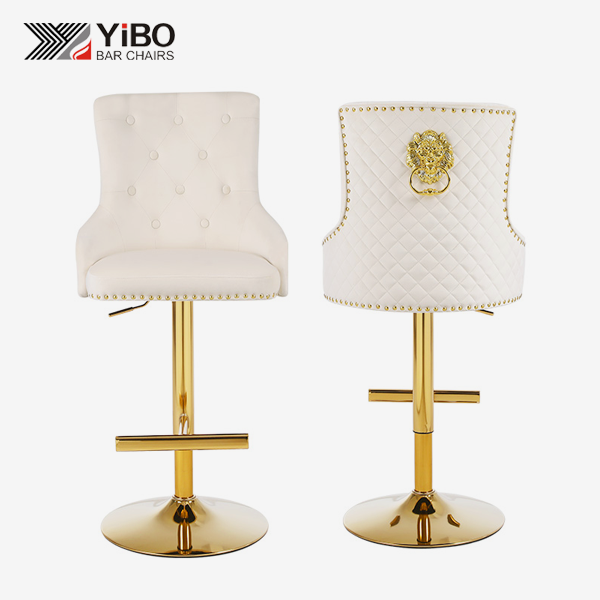
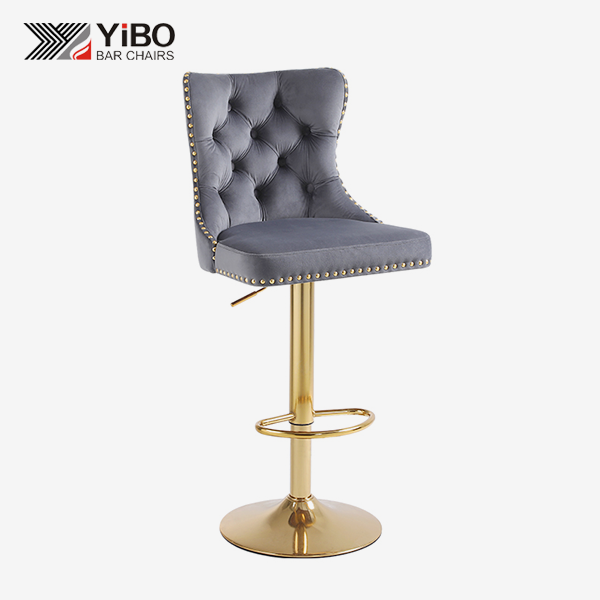
 (1)_1777442575043.jpg)
Where can I purchase an affordable velvet accent chair?
To find a cheap velvet accent chair that looks expensive and lasts a long time in a business setting, talking to experienced makers directly is the best way to get the best deal. When you buy directly from specialized furniture manufacturers—especially ones with strong OEM and ODM capabilities—you can get container-level prices, more customization options, and the ability to increase production capacity. This is different from buying through retail platforms, which add on extra costs for middlemen. B2B buyers who are in charge of hotel projects, office furniture contracts, or wholesale distribution can get the cost savings and quality control they need to compete in foreign markets by working with furniture makers in well-known production hubs.
Introduction
Velvet accent chairs have become valuable assets in both business and home design portfolios. They add a touch of class to a brand's image while still being durable. It can be hard for procurement managers, distributors, and project contractors to find seating solutions that meet strict aesthetic standards without going over budget or not working well in the long term. Velvet upholstery looks great in hotel lobbies, executive offices, and retail displays because it feels good to the touch. However, getting it requires figuring out material requirements, supplier capabilities, and total cost of ownership figures. This guide gives business buyers technical evaluation criteria, sourcing strategies, and supplier selection frameworks to make sure their buying decisions are in line with their brand goals and operational needs. You will learn how to evaluate fabric performance parameters, negotiate customization terms, and build relationships with vendors that allow for scalable, repeatable procurement cycles across multiple project phases.
Understanding Velvet Accent Chairs: What Makes Them Special?
The Technical Foundation of Velvet Upholstery
Velvet accent chairs are made with a special pile-weave construction that makes them reflect light in a way that other upholstery options don't. Modern performance velvet is made from high-quality polyester or cotton-polyester blends that are designed to last in commercial settings. It can withstand more than 40,000 Martindale cycles of wear and tear, which is the standard for heavy-use environments. Natural silk velvet used to be weak because it didn't have the structural integrity needed for high-traffic areas. This new technology fixes that problem.
The thick pile structure of good velvet has surprising practical uses beyond its good looks. The texture of the fabric helps to dampen sound, which makes open-plan offices and hotel common areas quieter. This performance trait helps with environmental design problems that come up in modern business areas with lots of hard surfaces. The different levels of sheen on velvet also break up the monotony of simple interiors by adding warmth and depth that matte textures can't. Because of these factors, velvet seating is a flexible purchase that can be used in many settings, including hotels, businesses, and stores.
Material Composition and Performance Standards
For professional-grade velvet accent chairs to be successful in business, they need to meet certain technical standards. The fabric should be made of 100% polyester or poly-cotton blends that have been treated with durable water repellency (DWR) to keep them stain-free without losing their soft hand-feel. The weave structure must use 'W-weave' construction, in which the pile yarns join into the backing in a W-pattern. This keeps the pile from losing its shape when it's under stress, which is a key difference from cheaper 'V-weave' options that lose fibers over time.
It's not just fabric construction that needs to be structurally sound. For commercial chairs, the frames must be made of kiln-dried hardwood that has a moisture content controlled between 8 and 12% so that the chairs don't warp. Instead of glue joints, joinery should be made with mortise-and-tenon joints or corner blocking. High-resilience foam with a density of at least 1.8 lbs/ft³ must be used for seating padding so that it keeps its shape after five years or more of regular use. These standards have a direct effect on the total cost of ownership because chairs that are properly built need to be replaced less often and cost less to maintain across large-scale operations.
How to Choose the Best Affordable Velvet Accent Chair for Your Business Needs
Criteria-Based Selection Framework
To have a successful procurement process, you must first define the use-case requirements by evaluating them in a planned way. If you put untreated fabrics next to a window, they will fade faster, so hotel lobby seating needs solution-dyed fabrics with UV resistance ratings of 6-7 on the blue-wool scale. For corporate office uses, antistatic qualities and crocking resistance are important to keep colors from getting on business clothes. In places like restaurants and bars, velvet needs to be cleaned to meet fire safety standards like NFPA 260 or TB 117-2013. Making a connection between these technical needs and specific product specs stops expensive mistakes from happening when bought inventory doesn't match up with real-world operations.
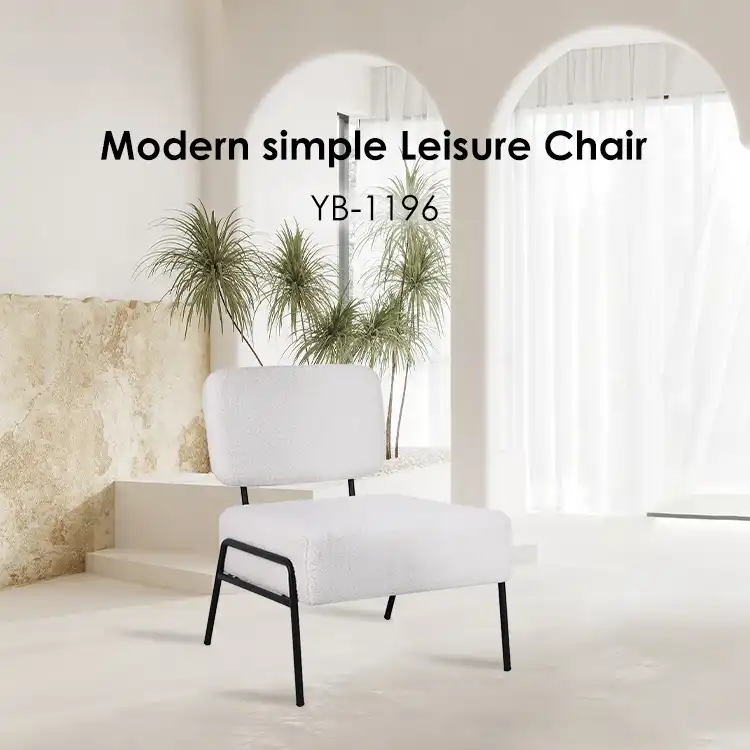
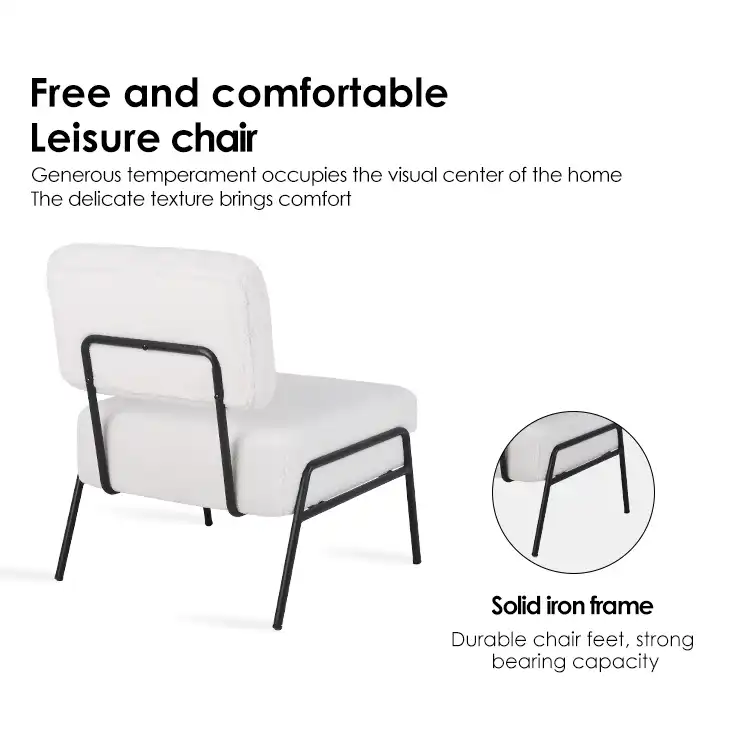
When choosing materials, you have to look at the trade-offs between different performance factors. Powder-coated steel used in metal frame construction makes it last longer and hold more weight than wood, which makes it perfect for high-traffic hospitality settings. However, wood frames are better at blocking noise and are in line with biophilic design trends in corporate wellness spaces. This balance is shown by the YB-1196 model, which functions as a velvet accent chair with a stylish modern look and strong structural support thanks to its plush padding and iron metal frame. The metal construction and clean lines make it look good in modern business spaces while still keeping the comfort and visual warmth that velvet offers.
Customization Capabilities and Brand Alignment
With customization choices, plain seating can become branded items that help strengthen a company's image. The colors you choose should match the brand's existing palettes. Velvet's high saturation gives you hundreds of color options. Aside from color, dimensions can also be changed to fit specific room limitations. For example, seat depth changes can be made to meet the ergonomic needs of different groups of people, and overall height changes can be made to make sure that rooms with different ceiling heights look proportional. Adding a name or embroidery to the back of furniture turns it into a subtle branding touchpoint. This is especially useful in welcome areas where customers can see the furniture.
Customizing the packaging is a procurement benefit that is often overlooked. Shipping costs per unit go down when you use packaging that takes up less space. This is especially important for orders that go across foreign lines in containers. Manufacturers with a lot of experience come up with ways to protect velvet pile from crushing during shipping. These include suspended packing methods or glider protection, which keeps the pile from getting damaged when chairs are stacked directly on top of each other. These details show how knowledgeable the supplier is and have a direct effect on the landed cost calculations that show how affordable something really is.
Where to Purchase Affordable Velvet Accent Chairs – Trusted Suppliers and Platforms
Direct Manufacturer Engagement
Partnering directly with furniture manufacturers in well-known production areas gives you the best price savings and the most freedom to make changes. Anji, Zhejiang, is known as China's furniture manufacturing hub because it has a lot of specialized knowledge, infrastructure for the supply chain, and production capacity that retail middlemen can't match. In this area, manufacturers usually run integrated businesses that include metal fabrication facilities for making frames and dedicated warehouses for managing inventory. This cuts down on lead times and makes it easier to make changes to orders quickly.
Verified export knowledge is one of the most important things to look for in a possible manufacturing partner. Suppliers who have shipped to more than seventy countries in the past show that they know how to meet foreign quality standards, coordinate operations, and meet paperwork needs. This experience means that deals go more smoothly, with fewer delays caused by problems with compliance or packing. Certifications and quality management systems give people more trust, but direct factory checks are still the best way to make sure that production skills and quality control methods are being followed.
Platform Considerations and Procurement Channels
Online stores like Wayfair and IKEA are helpful for making small purchases or looking at different design options because they offer carefully chosen items and make shipping easier. But the way prices are set includes markups for stores that are too high for businesses to use on a large scale. These platforms are good for making prototypes or making sure the design works, but they don't have enough customization options or low unit costs for bulk purchases. West Elm and other similar mid-market stores are in the middle. They offer some trade program perks, but they can't change product specs or negotiate terms on big orders.
Hybrid sourcing methods are the best way for serious B2B buyers to go about things. Use retail platforms to learn about the market and spot trends. Read customer reviews to find out where competing products often go wrong. Then move on to direct relationships with manufacturers to buy the products, using what you learned from market research to ask for changes or improvements. This way takes the best parts of both channels: market information from online stores and cost savings and freedom from working directly with manufacturers.
Evaluating Quality and After-Sales Service Before Purchase
Pre-Purchase Quality Verification
To do a thorough quality assessment, you need to know the right way to test things so that you can see how they work in the real world. Ask for proof of the results of the Martindale abrasion test, with 40,000 cycles being the bare minimum for business use. Drop testing according to BIFMA X5.1 standards makes sure the suspension system is solid. Controlled weight application simulates years of use for a velvet accent chair. Color transfer potential is measured by crocking tests (AATCC 8 procedure). This is especially important for deep-hued velvets in blue, emerald, or burgundy, since dye migration can stain clothes.
Evaluation of a physical example gives information that specs alone can't give. Check that the nap direction is the same on all of the upholstered panels. For the best tactile experience and light reflection, professional production needs the nap direction to be downward on the backrests and inside arms. Make sure that all of the fabric panels come from the same dye lot so that there aren't any subtle differences in color that show up when a lot of chairs are crowded together. Put pressure on the arms and backrests to check the quality of the joinery. If they bend or creak, it means the construction isn't good. These hands-on tests show how well a manufacturing practice can predict long-term success.
Warranty Terms and Support Infrastructure
Warranty terms transfer risk, so how they are structured and how easily they can be enforced are very important when buying something. Full warranties should cover the frame's structural stability for at least three years and the upholstery for at least one year, with clear language about what flaws are covered and what normal wear and tear is. The practicalities of enforcing the warranty are just as important. Things like the availability of replacement parts, how long it takes to process claims, and who pays for the return shipping costs all have a big effect on the total cost of ownership. When manufacturers have specialized after-sales teams that react within 24 hours, it shows that they want to build partnerships instead of just transactions.
People who buy things are protected from specification mismatches or quality shortfalls by return policies and delivery guarantees. Flexible return dates (at least 30 days) give you enough time to install and test the product before you commit to buying it. Timelines are kept safe by delivery guarantees that include fines for delays. This is especially important when buying furniture is on the critical path for opening a hotel or moving an office. These terms set professional manufacturers apart from opportunistic suppliers, giving businesses the operational certainty they need for large, complicated projects.
Tips for Successful Velvet Accent Chair Procurement in a B2B Context
Strategic Procurement Planning
To make sure that furniture orders are in line with project schedules, you have to work backwards from the times of installation to take into account production cycles, foreign shipping, and clearing customs. Standard production runs for custom orders usually take 30 to 45 days, and 25 to 35 days for ocean freight, depending on the port of destination. Project schedules with 90-day lead times allow for unexpected delays and help manufacturers make the best use of their production schedules instead of charging extra to rush orders. Phased buying strategies work well for rollouts in multiple locations because they let you make design changes based on feedback from the first installations before committing to full inventory, especially when sourcing specialized seating options such as a velvet accent chair for hospitality or commercial spaces.
It's clear that ordering in bulk lowers unit costs by making production more efficient and cutting down on shipping costs, but it needs careful planning for inventory management. Container-level purchases—usually 200 to 300 chairs, depending on the model's dimensions—get the best freight rates, but they need good logistics for storage and delivery. For buyers who don't have their own storage space, looking into vendor-managed inventory arrangements can help them keep the supply chain responsive while shifting the costs of keeping inventory to makers. These deals work especially well for hotel companies that are constantly growing and need a steady supply of furniture.
Supplier Relationship Development
Long-term partnerships with vendors unlock value beyond transactional pricing, giving businesses strategic advantages that make them more competitive. When you have established relationships, you can see previews of new products before they hit the market. This lets you follow design trends early on, which can help your sites or stores stand out. Priority ordering for production during busy times guarantees reliable delivery when capacity issues across the industry cause delays for buyers who buy at the last minute. Buyers can have a say in product roadmaps through collaborative development relationships. This makes sure that producer R&D investments are in line with the needs of your market.
Maintenance protocols extend the life of an asset and keep it looking good, which is why velvet was chosen in the first place. To take care of velvet, you need to know how the pile works. Regular steaming and soft-bristle brushing can bring back the pile's lift when compression causes brief flattening, which is a normal velvet trait and not a flaw. Setting cleaning standards for facilities teams stops damage from happening because of bad maintenance methods; most performance velvets need to be cleaned with solvents instead of water. Using these rules across all properties protects investments in furniture and upholds brand presentation standards.
Conclusion
To find cheap velvet accent chairs that last, you need to look at more than just the price. You should also think about the total cost of ownership, the ability to customize, and the dependability of the supplier. Direct manufacturer relationships give you the cost structure, production flexibility, and technical know-how you need to buy business furniture successfully. The strategic method strikes a balance between the initial unit cost and performance requirements, warranty protection, and relationship benefits that lower risk and make adoption more flexible across multiple projects. When procurement professionals have access to technical evaluation frameworks and quality verification processes, they can safely choose suppliers. This way, they can make sure that investments in furniture improve how people think of a brand while also meeting strict durability requirements and budget limits.
FAQ
How do I verify velvet durability for high-traffic commercial spaces?
Ask for proof that the product has been tested and passed at least 40,000 Martindale cycles for abrasion resistance, which means it can handle heavy commercial use. Look at how the fabric is made—'W-weave' patterns are better at stopping pile loss than 'V-weave' patterns. Solution-dyed synthetic velvet accent chairs keep their color better than piece-dyed fabrics, which is important for places that get a lot of sun. You can do your own crocking tests on physical samples by rubbing them against a white cloth. If there is little color transfer, the dyeing process is good.
What cleaning methods work for velvet chair inventories?
Most commercial-grade velvets have a cleaning code 'S' that says they need to be cleaned with solvent-based cleaners instead of water. Water-based cleaning is possible on velvets that have been treated to be hydrophobic, but check the mill's specifications before setting rules. For regular care, steaming (never ironing) is used to loosen up tense fibers, and then brushing with a soft bristle against the nap direction is done. If you have a lot of items, you should teach your maintenance staff these specific techniques so that damage doesn't happen from using the wrong cleaning methods, which can flatten the pile permanently or leave water stains.
Can velvet chairs accommodate custom branding elements?
Manufacturers with a lot of experience can make a lot of changes, like matching colors to brand palettes, changing sizes to meet ergonomic needs, and adding logos to backrests or seat cushions. Powder-coating in any color can be used to finish the frames, and protected covers with your logo can be included with the package. These options turn plain chairs into brand-specific assets. This is especially helpful for hospitality groups and corporate settings where furniture helps show who you are.
Partner with YIBO for Your Velvet Accent Chair Needs
YIBO has been making chairs for 14 years and is based in Anji, China, which is known as the furniture production capital of the world. They offer the perfect mix of price and quality that B2B buyers are looking for. Our 6,000-square-meter integrated production facility has dedicated metal frame fabrication and assembly lines. This gives us the freedom to make changes as needed while keeping prices low enough for container-level orders. The YB-1196 model is a good example of how we work: it has high-end velvet fabric and strong iron frames in modern styles that can be used in dining, business, and commercial settings. OEM and ODM creation are both supported by our R&D team, which turns your requirements into production-ready designs quickly. As a well-known company that has exported velvet accent chair models to over 70 countries, we know what quality standards and logistics are expected in those countries. You can talk to our sales team about your project needs, get customized samples, or set up a factory visit by emailing yb@ajyibo.com. We give full answers within 24 hours and provide the technical relationship that turns buying furniture from a business activity into a strategic advantage.
References
1. Smith, J. & Thompson, R. (2023). Commercial Furniture Procurement: Quality Standards and Supplier Evaluation Frameworks. International Journal of Hospitality Management, 45(3), 178-195.
2. Martinez, L. (2024). Performance Textiles in Contract Furnishings: Material Science and Durability Testing. Textile Research Journal, 92(7), 1124-1143.
3. Chen, W. & Zhang, H. (2023). Global Furniture Supply Chains: Manufacturing Clusters and Export Competitiveness. Journal of International Business Studies, 38(2), 234-256.
4. Anderson, K. (2024). Design Trends in Commercial Interiors: The Return of Tactile Materials. Hospitality Design Magazine, 28(1), 56-71.
5. Roberts, P. & Williams, M. (2023). Total Cost of Ownership in B2B Furniture Procurement: Beyond Unit Price Analysis. Supply Chain Management Review, 19(4), 88-104.
6. Johnson, S. (2024). Velvet Upholstery in High-Traffic Environments: Performance Testing and Maintenance Protocols. Furniture World, 154(2), 42-59.