

 (1)_1777442575043.jpg)
black bar stools counter maintenance: tips to keep them new
Picture this: you've just invested in stunning black bar stools counter seating for your kitchen island or home bar, and within months, they're covered in stains, scratches mar the finish, and the upholstery looks worn beyond recognition. This nightmare scenario happens more often than you'd think, but it doesn't have to be your reality. Proper maintenance is the secret to keeping your black bar stools counter looking showroom-fresh for years to come, protecting your investment while maintaining the sophisticated aesthetic that drew you to them in the first place.
Understanding Your Black Bar Stools Counter Materials
Before diving into maintenance routines, you need to understand what materials make up your black bar stools counter seating. Most quality bar stools from manufacturers like Anji Yibo Furniture Co., Ltd. combine multiple materials, each requiring specific care approaches. The typical construction includes a metal frame with electroplated finishing, common leather or PU leather upholstery, common sponge cushioning, and a plating chassis that provides structural integrity. Understanding these components helps you develop an effective maintenance strategy that addresses each material's unique needs. The metal frames on black bar stools counter units typically feature powder-coated or electroplated finishes that give them their distinctive appearance. These finishes protect the underlying metal from corrosion while providing that sleek aesthetic appeal. The upholstery, whether genuine leather, black leather bar coverings, or synthetic alternatives, serves dual purposes of comfort and style. Meanwhile, the common sponge padding maintains its shape and comfort level when properly cared for. When you understand how these materials interact and age, you're better equipped to prevent premature wear and maintain optimal appearance.
Material-Specific Vulnerabilities
Each material in your black bar stools counter setup has specific vulnerabilities you should watch for. Metal components can develop rust spots if exposed to moisture, especially in humid environments or near water sources. The electroplated connecting body and plastic handle components require gentle cleaning to avoid scratching or dulling the finish. Common leather surfaces are susceptible to cracking and fading when exposed to direct sunlight or allowed to dry out completely. The 330# Class 3 gas lift mechanism can accumulate dust and lose smooth operation without periodic lubrication. Being aware of these potential issues allows you to take preventive measures before problems develop. The black counter height design puts these stools at the perfect elevation for kitchen islands and bar counters, but this positioning also means they're exposed to cooking splatter, spills, and constant contact. The 415*1.1 plating chassis provides excellent stability, but the connection points where metal meets upholstery can collect grime if not regularly cleaned. Understanding these vulnerability points helps you focus your maintenance efforts where they'll have the most significant impact on longevity and appearance.
Daily Cleaning Routines for Black Bar Stools Counter
Establishing a daily cleaning routine prevents buildup that leads to permanent damage on your black bar stools counter. After each use, quickly wipe down the seat and backrest with a slightly damp microfiber cloth to remove surface dust, crumbs, and minor spills. This simple action takes less than a minute per stool but prevents particles from grinding into the upholstery or settling into crevices. For the metal frame and black counter height legs, a dry dusting cloth removes fingerprints and prevents dust accumulation that can dull the finish over time. Pay special attention to high-contact areas like armrests, the seat edge, and footrests where oils from hands and shoes transfer most frequently. These areas on your black bar stools counter will show wear first if neglected. Use a clean section of your cloth for each stool to avoid spreading dirt. If you notice any fresh spills on the black leather bar surfaces, blot them immediately with an absorbent cloth rather than wiping, which can spread the stain. For sticky residues, dampen your cloth with plain water rather than reaching for harsh chemicals that might damage the finish.
Weekly Deep Cleaning Protocol
Beyond daily maintenance, your black bar stools counter requires a more thorough weekly cleaning to address accumulated grime. Mix a solution of mild dish soap with warm water, creating gentle suds without excessive foaming. Dip a soft cloth into this solution, wring it thoroughly so it's damp rather than wet, and wipe all surfaces systematically. Start with the backrest, move to the seat cushion, then clean the armrests and finally the frame. This methodical approach ensures you don't miss any areas and prevents dripping onto already-cleaned sections. For the common leather upholstery on your black bar stools counter, follow the soap cleaning with a clean, damp cloth to remove any soap residue, then immediately dry with a soft towel. Never allow water to sit on leather surfaces as it can cause water stains or, over time, lead to cracking. The metal components should be dried thoroughly as well to prevent water spots and potential rust formation, especially on the electroplated connecting body. Check underneath the seat and around the plating chassis where dust and debris tend to collect but often get overlooked during routine cleaning.

Protecting Black Leather Bar Surfaces
The black leather bar surfaces on your stools require specialized care to maintain their supple texture and rich appearance. Every two to three months, apply a quality leather conditioner specifically formulated for furniture upholstery. This treatment replenishes natural oils that evaporate over time, preventing the leather from becoming brittle and developing cracks. Apply the conditioner sparingly with a soft cloth, working it into the leather in circular motions, then buff away any excess with a clean, dry cloth. This process takes only minutes but significantly extends the life of your upholstery. Avoid placing your black bar stools counter in direct sunlight, which fades and dries out leather rapidly. If repositioning isn't possible, consider window treatments that filter UV rays during peak sunlight hours. Similarly, maintain reasonable distance from heat sources like radiators, ovens, or fireplaces, as excessive heat accelerates leather deterioration. The common leather used in quality manufacturing can withstand normal use beautifully, but environmental factors require management to prevent premature aging.
Addressing Leather Stains and Spills
When spills occur on your black leather bar surfaces, time is critical. Blot immediately with an absorbent cloth to remove as much liquid as possible before it penetrates the leather. For water-based spills, this may be sufficient, followed by allowing the area to air dry naturally. Oil-based substances require a slightly different approach. After blotting, apply a small amount of mild soap solution to a cloth and gently work it over the affected area, then wipe clean with a damp cloth and dry thoroughly. For stubborn stains on your black bar stools counter upholstery, create a paste from equal parts lemon juice and cream of tartar, apply it to the stain, and let it sit for ten minutes before wiping clean. This natural solution works effectively without the harsh chemicals found in many commercial cleaners that can damage leather over time. Always test any cleaning solution on an inconspicuous area first to ensure it doesn't affect the leather's color or texture. Remember that the black leather bar surfaces hide many stains naturally due to their dark color, so avoid over-treating minor imperfections that aren't actually visible.
Metal Frame and Hardware Maintenance
The metal frame gives your black bar stools counter their structural integrity and sleek appearance, making its maintenance crucial for both aesthetics and safety. Inspect all connection points monthly, tightening any loose screws or bolts with appropriate tools. The vibrations from regular use can gradually loosen hardware, leading to wobbling or squeaking. Pay particular attention to the 415*1.1 plating chassis connections and where the seat attaches to the frame. A stable stool is not only safer but also experiences less stress on joints, reducing wear over time. The electroplated finish on quality black bar stools counter frames resists corrosion naturally, but proper care enhances this protection. After cleaning, you can apply a thin coat of furniture wax or metal polish designed for electroplated surfaces. Buff this to a shine with a soft cloth, creating an additional protective barrier against moisture and fingerprints. This treatment makes future cleaning easier as well, since the smooth surface repels dirt more effectively. For the plastic handle components, use only mild cleaners to avoid causing brittleness or discoloration that plastic can develop when exposed to harsh chemicals.
Preventing and Treating Metal Scratches
Despite your best efforts, your black bar stools counter may develop minor scratches on the metal frame over time. For superficial scratches that haven't penetrated through the electroplated layer, metal polish can often buff them out completely. Apply a small amount to a soft cloth and rub in circular motions over the scratch until it blends with the surrounding finish. Deeper scratches may require touch-up paint matched to your stool's finish. Many manufacturers, including Anji Yibo Furniture Co., Ltd., can provide touch-up materials for their products. Prevention remains the best approach for maintaining pristine black counter height frames. Add felt pads or rubber protectors to the bottom of each leg to prevent scratching floors while simultaneously protecting the stool feet from damage. When moving your black bar stools counter, always lift rather than dragging them across surfaces. Store unused stools in a dry location if you rotate seating seasonally, and consider covering them with breathable fabric to prevent dust accumulation while protecting from accidental impacts.
Maintaining the Gas Lift Mechanism
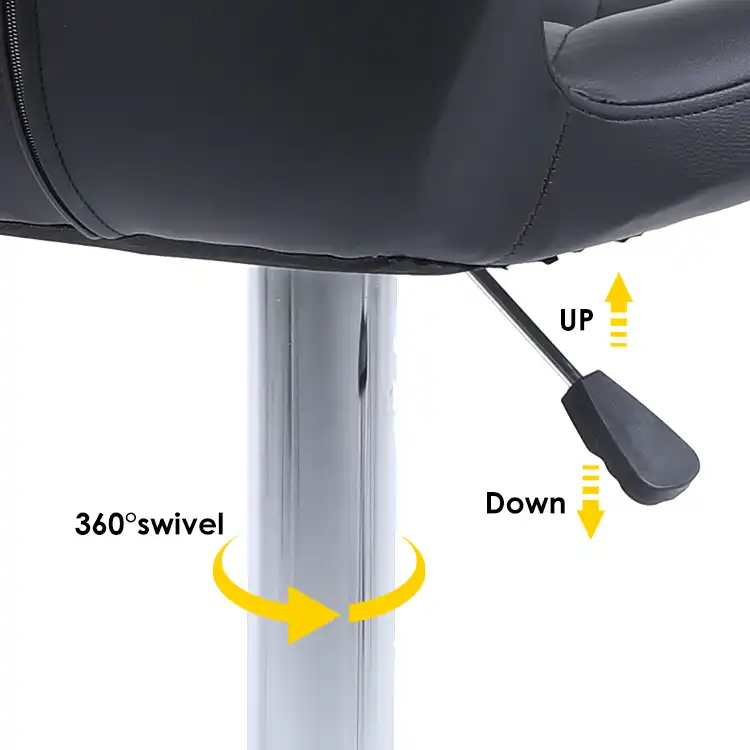
The 330# Class 3 gas lift mechanism in adjustable black bar stools counter units requires periodic attention to maintain smooth operation. Every three months, clean around the cylinder with a slightly damp cloth to remove accumulated dust and debris that can interfere with the lifting action. Once cleaned and dried, apply a small amount of silicone-based lubricant to the exposed portion of the cylinder, working it in by raising and lowering the seat several times. Never use oil-based products like WD-40, as these attract dust and create a gummy residue that compromises mechanism performance. If you notice your black bar stools counter becoming difficult to adjust or failing to hold their set height, the gas cylinder may be leaking and require replacement. This is a normal wear item that eventually needs replacement even with excellent maintenance. Contact your manufacturer for the correct replacement part, as using an incorrect cylinder can compromise both safety and functionality. Professional replacement ensures proper installation and continued reliable operation of your black counter height adjustment feature.
Addressing Common Wear Patterns
Understanding typical wear patterns helps you address issues before they become severe on your black bar stools counter. The seat edge where users lean while sitting shows wear first, particularly on the common leather or upholstery. Rotate bar stools periodically if you have multiple identical units, distributing wear evenly across all pieces. This simple strategy can double the lifespan of your upholstery compared to leaving stools in fixed positions where some receive heavier use than others. High-traffic commercial environments put additional stress on black bar stools counter seating, but even residential use creates predictable wear patterns. The footrest area accumulates scuffs from shoe contact, and the connection between seat and frame can develop stress points from repeated weight shifting. Regular inspections allow you to identify these developing issues early. Tighten any loosening connections immediately, and consider adding protective covers to footrests in high-use situations. The black leather bar surfaces typically develop a characteristic patina over time that many find appealing, but excessive wear that affects comfort or appearance signals the need for professional reupholstering.
Seasonal Maintenance Considerations
Different seasons present unique challenges for maintaining your black bar stools counter. Summer humidity can affect both leather and metal components, potentially causing leather to feel sticky or metal to develop condensation that leads to rust. Increase air circulation in your bar or kitchen area, and consider using a dehumidifier if humidity levels regularly exceed 60%. Conversely, winter heating systems dry out indoor air dramatically, which can cause leather to crack if not properly conditioned. Increase conditioning frequency during heating season, and place water containers near heat sources to add moisture to the air. Temperature extremes affect the common sponge cushioning in your black bar stools counter as well. Extreme cold can make cushioning feel firmer, while excessive heat softens it temporarily. Neither permanently damages quality cushioning, but being aware of these variations helps you understand normal performance fluctuations versus actual deterioration. If your black counter height stools live in spaces with significant temperature swings, like three-season rooms or near exterior doors, allow them to acclimate to room temperature before sitting to avoid unnecessary stress on materials.
Professional Maintenance and Repair
Even with excellent home maintenance, your black bar stools counter may eventually need professional attention. Upholstery professionals can deep-clean leather and fabric surfaces more thoroughly than home methods allow, removing embedded dirt and oils that accumulate despite regular cleaning. They can also repair tears, restitch seams, and even replace worn upholstery entirely, giving your stools a new lease on life. Professional reupholstering costs less than purchasing new stools while allowing you to update colors or materials if desired. For mechanical issues or structural repairs on your black bar stools counter, contact the manufacturer first. Anji Yibo Furniture Co., Ltd. provides warranty support and can guide you to authorized service centers familiar with their products' specific construction. Attempting complex repairs yourself may void warranties and could compromise safety if done incorrectly. The electroplated connecting body and plating chassis components require specialized knowledge for proper repair or replacement. Professional service ensures your black counter height adjustability and structural integrity remain sound.
Conclusion
Maintaining your black bar stools counter properly transforms them from a simple furniture purchase into a long-lasting investment that continues delivering style and comfort for years. Through consistent daily care, strategic weekly cleaning, material-specific treatments, and professional intervention when needed, you protect both the aesthetic appeal and functional performance of your seating. These maintenance practices aren't burdensome; they're simple habits that preserve the quality and appearance that made you choose these black bar stools counter pieces originally.
Cooperate with Anji Yibo Furniture Co., Ltd.
Ready to invest in High Quality black bar stools counter that combine stunning design with lasting durability? As a leading China black bar stools counter manufacturer, China black bar stools counter supplier, and China black bar stools counter factory, Anji Yibo Furniture Co., Ltd. has specialized in ergonomic seating solutions for 14 years. Our black bar stools counter for sale feature professional craftsmanship, competitive black bar stools counter price points, and comprehensive warranties backed by our experienced sales team who respond within 24 hours. Whether you need China black bar stools counter wholesale quantities or custom OEM/ODM solutions, our professional R&D team and 10+ development personnel create products tailored to your market. Located in Anji, the hometown of chairs, our 6000+ square meter facility ships worldwide with space-saving packaging and diverse product lines. Contact us at yb@ajyibo.com today for quotes, samples, or inquiries, and discover why clients across 70 countries trust our expertise.
References
1. "Furniture Care and Maintenance: A Professional Guide for Commercial Seating" by Robert Henderson and Maria Thompson, Interior Design Press, 2023
2. "Leather Upholstery Preservation: Methods and Materials" by Dr. Catherine Williams, Textile Conservation Society, 2024
3. "Metal Furniture Finishing: Industrial Applications and Maintenance" by James Patterson, Manufacturing Standards Institute, 2023
4. "Ergonomic Seating Design and Longevity" by International Furniture Research Association, edited by Dr. Michael Chen, 2024
5. "Commercial Furniture Maintenance Best Practices" by National Restaurant Association Equipment Committee, Hospitality Standards Publication, 2023