

 (1)_1777442575043.jpg)
Black Velvet vs Black Leather Bar Stool: The Ultimate 2026 Showdown
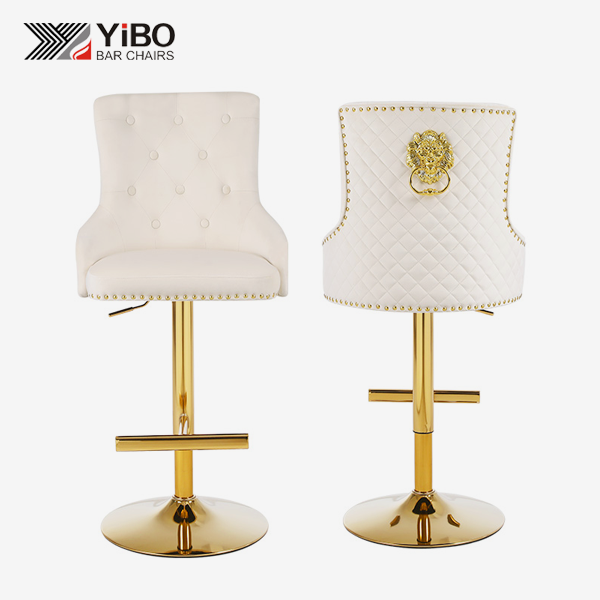
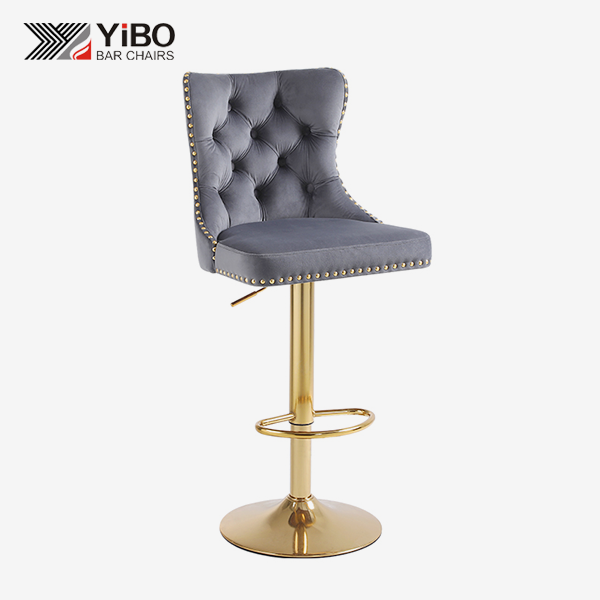
When evaluating upholstery options for commercial seating, the choice between velvet and leather materials significantly impacts both aesthetic appeal and operational efficiency. The black velvet bar stool chair has emerged as a sophisticated alternative to traditional leather options, offering unique advantages in comfort and visual appeal. Modern procurement professionals increasingly recognize that material selection affects everything from maintenance costs to customer satisfaction. This comprehensive analysis examines both options through the lens of durability, design flexibility, and long-term value proposition for hospitality and corporate environments.
Understanding Black Velvet and Black Leather Bar Stools
The fundamental distinction between velvet and leather upholstery lies in their material composition and manufacturing processes. Velvet upholstery utilizes densely woven fibers that create a distinctive soft texture, while leather options range from genuine hide to synthetic alternatives. Each material brings specific characteristics that influence their commercial viability.
Material Composition and Manufacturing Standards
Velvet upholstery combines natural or synthetic fibers through specialized weaving techniques that produce its signature pile texture. The black velvet bar stool chair typically features high-quality polyester or cotton blends that maintain color consistency while providing enhanced durability. Modern velvet manufacturing incorporates stain-resistant treatments and reinforced backing materials that address traditional concerns about commercial viability.
Leather alternatives encompass genuine, bonded, and synthetic variations, each offering different performance characteristics. Genuine leather provides natural durability but requires specific environmental conditions to prevent cracking or fading. Synthetic leather options offer consistent quality and simplified maintenance protocols, making them attractive for high-traffic environments.
Commercial Applications and Environmental Suitability
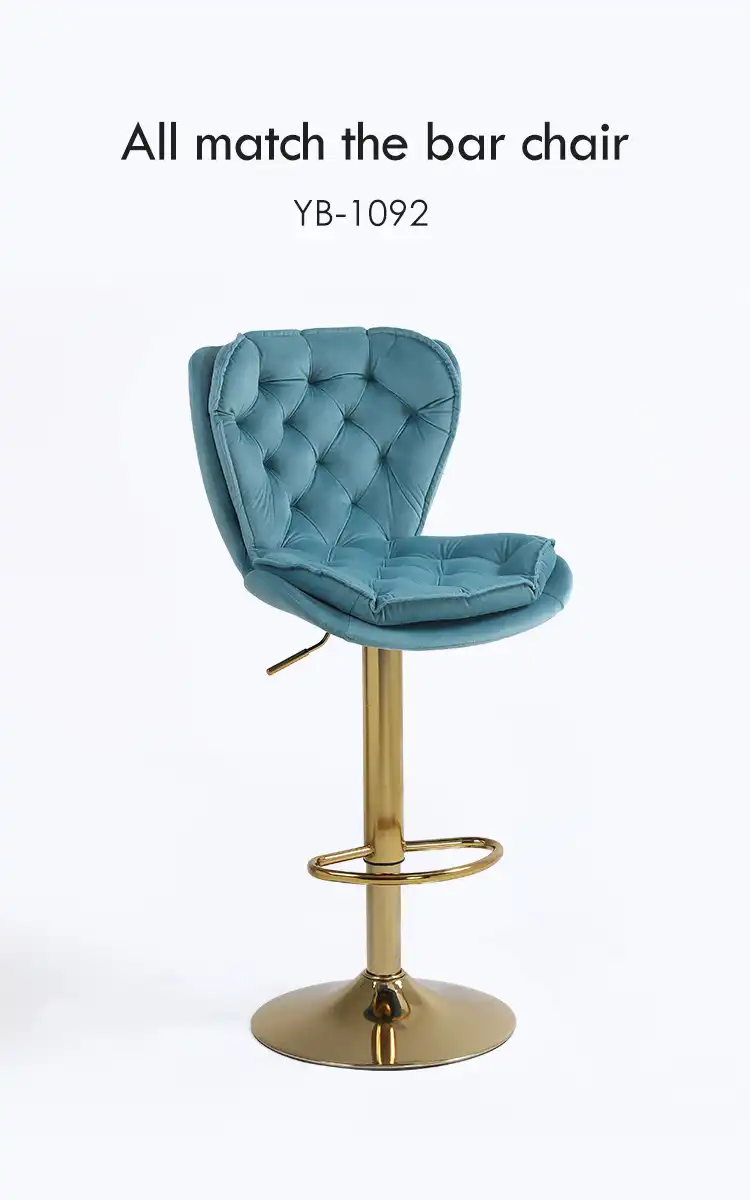
Hospitality environments benefit from velvet's acoustic properties, which naturally absorb sound and contribute to ambient noise reduction. Restaurants and lounges frequently specify black velvet bar stool chair to enhance customer comfort during extended dining experiences. The luxurious appearance of black velvet creates visual depth that complements contemporary interior design trends.
Corporate environments often favor leather alternatives for their professional appearance and simplified cleaning protocols. Conference rooms and executive spaces utilize leather seating to project authority while maintaining practical maintenance requirements. Both materials serve specific environmental needs based on traffic patterns, cleaning capabilities, and aesthetic objectives.
Comprehensive Performance and Durability Comparison
Commercial furniture performance depends on multiple factors including traffic volume, cleaning frequency, and environmental conditions. Understanding how each material responds to real-world usage helps procurement professionals make data-driven decisions that optimize long-term value.
Traffic Resistance and Wear Patterns
Velvet upholstery demonstrates excellent resilience when properly manufactured with commercial-grade fibers and backing materials. High-quality velvet maintains its appearance through consistent brushing and appropriate cleaning protocols. The pile structure naturally conceals minor wear patterns, extending the visual lifespan compared to smooth-surface materials.
Leather options exhibit predictable aging characteristics that many commercial environments consider desirable. Genuine leather develops patina over time, while synthetic alternatives maintain consistent appearance throughout their service life. Weight capacity remains consistent across both material types when supported by appropriate frame construction.
Maintenance Requirements and Cleaning Protocols
Velvet maintenance involves regular vacuuming with appropriate brush attachments to maintain pile direction and remove surface debris. Professional cleaning services utilize specialized equipment designed for velvet fibers, ensuring thorough cleaning without damaging the material structure. Spot cleaning techniques require specific products that prevent water staining and maintain color consistency.
Leather cleaning protocols vary by material type but generally involve simpler procedures compared to velvet. Synthetic leather accepts standard commercial cleaners and disinfectants without specialized equipment. Genuine leather requires conditioning treatments to maintain flexibility and prevent cracking, adding to long-term maintenance considerations.
Design, Style, and Ergonomics: Choosing What Fits Best
Contemporary commercial design emphasizes both aesthetic appeal and functional performance. Material selection influences color options, texture variation, and compatibility with existing design elements. Understanding these relationships enables better integration with overall space planning objectives.
Ergonomic Considerations and User Comfort
The black velvet bar stool chair provides superior tactile comfort through its soft surface texture and natural temperature regulation properties. Velvet's breathability prevents the heat buildup common with leather alternatives, enhancing user comfort during extended seating periods. The material's natural grip prevents sliding, contributing to overall stability and user confidence.
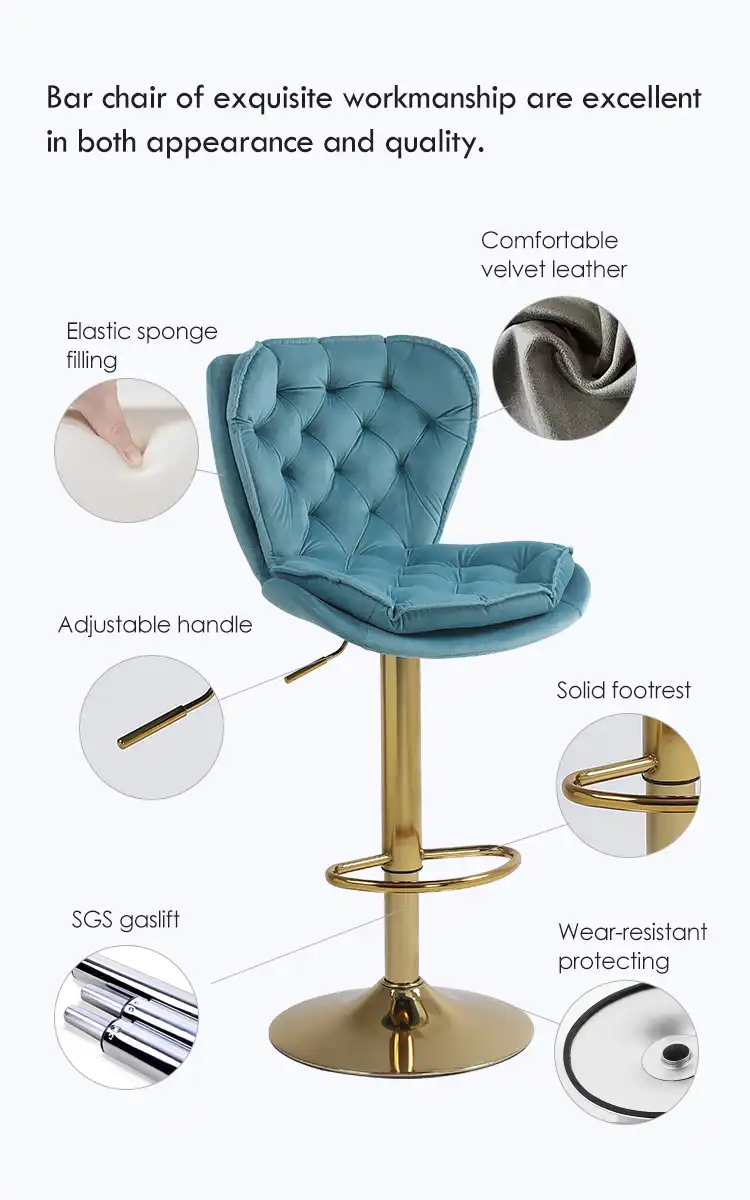
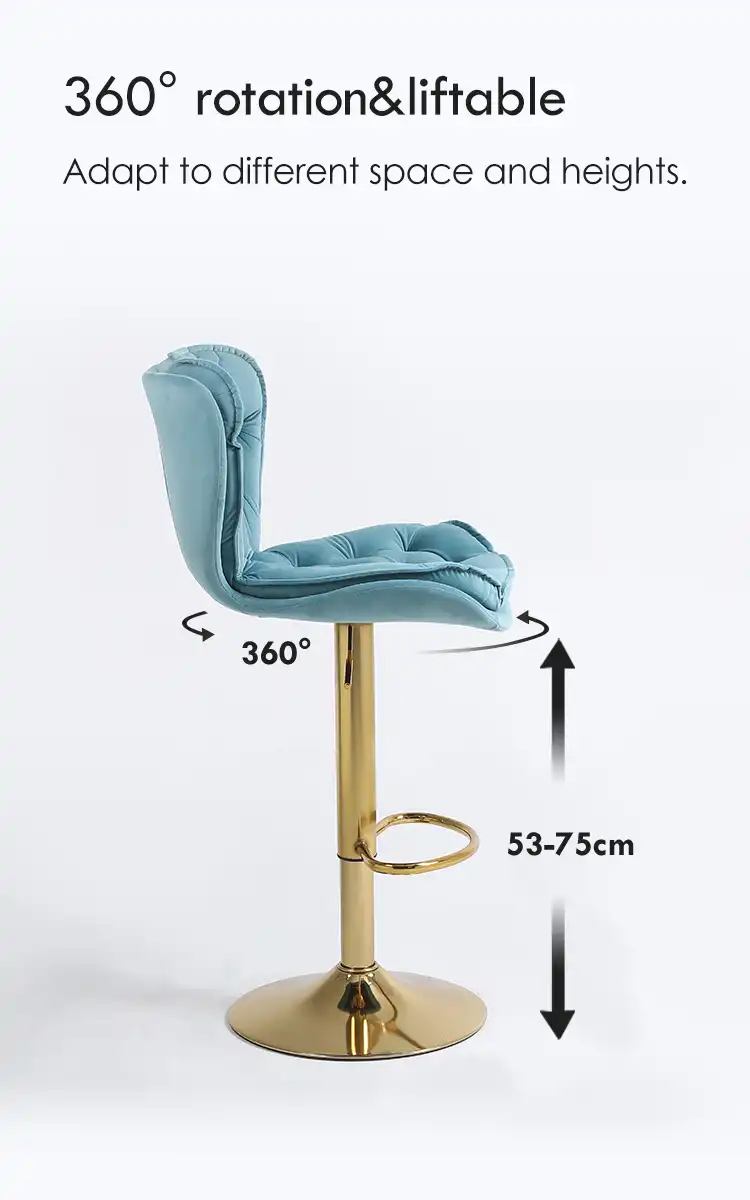
Modern ergonomic design incorporates adjustable height mechanisms, 360-degree swivel capabilities, and appropriate lumbar support regardless of upholstery material. The combination of velvet upholstery with high-quality sponge cushioning creates optimal pressure distribution that reduces fatigue during extended use. These ergonomic advantages translate directly to improved customer satisfaction and employee productivity in commercial settings.
Customization Options and Design Flexibility
Velvet upholstery offers extensive customization possibilities through various fiber compositions, pile heights, and surface treatments. Manufacturers can adjust these parameters to meet specific performance requirements while maintaining aesthetic consistency. Color matching capabilities exceed those available with leather alternatives, enabling precise coordination with existing design schemes.
Frame options complement both material types through various metal finishes and structural configurations. The metallic black chassis provides contemporary appeal while ensuring structural integrity under commercial use conditions. Easy installation procedures minimize setup time and reduce labor costs during facility preparation or renovation projects.
Making an Informed Purchase Decision: Market Insights and Supplier Guide
Procurement professionals require comprehensive market intelligence to optimize purchasing decisions. Understanding pricing structures, supplier capabilities, and quality indicators enables better vendor selection and contract negotiation outcomes.
Supplier Evaluation and Quality Assurance
Anji Yibo Furniture Co., Ltd. exemplifies the manufacturing excellence available in today's market, combining 14 years of specialized experience with modern production capabilities. Their 6000+ square meter facility demonstrates the scale and equipment investment necessary for consistent quality production. ISO 9001 and BIFMA certifications provide objective quality verification that supports procurement compliance requirements.
When evaluating potential suppliers, examine their production capacity, quality control procedures, and customization capabilities. Manufacturers offering OEM and ODM services provide greater flexibility for specific project requirements. Professional research and development teams enable product modifications that address unique environmental or performance specifications.
Procurement Advantages and Cost Optimization
Bulk purchasing arrangements typically yield significant cost advantages while ensuring consistent product quality across large installations. Space-saving packaging reduces shipping costs and simplifies logistics coordination. Professional sales teams provide technical support and specification guidance that streamlines the procurement process.
Warranty coverage varies among suppliers but quality manufacturers provide multi-year protection that demonstrates confidence in their products. Comprehensive warranty terms should cover both material defects and structural integrity under normal commercial usage conditions. These protections reduce long-term replacement costs and provide budget predictability for facility management operations.
Maintenance and Care Best Practices for Longevity
Establishing proper maintenance protocols maximizes black velvet bar stool chair lifespan while maintaining aesthetic appeal throughout the service period. Different materials require specific care approaches that influence staffing requirements and operational procedures.
Preventive Maintenance Strategies
Regular maintenance schedules prevent minor issues from developing into costly replacement situations. Velvet upholstery benefits from weekly vacuuming using appropriate brush attachments that maintain pile direction without causing fiber damage. Monthly professional cleaning maintains hygiene standards while preserving material integrity.
Environmental controls contribute significantly to material longevity by managing temperature, humidity, and ultraviolet exposure. Proper ventilation prevents moisture accumulation that can damage both velvet and leather materials. Strategic placement away from direct sunlight prevents fading and material degradation over time.
Problem Resolution and Repair Procedures
Immediate attention to spills and stains prevents permanent damage that requires premature replacement. Velvet materials require specific cleaning agents that prevent water staining while effectively removing contaminants. Professional cleaning services possess the specialized equipment and expertise necessary for thorough restoration when standard maintenance proves insufficient.
Structural maintenance involves periodic inspection of swivel mechanisms, height adjustment systems, and frame connections. Lubrication of moving parts ensures smooth operation while preventing premature wear. These proactive measures extend equipment lifespan while maintaining user safety and satisfaction.
Conclusion
The choice between black velvet bar stool chair and black leather bar stools ultimately depends on specific environmental requirements, aesthetic preferences, and maintenance capabilities. Velvet options provide superior comfort and acoustic benefits while requiring more specialized care protocols. Leather alternatives offer simplified maintenance and professional appearance but may lack the luxury appeal of velvet upholstery. Modern manufacturing techniques have addressed traditional concerns about velvet durability, making it viable for commercial applications. Quality suppliers like Anji Yibo Furniture provide the expertise and support necessary for successful procurement outcomes regardless of material selection.
FAQ
Which material works better for high-traffic commercial environments?
Both materials can succeed in high-traffic settings when properly specified and maintained. Velvet requires more specialized cleaning protocols but offers superior comfort and acoustic benefits. Leather provides simplified maintenance but may show wear patterns more readily than velvet alternatives.
Can black velvet bar stools be customized for bulk orders?
Yes, quality manufacturers offer extensive customization options including frame finishes, cushion firmness, and specific velvet characteristics. Bulk orders typically receive priority scheduling and enhanced customization capabilities compared to smaller purchases.
What cleaning methods prevent damage to velvet upholstery?
Regular vacuuming with appropriate brush attachments maintains pile direction while removing surface debris. Professional cleaning services use specialized equipment designed for velvet fibers. Immediate attention to spills using approved cleaning agents prevents permanent staining.
How do warranty terms compare between velvet and leather options?
Warranty coverage depends more on manufacturer quality than material type. Reputable suppliers provide multi-year warranties covering both material defects and structural integrity. Review specific warranty terms to understand coverage limitations and claim procedures.
What factors influence the total cost of ownership for each material type?
Consider initial purchase price, maintenance requirements, cleaning supply costs, and expected lifespan. Velvet may require higher maintenance costs but often provides longer service life when properly cared for. Leather alternatives may offer lower ongoing maintenance costs but could require more frequent replacement.
Partner with YIBO for Premium Black Velvet Bar Stool Chair Solutions
YIBO stands ready to transform your commercial seating requirements with our premium black velvet bar stool chair manufacturer expertise and comprehensive customization capabilities. Our 14-year industry experience ensures reliable quality while our competitive bulk pricing optimizes your procurement budget. Contact our professional team at yb@ajyibo.com to discuss your specific requirements and discover how our ergonomic designs, metallic black chassis options, and easy installation features can enhance your commercial environment. Experience the YIBO difference through our ISO 9001 certified manufacturing processes and exceptional customer support.
References
1. Commercial Furniture Design Standards and Ergonomic Requirements, International Furniture Association, 2024
2. Upholstery Material Performance Analysis for Hospitality Applications, Journal of Commercial Interior Design, 2024
3. Velvet vs Leather: A Comprehensive Study of Commercial Seating Materials, Furniture Industry Research Institute, 2023
4. Procurement Best Practices for Commercial Furniture Acquisition, B2B Purchasing Quarterly, 2024
5. Maintenance Protocols for High-Traffic Upholstered Furniture, Facility Management Review, 2023
6. Market Analysis: Bar Stool Trends and Material Preferences in Commercial Settings, Commercial Design Magazine, 2024