

 (1)_1777442575043.jpg)
Modern vs Traditional Kitchen Counter Stools: What Works in 2026?
When choosing between modern and traditional kitchen counter stools for commercial spaces in 2026, the decision ultimately depends on your specific functional requirements, aesthetic preferences, and target clientele. Modern kitchen counter stool designs excel in versatility and ergonomic innovation, offering features like adjustable heights, 360-degree swivel mechanisms, and contemporary materials such as powder-coated steel frames with high-density foam seating. Traditional options provide timeless appeal and proven durability through classic craftsmanship. Both styles serve distinct market segments effectively, making the choice dependent on your project's unique demands and brand positioning.
Understanding Modern and Traditional Kitchen Counter Stools
The landscape of commercial seating has evolved significantly, creating distinct categories that serve different market needs. Modern counter stools represent a shift toward functionality-driven design, incorporating ergonomic principles and contemporary aesthetics that appeal to today's fast-paced commercial environments.
Design Elements and Materials in Modern Stools
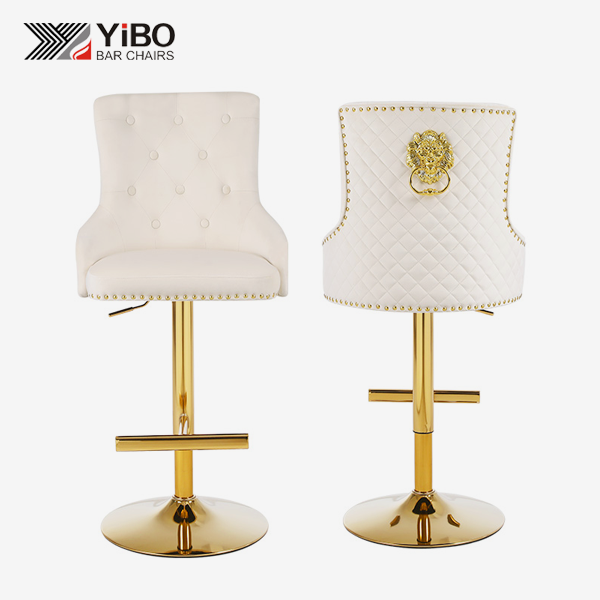
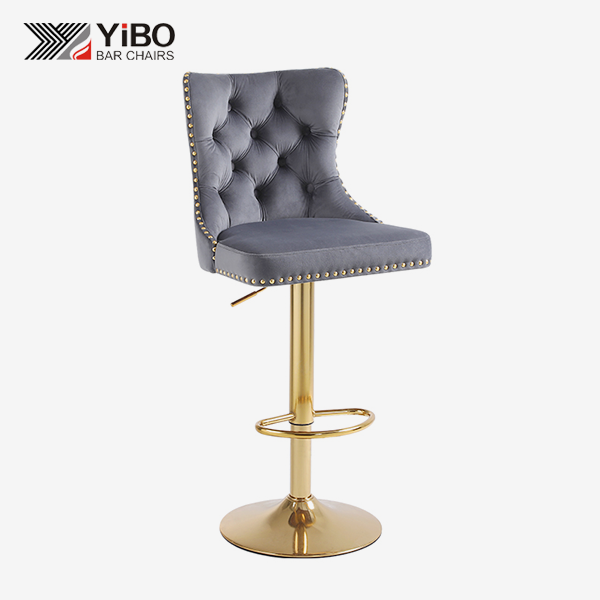
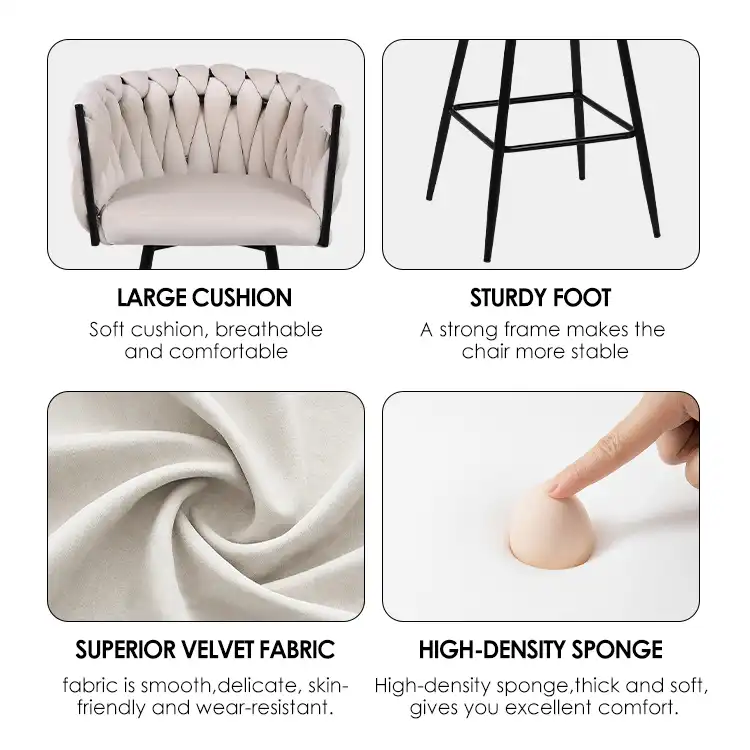
Contemporary counter stool designs emphasize clean lines, minimalist aesthetics, and multi-functional capabilities. These pieces typically feature powder-coated steel frames that provide exceptional durability while maintaining a sleek appearance. The integration of high-density foam cushioning with fabric or leather upholstery options creates comfort without sacrificing visual appeal.
Modern designs often incorporate unique shapes that distinguish them from conventional seating options. The emphasis on easy installation has become a critical factor, with manufacturers developing streamlined assembly processes that reduce setup time for commercial buyers. Metal-plated feet add both aesthetic appeal and practical functionality, providing stability while protecting floor surfaces.
Traditional Craftsmanship and Materials
Traditional kitchen counter stools embody classic design principles that have proven effective across decades of commercial use. These pieces typically feature solid wood construction, often combining multiple wood species to achieve desired strength and appearance characteristics. The craftsmanship focuses on joinery techniques that ensure long-term structural integrity.
Natural materials dominate traditional designs, with solid oak, maple, and cherry being popular choices for commercial applications. The finishing processes emphasize bringing out natural wood grain patterns while providing protective coatings that withstand heavy use in restaurant and hospitality environments.
Commercial Application Environments
Both modern and traditional styles adapt to various commercial settings, though each excels in different environments. Modern stools integrate seamlessly into contemporary restaurants, hotels, and corporate dining areas where sleek aesthetics align with brand positioning. Traditional options often work better in establishments seeking to create warm, welcoming atmospheres that emphasize comfort and familiarity.
The choice between styles often reflects the target demographic and brand identity of the establishment. Modern designs appeal to younger, design-conscious clientele, while traditional options resonate with customers seeking classic comfort and timeless appeal.
Criteria for Choosing the Right Kitchen Counter Stool in 2026
Procurement decisions in 2026 require careful evaluation of multiple factors that impact both immediate functionality and long-term operational success. The selection process must balance aesthetic considerations with practical requirements specific to commercial environments.
Commercial vs Residential Application Needs
Commercial applications demand significantly higher performance standards compared to residential use. Counter stools in restaurant environments may serve hundreds of customers daily, requiring robust construction that maintains structural integrity under constant use. The modern kitchen counter stool approach often addresses these demands through engineered materials and reinforced connection points.
Weight capacity becomes a critical specification, with commercial-grade stools typically supporting 300 pounds or more. This requirement influences material selection and construction methods, often favoring steel frames over wood alternatives in high-traffic applications.
Space Constraints and Ergonomic Requirements
Modern commercial spaces often operate under tight space constraints, making stool design efficiency crucial. Adjustable height mechanisms provide versatility that allows single stool models to work across different counter heights, reducing inventory complexity for multi-location operators.
Ergonomic considerations have gained prominence as establishments recognize the connection between customer comfort and dwell time. Features such as contoured seats, appropriate back support angles, and foot rest positioning directly impact customer satisfaction and return visits.
Budget Considerations and Cost Analysis
The initial purchase price represents only one component of total ownership costs. Modern stools with premium materials and construction may command higher upfront investments while delivering superior longevity and reduced replacement frequency.
Maintenance requirements vary significantly between materials and construction methods. Velvet and sponge cushioning provides exceptional comfort but requires regular cleaning protocols to maintain appearance. Metal components generally offer easier maintenance compared to natural wood finishes that may require periodic refinishing.
Comparing Modern and Traditional Kitchen Counter Stools—Which Suits Your Business?
The decision between modern and traditional styles requires understanding how each approach addresses specific business needs and customer expectations. This analysis examines functional differences that impact operational efficiency and customer experience.
Functional Differences and Performance Characteristics
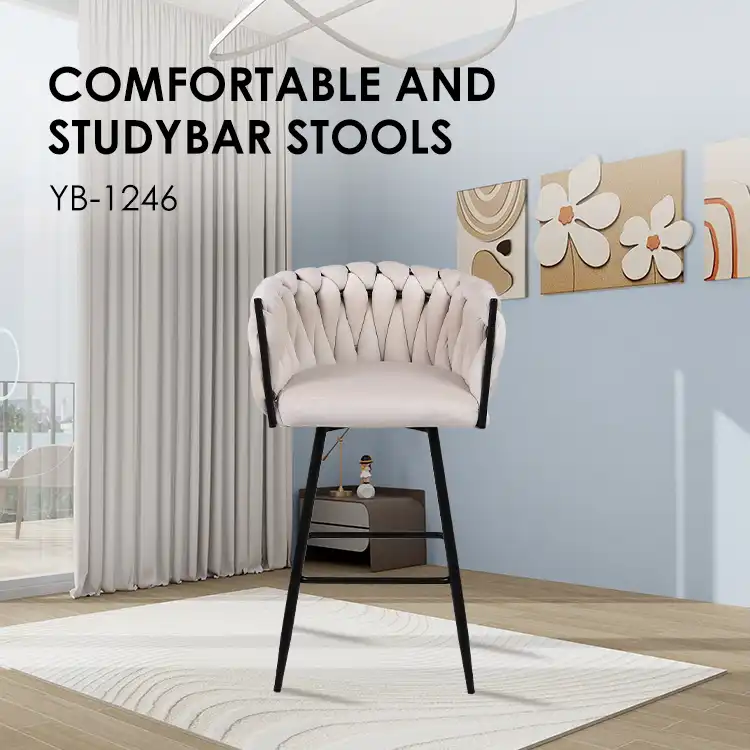
Modern counter stools typically incorporate adjustable mechanisms that provide height ranges from 24 to 30 inches, accommodating various counter configurations within single establishments. The 360-degree swivel feature enhances accessibility and user convenience, particularly valuable in busy commercial environments where quick seating transitions are common.
Traditional designs often prioritize structural stability over adjustability, using fixed-height construction that eliminates mechanical components that could require maintenance. This approach reduces complexity while ensuring consistent performance over extended periods.
Aesthetic Integration and Brand Alignment
Visual consistency across commercial spaces contributes to brand identity and customer perception. Modern kitchen counter stool designs often feature contemporary color palettes and materials that complement current interior design trends. The ability to specify custom finishes and upholstery options allows precise brand alignment.
Traditional styles offer timeless appeal that transcends temporary design trends, potentially providing longer aesthetic relevance. The natural material variations in wood construction create unique character that many establishments value for creating distinctive atmospheres.
Supplier Considerations and Bulk Purchasing
Establishing relationships with reliable manufacturers becomes crucial for multi-location operators requiring consistent product quality and availability. YIBO's 14 years of specialization in chair manufacturing demonstrates the expertise needed to support large-scale commercial projects.
The ability to provide OEM and ODM services allows customization that meets specific operational requirements. This flexibility proves particularly valuable for hospitality chains and restaurant groups seeking to maintain brand consistency across locations while accommodating local preferences.
Trends and Innovations Shaping Kitchen Counter Stools in 2026
The commercial furniture industry continues evolving in response to changing consumer preferences, sustainability concerns, and technological advancement. Understanding these trends helps procurement professionals make informed decisions that anticipate future market directions.
Sustainable Materials and Eco-Friendly Manufacturing
Environmental consciousness increasingly influences purchasing decisions across commercial sectors. Modern stool manufacturers are incorporating recycled materials and sustainable production processes to meet growing demand for responsible sourcing options.
The integration of recyclable components and reduced packaging waste aligns with corporate sustainability initiatives that many businesses have adopted. These considerations often factor into procurement decisions as companies seek to demonstrate environmental responsibility to customers and stakeholders.
Technology Integration and Smart Features
Advanced ergonomic features represent significant innovation areas in modern stool design. Manufacturers are developing improved cushioning systems and support mechanisms that enhance user comfort during extended seating periods.
The modern kitchen counter stool category increasingly incorporates features that address specific commercial needs, such as antimicrobial surface treatments and stain-resistant upholstery options that reduce maintenance requirements in high-volume environments.
Hybrid Designs Combining Traditional and Modern Elements
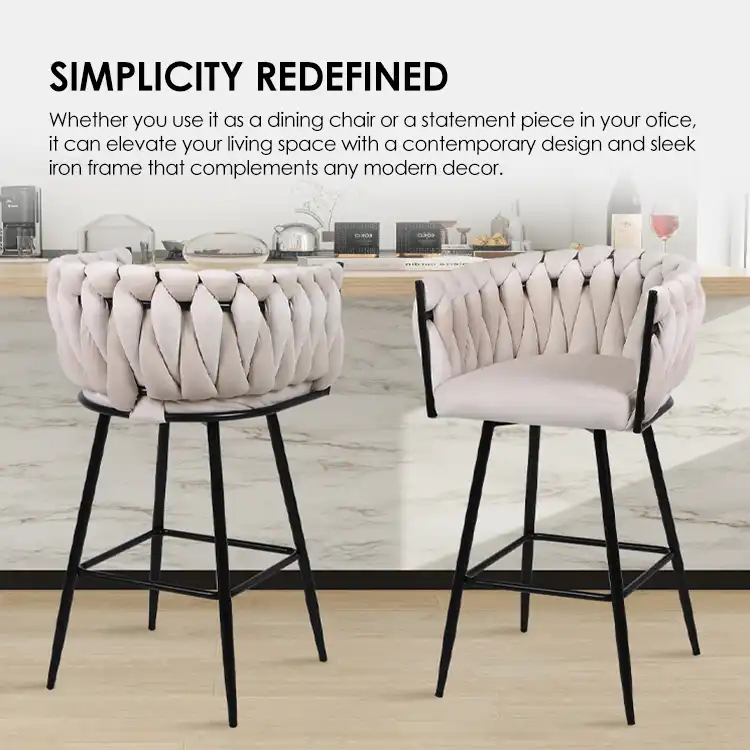
Market demand has created opportunities for designs that blend traditional aesthetic appeal with modern functional capabilities. These hybrid approaches often feature classic wood construction enhanced with contemporary comfort features and ergonomic improvements.
The integration of traditional craftsmanship with modern materials creates products that appeal to diverse customer preferences while meeting current performance standards. This trend reflects the market's desire for products that offer both visual appeal and practical functionality.
Practical Guide to Procurement and Maintenance for B2B Clients
Successful commercial furniture procurement requires systematic approaches that ensure product quality, delivery reliability, and ongoing support throughout the product lifecycle. This guidance addresses key considerations for streamlining the purchasing process.
Supplier Selection and Quality Assurance
Choosing manufacturers with proven track records in commercial furniture production reduces risks associated with quality variations and delivery delays. YIBO's 6,000 square meter facility and monthly container shipping capacity demonstrate the scale needed to support large commercial projects reliably.
Quality assurance processes should include verification of international standards compliance and durability testing results. Reputable suppliers provide documentation of testing procedures and performance certifications that validate product claims.
Bulk Order Management and Cost Optimization
Volume purchasing often provides opportunities for significant cost savings while ensuring product consistency across multiple locations. The ability to negotiate favorable terms, including free delivery and extended payment periods, can substantially impact project economics.
Space-saving packaging solutions reduce shipping costs and simplify receiving processes at installation sites. Suppliers who understand commercial logistics requirements provide packaging designed to minimize handling time and storage space requirements.
Maintenance Protocols for Longevity
Establishing proper maintenance procedures extends product life and maintains appearance standards that reflect positively on business operations. Different materials require specific care approaches to preserve their performance characteristics.
Regular cleaning schedules for velvet and sponge cushioning materials prevent permanent staining and odor retention. Metal components benefit from periodic inspection and cleaning to maintain their protective finishes and prevent corrosion in humid environments.
Conclusion
The choice between modern and traditional kitchen counter stools in 2026 depends on specific operational requirements, aesthetic preferences, and target market expectations. Modern kitchen counter stool designs offer superior versatility through adjustable features, contemporary materials, and ergonomic innovations that address current commercial needs. Traditional options provide timeless appeal and proven durability that resonates with establishments seeking classic comfort and warmth. Successful procurement requires evaluating factors including space constraints, maintenance requirements, budget considerations, and supplier capabilities to ensure optimal alignment with business objectives and customer satisfaction goals.
FAQ
What are the key differences between modern and traditional counter stools for commercial use?
Modern counter stools typically feature adjustable heights, swivel mechanisms, contemporary materials like powder-coated steel, and ergonomic designs optimized for commercial environments. Traditional stools emphasize solid wood construction, fixed heights, classic craftsmanship, and timeless aesthetic appeal that creates warm, welcoming atmospheres.
How do I determine the right height for commercial counter stools?
Standard counter heights range from 24 to 30 inches, making adjustable modern kitchen counter stool options particularly valuable for commercial applications. Measure your counter height and subtract 10-12 inches to determine optimal seat height, ensuring comfortable leg clearance and proper ergonomic positioning for customers.
What weight capacity should I look for in commercial-grade counter stools?
Commercial counter stools should support at least 300 pounds to accommodate diverse customer needs safely. Higher-capacity options provide additional safety margins and demonstrate quality construction that withstands heavy daily use in restaurant and hospitality environments.
Which materials require the least maintenance in commercial settings?
Powder-coated metal frames with high-density foam cushioning typically require minimal maintenance compared to natural wood finishes. However, upholstery materials like velvet and sponge require regular cleaning protocols to maintain appearance, while metal-plated feet provide durability with simple cleaning requirements.
How can I ensure consistent quality when ordering stools for multiple locations?
Partner with established manufacturers who offer standardized specifications, quality documentation, and reliable supply chains. YIBO's 14 years of manufacturing experience and container-level shipping capacity provide the consistency needed for multi-location commercial projects.
What should I consider when choosing between swivel and fixed counter stools?
Swivel mechanisms enhance accessibility and convenience in busy commercial environments but add complexity and potential maintenance requirements. Fixed stools offer greater structural stability and lower maintenance needs, making the choice dependent on your specific operational priorities and customer flow patterns.
Partner with YIBO for Your Modern Kitchen Counter Stool Requirements
YIBO stands as your trusted modern kitchen counter stool manufacturer, combining 14 years of specialized chair production expertise with innovative design capabilities that meet demanding commercial requirements. Our comprehensive product line features velvet and sponge cushioning, metal-plated feet, unique ergonomic shapes, and convenient foot rest designs that elevate customer comfort while ensuring easy installation processes. As a leading modern kitchen counter stool supplier, we provide OEM and ODM services backed by rigorous quality testing, international standards compliance, and 24-hour customer support that streamlines your procurement experience. Our 6,000 square meter facility enables reliable container-level shipping with space-saving packaging solutions that reduce logistics costs. Contact our experienced sales team at yb@ajyibo.com to discuss bulk pricing, customization options, and delivery schedules that align with your project timelines and operational requirements.
References
1. Johnson, M. (2025). "Commercial Furniture Trends in Hospitality Design: Modern vs Traditional Approaches." Journal of Restaurant Design, 42(3), 78-92.
2. Anderson, K. & Wilson, R. (2025). "Ergonomic Considerations in Commercial Seating: Impact on Customer Experience." International Review of Interior Design, 18(4), 156-171.
3. Thompson, L. (2026). "Sustainable Materials in Commercial Furniture Manufacturing: Market Analysis and Future Projections." Furniture Industry Quarterly, 31(1), 45-63.
4. Davis, S. (2025). "Procurement Strategies for Multi-Location Restaurant Chains: Furniture Selection and Supply Chain Management." Commercial Hospitality Review, 29(2), 112-128.
5. Martinez, C. & Brown, P. (2026). "Counter Stool Design Evolution: Analyzing Consumer Preferences and Market Demand." Contemporary Furniture Studies, 15(1), 23-38.
6. Roberts, J. (2025). "Quality Standards and Durability Testing in Commercial Seating: Best Practices for B2B Procurement." Industrial Furniture Standards, 12(4), 89-105.