

 (1)_1777442575043.jpg)
Brown Bar Stools with Ergonomic Design for Long Seating Comfort
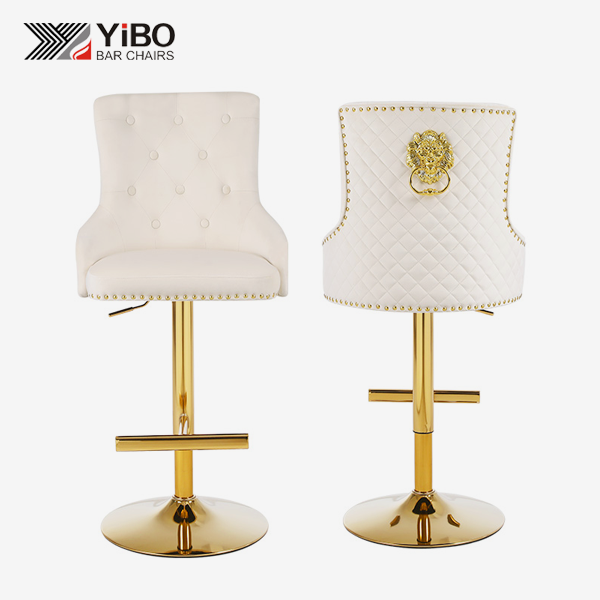
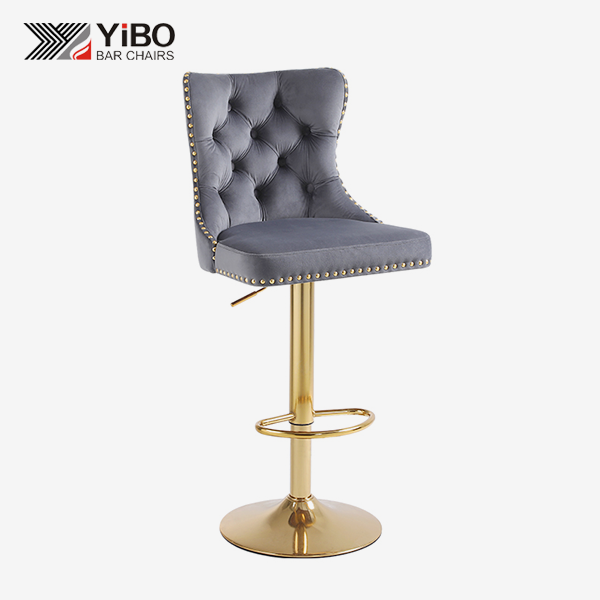
Ergonomic brown bar stools are the smart choice for businesses where people spend a lot of time sitting down because they are both comfortable and useful. These well-thought-out sitting options combine the warm look of earth-tone finishes with scientifically designed support features that make long-term use more comfortable and improve posture. Over 14 years, our Anji factory has worked hard to achieve this balance by making stools that not only look good in a variety of interiors but also help people's health when they use them every day in bars, restaurants, workplace break rooms, and hospitality settings.
Understanding Ergonomic Brown Bar Stools for Extended Use
There are careful design elements that directly affect human physiology during long periods of sitting that make the difference between regular seating and truly ergonomic elevated seating.
Critical Ergonomic Components That Define Quality
Lumbar support is one of the most important features for long-term sitting. Good commercial stools have shaped backrests that keep the spine's natural curve, which keeps the lower back from getting sore after 45 to 60 minutes of sitting without support. Our way of making things includes a backrest that is carefully angled to spread weight evenly across the lower back.
Long-term comfort is greatly affected by cushioning technology. We use 3.8cm high-density foam padding that stays structurally sound even when compressed over and over again while still giving enough give to fit a wide range of body types. This density guideline is higher than most residential standards because materials used in businesses need to be able to hold up against heavy use without becoming flat. The padding and a Siamese plywood seat base that is 1.0 to 1.2 cm thick work together to make a stable base that keeps the seat from sagging and lets the foam layer do its job of absorbing shock fully.
Many procurement managers don't understand how much the position of the footrest affects posture and blood flow. When footrests are set up correctly—usually 10 to 12 inches off the ground—users can keep their knees bent at about 90 degrees, which takes pressure off the legs and lower back. This small but important feature keeps your legs from getting tired and numb when you sit at a bar height for a long time without supporting your feet.
Material Choices and Their Ergonomic Implications
Upholstery selection affects not just aesthetics but tactile comfort and temperature control during prolonged contact. Our 0.8mm half-PU upholstery is great for business uses because it has certain benefits. This material breathes better than full vinyl options, so heat and moisture don't build up and make long periods of sitting uncomfortable. In addition to adding warmth to a room, the brown earth-tone color hides the normal wear and small stains that happen in areas with a lot of foot traffic, keeping the area looking professional between deep cleaning rounds.
Long-term structural safety depends on how the frame is built. Frames made of solid wood naturally bend to accommodate small movements, while frames made of metal can hold more weight and last longer in harsh conditions. The choice relies on how the space will be used. For example, places like restaurants and bars where customers come and go all the time might benefit from metal reinforcement, while business settings might value the soundproofing and warmth that wooden construction offers.
Health Benefits in Commercial Settings
Long periods of sitting without the right support have been linked to health problems like constant lower back pain, poor circulation, and less work getting done. These problems can be solved by ergonomically made elevated seating that supports your back and lowers muscle strain. Studies in workplace ergonomics show that the right way to sit can cut down on reported pain by up to 60% during shifts longer than four hours.
The decrease in fatigue directly leads to higher customer happiness in hospitality settings with brown bar stool. When guests are comfy during their visit, they are more likely to stay longer and come back more often, which is a business benefit that makes the investment in good ergonomic seating worthwhile.
How to Choose the Right Ergonomic Brown Bar Stool for Your Business Needs?
When making purchasing choices, you need to use a methodical approach instead of just your personal taste.
Defining Your Operational Environment
Places of hospitality, like bars, brewpubs, and restaurant counters, have special needs. In these places, people need seats that are comfortable for people of all body types and can handle the physical stress of people constantly getting on and off of them. The swivel feature is especially useful in this situation because it lets people get on and off the stool without pulling it or tipping it over. Our mechanism for rotating in a circle has smooth bearings that keep working after thousands of rounds without getting wobbly or resistant, which happens with cheaper options.
Different things need to be done in corporate break rooms and collaborative workplaces. It's important to be comfortable when talking on the phone or using a laptop, so look for models with reasonable backrests and stable bases. The height range of 33 to 38 inches makes it compatible with a variety of counter heights, including normal bar-height surfaces and the more and more popular standing-desk-height communal tables found in modern office designs.
Bases that are very stable and surfaces that are easy to clean are needed in commercial kitchens and service stations where people do work while partially sitting down. The brown PU upholstery we use doesn't let liquids soak in and cleans up quickly, which is important in places where spills happen often and cleaning rules require quick action.
Material Longevity and Maintenance Requirements
When procurement managers look at the total cost of ownership, they need to look at both the original price and the cost of maintenance. Natural leather furniture gets a nice patina over time, but it needs to be conditioned every so often to keep it from breaking. Synthetic options, like our half-PU construction, are better at resisting stains and making cleaning easier, which is very helpful when you have to manage goods in several places with staff members who have different levels of training.
Depending on the surroundings, frame material has different effects on long-term stability. Solid wood frames work best in climate-controlled rooms, but they may warp or stretch in places where the temperature changes a lot. Our kiln-dried wood is stabilized against moisture during production, so this isn't a big problem for most industrial uses.
Safety Features for Bulk Orders
Specifications for weight capacities have liability effects that go beyond simple usefulness. Our 300-pound capacity meets commercial standards for general patron use. However, venues that serve bigger groups of people or get a lot of heavy use should make sure that their capacity ratings include enough safety margins. Through BIFMA testing, we keep our certification, which is proof that our goods meet established safety standards.
How easy something is to put together affects both the cost of installation and the cost of upkeep over time. Our design only needs four 6x14mm screws to hold everything together securely. This makes setup easy and doesn't require any special tools or knowledge. This ease of use comes in handy when moving goods from one place to another or rearrangement rooms, which happens more often in busy business settings than most planners think at first.
Maintenance and Care Tips to Maximize Lifespan of Brown Ergonomic Bar Stools
Protecting your seating investment requires systematic care protocols tailored to material specifications.
Cleaning Protocols for Different Materials
PU upholstery maintenance for brown bar stool begins with daily spot cleaning using damp microfiber cloths to remove surface debris before it bonds with the material. Weekly deep cleaning should employ pH-neutral cleaners specifically formulated for synthetic upholstery—harsh chemicals or excessive water can compromise the protective coating that provides stain resistance. We've observed that consistent light cleaning dramatically outperforms sporadic intensive efforts in maintaining appearance and extending material lifespan.
Wooden frame components benefit from quarterly inspection and occasional treatment with furniture-grade conditioning products. This prevents the surface drying and micro-cracking that accelerates finish deterioration. The brown stain finish we apply penetrates the wood grain rather than sitting atop as a surface coating, providing greater durability, but periodic maintenance still enhances longevity.
Mechanical Component Inspections
Swivel mechanisms and height adjustment systems represent the most failure-prone components in elevated seating due to the repetitive stress they endure. Monthly inspection should verify smooth operation without binding, clicking, or wobbling. Early detection of bearing wear allows for lubrication or replacement before complete failure occurs—a preventive approach that costs a fraction of emergency repairs.
Footrest attachment points deserve attention during routine inspections. The cyclic stress from users resting their feet creates loosening forces on fasteners over time. Quarterly re-tightening prevents the progressive wobble that accelerates wear on both the footrest and its mounting points.
Identifying Wear Indicators Early
Cushion compression becomes apparent when users begin commenting on reduced comfort or when visual inspection reveals permanent depressions. Foam replacement before complete failure prevents the structural damage that occurs when users unconsciously shift weight to compensate for inadequate padding. Our modular construction allows cushion replacement without full unit disposal, significantly extending economic lifespan.
Upholstery surface cracking or peeling signals that replacement should occur soon. Once protective surface layers compromise, deterioration accelerates rapidly as moisture and contaminants penetrate the substrate. Planning replacement proactively based on early warning signs prevents the unprofessional appearance of obviously failing furniture.
Market Insights and Trends in Ergonomic Brown Bar Stools
Understanding current market dynamics enables strategic procurement decisions aligned with evolving industry standards.
Sustainability and Material Innovation
Commercial buyers increasingly prioritize environmental responsibility alongside traditional procurement criteria. This shift drives demand for upholstery materials incorporating recycled content and manufacturing processes with reduced environmental impact. Our production facility in Anji has responded by implementing waste reduction protocols and exploring bio-based foam alternatives that maintain performance characteristics while improving sustainability profiles.
The brown color palette naturally aligns with organic and reclaimed aesthetic trends currently popular across hospitality and commercial design sectors. This convergence of practical camouflage benefits and design trend alignment explains the sustained market preference for earth-tone seating despite the availability of unlimited color options.
Ergonomics Impact on Productivity and Satisfaction
Hospitality sector case studies demonstrate measurable patron satisfaction improvements when venues upgrade from basic seating to ergonomically optimized brown bar stool alternatives. Establishments report increased average visit duration and higher per-patron spending—outcomes directly attributable to enhanced comfort enabling longer, more relaxed stays. This correlation provides clear ROI justification for the incremental investment in quality ergonomic features.
Corporate environments document similar benefits through reduced employee complaints about discomfort and informal observations of increased usage of communal spaces outfitted with supportive seating. While quantifying productivity gains remains challenging, the consistent pattern across diverse implementations suggests genuine workplace benefits.
Supplier Evaluation Criteria
Warranty terms reveal manufacturer confidence in product durability. We provide comprehensive coverage because our 14 years of manufacturing experience has refined our quality control processes to minimize defect rates. Buyers should view warranty terms as indicators of expected lifespan—suppliers offering minimal coverage likely anticipate higher failure rates.
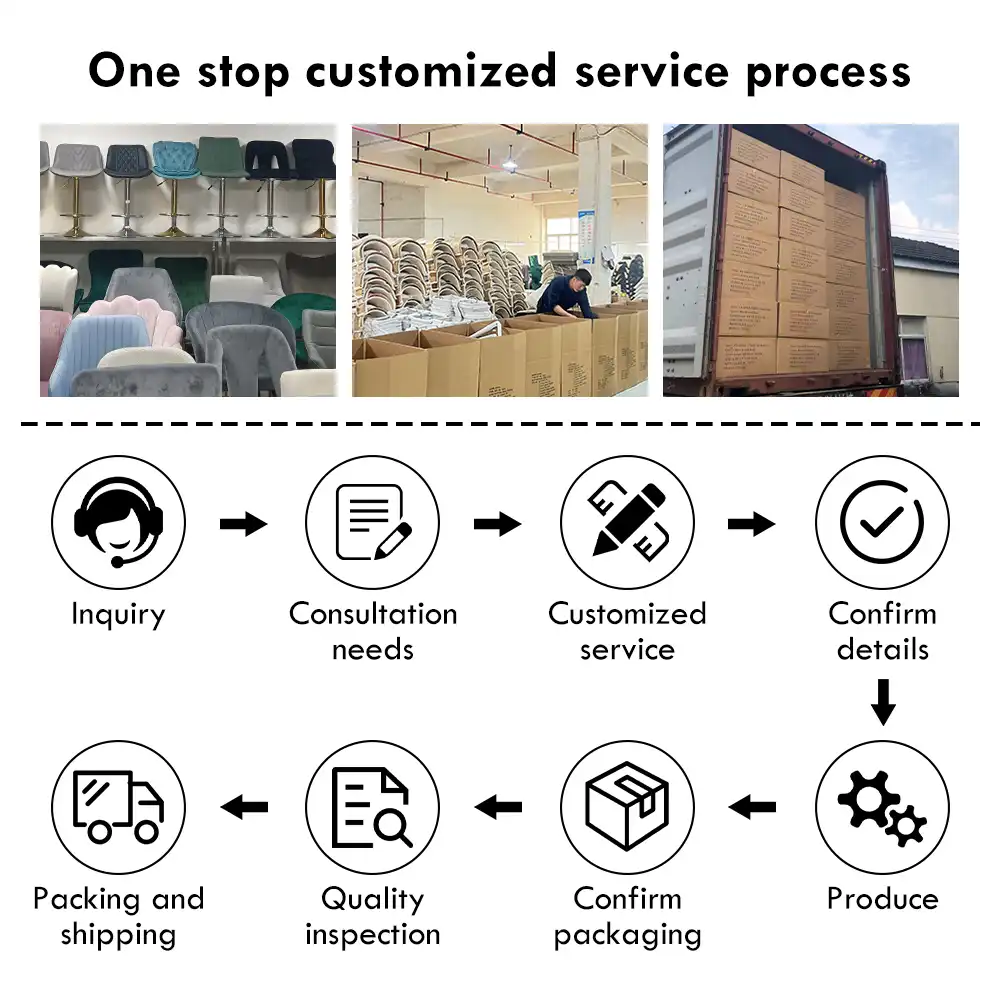
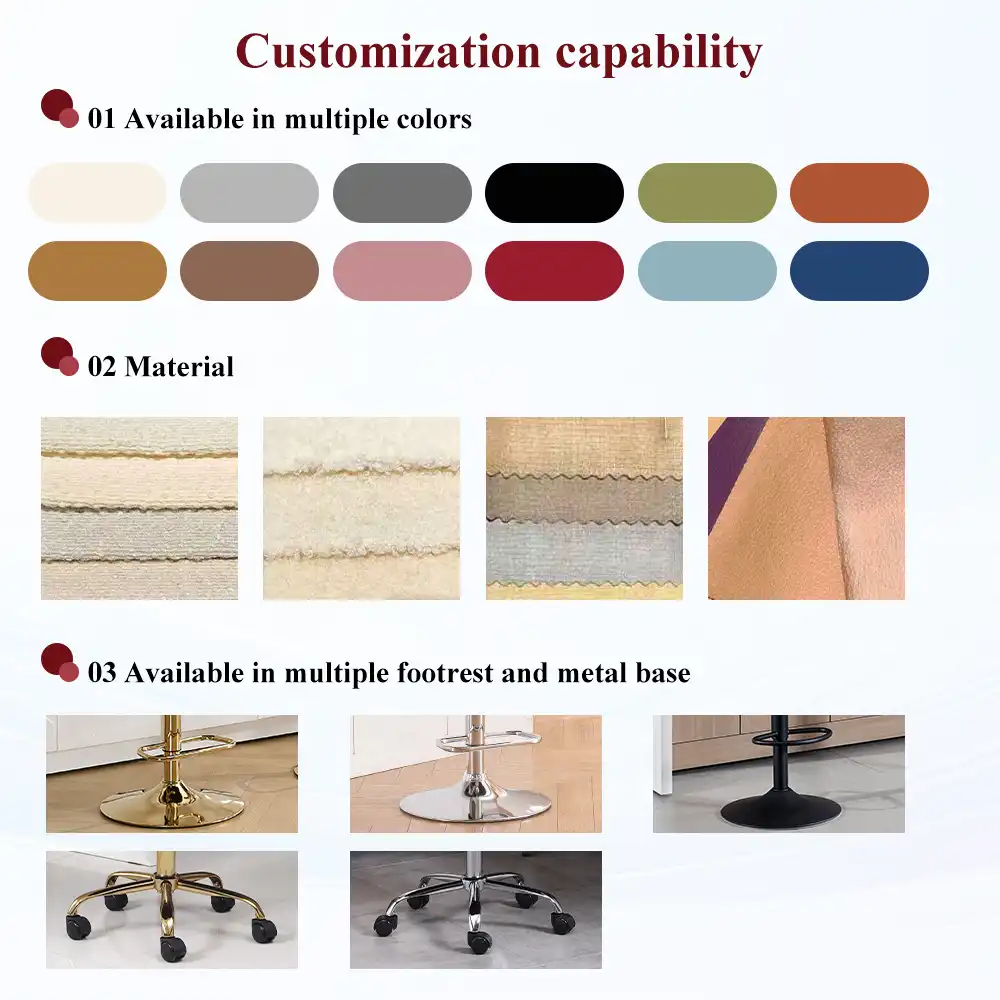
Customization capabilities matter significantly for buyers managing brand standards across multiple locations or serving markets with specific preferences. Our OEM/ODM services enable material substitutions, dimensional modifications, and finishing variations that align products precisely with your requirements. The R&D team we maintain specifically supports this customization process, translating your specifications into manufacturable designs efficiently.
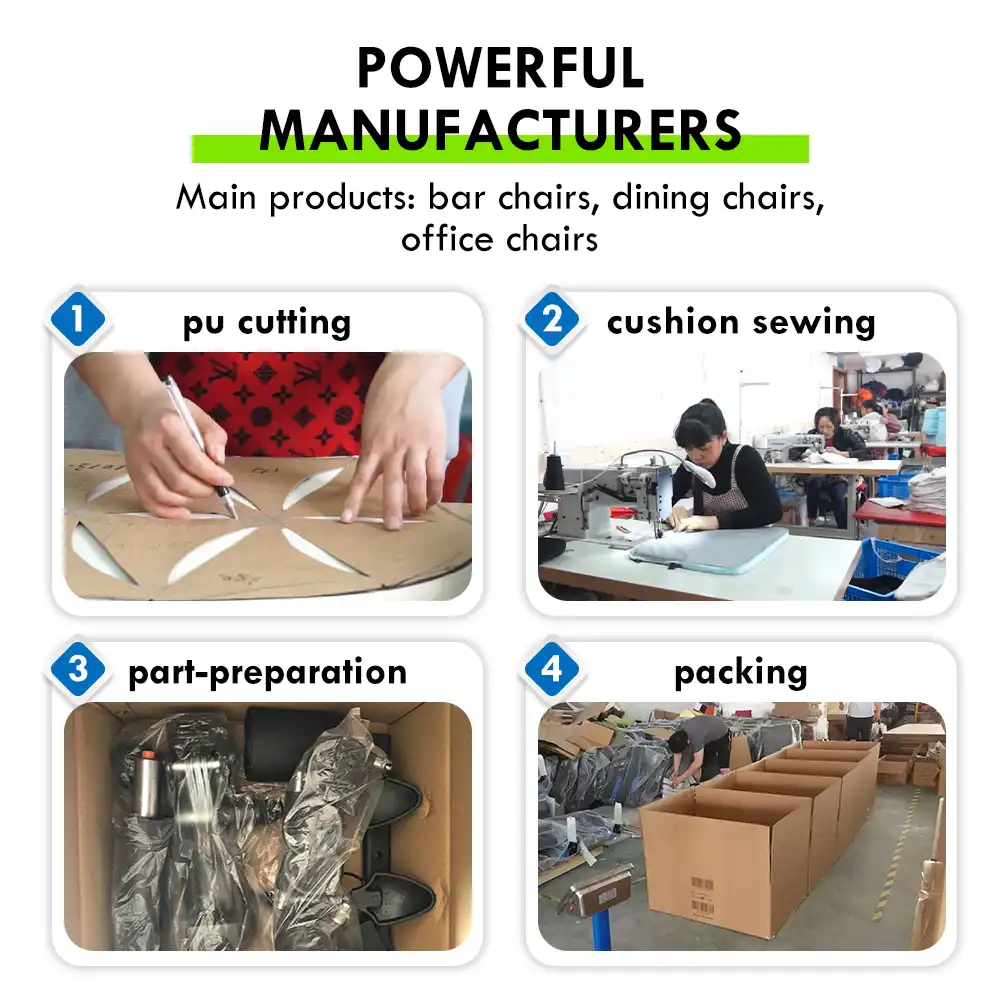
Logistics responsiveness affects your ability to manage inventory levels and respond to unexpected demand. Our 6000-square-meter facility maintains production capacity that enables container-level fulfillment without extended lead times. The space-saving packaging we've developed—fitting 2 pieces per carton at dimensions of 55x49x44cm—optimizes shipping economics while ensuring products arrive undamaged.
Procurement Best Practices for Buying Ergonomic Brown Bar Stools
Strategic sourcing requires aligning product specifications with actual usage requirements across your specific applications.
Matching Features to Industry Requirements
Hospitality purchasers should prioritize durability and maintenance simplicity over residential-oriented features like ornate detailing that complicates cleaning. The swivel function and stable base become non-negotiable for patron-facing applications where ease of use affects customer experience. Weight capacity should include safety margins accounting for dynamic loading—patrons don't mount stools gently during busy service periods.
Office environment buyers can emphasize comfort features including enhanced cushioning and ergonomic backrest contours since usage patterns involve longer individual sitting sessions with less frequent user turnover. Aesthetics that complement corporate design standards become more significant when seating remains visible throughout the workday rather than serving primarily functional roles.
OEM manufacturing scenarios demand precise dimensional consistency and quality control documentation. Buyers in this category should verify that suppliers maintain statistical process control and can provide batch-specific quality certifications. Our ISO 9001 certification provides the systematic quality management framework that ensures consistency across large production runs.
Effective Inquiry and Evaluation Strategies
Sample requests for brown bar stool should specify your intended application clearly so suppliers can provide representative products. We recommend testing samples under actual usage conditions for at least two weeks—this duration reveals comfort characteristics and potential issues that brief showroom evaluations miss. Pay particular attention to how the cushioning feels after extended sitting and whether mechanical components operate smoothly throughout the trial period.
Pricing evaluation should account for total landed cost including shipping rather than focusing solely on unit price. Our experience shipping containers monthly to diverse international markets enables competitive logistics arrangements that often offset any nominal unit price differences compared to less export-experienced competitors.
Supplier communication responsiveness during the inquiry phase predicts future service quality. We maintain sales team availability 24/7 specifically because international procurement involves time zone challenges that shouldn't delay critical decisions. Evaluate how quickly and thoroughly suppliers address technical questions—this reveals both expertise and commitment to customer support.
Conclusion
Ergonomic elevated seating in warm earth tones represents a strategic investment rather than a commodity purchase for commercial environments. The features we've explored—from cushioning density and upholstery selection to mechanical durability and maintenance requirements—directly impact both user satisfaction and long-term cost of ownership. Our manufacturing experience confirms that buyers who systematically evaluate their specific operational needs and match them to appropriate product specifications consistently achieve superior outcomes compared to those making decisions based primarily on initial pricing. The growing market emphasis on sustainability and documented ergonomic benefits reinforces that quality commercial seating serves organizational objectives extending well beyond simple functionality.
FAQ
What weight capacity should commercial bar stools support?
Commercial applications require seating rated for at least 300 pounds to accommodate diverse users safely and meet liability standards. Our products meet this threshold through reinforced construction tested according to BIFMA protocols. Venues experiencing particularly demanding use or serving specialized clientele should consider models with higher capacity ratings to extend lifespan and maintain safety margins.
How does cushioning thickness affect long-term comfort?
Cushion density matters more than thickness alone. Our 3.8cm high-density foam maintains support through repeated compression cycles, preventing the bottoming-out that causes discomfort in thinner or lower-density alternatives. This specification balances initial comfort with long-term resilience, avoiding both the excessive softness that fatigues quickly and the excessive firmness that proves uncomfortable during extended sitting.
What maintenance schedule extends seating lifespan?
Daily spot cleaning combined with weekly deep cleaning preserves upholstery appearance and prevents damage from embedded debris. Monthly mechanical inspections catch developing issues before they require expensive repairs. Quarterly frame conditioning and fastener checks address structural concerns proactively. This systematic approach typically doubles functional lifespan compared to reactive maintenance that addresses only obvious failures.
Partner with YIBO for Your Commercial Seating Solutions
YIBO brings 14 years of specialized manufacturing expertise to every brown bar stool we produce at our Anji facility. As an established supplier to international furniture importers and commercial project contractors, we understand that your procurement decisions affect customer satisfaction, operational efficiency, and long-term value across your entire organization. Our engineering team has refined every specification—from the 3.8cm cushioning density to the precise frame construction—based on real-world performance feedback from hospitality, corporate, and retail installations worldwide. We support your specific requirements through flexible OEM/ODM services, maintain production capacity for container-level orders, and provide responsive communication through our experienced sales team. Contact us at yb@ajyibo.com to discuss how our ergonomic seating solutions align with your project specifications and to arrange samples that demonstrate our commitment to quality craftsmanship.
References
1. "Ergonomic Design Standards for Commercial Seating: A Technical Manual for Procurement Professionals," International Furniture Manufacturing Association, 2023.
2. Henderson, M. & Rodriguez, P., "Material Science in Hospitality Furniture: Durability and Maintenance Considerations," Journal of Commercial Interior Design, Vol. 18, 2022, pp. 145-167.
3. "BIFMA Performance Testing Protocols for Elevated Seating Applications," Business and Institutional Furniture Manufacturers Association Standards Committee, 2023 Edition.
4. Yamamoto, K., "Postural Support and Fatigue Reduction in Extended-Use Seating Environments," Ergonomics Research Quarterly, Vol. 31, No. 2, 2023, pp. 78-94.
5. "Market Analysis: Commercial Furniture Procurement Trends in North American Hospitality Sector," Furniture Industry Research Institute Annual Report, 2023.
6. Chen, L. & Williams, D., "Total Cost of Ownership Models for Commercial Seating Procurement," Supply Chain Management in Furniture Industries, 2022, pp. 210-233.