

 (1)_1777442575043.jpg)
What is the Difference Between a Bar Stool and a Counter Stool?
When choosing seats for business projects, it's important to know the exact differences between bar stools and counter stools so that you don't make mistakes that cost a lot of money. The main difference is the height of the seat. Bar stools usually have a height of 28 to 30 inches, which fits with bar counters that are 40 to 42 inches high. Counter stools, on the other hand, have a height of 24 to 27 inches, which fits with normal 36-inch kitchen counters. This difference in height has a direct effect on user ease, the flow of space, and the ergonomics of the system. Concerning counter stools, backless counter stools have become very popular among procurement managers because they save room, look light, and can be used in a variety of settings, such as offices, stores, and restaurants.
Understanding the Basics: Bar Stools vs Counter Stools
Specifications for height are the basis for buying the right seats. Bar chairs are raised surfaces that people stand on or sit on freely in places like nightclubs, wine bars, and entertainment venues. Because they are higher, they fit the ergonomic relationship between a 40-42-inch bar counter and a sitting position. This means that your feet will rest easily on the footrests and your arms will naturally line up with the counter. Standard home kitchen islands and business break room counters that are 36 inches high can be easily paired with counter stools that are 24 to 27 inches high.
Aside from height, the design idea is very different. Bar stools usually have swivels, gas lifts that can be adjusted, and strong footrests so that people can sit for longer periods of time in social settings. Counter sitting options focus on small footprints and sleek shapes, especially in open-plan kitchens where visual obstructions make it hard to see. The choice of materials also varies. Bars need finishes that don't get damaged by water and seating that is easy to clean because of the drinks. Counters, on the other hand, need to balance sturdiness with a more homey look.
Ergonomic Considerations for Commercial Spaces
Clearance between the seat and the table is still very important. As a general rule, there should be 10 to 12 inches of space between the seat area and the bottom of the counter. This lets your legs move and sit comfortably. Knee collisions and postural strain are caused by not having enough space, which shortens dwell time in dining settings and makes employees less happy in break rooms at work. To avoid having to pay for returns and repairs, procurement teams must check that the dimensions are compatible during the design process.
Design Features That Define Each Category
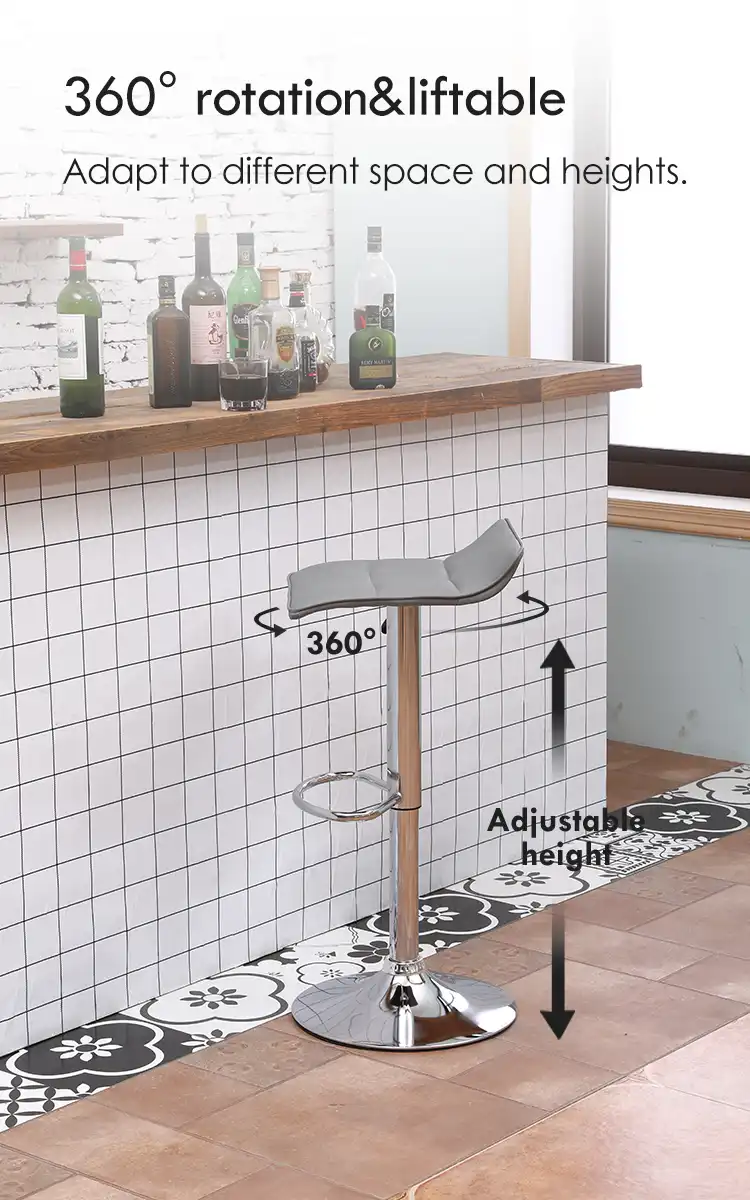
Bar stools often have seats that can rotate 360 degrees, which lets people talk to each other without having to awkwardly move. More and more bar chairs have full backrests and arms that make them comfortable to sit in for long periods of time while eating or talking. Counter stools tend to have simple shapes, and many buyers choose backless styles that fit fully under counter overhangs. This design choice makes the most of circulation space in places with a lot of foot traffic, like coffee bars, café counters, and shared workspaces, where floor space is highly valued.
Detailed Comparison: Bar Stools and Counter Stools in Procurement Context
Decisions about bulk purchases depend on how well they can be standardized and scaled up. Making sure that all container-load orders are the same height speeds up the installation process and gives users the same experience everywhere. Bar stools that are 28 to 30 inches high can fit normal bar heights that are common in North American hospitality design. On the other hand, counter stools that are 24 to 27 inches high can fit residential-grade counters that are becoming more popular in boutique hotels and office lounges that want to feel like home.
In business settings, material longevity is very important. When compared to residential-grade wood structures, metal frames made of powder-coated steel or aluminum can hold more weight—often 300 pounds or more. Faux leather furniture with PU or PVC coats resists stains and is easier to clean, which is important in places that serve food and drinks. Material specifications are weighed against how often the items will be used. For example, fast-casual cafés want lightweight, stackable choices, while high-end restaurants value aesthetically pleasing designs and padded comfort.
Height and Dimension Standardization in Bulk Orders
When buying container numbers, consistency in dimensions keeps operations running smoothly. Dimensional differences after delivery are expensive because a single crate can hold between 400 and 600 units, based on how well it is packed. Reliable makers, like YIBO, make sure that the differences in seat height stay within ±0.5 inches between production runs by using strict quality control. This accuracy gets rid of the problems with mixed heights that come up with orders from less experienced sources, where tolerance drift makes installations less comfortable.
Comfort Factors: Backless vs. Back-Supported Designs
Some problems in modern business design can be fixed with backless counter stools. Their lack of lumbar support slightly encourages shorter dwell times, which is best for quick-service restaurants where profit is based on income per seat hour. Studies in hospitality design show that chairs without backs keep customers from sitting for as long as 12 to 18 minutes longer on average than chairs with backs, but this doesn't affect customer happiness scores in casual meal settings.
However, ergonomics must be taken into account. When used for more than 45 minutes without a back support, the lower back gets tired. This makes backless choices less useful in full-service restaurants or offices where people take breaks to eat. Professionals in procurement need to make sure that the design choices they make are in line with how things are used. For example, coffee shops and fast food places are more efficient when there are no backs, but employee cafeterias and joint workplaces need back support sometimes for comfort during longer breaks.
Material Options and Commercial Durability Standards
The choice of materials has a direct effect on the total cost of ownership. Powder-coated metal frames and finishes on stools don't rust in damp places like coastal restaurants or beer taprooms. Wood frames look nice and are warm, but they need to be sealed against wetness and maintained regularly in business kitchens. Seats can be made of solid surfaces like metal, wood, or molded plastic, or they can be covered with foam padding and protective covers.
Our factory in Anji specializes in building metal frames with high-density foam filling and commercial-grade fake leather, which makes the products last longer while also saving money. The 45–50 kg/m³ density of the foam gives it strong support over thousands of seating cycles, and the 50,000+ double rubs rating of the fake leather means it can handle heavy business use. These specs meet the needs of buyers in the hotel industry who want long-lasting performance that doesn't show signs of wear or damage.
Backless Counter Stools: A Popular Choice in Modern Procurement
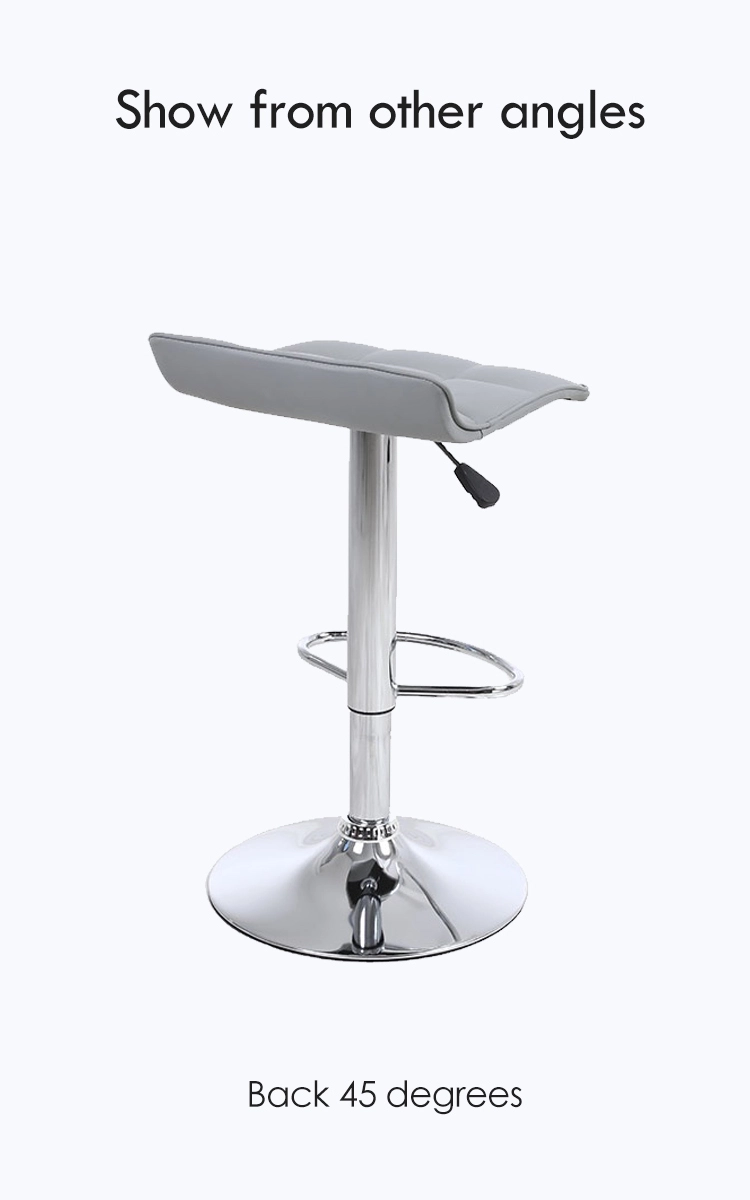
Backless counter stools seating is popular in businesses because it solves three important practical problems: saving space, making things clear to see, and being able to change what's in stock. In restaurants with an open layout, backless stools keep customers' lines of sight clear and keep the space from feeling crowded. Their small size lets them be completely hidden under table overhangs, freeing up floor room when they're not in use. Stackable designs make storage even more efficient; units can be stacked 8–10 high for off-season storage or to create different event layouts.
Backless designs are no longer just simple and useful thanks to advances in modern manufacturing. Gas lift technology allows for adjustable height mechanisms that can handle different counter heights within the same purchase order. This is helpful for mixed-use places with both normal and raised counters. Swivel seats make things easier for users because they don't require them to move around awkwardly like fixed-position seats do. Simple metal frames are turned into comfortable seats with padded tops made of foam. These seats can be used for 30 to 45 minutes, which is in between quick-service speed and casual eating comfort.
Design Versatility Across Commercial Applications
Backless counter stools can be used in a variety of business settings. High-traffic places like airport bars and train station cafés use metal models that can be stacked and can handle being moved around a lot and being used every day. Boutique hotels often choose forms of chairs with metal legs and wooden seats, which look rustic and are strong. In corporate cafeterias, adjustable-height models are used for both normal counter zones and standing-height work tables. This makes the furniture more useful in areas that are used for more than one thing.
Combinations of materials make applications even more useful. Leather-covered foam seats make high-end wine bars and hotel lobby bars look and feel more expensive, which affects how customers feel. Family-friendly casual eating places that want easy cleaning and a fun look should use molded plastic seats in bright colors. Stools with metal frames and wood tops combine industrial and natural design styles and are popular in craft breweries and farm-to-table restaurants that value realism.
Maintenance and Cleaning Protocols for Longevity
When making choices about what to buy, lifecycle upkeep needs must be taken into account. Faux leather surfaces can be cleaned every day with commercial disinfectants, which is very important in hotel settings that are promoting obvious cleaning practices after a pandemic. Metal frames don't get damaged by water like wood bases do; wood bases soak up spills and need to be refinished every so often. How easy it is to maintain has a direct effect on labor costs. Stools that need special cleaning products or regular professional service raise running costs over longer ownership periods.
Our backless counter stools at YIBO have seat covers that can be taken off and on again, making deep cleaning and regular upkeep easier. Powder-coated finishes on the metal frame make it resistant to scratches and chemical cleaners that are popular in industrial kitchens. Foam padding has moisture-resistant barriers that stop liquids from getting in and causing germs and smells to grow, so it lasts longer than the average product in its business. These design choices come from the 14 years of experience we've had making things and listening to real-world comments from business and hospitality clients.
Making the Right Choice: Criteria for Selecting Bar or Counter Stools for Business
Strategic seating purchase considers a number of factors, including the original cost, the expected longevity, the stylistic fit with the brand, and the usefulness for use. Some buyers are only interested in the unit price and don't think about the total cost of ownership, which includes how often the item needs to be replaced, the work needed for upkeep, and the time it takes to fix it. Premium goods cost more up front, but they last longer, have better materials, and are made with more accuracy, which lowers long-term costs.
Warranty coverage shows that the company that made the product trusts it will last. Our normal warranty includes problems with the structure and materials, so buyers don't have to pay for unnecessary replacements. This promise comes from the way we check the quality of our products. Every batch goes through load testing up to 300 pounds and cyclic lifetime testing that mimics years of industrial use. Buyers should make sure that the guarantee terms are clear, because coverage that isn't clear-cut often doesn't cover wear items like upholstery or gas lift systems that break after a lot of use.
Evaluating Suppliers for Long-Term Partnership
Not only is product quality important when choosing a supplier, but so is operating efficiency. When planning multi-phase rollouts across franchise sites or hotel chains, lead time stability is very important. Communication that is quick and clear keeps delays from costing a lot of money. For example, our sales team promises to answer all questions within 24 hours, which keeps project deadlines alive. OEM and ODM features allow brand-specific customization, such as changing colors, logos, or sizes, which is important for sellers who need to set their products apart in competitive markets.
Scalability is based on production capacity. Our 6,000-square-meter warehouse sends several containers every month, which helps buyers expand their businesses into new markets in the area. When demand goes up, supply interruptions happen because of smaller makers that don't have enough production capacity. This puts opening and renovation dates at risk. Buyers should check a supplier's capacity by visiting the facility or getting a third party to do it. They should make sure that the supplier can handle repeating large orders without lowering quality or adding to the delivery time.
Custom and Bulk Ordering for Brand Alignment
When you customize furniture, it turns plain items into branding experiences. Color matching to company colors makes it easier for customers to recognize your brand everywhere they see it. Dimensional changes allow for different counter heights in antique building repairs or designs that aren't typical. Material changes, like expensive leather, solid wood seats, or brushed metal finishes, make furniture look better in high-end hospitality settings where it represents the brand.
Our research and development (R&D) team helps with custom development from idea sketches to prototype approval. With 14 years of design experience, they can suggest the best material combinations and building methods for long-lasting use in business settings. Custom projects usually have minimum order numbers that start at container-load volumes. This means that customization is more cost-effective for rollouts in multiple locations than for projects that only need to be done in one place. This collaborative method makes sure that the end products are exactly what was asked for while keeping costs low by keeping production efficient.
Leveraging Volume Discounts and Flexible Delivery
When you buy by the container load, you can get big cost savings. When compared to consolidated LCL exports, full container loads are more efficient at shipping and cost less per unit. Our packaging specifications make the most of container density: each carton holds two units, and the cartons' 45x45x30cm dimensions make it easy to stack them so that 800+ units can fit in a 40-foot container. This efficient package means lower arrival costs, which can help buyers make more money or offer more price options.
Coordinating delivery schedules keeps goods from getting stuck. We can handle staggered orders that line up with phased openings, which saves buyers who don't have a lot of storing space on costs. Shipping from Shanghai, Ningbo, or other nearby places gives you the freedom to choose the best route based on the areas you want to reach. We've made these organizational changes because we know that successful business-to-business partnerships involve more than just high-quality products. They also involve integrating the supply chain.
Conclusion
To tell the difference between bar and counter stools, you need to know their heights. Bar stools are 28 to 30 inches high, which fits higher tables, while counter stools are 24 to 27 inches high, which fits normal surfaces. Backless counter stools are popular with business buyers who want to save room, see through things clearly, and be able to use them in a variety of settings, such as hotels and offices. Successful buying includes more than just matching sizes. It also includes looking at how long materials last, how reliable suppliers are, how much customization is possible, and the total cost of ownership. As new ideas in ergonomics and sustainability change the standards for business furniture, working with experienced manufacturers makes sure that you can get goods that meet your needs now and in the future. In the end, strategic choices about seats affect how comfortable customers are, how well operations run, and how people feel about a brand in public areas.
FAQ
Are backless stools comfortable for extended sitting?
Backless designs work well for places where people stay for less than 45 minutes, like coffee shops and quick-service restaurants. If you use this chair for too long, your lower back might get tired without lumbar support. Because of this, backless chairs aren't as good for full-service restaurants or employee break rooms where people need to sit for long periods of time comfortably.
Can I order custom colors for bulk stool orders?
Reliable makers like YIBO allow OEM and ODM tailoring, which includes choosing the right material, color, and size. Minimum order numbers usually start at container-load levels, which makes customization affordable for business projects with multiple locations that need brand-specific requirements.
How do I verify supplier manufacturing capacity?
Ask for information about the production center, such as its square footage, monthly output volume, and client examples for projects of a similar size. Suppliers who handle monthly orders of containers show the scalability that is needed for phased rollouts. Visits to the facility or checks by a third party support claims about capacity and quality control.
Partner with YIBO: Your Trusted Backless Counter Stools Manufacturer
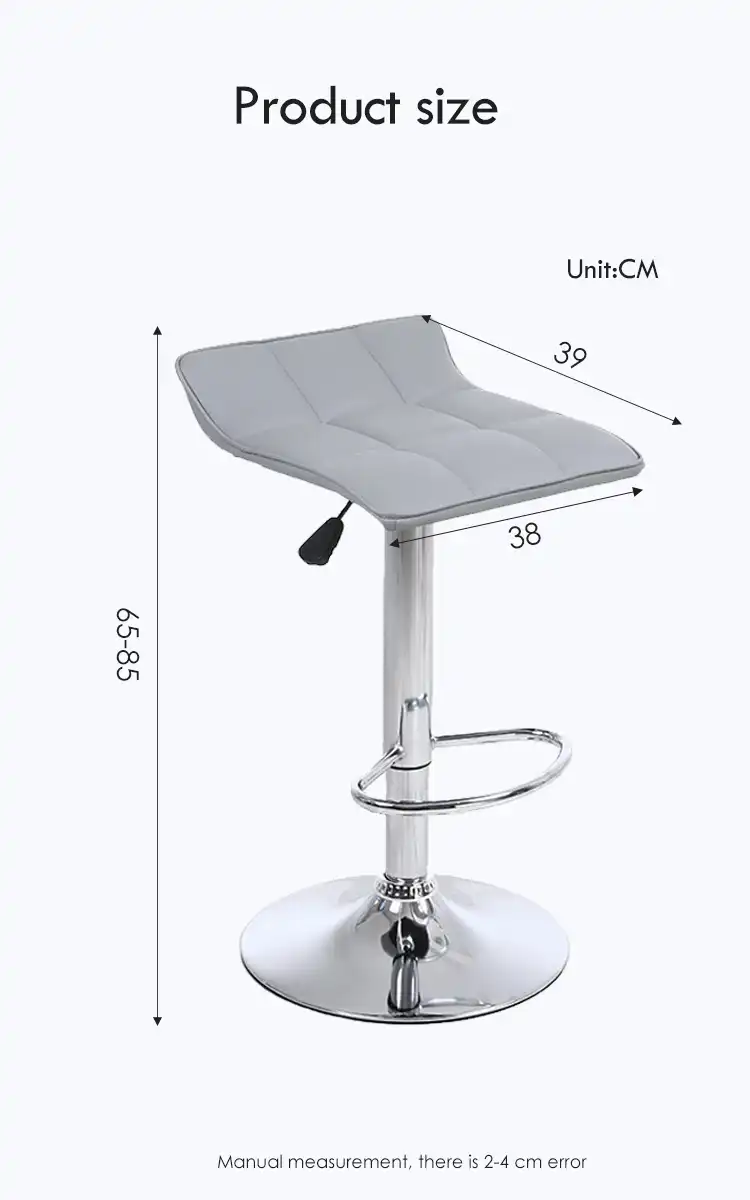
Choosing the right chair partner is important for the success of the project after the initial delivery. Anji Yibo Furniture Co., Ltd. has been making business seats for 14 years, so we know how to use materials well and make sure the supply chain works smoothly. Wholesale buyers trust us to do these things. Our backless counter stools have useful features like seats that can turn 360 degrees, high-density foam padding, easy-to-clean leather covers, and simple assembly. They are also built to last, with a 300-pound weight limit that can withstand years of heavy business use. As a provider of backless counter stools with a lot of experience, we can offer OEM and ODM customization, and our skilled R&D team can help you make goods that match your brand at the container-load level. Our 6,000-square-meter Anji plant ships all over the world with flexible shipping schedules that work with your project's schedules and packing that makes the best use of space. Email our sales team at yb@ajyibo.com to talk about your purchasing needs. We'll get back to you within 24 hours with full quotes, technical specs, and sample availability. You can look through our full catalog of business seating options for hotels, stores, and offices around the world at ajyibo.com.
References
1. Panero, Julius and Zelnik, Martin. Human Dimension and Interior Space: A Source Book of Design Reference Standards. Watson-Guptill Publications, 1979.
2. Ching, Francis D.K. Interior Design Illustrated. Third Edition. John Wiley & Sons, 2012.
3. American Society of Interior Designers. ASID Interior Design Reference Manual. Professional Publications Inc., 2018.
4. Ramsey, Charles George and Sleeper, Harold Reeve. Architectural Graphic Standards for Residential Construction. Second Edition. John Wiley & Sons, 2010.
5. DeChiara, Joseph and Callender, John Hancock. Time-Saver Standards for Interior Design and Space Planning. Second Edition. McGraw-Hill Education, 2001.
6. Pile, John F. Interior Design. Fourth Edition. Pearson, 2007.