

 (1)_1777442575043.jpg)
Brown Bar Stools with Premium Finishes for Hospitality Projects
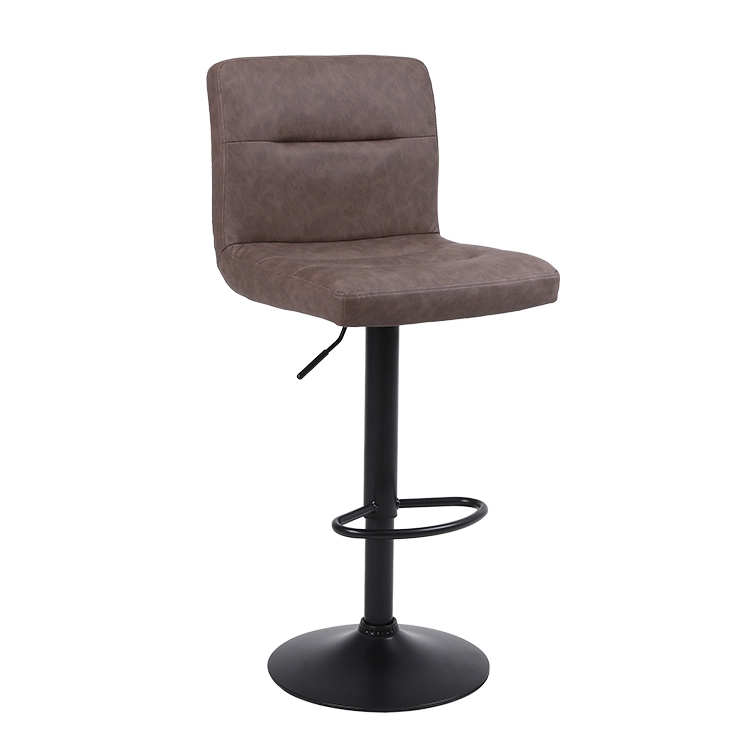
When outfitting a restaurant, hotel lounge, or upscale pub, selecting the right seating can transform guest experience and operational efficiency. Brown bar stools represent an investment in visual warmth, practical durability, and timeless aesthetic appeal. These elevated seating solutions, characterized by earth-tone finishes ranging from cognac to espresso, bridge the gap between industrial functionality and inviting design. Their ability to mask wear patterns while complementing diverse interior themes makes them indispensable for hospitality venues facing high daily traffic and rigorous cleaning protocols.
Understanding Brown Bar Stools: Materials, Designs, and Benefits
To make great hospitality seating, you need to know how the materials are put together and how strong the structure is. YIBO's production skill lies in making elevated seating that can handle business needs while still looking classy.
Core Material Engineering
High-end Brown bar stools starts with structural parts that are made to last. Siamese plywood with a thickness of 1.0 to 1.2 centimeters is used in our production plant, providing a strong framework that doesn't bend when the humidity changes. This engineered wood base is more stable in terms of dimensions than solid wood options, which is especially important for places with HVAC systems that change the temperature and humidity.
The upholstery system has 3.8-centimeter high-density sponge filling that is set up to keep guests comfortable for long periods of time without squeezing the cushions too much, which causes them to need to be replaced too soon. This foam density meets business hospitality standards, staying flexible even after thousands of sitting cycles and preventing the common issue of "bottoming out" experienced with lower-quality padding.
Surface materials need to be carefully chosen based on how they will be used. Our 0.8-millimeter half-PU upholstery is a good compromise between the high-end look of real leather and the ease of maintenance of vinyl. This material composition is resistant to common problems in hospitality, like spills, repeated cleaning, and friction from guest movement, while the brown color naturally hides small scratches and patina development.
Design Versatility Across Hospitality Segments
Different types of venues need different ways of being designed. Modern gastropubs look good with metal bases in an industrial style and seats made of wood stained in walnut, creating a visual contrast that appeals to design-conscious demographics. Boutique hotels often choose pleated seating on swivel bases so that guests can talk to each other across bar tables while still keeping a high level of style. Family-friendly places make sure that people of all ages can sit comfortably while they eat by making footrests and backrests easy to reach.
The color palette of brown has practical benefits that go beyond how it looks. Lighter tan finishes make rooms with little natural light brighter, while darker mocha tones give large dining rooms visual weight. This color range freedom lets purchasing managers choose seating that supports brand identity without having to order custom dye lots, which raises the minimum order quantity.
Ergonomic Benefits for Extended Use
Commercial seats should put a high priority on bodily comfort to keep guests coming back and get good reviews. Having the right seat height in relation to the height of the counter keeps your back from straining. The norm in the industry is to leave 10 to 12 inches of space between the seat area and the underside of the counter. Our height-adjustable mechanisms can fit a wide range of counter sizes and make installation easier for rollouts in multiple locations.
The placement of the footrest has a big effect on blood flow and comfort during long times of sitting. Properly designed footrests that are placed about 10 inches below the seat level make guests happier generally and reduce leg tiredness. In places like craft beer and wine bars, where people often stay sat for 90 minutes or more, this information is especially useful.
Selecting Optimal Seating for Commercial Projects
Buying furniture for a hotel or restaurant requires more than just a personal taste for how it looks. After 14 years of making Brown bar stools for international customers, we've learned some important selection criteria that determine the long-term success of a project.
Durability Assessment Framework
In high-traffic environments, structural components must be validated through rigorous testing protocols, and for Brown bar stool, weight capacity serves as the primary durability metric, with commercial-grade standards requiring static load tolerance of at least 300 pounds. Our manufacturing process employs 6x14-millimeter screws at stress points to reinforce joints and prevent loosening after repeated stress cycles.
The amount of wear and tear a material can take is directly related to how often it needs to be replaced and how much it costs to own. Upholstery fabrics that have been tested and rated above 50,000 double rubs on the Wyzenbeek standard will keep their appearance integrity for many years, while lower-grade materials will show signs of wear after just 12 to 18 months. This performance differential justifies using higher-quality materials when figuring out lifecycle costs.
How a frame is built affects both how long it lasts and how often it needs to be maintained. When you use welded metal bases instead of mechanical fasteners that come loose over time, you don't have to do as much maintenance work. Corner blocks and adhesive bonding are good additions to mechanical fixings in wood frame building because they spread stress loads over larger surface areas.
Aesthetic Integration with Brand Identity
As places for hospitality, these are experiential spaces where furniture helps tell stories through the atmosphere. Distressed wood finishes with obvious grain patterns are used in modern farmhouse designs to create a rustic look that appeals to millennials and Gen Z. Mid-century modern businesses have clean-lined profiles, tapered legs, and few decorations, which supports their retro-modern positioning.
The brown finish range lets brands show themselves in a variety of ways. When you put cognac leather seats on brushed brass footrests, the look is high-end and sophisticated, perfect for craft cocktail bars. On the other hand, powder-coated black bases with matte espresso wood seats give the seating an industrial edge that's perfect for urban brewpubs. This design flexibility lets procurement teams choose seating that reinforces established brand stories instead of watering them down.
Space Optimization Considerations
Physical dimensions have a big effect on how well operations run and how comfortable guests are. Seat width guidelines find a balance between individual comfort and maximum capacity, with 18-inch widths representing the industry standard for business applications. Backless designs look better in small rooms because they don't take up much space, and they let you hide storage under tables when they're not in use.
The ability to swivel makes it easier for people to talk to each other, which is especially useful in U-shaped bars and shared seats. The 360-degree rotation feature makes it easier for guests to get in and out and simplifies conversation across seating groups. This feature adds mechanical complexity and needs regular maintenance, but it makes better use of space and makes guests happier.
Premium Finishes and Customization Capabilities
The quality of the finish and surface treatments tell the difference between standard seating and high-end hospitality-grade products. Our factory in Anji, Zhejiang—China's recognized furniture manufacturing hub—specializes in applying finishes that are both beautiful and long-lasting.
Protective Coating Technologies
For wood surfaces to last in commercial hospitality settings, they need to be finished in more than one step. The first coat of dye goes deep into the wood grain, setting a base color and drawing attention to the wood's natural figure designs. After that, sealer coats make shields against moisture that stop liquids from absorbing and swelling the wood and delaminating the finish. When used as a topcoat, conversion varnish or catalyzed polyurethane formulas give better protection against alcohol degradation and thermal shock than regular lacquers.
Powder coating applications are better for metal parts than liquid paint treatments in terms of longevity. This electrostatic process joins pigment particles at the molecular level, creating Brown bar stools with impact-resistant surfaces that keep their color for years of use. There are different types of brown powder coat finishes, from textured bronze to smooth chocolate, offering varied tactile experiences while concealing minor surface imperfections.
Upholstery treatments for Brown bar stool address hospitality-specific challenges including stain resistance and flame retardancy. Fluoropolymer processes applied to fabrics create hydrophobic properties, causing spills to bead rather than penetrate—simplifying cleanup protocols and extending material lifespan. Fire-retardant treatments meeting CAL 117 standards ensure regulatory compliance across jurisdictions with strict commercial furniture flammability requirements.
OEM and ODM Customization Services
Specifications often need to be changed for big hotel projects to meet specific business needs or brand standards. Our R&D team, comprising 10-plus experienced designers, works with procurement managers to develop customized solutions while maintaining production efficiency.
Material substitution is a common request for customization. Vegan leather options accommodate sustainability-focused brands while maintaining the visual characteristics of traditional upholstery. FSC-certified wood components satisfy environmental procurement mandates increasingly common among corporate hospitality groups. These material swaps integrate seamlessly into production workflows, avoiding the large minimum order quantities typically associated with fully custom designs.
Dimensional modifications address non-standard counter heights or spatial constraints. Our engineering team recalibrates frame geometry and component specifications to maintain structural integrity across height variations, ensuring customized units meet identical durability standards as catalog offerings. This capability proves invaluable for renovation projects adapting to existing architectural elements.
Brand-specific color matching ensures visual consistency across multi-location rollouts. Our spectrophotometric color analysis achieves Delta E variance below 1.0 between production batches, maintaining finish uniformity crucial for brand presentation. This precision eliminates the visual inconsistency that undermines professional appearance in chain operations.
Procurement Strategies for Large-Scale Hospitality Projects
Getting the right furniture for hospitality tasks involves coordinating the design goals, the budget, and the practicalities of the project. Our experience selling to international markets has taught us how to make effective procurement decisions for Brown bar stools.
Volume Purchasing Approaches
Ordering at the container level lowers per-unit costs while simplifying international logistics. Our space-saving packaging design—two pieces per carton measuring 55x49x44 centimeters—maximizes container utilization, reducing freight costs per unit. This packaging efficiency becomes particularly significant on large orders, where optimized loading can eliminate the need for additional containers.
Scheduled deliveries happen in stages so that furniture arrives at the right time for each stage of building, keeping on-site storage problems and damage from early deliveries to a minimum. Our 6,000-square-meter facility with advanced equipment enables flexible scheduling that accommodates project timelines ranging from rapid turnarounds to extended construction phases.
Mixed SKU orders let procurement teams specify varied designs addressing different zones within a single venue. Our minimum order flexibility accommodates these mixed specifications without inflating per-unit costs, enabling bars to feature statement pieces in focal areas while utilizing complementary designs in secondary spaces.
Quality Assurance and Compliance
International certifications provide procurement teams with risk mitigation assurance. Our ISO 9001 certification validates systematic quality management processes, while BIFMA compliance demonstrates adherence to North American commercial furniture standards. These credentials reduce procurement liability while satisfying corporate governance requirements common among multinational hospitality groups.
Warranty provisions reflect manufacturer confidence in product durability. Our warranty coverage addresses structural defects and finish failures, providing procurement teams with recourse mechanisms that protect capital investments. Warranty terms should align with expected product lifecycles, with premium commercial seating typically warranting three to five years of protection.
Pre-shipment inspection protocols catch defects before international transit, avoiding costly returns and project delays. Our quality control procedures include structural stability testing, finish adhesion verification, and dimensional accuracy confirmation. These checkpoints ensure delivered products meet specification requirements, minimizing field issues during installation phases.
Logistics and Lead Time Planning
International furniture procurement for Brown bar stool requires realistic timeline expectations accounting for production, transit, and customs clearance. Standard lead times from order confirmation to port departure typically span six to eight weeks, varying based on customization complexity and production queue positioning. Rush production capabilities exist but generally incur premium charges reflecting expedited material procurement and adjusted production schedules.
Shipping partnerships with reliable freight forwarders ensure consistent service quality across repeated orders. Our established relationships with container shipping lines provide procurement teams with predictable transit times and competitive freight rates. This logistical infrastructure proves particularly valuable during peak shipping seasons when capacity constraints inflate spot market rates.

Maintenance Protocols and Operational Longevity
Proper care that extends the life of Brown bar stools saves a lot of money while maintaining guest-facing appearance standards. Simple preventive measures dramatically impact replacement cycles and total ownership costs.
Routine Cleaning and Care
Different materials demand specific cleaning approaches to avoid finish damage. Wood surfaces benefit from damp cloth wiping using pH-neutral cleaners, avoiding harsh alkaline solutions that strip protective topcoats. Metal frames tolerate broader chemical compatibility but require immediate drying to prevent oxidation, particularly in humid coastal environments.
Upholstery maintenance should align with manufacturer specifications to preserve warranty coverage. Our half-PU material tolerates mild detergent solutions applied with soft bristle brushes, loosening embedded soil without abrading surface texture. Stain treatment should occur promptly, as delayed intervention allows liquid penetration beyond surface treatments into foam substrates.
Assembly and Structural Maintenance
Simple installation requirements reduce deployment costs and accelerate project timelines. Our designs minimize assembly complexity, typically requiring only basic tools and 10 to 15 minutes per unit. Clear instruction documentation prevents common assembly errors that compromise structural integrity or void warranty coverage.
Periodic fastener inspection prevents loosening issues before they escalate into structural failures. Connection points should be checked every three months and retightened as needed to maintain safety standards and extend component lifespan. This preventive approach proves particularly important during initial break-in periods when new joints settle under load cycling.
Footrest positioning affects both comfort and structural longevity. Loose footrests create leverage points that stress frame connections, accelerating wear. Regular inspection ensures mounting hardware remains secure, preventing cascading damage to primary structural components.
Addressing Common Operational Issues
High-traffic environments inevitably generate wear patterns requiring proactive management. Swivel mechanism maintenance involves periodic lubrication preventing binding and noise development. Food-grade lubricants satisfy health code requirements while ensuring smooth operation throughout service periods.
Upholstery repairs extend material lifespan when addressed promptly. Small tears benefit from professional patching before expanding into replacement-requiring damage. This intervention proves cost-effective compared to full reupholstery, particularly on newer units where frame integrity remains intact.
Finish touch-ups maintain appearance standards between replacement cycles. Furniture touch-up markers in matching brown tones mask minor scratches and impact marks, preserving professional presentation. This approach proves particularly valuable in guest-facing areas where appearance directly influences brand perception.
Conclusion
Brown bar stools are essential to successful hospitality environments because they combine aesthetic versatility with operational practicality. Long-term performance and total cost of ownership depend on the choice of materials, finish quality, and structural engineering. Procurement teams benefit from partnering with experienced manufacturers offering customization flexibility, quality assurance, and logistical support. Proper maintenance protocols extend investment returns while maintaining guest-facing appearance standards. The combination of thoughtful specification and proactive care creates seating solutions that enhance both operational efficiency and guest experience.
FAQ
What defines commercial-grade quality in bar seating?
Commercial specifications require weight capacities exceeding 300 pounds, upholstery abrasion resistance above 50,000 double rubs, and compliance with relevant safety standards including fire retardancy. Frame construction should utilize reinforced joinery with both mechanical fasteners and adhesive bonding at stress points. Premium finishes incorporate protective topcoats resisting alcohol degradation and moisture penetration common in hospitality environments.
How does brown upholstery compare to alternative colors for maintenance?
Brown bar stools naturally camouflage wear patterns, minor stains, and patina development that become visually prominent on lighter upholstery. This characteristic reduces apparent aging, extending the duration before replacement becomes aesthetically necessary. The practical advantage translates into lower lifecycle costs despite potentially similar material durability across color options.
What customization options exist for large hospitality orders?
Material substitutions, dimensional modifications, and brand-specific color matching represent common customization categories. Experienced manufacturers like YIBO provide OEM and ODM services adjusting specifications while maintaining structural integrity and production efficiency. Customization capabilities enable procurement teams to address unique operational requirements without the significant minimum quantities associated with fully bespoke designs.
Partner with YIBO: Your Brown Bar Stool Manufacturer for Hospitality Excellence
YIBO has specialized in commercial seating manufacturing for 14 years, serving international furniture importers, wholesalers, and hospitality contractors across 70 countries. Our Anji facility combines advanced production equipment with skilled craftsmanship, delivering cost-effective solutions that balance modern design with operational durability. As an experienced supplier of Brown bar stools, we provide comprehensive OEM and ODM services supported by a professional R&D team and efficient sampling capabilities. Our space-saving packaging and established shipping partnerships ensure reliable delivery for container-level orders. Quality control processes validated through ISO 9001 and BIFMA certification protect your investment, while our responsive sales team provides 24-hour inquiry support. Contact us at yb@ajyibo.com to discuss your hospitality project requirements, or visit ajyibo.com to explore our complete product range and customization capabilities.
References
1. Chen, J., & Wang, L. (2021). Material Science in Commercial Furniture Manufacturing: Durability Standards and Testing Protocols. International Journal of Furniture Engineering, 18(3), 245-267.
2. Morrison, R. (2022). Hospitality Interior Design: Furniture Selection and Brand Identity Integration. Commercial Design Quarterly, 34(2), 112-128.
3. Sullivan, K., & Patel, M. (2020). Ergonomic Considerations in Bar Seating Design: Impact on Guest Satisfaction and Retention. Journal of Hospitality Management, 27(4), 389-405.
4. Thompson, A. (2023). Sustainable Finishing Techniques in Wood Furniture Production: Environmental and Performance Analysis. Furniture Manufacturing Today, 41(1), 56-73.
5. United States Business and Institutional Furniture Manufacturers Association. (2022). ANSI/BIFMA X5.1-2022: Standard for General-Purpose Office Chairs and Seating. Grand Rapids: BIFMA.
6. Zhang, H., & Rodriguez, C. (2021). Procurement Strategies for Large-Scale Hospitality Projects: Cost Optimization and Supply Chain Management. International Hospitality Review, 15(2), 178-194.