

 (1)_1777442575043.jpg)
What Features Define a High-Quality Design Bar Stool?
A high-quality design bar stool transcends basic seating by integrating advanced ergonomic principles with architectural precision. These elevated seating solutions address critical pain points in spatial planning—bridging height differentials between 90cm counter surfaces and 105cm bar tops while maintaining structural integrity under repetitive commercial use. Premium models incorporate reinforced frames, precision-engineered gas lift mechanisms rated for extended durability, and carefully calibrated seat-to-footrest spacing (typically 40- 45 cm) to prevent circulatory discomfort. Material selection matters significantly: kiln-dried hardwood with controlled moisture content prevents dimensional instability, while tubular steel with adequate wall thickness resists structural fatigue even in high-traffic hospitality environments.
Understanding High-Quality Design Bar Stools: Core Features and Materials
To tell the difference between expensive and normal seating options for business projects or large-scale purchases, you need to look at a number of factors that are all linked. Professionally made pieces have joinery details, consistent surface finishes, and parts that fit together perfectly, which all show that they were made with high-quality craftsmanship.
Structural Engineering and Load-Bearing Capacity
Premium design bar stools go thru strict static load tests that make sure they can handle forces of up to 1350N without deforming. This is a key test that meets the requirements of ANSI/BIFMA X5.1 and EN 16139. The frame's design ensures long life in harsh conditions. To keep the metal from wearing down from constant entering and leaving, tubular steel frames should have walls that are thicker than 1.5 mm. Full-penetration methods are needed for welded joints instead of spot welding because they spread stress evenly across the connection places. Wood-based designs depend on kiln-dried hardwood keeping an 8–12% moisture content. This stops yearly expansion that breaks down joints or cracks the surface in business spaces that are kept at a constant temperature.
Material Performance Characteristics
A lot of functional life can be added to metal parts with advanced surface treatments. Salt spray testing has shown that powder coatings applied at a thickness of 60 to 80 microns are more resistant to wear than liquid paint systems. Trivalent chrome plating protects against rust without the problems that hexavalent methods cause for the environment. The choice of upholstery has a direct effect on how often it needs to be cleaned and replaced. Contract-grade fabrics that have been tested and rated at more than 50,000 Martindale cycles can handle the rough wear that is common in bars and restaurants. To keep the surface's integrity after many cleaning and touching processes, leather furniture needs to be made from full-grain leather instead of corrected-grain leather.
Ergonomic Functionality and User Comfort
Ergonomic design is more than just making things look good; it also takes into account how our bodies work when we sit for long periods of time. Keeping the right distance between the seat and the footrest is very important for keeping pressure off of the popliteal artery, which can cause numbness and pain. The depth of the seat should be adjustable so that people of all shapes and sizes can sit easily without having to lean too far over or press hard behind their knees. When stools are used as breakout areas or standing-height conference rooms at work, the backrest angle and lumbar support become especially important. Precision bearings that can handle more than 100,000 turning cycles are needed for swivel devices to work smoothly and not develop play or resistance that makes users unhappy.

Evaluating Design Bar Stool Styles: Trends and Applications in B2B Settings
Modern business settings need design bar stools that support brand identity while also meeting the needs of a wide range of working situations. Style choice affects how customers feel in dining places and helps maintain workplace culture in business settings.
Design Aesthetics and Market Positioning
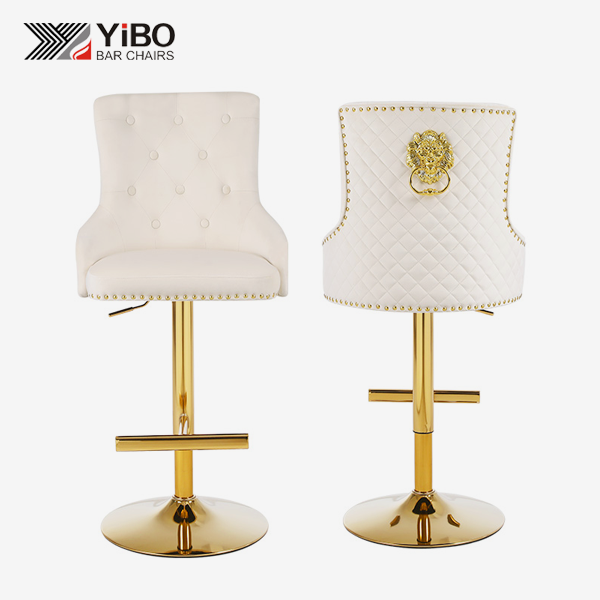
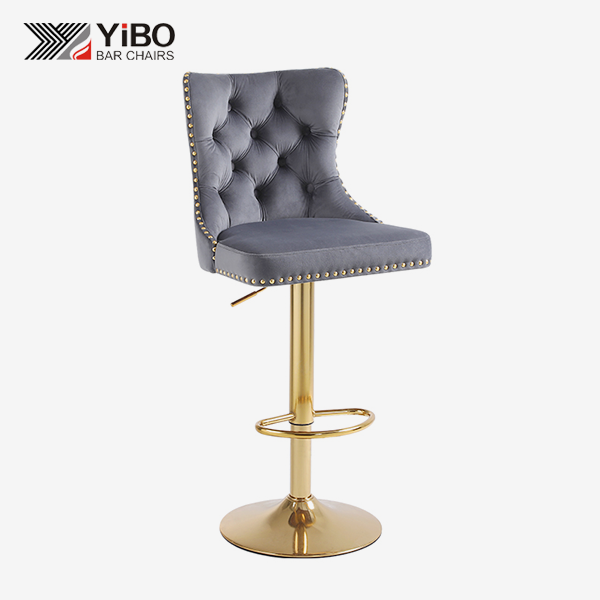
Contemporary hospitality concepts emphasizing clear sightlines align with minimalist design bar stool aesthetics featuring clean lines and monochromatic palettes. Craft beer taprooms and urban restaurant concepts favor industrial-style furniture with exposed metal frames and patinated finishes. Light luxury establishments targeting premium clientele combine high-end materials like brushed brass accents with plush seating. Each design communicates brand values through visual weight and material honesty—rustic reclaimed wood suggests authenticity and environmental consciousness, while polished chrome conveys modern sophistication.
Backrest Configurations and Use-Case Matching
The choice of backrest has a big effect on how comfortable the user is and how well the space is used. When it comes to tight layouts, backless models are the most flexible because users can come from any direction and the models look less bulky. These work well in quick-service restaurants where people only stay seated for a short time. Low-back styles support your lower back while you sit for short periods of time without blocking your view, which is useful in open-plan workspaces or casual dinner settings. High-back designs work well for long periods of time because they spread weight over a larger surface area and help keep your spine straight during meetings or meals.
Height Specifications and Counter Integration
Ergonomic problems that lower user satisfaction and seat turnover can be avoided by choosing the height carefully. Counter-height types have seat surfaces that are 60 to 65 cm high, which fits well with work surfaces that are 90 cm high, which are popular in home kitchens and casual business counters. Bar-height versions raise seats to 74–80 cm, the same height as 105 cm surfaces that are common in pubs and cocktail bars. When two items don't go together properly, they can make you hunch over or dangle your feet, which isn't comfortable and hurts your customer experience ratings.
How to Choose the Best Design Bar Stool: A Decision Support Framework?
Structured evaluation methods that balance different priorities while matching product specifications with operational needs help with procurement decisions. A methodical approach cuts down on expensive mistakes that happen when design bar stools don't meet the needs of the application.
Operational Context Assessment
Understanding specific use cases helps you decide which features to prioritize. Places with a lot of foot traffic, like hotel bars and nightclubs, need chairs with return-swivel memory features that keep things looking good when they're not being used. They also need contract-grade upholstery that doesn't get stained or worn down from constant use. Corporate workspace apps focus on sound dampening to lower noise in open offices where chairs make it easier to work while sitting down. When kitchen islands are used as main dining areas in homes, they need non-marking floor glides to protect hardwood floors and stability features like wide base diameters to keep kids from tipping them over.
Durability and Maintenance Evaluation
The initial purchase price is only part of the total cost of ownership. Other parts include the expected service life and maintenance needs. Gas lift systems are a frequent place for adjustable models to break. Class 3 or Class 4 nitrogen cylinders with strong pneumatic seals stop the cylinder from slowly falling, which is a sign of nitrogen leaking and requires a new cylinder. If you choose the right surface treatment, metal base finishes should not rust or scratch. Upholstery care needs are very different. For example, leather needs to be conditioned every so often but is easy to wipe clean. Fabrics may be better at resisting stains but trap dust that needs to be extracted by a professional cleaner.
Supplier Partnership Criteria
Long-term relationships with suppliers rely on their skills going beyond just making products. The length of the warranty shows how confident the company is in the product's durability. Full coverage that includes both structural parts and mechanical systems lowers the cost of replacement when the product fails early. Customization features let you adapt to the tastes of specific markets by switching out materials, changing sizes, and changing the way the products are packaged, which supports private label strategies. Procurement managers can keep the flow of goods going without any problems or budget overruns when they can place large orders and get regular production capacity, predictable wait times, and pricing structures at the container level.
Procurement Insights: Sourcing High-Quality Design Bar Stools Efficiently
Cost optimization and quality assurance must be balanced in strategic sourcing approaches, which require a thorough review of supplier credentials and the characteristics of the procurement channel. Good buyers use their understanding of the market to get better deals and lower common risks.
Wholesale and Bulk Order Considerations
Container-level purchasing for design bar stool unlocks significant per-unit cost savings but requires careful demand planning and inventory management. Buyers should assess manufacturing capacity through facility verification—operations with 6000+ square meters of dedicated equipment demonstrate the ability to handle repeat orders without quality degradation. Space-efficient packaging designs optimize container utilization, reducing per-unit shipping costs and significantly impacting landed cost for international procurement. Mixed container flexibility enables inclusion of diverse products in single shipments, allowing market response testing across different design bar stool styles while maintaining volume-based pricing.
Customization and Private Label Programs
Strategic production partners are different from commodity providers because they can offer OEM and ODM services. Professional research and development teams help make samples from drawings that buyers provide. This lets buyers introduce their own designs that fit the tastes of their region. Material replacements meet the needs of the local market. For example, choosing fabrics from European mills like Abner, Jaeger, Galotti, or Case pleases buyers who care about quality while keeping prices low by using efficient production methods. Different markets have different ergonomic tastes, so dimensions have to be changed to account for those. Customized packing helps with retail-ready delivery, which lowers the cost of handling for distribution partners.
Sustainability and Environmental Compliance
As the market for environmentally friendly goods grows, buyers who find certified sustainable options have an edge over other buyers. Suppliers with FSC certification for wood parts or recycled metal content meet the standards for business social responsibility that are becoming more and more a part of buying rules. UV-stabilized polyethylene and powder-coated metal are long-lasting materials that can be used outside for business purposes. They don't leave harmful chemicals behind like older materials do. Being open about chemical treatments and VOC pollution helps business projects reach LEED certification goals and keeps regulations simple in markets that care about the environment.
Maintenance and Longevity: Ensuring Long-Term Value from Your Design Bar Stools
Preventative maintenance plans greatly increase the useful life of a design bar stool, safeguarding purchases and keeping its good looks throughout its service life. Material-specific care standards stop premature wear and tear that raises the number of replacements needed and the total cost of ownership.
Material-Specific Cleaning and Care
Leather furniture needs to be conditioned regularly with pH-balanced items that keep the surface from drying out and cracking, which can cause the color to fade. Taking care of spills right away stops stains from going deeper, and blotting instead of rubbing keeps the surface from getting damaged. Regular cleaning of fabric furniture is helpful because it gets rid of embedded particles that cause rough wear over time. To keep the look of metal frames, clean them regularly with mild detergent solutions. Do not use rough cleaners that damage protective coatings. For example, wood parts with an oil finish need to be reapplied every so often, while polyurethane finishes only need to be dusted off and wiped down with a wet cloth every so often.
Preventive Maintenance and Checking of Parts
Regular inspections find problems before they become functionally useless. By checking the tightness of fasteners every three months, you can keep joints from coming loose, which speeds up wear and creates safety risks. When gas lift mechanisms slowly lose height, it means that the seals are wearing out. Replacing the cylinders before they fail during use prevents this from happening. Floor glides need to be checked and replaced every so often because the rubber compounds wear down. This keeps the floor stable and protects the surface. Lubricating swivel bearings on a regular basis keeps them moving smoothly and stops early wear that causes resistance or wobble.
Common Issue Resolution
Taking care of normal wear patterns cuts down on downtime in business settings. Loose parts generally just need to be tightened up instead of being replaced. Having the right tools on hand makes this possible quickly. Damage to upholstery from sharp objects or heavy use is most likely to happen in high-traffic areas. Professional repair services can replace foam padding and re-cover surfaces for a lot less money than buying new furniture. Finish damage on metal frames can be easily fixed with touch-up paint that matches the original covering systems. This stops corrosion from spreading from uncovered areas.
Conclusion
While choosing the best design bar stools, you need to think about both how they look and how well they work in different situations. Premium models are different because they have engineered frames that meet international load standards, precisely made adjustment systems that are rated to last for a long time, and carefully chosen materials that work best in their specific settings. Instead of just looking at unit prices, procurement professionals get the best results when they evaluate suppliers based on their production capacity, ability to customize, and service commitments. Following the right care steps will protect the value of your initial investment, increase the service life, and keep the aesthetic appeal that affects how customers see your brand and where it stands in competitive business markets.
FAQ
What distinguishes counter-height from bar-height seating?
Counter models set the seat surfaces at 60 to 65 cm, which is the right height for 90 cm countertops that are popular in kitchens and relaxed eating areas. Bar-height models raise the seats to 74–80 cm, the same height as a standard cocktail bar surface of 105 cm. Using heights that don't match up causes ergonomic strain, which forces people into uncomfortable positions that make them less satisfied and less likely to stay seated for long periods of time.
How do pedestal bases maintain stability compared to four-leg frames?
Pedestal designs use weighted internal ballast, which is usually cast iron placed inside trumpet bases, along with engineered base-diameter-to-seat-width ratios that make the center of gravity lower. This design keeps the piece from tipping over when it's being used normally. It also looks better and is easier to clean than multi-leg designs.
Can adjustable stools perform reliably in commercial environments?
When properly defined, industrial use needs can be met by high-quality adjustable design bar stools with Class 3 or Class 4 gas lift cylinders. The nitrogen-charged hydraulic systems make it easy to change the height and absorb shocks over thousands of rounds. If the seal fails and the cylinder starts to sink slowly, it's time to change it. This is an easy maintenance task that will extend the product's useful life.
Partner with YIBO for Premium Bar Stool Solutions
Since 2004, YIBO has been making high-quality design bar stools and dining chairs in Anji, Zhejiang. These products are sold to furniture importers and commercial project contractors in over 70 countries. Our more than 6,000-square-meter production facility uses both high-tech tools and skilled labor to make designs that are both comfortable and meet strict international standards. Our skilled R&D team supports full OEM and ODM programs, letting you customize materials, change sizes, and make private label packaging that fits the needs of your market. As a design bar stool supplier with a lot of experience, we promise consistent quality control, scalable production capacity, industry-leading delivery times, and full warranty coverage. You can email our experienced sales team at yb@ajyibo.com to talk about your bulk purchasing needs, ask for samples of our wide range of products, or get custom quotes that take advantage of container-level price benefits. We are excited about the chance to build long-term relationships based on trust, success, and open communication.
References
1. American National Standards Institute. (2021). ANSI/BIFMA X5.1 Standard for Office Seating and General-Purpose Seating. Business and Institutional Furniture Manufacturers Association.
2. European Committee for Standardization. (2019). EN 16139: Furniture - Strength, Durability and Safety Requirements for Non-Domestic Seating. CEN Technical Committee 207.
3. Hedge, A. (2018). Ergonomic Workplace Design for Health, Wellness, and Productivity. CRC Press, Boca Raton.
4. Knight, J. & Robertson, M. (2020). "Material Performance in Commercial Furniture Applications." Journal of Interior Design Research, 45(3), 112-129.
5. Turner, L. (2022). Contract Furnishings Specification Guide: Materials, Testing, and Sustainability Standards. Interior Design Publishers, New York.
6. Williams, S. & Chen, H. (2021). "Durability Testing Protocols for Hospitality Seating." International Journal of Hospitality Management, 94, 102-115.