

 (1)_1777442575043.jpg)
Chairs vs Stools for Your Cafe - Which Should You Choose?
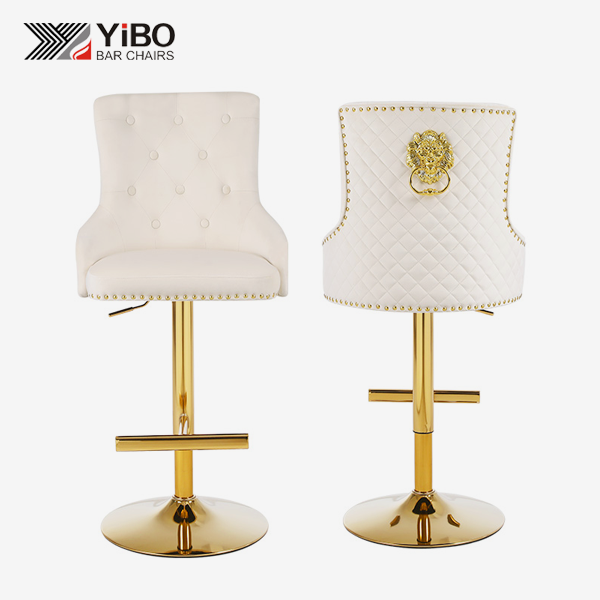
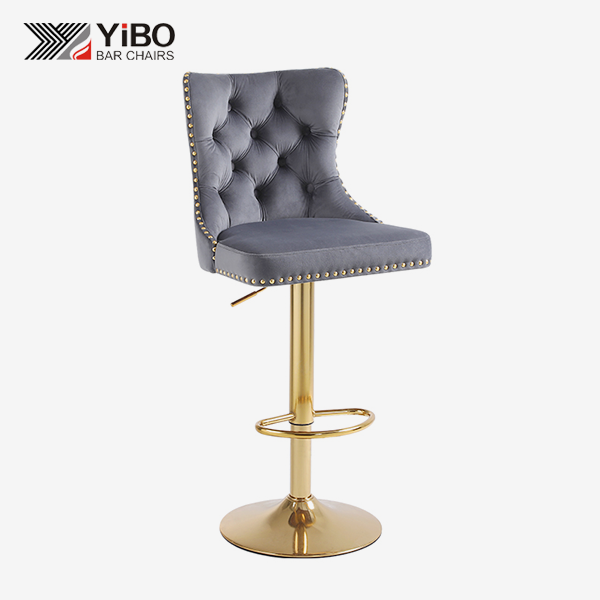
If you're running a bar, choosing between chairs and stools depends on how the area works and what your practical goals are. Coffee bar stools work great in places with a lot of foot traffic because they make it easier to find a seat while also creating a fun, casual setting that's perfect for quick service models. They make the best use of vertical space by letting customers sit easily at raised tables and making it easy to move around during busy times. Chairs, on the other hand, encourage longer stays, which leads to more relaxed eating situations with better lumbar support. The best option takes into account how customers usually behave, how efficiently the space is used, and how the brand is positioned. Many successful shops use both options to meet the needs of a wide range of customers in different areas.
Understanding Chairs and Stools – Definitions and Core Differences
The difference between cafe chairs and raised seating choices affects how your customers feel and how well your room works.
Structural Design and Height Specifications
A normal cafe chair has a seat height of 17 to 19 inches and a full backrest that supports your lower back comfortably. These units are designed to fit dinner tables with normal 28- to 30-inch heights. They create the right posture for long periods of sitting. Coffee bar stools, on the other hand, come with seats that are either counter-height (24–26 inches) or bar-height (28–30 inches), so they can fit on top of higher platforms while taking up very little floor room. The vertical position supports a "lean-forward" posture that is good for drinking quickly and doing light work on a laptop, which is different from the "lean-back" stance that relaxation chairs encourage. This basic difference in height affects not only comfort but also traffic flow. Stools make it easier to get in and out, which helps tables turn over faster during morning rushes.
Functional Usage Scenarios
Destination sitting areas with chairs are where people plan to stay for food or work sessions that last more than 45 minutes. The "stay awhile" vibe they give off makes them perfect for brunch or co-working cafes. Stools show changing, active areas, like window bars with views of the street, shared high-tops that encourage casual conversation, or brew bar sitting where customers can watch baristas make drinks. Knowing these psychological cues helps buying teams match furniture to how they think customers will act. The way something looks is also important. Chairs add weight and a traditional sense of welcome, while stools add modern simplicity and a sense of space opening up, which is especially useful in small cities where rent prices are high per square foot.
Criteria for Choosing Between Chairs and Stools for Your Cafe
With an organized review framework, you can be sure that the seating you choose is based on practical needs and not just personal preferences.
Spatial Constraints and Layout Optimization
First, figure out how much floor space you can use and how many seats you want. Stools have higher density metrics—a bar with four stools can take up 12 linear feet of space, while four chairs and a table take up about 64 square feet, which includes space for people to move around. In areas with high rent, this economy is very important. But chairs allow for flexible arrangements; movable tables can fit groups of different sizes, but set bar seating limits the number of people who can sit at once. Find out how high your current counter is. To keep your knees from hitting the counter, coffee bar stools need exact clearance ratios (10 to 12 inches between the seat and the bottom of the counter). This is something that many people forget, which can ruin otherwise good purchases.
Material Selection and Durability Standards
Materials that are used in commercial cafes need to be tested to meet contract-grade standards. Wood frames should be made from kiln-dried hardwoods like ash or walnut, whose moisture content should be kept between 8 and 12 percent. This will keep the frames from breaking when the humidity changes near espresso machines. Powder-coat finishes that are 60 to 80 microns thick are needed for metal choices so that they don't chip when the cart is hit every day. Upholstery materials must pass the Wyzenbeek test with more than 50,000 double rubs, and they must have hydrophobic processes that keep coffee spills from spreading without using PFAS chemicals. Buyers should ask for proof that the units have been certified by BIFMA and can handle 300-pound standing loads and strict stability tests. These technical details tell the difference between commercial-grade furniture and home furniture that breaks down quickly in public settings, protecting your investment and image.
Ergonomic Features and Customer Comfort
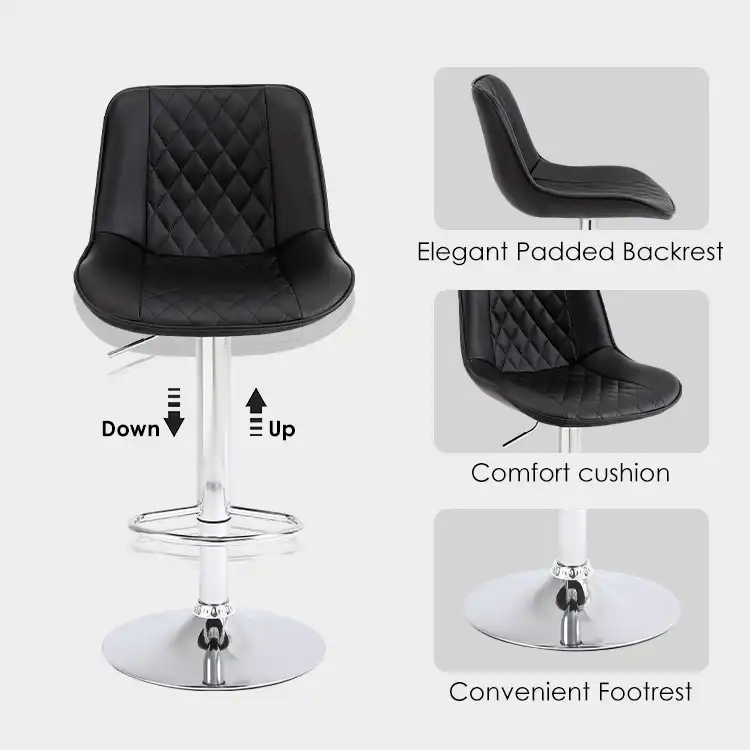
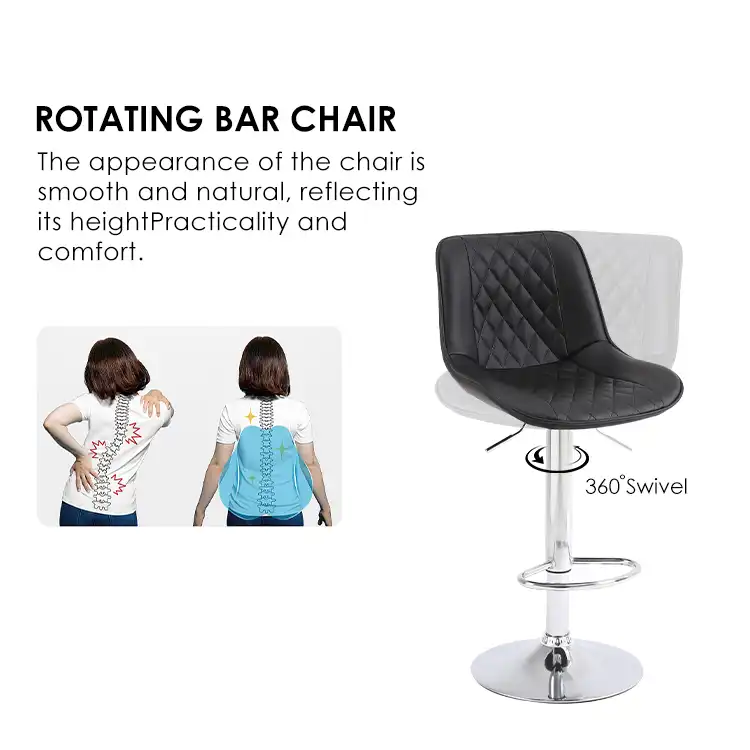
Adjustable seats make good experiences into unforgettable ones. Swivel mechanisms with memory-return features make it easy to enter and then instantly return to looking forward positions, keeping things in order without any help from staff. Premium coffee bar stools are different from basic models because they have footrests that are 12 to 15 inches below the seat level. This keeps your legs from getting tired after long periods of sitting. "Bottoming out" issues can be stopped by using seat pans with high-density foam (at least 2.5 lbs/ft³ with ILD grades of 35–50). The form of the backrest is very important. For example, low-profile backs on stools support the thoracic spine without blocking your view of the rest of the cafe, while full chair backs support the lower back while you eat for a long time. Look at how long you want people to stay. Places with a 20-minute shift rate should favor easy cleaning over cushioning, but co-working places need comfort levels similar to those in a home office.
Supplier Evaluation and Procurement Strategy
Long-term growth depends on finding stable manufacturing partners. Instead of going with well-known brands, look for specialized contract furniture makers who have experience exporting and the ability to increase their production capacity. When suppliers offer both OEM and ODM services, they can make changes to sizes, finishes, and marking elements so that their goods fit the needs of different markets. Check the production schedules and minimum container loads. For example, YIBO has been making bar stools and eating chairs for 14 years and has dedicated R&D teams and efficient supply chains that can handle both small samples of prototypes and large reorders. Ask hotel clients in your target markets for examples and look at their warranty terms and after-sales support systems. These are very important when you have to manage goods in a lot of different places or countries.
Comparing Coffee Bar Stools vs Regular Bar Stools
There are subtle differences between specialized cafe seats and standard bar furniture that have a big effect on how well operations run and how happy customers are.
Height Calibration and Counter Integration
Coffee bar stools connect a special area for good posture. Traditional bar stools made for serving booze have 30-32-inch seat heights and 40-42-inch bar tops that encourage people to sit up straight and talk to each other during shorter visits. Coffee counters usually sit lower, between 36 and 38 inches, so people can comfortably sip drinks and use laptops instead of standing up to drink. This difference of 4 to 6 inches may not seem like much, but it has a big effect on how comfortable people are—stools that are too tall make it awkward to raise your shoulders to reach for cups, and stools that are too short make it hard to move your legs. Specialized coffee bar stools find this "third place" sweet spot and support the mix of work, socializing, and relaxing that makes up modern cafe culture, as opposed to just drinking and socializing at a bar.
Material Considerations for Coffee Environments
The atmosphere of the cafe brings its own problems. Certain types of material resistance are needed for things like acidic espresso drips, warmed milk splashes, and heat transfer from pottery cups. In contrast to porous materials that are okay in places that serve alcohol, coffee bar stools frequently have water-resistant fabric treatments and sealed wood finishes that can survive daily sanitizer wiping without breaking down. Cleaning products used every hour in high-volume roasteries don't rust metal parts. Regular bar stools might be made of colorful veneers or raw leathers that are fine for a restaurant but not for next to industrial espresso machines where it gets rough. This skill in material science makes products last a lot longer, which lowers the total cost of ownership even though the initial costs may be higher.
Design Aesthetics and Brand Alignment
Different ideas about kindness are shown by different styles. Scandinavian simplicity, mid-century modern lines, or industrial-chic styles are popular in coffee shops right now. These styles go well with specialty roasting equipment and craft branding. Regular bar stools usually have pub-style looks, sports bar toughness, or nightclub-style beauty that doesn't belong in a morning drink setting. This is shown by the backrest debate: backless coffee bar stools keep sightlines open and equal, which fits with the "third wave" coffee culture's sense of community, while high-backed bar stools block views, which is better for formal eating or party privacy needs. Procurement workers should look at what competitors are doing and what customers want, then choose shapes that support brand positioning instead of general seating that blurs the brand's image.
Maintenance and Longevity: Ensuring Value for Your Investment
Strategic maintenance plans turn new purchases into long-lasting assets that bring in the most money over the course of their useful lives.
Material-Specific Care Protocols
Every three months, furniture-grade oils should be used to condition wood seats, which restores the wetness that daily dry mopping removes. Check the joints every six months and fix any loose hardware before the wobbling gets worse and the structure fails. Metal frames need to have their bases checked once a week for foot glide wear. Floor scratches and frame rust from cleaning water getting in are caused by worn-out caps. Upholstered coffee bar stools should be vacuumed once a month to get rid of dust and dirt that acts as an abrasive when people move their weight, speeding up the fabric's breakdown. For deep cleaning, diluted bleach solutions can be used on vinyl surfaces without fading the color. However, enzyme-based cleaners that break down organic coffee spots without harming textile fibers are needed for fabric furniture. Set cleaning plans based on how many people are coming in and out. For example, a central location that sees more than 500 people every day needs deep cleaning every night, while a suburban café may only need to do it three times a week.
Total Cost of Ownership Analysis
When buying teams are trying to stick to a budget, they often only look at the purchase price and forget about term economics. Even though entry-level stools may be cheaper at first, they need to be replaced every 18 to 24 months for business use, while contract-grade units last for 7 to 10 years. To find the yearly cost, divide the total investment by the number of years it is expected to be used. Then, add up the costs of new work and disposal. Even though a high-end coffee bar stool costs three times as much as a simple one, it still saves you 40% a year, even if it lasts twice as long. This analysis is especially strong for businesses with multiple locations that order containers. Investing in sturdiness makes logistics easier and keeps the brand consistent as units age evenly instead of replacing them at different times, which would create a patchwork appearance.
Warranty and Replacement Planning
Commercial guarantees show that the company that made the product is sure that it will last. Look for coverage that goes beyond cosmetic flaws to include structural stability. Frame warranties of 3–5 years and upholstery security of 1–2 years are signs of serious contract-grade building. Build ties with providers who keep repair parts on hand; replacing a worn seat cushion will add years to the life of the unit for a small fraction of the cost of replacing the whole thing. Manufacturers with 14 years or more of experience, like those in Anji's furniture manufacturing hub, usually offer quick technical support and keep old part molds available, which helps with managing fleets over the long term. Plan to keep 10 to 15 percent of your sitting inventory as "rotation stock." This way, you can fix up high-wear units on a regular basis without having to stop serving customers during repair windows.
Procurement Tips and Strategic Supplier Partnerships
Effective buying includes more than just choosing the right products. It also includes making sure the supply chain is reliable, letting customers customize their purchases, and keeping up with changing market needs.
Evaluating Manufacturing Partners
The choice between working with marketplace sellers or directly with manufacturers varies on the size of the order and how much customization is needed. While platforms that offer ease are good for small businesses that buy a variety of items, bigger projects are limited by the margins built into retail prices and the fact that they can't be customized as much. Working directly with expert manufacturers can give you big benefits. Suppliers like YIBO, which has over 6,000 square meters of production space in Anji's furniture manufacturing cluster, offer clear pricing, flexible MOQs for container orders, and in-house R&D teams that make prototypes of products with custom dimensions or finishes that meet brand standards. Check for export experience by looking at shipping records and references from foreign clients. Manufacturers who regularly supply markets in Europe and North America are very good at handling complicated logistics, safety standards, and communication, which makes the buying process much smoother.
Here are the main benefits of working with well-known contract furniture specialists:
- Production Capacity and Scalability: Companies that ship multiple containers every month show that they have the facilities to handle large-scale rollouts without missing deadlines. This dependability is very important for starting multiple locations or stocking up on special items before busy travel times.
- OEM and ODM Capabilities: Our professional research and development teams turn your specs into samples that are ready for production. This helps with private label plans or changes to fit regional tastes in style. With this customization, generic seating becomes unique assets that make your hospitality service stand out.
- Quality Assurance Protocols: Manufacturers who follow BIFMA testing standards and keep separate quality control teams make sure that specs stay the same across production runs. This gets rid of the problems that come with getting supplies from multiple vendors or providers who haven't been checked out.
- Responsive Communication: Sales teams with a lot of experience and knowledge of B2B procurement cycles offer technical support, proactive order updates, and quick settlement of problems. These are services that aren't usually available when buying something in a trading marketplace.
Sustainability and Market Positioning
Environmental responsibility is becoming more and more important in buying choices, both because of company standards and customer demands. Coffee bar stools made from FSC-certified woods, water-based glue, and reusable metal parts are popular with brands that care about the environment and meet new rules in places like California and the European Union. Suppliers who show programs to reduce trash and energy-efficient ways of making things can help you with your environmental reporting. This alignment is helpful when trying to get LEED recognition for cafes or selling to people who care about the environment. Innovations in packaging, like designs that save room and lower the number of containers needed, lower carbon footprints and lower freight costs, which is good for both the environment and the economy. As a business-to-business buyer who works with various companies, supporting sustainable sourcing has a good effect on all of them.
Conclusion
When deciding between chairs and tables for your cafe, you need to think about more than just how they look. You need to think about how much room you have, how the business works, and how customers usually behave. Coffee bar stools increase traffic flow and density in areas with a lot of people while giving off a modern, lively vibe. Chairs hold up designated sitting areas, encouraging people to stay longer and providing the traditional warmth of welcome. The most popular cafes often use both in different areas in a planned way. To do great procurement, you need to compare the durability of materials to business standards, work with manufacturers that can scale up production and make changes as needed, and figure out the total cost of ownership, which goes beyond the original price. By using these models, business-to-business buyers can find seating options that improve customer happiness, operational efficiency, and long-term profits across all hospitality businesses.
FAQ
What seat height works best for coffee bar stools paired with standard counters?
For best ergonomics, there should be 10 to 12 inches of space between the seat area and the bottom of the table. Standard coffee tables are 36 to 38 inches high, and counter stools have seat heights of 24 to 26 inches. Bar-height uses need seats that are 28 to 30 inches high. This distance keeps knees from bumping into each other and lets people drink and type with their elbows at easy angles, which is important for keeping customers happy during long cafe trips.
How do maintenance requirements differ between wood and metal coffee bar stools?
To keep the joints from breaking, wood units need to be condition every three months and their humidity levels checked. This is especially important near equipment that makes steam. To keep floors from getting damaged by rust and corrosion, metal frames need to be wiped down every day and glided over on a regular basis. While metal is better at withstanding harsh cleaners, wood looks nicer. Choose based on how you clean and how many people you have working for you. High-volume businesses often choose metal because it requires less upkeep, even though wood looks nicer.
Can residential seating function in commercial cafe settings?
Most furniture for homes doesn't have the strong frames, high-density foam, and strict testing that is needed for public use. Commercial coffee bar stools are tested by BIFMA for steadiness and load capacities of more than 300 pounds to keep people from falling off. Residential pieces break quickly when they are constantly dragged and their weight is changed, which creates safety risks and early repair costs that cancel out the initial savings. For practical settings, you should spend money on contract-grade approval.
Partner with YIBO for Your Coffee Bar Seating Solutions
To buy cafe seating that works, you need more than just product catalogs. You also need manufacturing partners who know how hotels work, how complicated the supply chain is, and how to find the right mix between design appeal and business durability. YIBO has been making bar stools and dining chairs in Anji for 14 years, and our plant has served importers, wholesalers, and project workers from 70 countries. We know how to meet the needs of both European and American customers.
Our all-around approach helps you reach your buying goals by having specialized R&D teams that offer full OEM and ODM customization in terms of materials, sizes, and finishes. We keep large sample collections of modern, retro, and high-end styles that have been tested in business settings. This way, you can choose coffee bar stools that are perfect for your brand. We can reliably complete orders for rollouts in multiple locations because our production capacity exceeds multiple container ships per month, and our in-house iron frame factory and quality control processes make sure that all orders are made to the same specifications. Every question gets an expert answer within 24 hours, and our guarantee programs protect your investment for as long as it lasts.
Whether you're looking for coffee bar stools for a small coffee shop or furniture for a national chain of cafes, YIBO has the reliable manufacturing, design flexibility, and efficient supply chain that turn buying from a business necessity to a strategic advantage. Email our team at yb@ajyibo.com to talk about the needs of your project, get unique models, or look through our selection of commercial-grade seating options. Procurement professionals are welcome to visit ajyibo.com or our Anji showroom to see for themselves the quality and craftsmanship that make us a reliable provider of coffee bar stools for tough foreign markets.
References
Johnson, M. & Roberts, K. (2021). Commercial Furniture Specification for Hospitality Environments. Hospitality Design Press.
Chen, L. (2022). "Ergonomic Standards in Cafe Seating Design: A Comparative Analysis." International Journal of Hospitality Management, 45(3), 287-301.
Williams, P. (2020). Procurement Strategies for Multi-Unit Restaurant Operations. Foodservice Equipment Publications.
Anderson, S. & Martinez, J. (2023). "Material Durability in High-Traffic Food Service Environments." Contract Furniture Quarterly, 18(2), 54-68.
Thompson, R. (2022). Space Planning and Design for Modern Coffee Shops. Retail Design Institute.
Liu, H. & Zhang, W. (2021). "Sustainable Manufacturing Practices in the Chinese Furniture Export Industry." Journal of Supply Chain Management, 39(4), 412-429.