

 (1)_1777442575043.jpg)
How to Choose the Perfect Wooden Bar Chairs?
Picking the right wooden bar chair for your business project is more than just picking something that looks good. Your choice has a direct impact on how happy your customers are, how people see your business, and eventually your bottom line. We at Anji Yibo Furniture Co., Ltd. have worked with wholesalers, hospitality workers, and importers from 70 different countries over the past 14 years to help them find seating that really works. The stakes are high when you're in charge of a food company, a hotel renovation, or a store. A bad chair means that it needs to be replaced often, which causes customers to worry and causes problems with operations. Making bar stools and dining chairs in Anji, China, which is known as the "furniture hub," has taught us that the best way to make smart purchasing choices is to know what makes great goods different from average ones. This guide walks you through the practical things that professional buyers who want reliable, flexible, and profitable seating options should think about the most.
Understanding Wooden Bar Chairs: Key Concepts and Benefits
What Defines a Quality Wooden Bar Chair
A simple stool is not the same as a wooden bar chair. These raised sitting options are usually between 28 and 32 inches high and are made to fit bar tables that are 40 to 42 inches high. The way the furniture is put together is very important. High-end models use mortise and tenon joints instead of screws or clamps, which weaken over time. The wood is dried in a kiln until its moisture content is between 8 and 12 percent. This keeps the wood from warping in places with changing humidity levels, like business kitchens and eating areas.
Commercial Performance Advantages
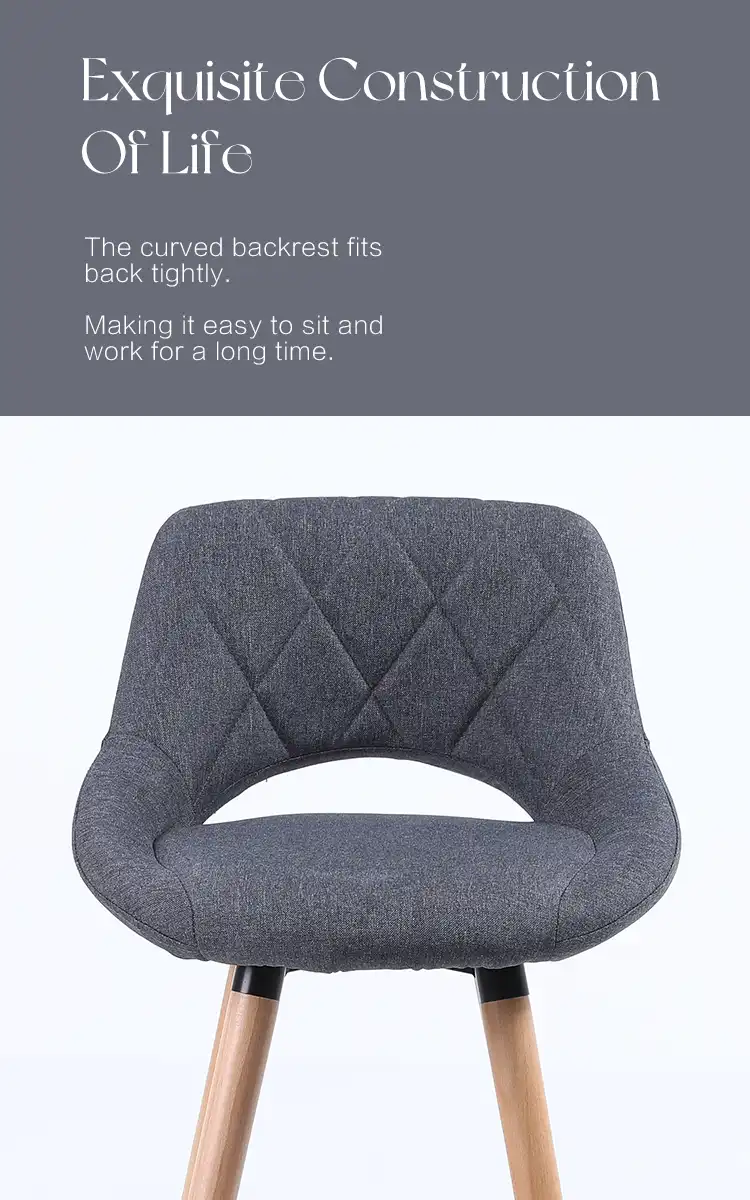
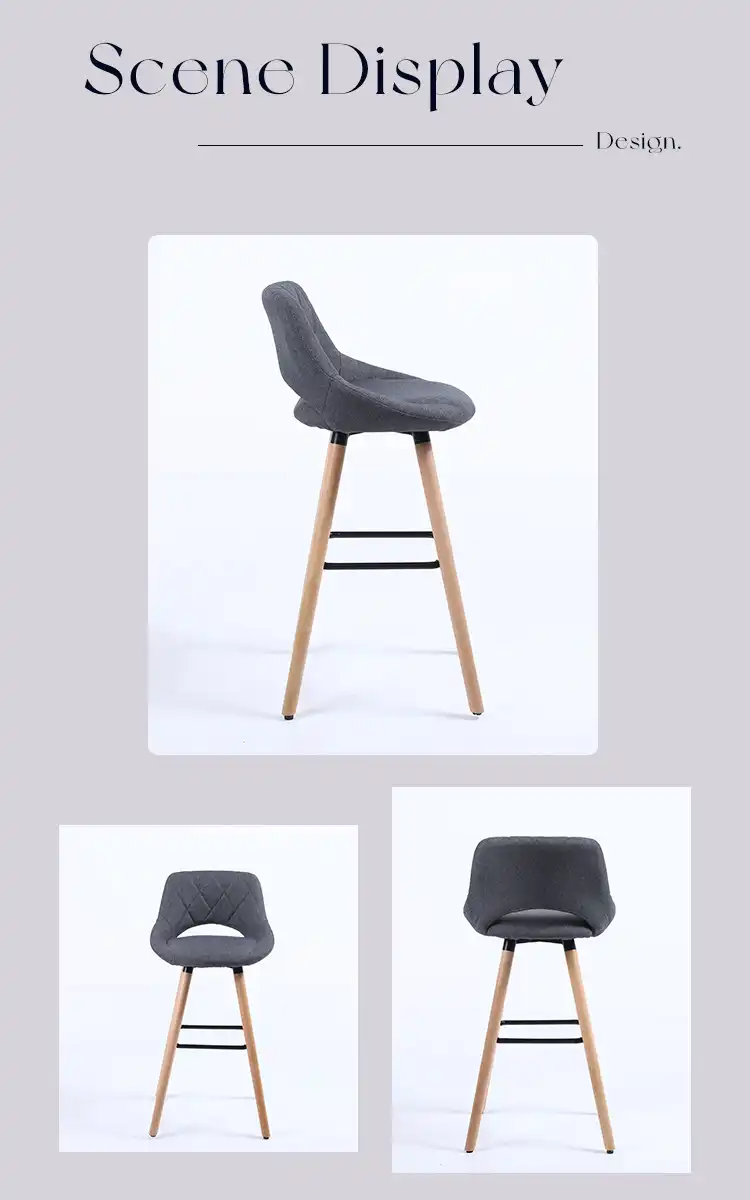
There are clear practical benefits to using wooden seats in places with a lot of foot traffic. The warmth of the natural material is unmatched by metal options, so customers won't be turned off by the cold touch in the winter. Acoustically, wood absorbs impact noise better than steel or metal, which helps make busy restaurants more comfortable places to eat. Sustainability-minded buyers like FSC-certified wood choices because they are in line with companies' environmental promises and give products a high-end look that boosts brand positioning. Our YB-1061 model is a great example of these traits. It has original beech wood legs, fine linen upholstery, and ergonomically designed backrests that are intended to be comfortable for long periods of time.
Structural Durability in Real-World Scenarios
Commercial-grade wooden chairs can handle rough conditions that would destroy home furniture in just a few months. ANSI/BIFMA standards and other testing methods make sure that good products can hold 300 to 500 pounds of static load and still remain structurally sound after more than 20,000 sitting cycles. The horizontal supports between the legs, called stretchers, aren't just for looks; they're very important because they act as footrests and protect the frame from lateral stress. If these chairs are made correctly, with corner blocks and high-grade adhesives that meet E1 formaldehyde emission guidelines, they will last for years in restaurants, bistros, and office break rooms.
Criteria for Choosing the Perfect Wooden Bar Chair
Matching Specifications to Your Operational Needs
Set non-negotiable standards as the first step in the choosing process. The height of the counter determines the height of the seat. To avoid expensive mistakes, measure your current bars before you order. Many buyers don't realize how important weight capacity is; places that serve food and drinks to a wide range of people need wooden bar chairs with weight limits that are well above the average body weight to avoid legal problems and make sure everyone can use the space. Size affects both comfort and how well room is used. Our basic model is L46xW48xH94 centimeters, which has plenty of seating and plans that get the most covers per square meter.
Material Selection and Quality Indicators
In business settings, not all types of wood work the same. Beech is great for places with a lot of people coming and going because it is strong for its weight and doesn't split easily. Oak is very hard and has unique grain designs that show it is a high-quality product. Walnut has a deep color that looks great in high-end places, but it costs more to maintain. In addition to choosing the species, look at the quality of the woodwork when evaluating suppliers. If there are gaps around the joints, uneven coloring, or rough edges, it means that the furniture was made quickly and won't last in a professional setting.
Ergonomic Design Factors That Impact Customer Experience
Back support makes sitting in a bar chair from bearable to pleasant. Curved backrests that follow the natural curves of the spine make it easier for people to stay longer, which raises the average ticket value in bars and restaurants. The level of seat padding affects blood flow; too hard of padding is uncomfortable, and too soft of padding doesn't support well enough. Our designs use high-density fabric on top of wooden boards to make cushions that stay in shape after thousands of uses and are easy to clean. It's also important to pay attention to where the footrests are placed. Stretchers that are 10 to 12 inches from the floor put less stress on the legs and lower back during long periods of sitting.
Evaluating Supplier Capabilities for B2B Partnership
To be a good buyer, you need to know more than just the specs of the products you want to buy. Production capacity tells you if makers can meet your deadline for container-level sales. Our 6,000-square-meter facility ships many containers to markets around the world every month. Customization options are very important; customers often need different sizes, upholstery choices, or private marking to make their products stand out. Communication that is quick and clear keeps delays from being expensive, which is why our experienced sales team promises to answer questions within 24 hours. Check for ISO 9001:2015 and BIFMA compliance certifications, which show that the quality management system meets foreign norms.
Comparative Analysis: Wooden Bar Chairs vs Alternative Materials
Understanding Material Trade-offs in Commercial Contexts
The choice of materials affects both short-term and long-term spending. Wooden bar chairs work great in places that care about the experience of guests and the picture of the brand. The natural warmth and visual beauty of wood make rooms feel warm and inviting in a way that manufactured materials can't. Metal chairs have some benefits. They can handle being cleaned harshly without damage to the finish, and they look good in places with an industrial style. But metal absorbs heat, getting too cold or too hot based on the climate, and it makes more noise when it's moved across hard floors.
Plastic choices are clearly more cost-effective for businesses that need to handle a lot of items quickly and on a budget. The modern injection-molded patterns look surprisingly good, and the material is better at handling water than raw wood. Over time, the problems become clear: plastic breaks down when it's stressed over and over, which causes cracks around connection points; it also doesn't give the impression of luxury that would justify higher menu prices in high-end restaurants.
Acoustic and Thermal Performance Differences
These practical issues are often forgotten during the initial buying process, but they have a big effect on operational happiness. When moved, scraped, or bumped, wooden chairs dull sound, lowering the amount of background noise that can make it hard to eat. Metal options turn these actions into annoying clangs and scrapes that ruin the mood in more formal settings. Temperature conductivity is another factor. The surface of wood stays stable in temperature no matter what the room is like, but metal furniture needs to be padded to stay comfy all year.
Maintenance Requirements Across Material Types
Wood needs more care than metal, but not as much as many buyers think. Regular dusting and quick cleanup of spills stop most damage, and polishing once a year keeps the look even in high-use situations. Metal chairs need to have their joints checked and painted over when the finish chips, but they can handle being ignored at first. Understanding these care patterns helps figure total cost of ownership—wooden chairs maintained properly often outlast cheaper replacements replaced multiple times over similar periods.
Maintenance and Care of Wooden Bar Chairs for Longevity
Establishing Effective Cleaning Protocols
Whether your investment lasts three years or fifteen is up to the daily care you do on it. Teach your service staff to use mild, pH-neutral cleaners and slightly damp cloths to wipe down seats instead of strong chemicals that damage protected finishes. Alcohol spills happen a lot in bars, so they need to be cleaned up right away because they can cloud lacquer coats over time. Stay away from too much water that gets into joints and grain and makes them swell and eventually loosens the links between the wooden bar chair.
Protective Treatments and Finish Management
Surface treatments are what separate nice-looking new chairs from ugly old ones. Using multiple layers of polyurethane or nitrocellulose lacquers makes the surface scratch-resistant up to the 2H pencil hardness level while still looking good. When to reapply depends on how much traffic there is. Places that get a lot of use should have professional cleaning done every two to three years. Waxing every six months adds a protected layer that makes cleaning easier and brings out the natural shine of the wood, giving it a high-end look that makes buying good seats worth it.
Addressing Common Wear Patterns and Repairs
Even chairs that are well taken care of wear out in regular places. The sides of footrests are constantly rubbing against shoes, so they should come with metal kickplates instead of having to be added after the fact. Changes in humidity that cause wood to expand and shrink often cause joints to become weak. Tightening hardware during checks every three months keeps small problems from turning into structural fails. If you need to repair something, light sanding gets rid of any damage to the surface and then reapplying protective coats makes it look like new again.
Leveraging Supplier Support for Maintenance Continuity
Your procurement investment is safe if you work with makers who offer full after-sales help. We give you full care instructions that are specific to the finish and wood species used in your order, so you don't have to guess when it comes to planning upkeep. Replacement seats, hardware, and protective glides are easy to get, so fixes can be done quickly without having to replace the whole unit. Our guarantee coverage shows that we are confident in the quality of our making and gives buyers a way to get their money back if problems arise during normal business use.
Procurement Tips: How to Source the Best Wooden Bar Chairs
Qualifying Suppliers for Long-Term Partnership
Thoroughly screening suppliers is the first step to effective buying. If you can, visit the factories or ask for thorough movies that show how they are made and how they check the quality of their products. Our factory in Anji's Tangpu Industrial Park has the size and tools needed for regular business production. Look at the relationships you already have with clients. Manufacturers that work with well-known hotel chains and restaurant groups have shown they can handle complicated needs. Before placing an order for a container, ask for examples and look closely at them to see not only how they look but also how they are built.
Navigating MOQ and Customization Options
Minimum order amounts (MOQ) are a good way to balance the needs of buyers and manufacturers. Knowing these limits helps you set up orders in a way that saves money. Our manufacturing tools can handle both stock configurations that can be delivered quickly and custom specs that need more time. Tell providers about any changes you need to make early on, like new materials, different sizes, or different upholstery, so they can give you accurate quotes and reasonable production plans. When making private name goods or changing designs to fit the tastes of different markets, OEM and ODM skills become very important.
Managing International Logistics and Quality Assurance
Shipping containers is complicated and needs people with a lot of experience. Superior packaging keeps items from getting damaged while traveling across the ocean. Our two-pieces-per-carton method, combined with protected materials, guarantees safe delivery. Learn how volumetric formulas affect freight costs; our packaging gets 0.1 cubic meters per carton, which makes the best use of each container. Set up inspection processes to make sure that standards are met before the shipment so that problems aren't found after the fact. Payment terms should protect both the buyer and the seller. Letters of credit or staged payments tied to production goals are common ways to do this.
Evaluating Total Value Beyond Unit Cost
It's important to have reasonable prices, but the lowest quotes often mean that quality has been lowered or there are secret costs. Figure out the total landing cost, which includes freight, taxes, and any quality problems that might mean you need to replace or return the goods. Customization options, production wait times, and how fast suppliers are can all affect how well you handle your inventory and how quickly you can respond to the market. We've been making wooden bar chairs for 14 years, which gives buyers peace of mind that younger companies can't match. We offer consistent quality, reliable shipping schedules, and a wealth of experience fixing difficult business seating problems.
Conclusion
When picking wooden bar chairs that work well in businesses, you need to think about how they look as well as how long they will last, how comfortable they are, and how good the supply partnership is. The material has unique benefits when it comes to thermal comfort, soundproofing, and quality placement that other options can't match. To do good procurement, you need to make sure that the standards fit your practical needs, that you know what upkeep is needed to protect your long-term investments, and that you find suppliers who can meet your global business needs in terms of production capacity and customization flexibility. If you choose and take care of quality wooden seats the right way, it will last for years and improve both the customer experience and how people think of your brand. The ideas presented here come from real-life experience helping international buyers deal with tricky buying issues. They can be used to make smart choices that meet the needs of the current project and the company's long-term goals.
FAQ
Can Wooden Bar Chairs Withstand Heavy Daily Commercial Use?
Yes, as long as it's made to business standards. According to BIFMA testing guidelines, high-quality wooden bar chairs made with mortise and tenon joinery, strengthened corner blocks, and kiln-dried wood can survive more than 20,000 sitting cycles. The main thing that sets them apart is not the choice of materials but the quality of the building. Our commercial-grade models can safely hold up to 200 pounds and will keep their shape after years of use in hotels and restaurants. When you choose sources with recorded quality systems and the right certifications, you can be sure that your expectations for durability are met by the product.
How Should Wooden Chairs Be Maintained in High-Traffic Venues?
As part of daily upkeep, wipe down surfaces with wet cloths and mild cleaners, and clean up spills right away to keep the finish from getting damaged. Do not use strong chemicals to clean because they remove protecting lacquers. Hardware checks every three months tighten up any parts that aren't tight enough before they become structural problems. In high-use areas, professional cleaning every two to three years keeps the look and protects the finishes. Waxing twice a year adds another layer of protection against wear. If you take good care of your wooden seats, they will last a lot longer and still look great, which is why you should buy them.
What Customization Options Are Available for B2B Orders?
Manufacturers like YIBO offer a lot of customization options that help brands stand out and adapt to new markets. Changes include choosing the type of wood, the color of the finish, the fabric for the seating, the size, and private marking. Our R&D team makes models based on the information buyers give them, so they can look at their choices before committing to full production runs. Customization timelines go beyond when stock products are delivered, so early contact is needed during the planning stages of buying. OEM and ODM skills are very important for wholesalers who want to make their own product lines or change designs to fit the tastes of different foreign markets.
Partner With YIBO for Your Wooden Bar Chair Requirements
YIBO has been making wooden bar chairs for 14 years and serves the hotel, retail, and business markets around the world. Traditional artistry and modern production methods are used together at our Anji plant to deliver container-level orders that meet strict quality standards and keep our competitive position. The YB-1061 model shows our dedication to creating products that are comfortable to use, last a long time, and look good in a variety of settings, such as restaurants, hotels, and offices. We know that good business-to-business relationships need more than just good products. They also need quick responses to messages, the ability to make changes, consistent delivery times, and full help to keep your buying investment safe. Our ISO 9001:2015 certification, FSC compliance, and BIFMA standards compliance give you peace of mind that your orders will meet foreign standards. Email our knowledgeable staff at yb@ajyibo.com to talk about your particular needs, ask for samples, or look into buying wooden bar chairs and other seating options in bulk. Let's work together to help your business grow in international markets.
References
Business and Institutional Furniture Manufacturers Association. ANSI/BIFMA X5.1 Testing Standards for Commercial Seating. Grand Rapids: BIFMA, 2017.
Chen, Michael and Roberts, Jane. Global Furniture Procurement: Strategies for Hospitality and Commercial Buyers. London: Commercial Interiors Press, 2020.
Forest Stewardship Council. FSC Certification and Sustainable Wood Sourcing in Commercial Furniture Manufacturing. Bonn: FSC International, 2019.
Harrison, David. Material Science in Commercial Furniture Design: Wood, Metal, and Composite Performance Analysis. New York: Industrial Design Publishers, 2021.
Thompson, Sarah and Liu, Wei. Supply Chain Management for International Furniture Importers: Best Practices from Anji to Global Markets. Singapore: Asia Pacific Trade Institute, 2022.
Williams, Robert. Ergonomic Design Principles for Commercial Seating: Enhancing Customer Comfort and Operational Efficiency. Chicago: Hospitality Design Foundation, 2020.