

 (1)_1777442575043.jpg)
Coffee Bar Stools Built for Cafes with Durable Materials
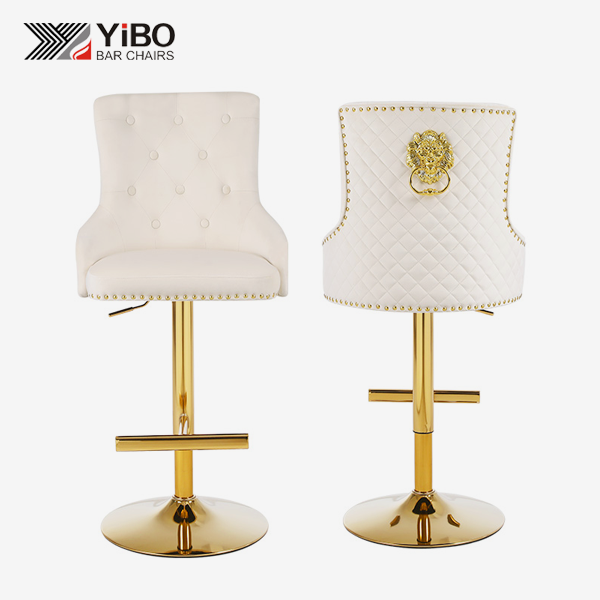
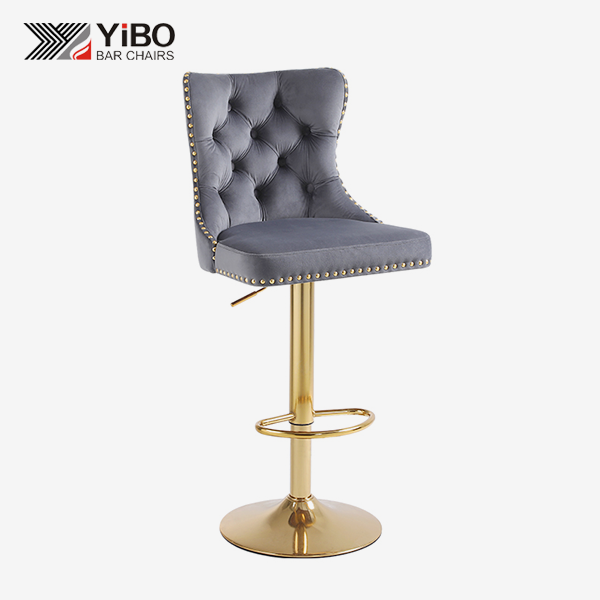
Coffee bar stools represent specialized elevated seating engineered for the demanding landscape of commercial café environments and specialty coffee venues. Unlike standard bar seating, these units are calibrated to address space optimization, ergonomic needs for beverage consumption and laptop work, and material durability against acidic liquids, dairy fats, and heat transfer. They typically function at counter-height (24-26 inches) for brew bars or bar-height (28-30 inches) for window seating, serving as critical infrastructure that balances operational flow with customer experience strategies.
Understanding Coffee Bar Stools for Cafes
Coffee bar stools are a unique type of contract furniture. They are different from standard tavern-style bar chairs and seats for kitchens in homes because they are designed with these "third place" businesses in mind. As people's coffee-drinking habits change from quick grab-and-go purchases to longer work sessions and social gatherings, these commercial-grade seating options have had to adapt.
Fixed Versus Swivel Configurations
Fixed coffee bar stools keep the seat in place, which makes them more stable and reduces the number of places where they can break down in high-traffic areas. This design cuts down on maintenance needs and increases service life, making it perfect for specialty coffee shops that want to get rid of customers quickly. On the other hand, swivel models have rotating features that make them easier to use and encourage social contact, which is especially helpful in co-working cafés. Memory-return swivel systems are now popular among business buyers. These systems automatically return seats to a forward-facing position when they are not in use. This saves staff time and keeps the floor plan looking uniform, which is a small but important factor in how people perceive a brand.
Backrest and Padding Considerations
Having backrests or not having them completely changes how well ergonomics work and how well space is used. Backless designs make the space under the bar bigger and support shorter dwell times, which fits with plans for high-volume operations. On the other hand, low-back or full-back options offer the lumbar support that you need for long periods of sitting while working from home, but they take up more floor space. Similar reasoning goes into choosing padding: seats that aren't padded and are made of solid wood or molded composites are easier to clean and won't wear down over time, while upholstered models are more comfortable but need textiles that meet Contract Grade standards, usually more than 50,000 Double Rubs (Wyzenbeek) or 30,000 cycles (Martindale) to be able to handle commercial abuse.
Adjustable Height Innovations
Adjustable height mechanisms add operating freedom by letting single stool designs fit a range of counter heights in a setting, from coffee shops to shared workstations. Gas lift cylinders or threaded adjustment systems let you change the height anywhere from 24 to 30 inches, so it can fit a wide range of body types and tastes. But compared to fixed models, these systems require more upkeep and have more places where they could break. Professionals in procurement need to decide if the versatility is worth the extra cost and ongoing service needs in their specific operational setting.

Key Criteria for Choosing Durable Coffee Bar Stools for Cafes
To choose the right café seats for a business setting, you need to carefully look at a lot of different technical and practical factors. In addition to how something looks, the decision framework takes into account how well it is built, how much it will cost to maintain, and how well it fits with the needs of the business model.
Material Selection and Performance Characteristics
Wood remains a popular choice for cafés seeking warmth and authenticity, and coffee bar stools crafted from kiln-dried hardwoods like Ash or Walnut maintain dimensional stability when moisture content is kept between 8–12%, preventing warping in espresso bars where temperature and steam fluctuate constantly. Wood frames offer timeless aesthetics but require quarterly maintenance including joint inspection and polishing. Metal alternatives, particularly tubular steel with powder-coated finishes achieving 60–80 micron thickness, resist chipping and simplify cleaning—daily wiping removes coffee residue and dairy fats, while periodic foot glide checks prevent floor scratches and rust spots from mopping. Composite and eco-friendly materials are increasingly entering the commercial seating market, offering moisture resistance and reduced environmental impact, though procurement managers should verify long-term performance data before committing to container-level orders.
Structural Integrity and Safety Standards
To limit the risk of liability, quality control procedures for commercial café seating are based on strict international standards. Static load testing according to ANSI/BIFMA X5.1 standards shows that units can handle 300 pounds (136 kg) of weight on the seats, and structural failure testing usually goes up to 800 pounds. This makes sure that people of all shapes and sizes are safe and protects the place owners from possible harm claims. When testing for stability and tipping, horizontal forces are applied to the backrests. This makes sure that elevated stools stay balanced even when customers change their weight or lean backward, which is very important because bar-height sitting has a higher center of gravity.
In footrest fatigue testing, parts are subjected to vertical downward forces (about 200 pounds) that are repeated over more than 50,000 times, which is like walking over and over for years. This shows any possible cracks in the welds or joints, which are common ways for cheap goods to break. When buying from international companies, procurement specialists should ask for proof that the products they're considering meet these standards. This is because testing methods have a direct effect on the total cost of ownership by lowering the number of guarantee claims and replacements that need to be done too soon.
Ergonomic Standards for Commercial Settings
The right size relationships between the height of the seat and the surface of the counter have a big effect on both customer happiness and the speed of operations. Industry standards say that there should be 10 to 12 inches (25 to 30 cm) of space between the seat pan and the edge of the counter. This keeps knees from bumping into each other and lets you use your laptop or drink something while keeping your elbows at the right angle. This distance allows for the forward-leaning position that is common in coffee shops, which is different from the reclining position that is common in bars that serve alcohol. High-density polyurethane foam seat pans (minimum 2.5 lbs/ft³ density) with Indentation Load Deflection (ILD) ratings of 35–50 keep seats from "bottoming out" during long sessions, which is important for places that want to be known as places where people can work from home.
Comparison of Coffee Bar Stool Types for Cafe Procurement
Knowing the pros and cons of the different stool configurations helps procurement professionals make purchases that are in line with operational priorities and the types of customers they want to attract. Each design approach makes different choices about how to balance durability, upkeep, comfort, and space efficiency.
Wood Versus Metal Frame Analysis
Wooden café stools give off an air of artisanal genuineness and natural warmth that fits with the craft-focused brand messaging of specialty coffee. They go well with recycled wood countertops and old tile floors that are popular in urban spaces that have been fixed up. But wood needs regular care to keep its good looks and structural stability, especially in places where the steam from an espresso machine changes the humidity. Metal frames made of tube steel are stronger and less likely to break when they are moved and dragged around every day. Their powder-coated surfaces don't get permanently stained by acidic coffee spills or dairy fats, and easier cleaning instructions cut down on the cost of work. The choice comes down to how the brand is positioned. Places that value craft heritage and tactile richness tend to choose wood, while businesses that value efficiency and low maintenance costs tend to choose metal alternatives.
Swivel Functionality Trade-offs
Swivel mechanisms offer convenience by allowing users to enter and exit seats without lifting and rotating stools, and coffee bar stools with this feature reduce furniture movement noise in quiet environments—particularly beneficial in co-working cafés where long periods of quiet support productivity. Memory-return features automatically reposition seats forward when unoccupied, maintaining visual order without staff intervention. However, swivel joints introduce mechanical complexity requiring periodic lubrication and bearing replacement when wear occurs. Fixed stools eliminate these maintenance requirements while offering greater stability and lower production costs—important considerations when purchasing large quantities for multi-location rollouts.
Padded Versus Non-Padded Seating
Upholstered coffee bar stools make places more comfortable, which is important for places that want customers to stay longer, especially those that are becoming known as places to work from home or have social events. Premium textiles that meet Contract Grade standards don't wear down easily and feel luxurious, which makes them seem more valuable. But leather is hard to clean because it soaks up spills even when it's treated to protect them. Alternatives without padding made from molded wood, formed steel, or composite materials make cleaning easier by reducing it to simple wiping tasks. This speeds up table turnover during busy times. They don't stain easily and don't have to worry about cloth damage from being exposed to chemical sanitizers hourly in high-volume specialty roasteries.
Care, Maintenance, and Longevity of Coffee Bar Stools in Cafes
To get the most out of your investment in business café seats, you need to set up preventative maintenance plans that are specific to the material and the amount of use. Systematic care increases the useful life, keeps the look good, and lowers the total cost of ownership by delaying replacement cycles.
Material-Specific Maintenance Protocols
Applying furniture polish or natural oils to wooden stools every three months can restore moisture and keep the surface from cracking. This is especially important in climate-controlled spaces where HVAC systems create low humidity. Checking the links between joints can find ones that are becoming loose before the structure fails, so wood glue or bolt tightening can be used right away to fix the problem. Metal frames need to be cleaned every day with the right cleaners, which get rid of coffee oils and dairy residue without hurting powder-coat finishes. By checking foot glides on a regular basis, you can find wear patterns early on and stop metal from touching the floor directly, which can scratch surfaces and cause rust where water builds up. When spills happen on upholstered parts, they need to be cleaned right away by blotting (not rubbing) the liquids away before they get into the fabric backing. If you want to deep clean solution-dyed acrylics or high-grade vinyl furniture on a regular basis, you can use diluted bleach solutions to kill germs without losing the color.
Preventive Strategies Reducing Downtime
Adding protective coats to materials makes them last longer against certain agents that are common in coffee service settings. Water-resistant sealers put on wood surfaces keep hot liquids from spilling, and clear protective films on metal footrests keep shoes from wearing down the metal. Setting up rotation schedules spreads out wear patterns evenly across inventory, keeping high-traffic areas near entrances or popular window seats from wearing out too quickly. Keeping extra parts like foot glides, swivel mechanisms, and new pillows on hand lets you fix units quickly, so broken ones don't have to be put away until the maker can get them in. These tactics lower both the direct costs of repair and the disruptions to operations that happen during busy times for sales.
Sourcing and Buying Durable Coffee Bar Stools for Cafes
When looking for trusted providers that can provide commercial-grade seating options, you need to look at more than just the unit price. Buyers who work with the hotel industry need to look at how well the products can be made, how easily they can be customized, how well they can handle transportation, and how well they can help customers after the sale.
Bulk Purchasing Advantages and Customization
Importers, wholesalers, and owners with multiple locations can get big savings of scale when they order by the container. By committing to a certain amount of goods, you can get better terms and lower shipping costs per unit by making better use of your containers. In addition to lower prices, bulk relationships make it easier to make changes that fit private label strategies and the tastes of local markets. OEM and ODM capabilities let you change specifications for things like sizes, finishes, upholstery materials, and branding. Procurement managers can ask for changes to be made to the height of the seats, the placement of the footrests, or the finishes on the frames that make the products stand out in competitive markets. Customization can also be done thru packaging efficiency. For example, space-efficient box designs can lower freight costs and warehouse storage needs, which is an important thing to think about when moving large pieces of furniture.
Supply Chain Reliability and Communication
When buying from Chinese manufacturers, you need to pay attention to their selling experience and the way they set up their contact systems. Suppliers that have been in business for a while and have experience serving both North American and European markets know how to handle container consolidation, customs paperwork, and shipping coordination, all of which are necessary for on-time delivery. When sales teams can answer technical questions within 24 hours, they can avoid delays that cost a lot of money during the specification and sampling phases. Clear information about production capacity lets people set realistic lead times, especially during busy manufacturing times when plant lines get longer. Quality control procedures like pre-shipment checks, photographic paperwork, and testing certifications make sure that goods are correct before they leave their starting ports. This lowers the risk of expensive quality issues that are found when the goods arrive at their destination.

Conclusion
Coffee bar stools designed for use in business cafés are a special kind of equipment that has to balance looks with high performance standards. Choosing between wood, metal, and composites as a material affects the cost of upkeep and the placement of the brand. Configuration choices about swivel mechanisms, padding, and backrests are made based on operating models and customer stay time strategies. Instead of just looking at the initial purchase price, people who work in procurement need to look at structural integrity certifications, ergonomic requirements, and the total cost of ownership. Finding experienced makers that offer OEM/ODM services, clear communication, and a history of exporting ensures the supply chain stability needed for rollouts in multiple locations and long-term business growth in competitive hospitality markets.
FAQ
What seat height works best for different counter types?
For counter-height café bars (34 to 36 inches), seats should be 24 to 26 inches high. For bar-height setups (40 to 42 inches), seats should be 28 to 30 inches high. Leaving 10 to 12 inches of space between the edge of the seat and the edge of the bar keeps knees from slamming into each other and lets you comfortably place your arms for drinking and using a laptop.
Should I choose wood or metal frames for my café?
Metal frames last longer, are easier to clean (just wipe them down every day), and don't break easily when they're moved around a lot. Wood is beautiful, warm, and authentic, but it needs to be maintained every three months and the humidity needs to be controlled. Operations that focus on efficiency choose metal, while venues that focus on brand identity and artisanal character choose wood.
Are adjustable height stools worth the investment?
Adjustable models are useful for venues with mixed-height seating areas because they can be adjusted to fit different counter heights and customer preferences. But compared to set options, systems require more upkeep and could break down at certain points. Think about whether the need for more costs and services to be able to do different things justifies the need for operational versatility in your situation.
Partner with YIBO—Your Trusted Coffee Bar Stools Manufacturer
YIBO has been manufacturing commercial-grade seating for international markets for 14 years, operating from Anji, Zhejiang—recognized as China's chair manufacturing hub. Our product line encompasses diverse café seating requirements, from backless counter stools for high-traffic coffee shops to ergonomically designed swivel models for co-working spaces, and coffee bar stools are a central category within this portfolio. We provide full OEM and ODM customization for materials, dimensions, styles, and upholstery, enabling private labels to differentiate and adapt to local markets. Our R&D team collaborates with procurement managers to develop solutions meeting specific operational needs, while our quality control protocols ensure compliance with ANSI/BIFMA standards essential for commercial applications. With container-level production capacity, space-efficient packaging, and responsive 24-hour communication, we deliver the supply chain stability required for multi-location rollouts.You can email our team at yb@ajyibo.com or visit ajyibo.com to talk about your café seating needs and get samples that show how committed we are to quality, comfort, and longevity.
References
1. American National Standards Institute (ANSI). "ANSI/BIFMA X5.1: General-Purpose Office Chairs—Tests." Business and Institutional Furniture Manufacturers Association, 2017.
2. Thompson, Marcus. "Material Science in Commercial Furniture: Durability Standards for High-Traffic Hospitality Environments." Journal of Contract Furnishings, vol. 12, no. 3, 2021, pp. 45-62.
3. Peterson, Laura K. "Ergonomic Design Principles for Food Service Seating: Optimizing Customer Comfort in Café and Restaurant Settings." International Journal of Hospitality Management, vol. 28, no. 2, 2020, pp. 134-148.
4. Zhang, Wei and Sarah Mitchell. "Supply Chain Management for Furniture Importers: Quality Control and Logistics Strategies in China-US Trade." Global Procurement Quarterly, vol. 15, no. 1, 2022, pp. 78-95.
5. Rodriguez, Carlos. "The Third Place Revolution: How Café Design Influences Customer Behavior and Dwell Time Economics." Hospitality Design Research, vol. 9, no. 4, 2021, pp. 201-219.
6. Furniture Industry Research Association. "Commercial Seating Lifecycle Analysis: Maintenance Protocols and Total Cost of Ownership in Contract Markets." FIRA Technical Report, 2023, pp. 1-87.