

 (1)_1777442575043.jpg)
How Does a Design Bar Stool Improve Modern Commercial Spaces?
A design bar stool transforms modern commercial spaces by strategically combining spatial efficiency with sophisticated aesthetics while delivering measurable ergonomic benefits. These elevated seating solutions optimize vertical space utilization in high-traffic environments, reduce visual clutter through thoughtful proportions, and reinforce brand identity through customizable materials and finishes. Beyond mere functionality, they create comfortable perching zones that encourage customer engagement in hospitality venues, facilitate collaborative workflows in corporate breakout areas, and enhance product interaction zones in retail settings—directly impacting revenue generation and operational efficiency for commercial establishments.
Introduction
Modern business settings need furniture that can do more than one thing at once. It has never been more important for businesses to pay attention to how their spaces look and how well they run, especially in areas where how customers feel directly affects how much money they make. Bar-height seating has changed from simple pieces of furniture that were only used for its practical purpose to complex pieces of design that affect how people use public places.
To choose the right elevated seating, you need to know how the properties of the material, the standards for size, and ergonomics all work together to solve operational problems. Hospitality sites are always getting worn down because so many people use them. For corporate settings to be flexible, workspace arrangements need to be able to change over time. In stores, the furniture needs to be able to keep customers interested for longer periods of time without taking up too much floor room. These different needs make it harder for B2B buyers to make decisions about what to buy when they are handling large orders and long-term ties with suppliers.
The technical details, possible uses, and buying options that matter most to international furniture importers, wholesalers, distributors, and commercial project contractors are all covered in this in-depth study. We look at how elevated seating options affect brand positioning, operational efficiency, and customer happiness across a number of business sectors. Our research gives you useful information you can use to make smart buying choices.
Understanding Design Bar Stools in Commercial Spaces
Defining Design Bar Stools for Professional Applications
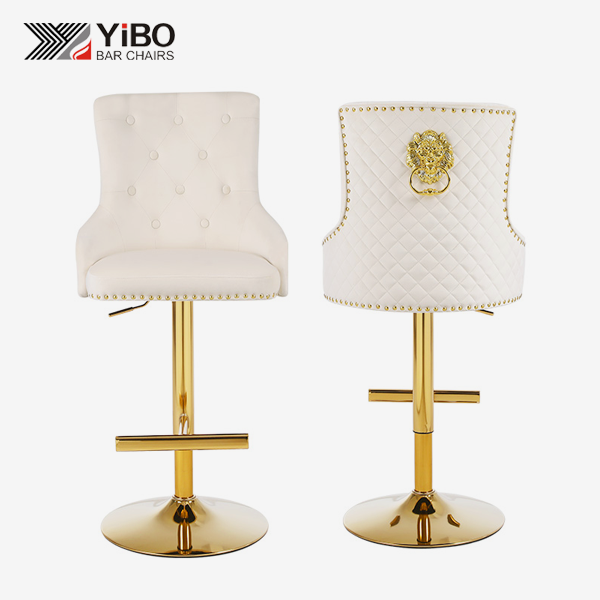
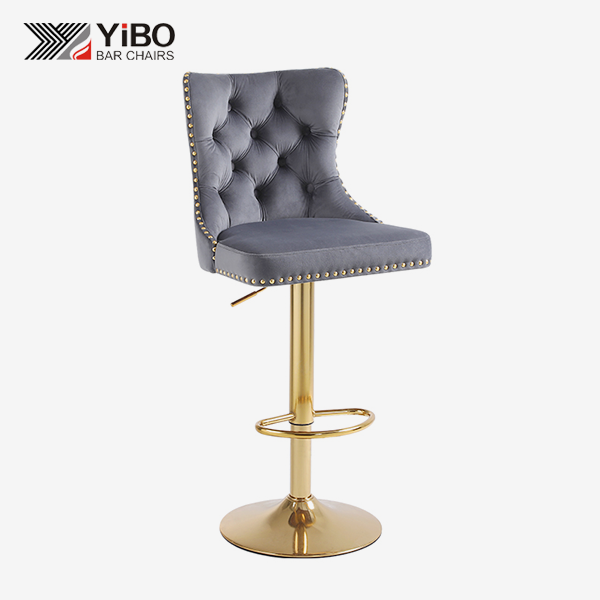
A design bar stool is a high-tech piece of furniture that combines advanced ergonomics with architectural style. It is an important focal point in both home and business interior schemes. These specialized chairs, unlike regular utility sitting, solve specific problems in the industry related to finding your way around and seeing where your weight is distributed in open-plan spaces. They connect surfaces with different heights, like 90 cm table tops and 105 cm bar tops, and have structural supports to handle high-frequency entry and exit. These stools are both useful and beautiful works of art. They are made from strong materials like molded plywood, reinforced polypropylene, or hand-welded steel, which makes them long-lasting without getting in the way of modern interior design stories.
Material Properties and Technical Specifications
High-quality elevated seating has specific technical properties that are set by strict material and size requirements. The body is usually made of kiln-dried softwood that has a moisture content of 8–12% to keep its shape, or tubular steel with walls thicker than 1.5mm to keep the structure from wearing out. For types that can be adjusted, the most important thing is a Class 3 or Class 4 nitrogen gas lift cylinder, which makes sure that the height changes smoothly and that the cylinder can absorb impacts over and over again.
Chemically, metal parts get special treatments on the outside, like trivalent chrome plating or powder coating applied at 60–80 microns, to make them very resistant to corrosion and wear. This is shown by Salt Spray Tests. For ergonomic reasons, these stools need to keep the right distance between the seat and the footrest (usually 40 to 45 cm) to keep the popliteal artery from putting too much pressure on it. This keeps you comfortable during long times of sitting, which are popular in restaurants and joint workspaces.
Dimensional Standards and Commercial Compatibility
Standardized dimensions ensure compatibility with commercial furniture standards, and design bar stool offerings include counter models with seat heights of 60–65 cm for 90 cm surfaces, and bar models with seat heights of 74–80 cm for 105 cm bar tops. Mismatched height pairings place excessive strain on patrons and create discomfort. For procurement professionals managing multi-venue installations, precise specifications are essential. Footrest positioning, seat width, and chair contours are calibrated to accommodate diverse user body types while maintaining visual consistency across commercial settings.

How Design Bar Stools Solve Common Commercial Space Challenges?
Spatial Optimization in High-Density Environments
The vertical space utilization that these design bar stools provide is very helpful for commercial venues that are limited in square footage. Because they take up less space than regular table chairs, they allow hospitality businesses to add 20 to 30 percent more seats. The elevated sight lines create a sense of space, even in tight spaces, which can keep customers from feeling crowded and preventing them from staying or coming back.
In areas with a lot of foot traffic, pedestal base designs are especially useful. The trumpet base has weighted internal support, which is usually cast iron. It also has a certain base-diameter-to-seat-width ratio that lowers the center of gravity and stops it from tipping over. This stability system gets rid of the tripping dangers that come with four-leg frames and makes cleaning the floors easier, which is useful for hospitality managers who are in charge of daily maintenance.
Brand Identity Reinforcement Through Customization
In addition to being useful, raised seats show how a brand wants to be perceived. Choosing the right materials can send different messages about what you value. For example, reclaimed wood frames show that you care about the environment and want handmade quality, while polished chrome and leather seating show that you value modern luxury. The visual language created by the furniture choices affects how customers subconsciously think about the business, impacting everything from how much they value it to how long they stay.
For B2B buyers who serve a wide range of market groups, the ability to customize becomes essential. Through OEM and ODM partnerships, sizes, fabric choices, and finish applications can be changed to fit the style preferences of different regions. In Europe, people may like simple Scandinavian styles, while in North America, hospitality places often ask for a mix of industrial and retro styles. This flexibility lets distributors and project contractors keep working with the same suppliers while taking care of a wide range of clients.
Ergonomic Innovation and User Comfort
Improvements to ergonomics have a direct effect on both how happy customers are and how productive employees are. When you sit for long periods of time, contoured seat profiles spread your weight out evenly, which relieves pressure points. Adding lumbar support to chair designs stops people from slouching forward, which happens with flat-backed stools. This keeps your spine in the right position during meals or group work sessions.
Acoustic dampening materials built into seats cut down on noise in open offices, which is an important thing for corporate workspace designers to keep in mind when they are trying to balance the needs of people who need to work together and people who need to concentrate. Integrated floor glides that don't leave marks protect wooden floors in high-end settings while reducing the noise of scraping that can be distracting. These seemingly small details add up to make a big difference that affects both employee happiness numbers and metrics for measuring the customer experience.
Procurement Insights for B2B Buyers: Selecting the Right Design Bar Stool
Quality Control Standards and Testing Protocols
For raised design bar stools quality control, strict inspection items are used to compare them to global standards like ANSI/BIFMA X5.1 in the US and EN 16139 in Europe. The Static Load Test is very important to buyers because it applies forces of about 1100N to 1350N to the seats and backrests to make sure the structure doesn't break under maximum load. The Stability Test checks for forward, backward, and sideward tipping when the load is distributed unevenly. This mimics how people use the item in real life, where they might shift their weight or reach for something.
For swivel design bar stool models, the Cyclic Durability Test rotates mechanisms over 100,000 cycles to verify bearing and gas lift seal performance throughout the expected service life. Surface inspections incorporate the Cross-Cut Adhesion Test to verify metal coating integrity and confirm that wood bases resist cracking or warping in climate-controlled commercial environments. These standardized testing protocols provide comparable quality metrics across suppliers from different sourcing countries.
Material Comparisons for Specific Applications
Elevated seating can be used in a wide range of complex B2B and B2C situations that need specific performance characteristics. For high-traffic hospitality areas like hotel bars and nightclubs, stools must have return-swivel memory features to keep things looking good when they're not being used. They must also be made of contract-grade upholstery with Martindale ratings topping 50,000 cycles to keep them from getting stained or worn out from constant use.
These types of seating are used in breakout areas and at standing-height conference tables in agile corporate workspaces so that people can sit and work together more easily. To cut down on noise in open spaces, sound dampening materials are often given top priority. For home use, kitchen islands need to have non-marking floor glides to protect hardwood floors and child-safe stability features, like wider base diameters, to keep them from falling over. When procurement managers understand these application-specific requirements, they can choose the right models for a wide range of projects.
Supplier Evaluation and Logistics Considerations
To find the best supplier, you need to look at their manufacturing capacity, export experience, and ability to make changes to the product. When you order by the container, you need sources whose production numbers stay the same and whose quality control systems keep standards high across big batch runs. When starting multiple locations at once or restocking for the season, being able to depend on lead times becomes very important.
Space-saving packing cuts down on shipping costs and the need for storage space. Experienced makers know that this is an important part of building long-term partnerships that work. With OEM and ODM capabilities, bulk buyers can make their products stand out by using exclusive designs or private label tactics. This gives them an edge in regional markets. Suppliers with dedicated export departments and communication teams that speak English as their first language make the coordination process easier and less likely to lead to misunderstandings that can slow down shipments or cause mistakes in the specifications.
Current Trends and Future Outlook of Design Bar Stools in Commercial Spaces
Sustainable Materials and Environmental Responsibility
Sustainable materials will be used more and more in commercial furniture purchases after 2024. Reclaimed wood, recycled metal, and bio-based furniture fabrics are all examples of brands that care about the environment and are responding to corporate responsibility efforts. Because of these new materials, durability and good looks are no longer compromised. This means that sustainability is no longer a luxury for expensive B2B buyers, but something that can be considered for each design bar stool procured.
Certifications like FSC-certified wood and GREENGUARD indoor air quality standards make environmental claims more reliable, which makes buying managers who answer to sustainability groups less worried about greenwashing. As rules get stricter in North America and Europe, suppliers who offer clear paperwork on where their materials come from and recycling programs for old products will be in a good position.
Modular Design Systems and Operational Flexibility
Modular seating systems are becoming more popular in fields where ideas change quickly. Product lifecycles are extended by features like replaceable seat pillows, upholstery covers, and height systems. Venues can update the look of their furniture without having to buy all new furniture. This method shortens the time between capital spending rounds and keeps operations running as smoothly as possible during renovations.
This freedom is especially useful for hospitality businesses that need to adapt to seasonal design trends or marketing efforts. Being able to change the color of the cloth or the finish keeps the furniture looking new while protecting the structure investment. Commercial clients who manage multiple locations can get more value from distributors who offer services like replacing parts and helping with inventory management.
Technology Integration and Smart Features
Technology-integrated products are emerging, yet adoption remains sector-specific, and design bar stool models with tripod bases and USB charging ports address guest expectations in hospitality settings where device connectivity is anticipated. Wireless charging surfaces integrated into countertops require coordination with elevated seating for proper ergonomic alignment.
Models with sensors that track how often they are used give useful information for analyzing how room is used in business settings, helping with decisions about how big to make working areas and where to put furniture. Even though these smart features make things more complicated and cost more, early adopters gain a competitive edge in high-end markets where new ideas mean the leader in a category.
Case Studies: Successful Integration of Design Bar Stools in Commercial Environments
Hospitality Sector: Boutique Hotel Bar Renovation
Twelve boutique hotels in North America are remodeling their bars, and they asked for custom elevated seating with contract-grade upholstery and return-swivel mechanisms. The buying team focused on design bar stools that could last 300 or more sittings a day while still looking like they fit with the brand's industrial-modern style. With the help of a maker with experience in HORECA applications, they came up with a design that included powder-coated steel frames, memory foam padding, and footrests that were placed so that they would work best with 42-inch bar heights.
Metrics collected after the installation showed that the average length of time a customer stayed increased by 23% and that drink sales per seat were significantly higher than in earlier setups. The return-swivel feature kept things looking neat during off-peak hours, getting rid of the messy look that turned away walk-in customers. The stated Martindale rating was supported by durability tests. After eighteen months of heavy use, there was only minor wear on the upholstery.
Corporate Workspace: Technology Company Collaboration Zones
A tech company that was remodeling its offices put in standing-height meeting tables and chairs that could be adjusted in height for breakout areas. The strategy for buying things focused on sound dampening to reduce noise transfer, ergonomic perching support for 15- to 30-minute spontaneous meetings, and looks that fit with the company's minimalist design philosophy.
The chosen stools had Class 4 gas lift tanks that let the height be smoothly adjusted over a range of 60 to 78 cm, so people from 5'2" to 6'4" could use them without losing their steadiness. Built-in rubberized base rings protected polished concrete floors and cut down on noise interference. Six months after the installation, employee happiness surveys showed real changes in how the collaboration space was used and how comfortable people felt. This proved that the ergonomic investment was worth it.
Retail Environment: Cosmetics Flagship Store
A cosmetics company that was opening flagship stores in big cities needed raised seating for areas where people could put on makeup and talk to salespeople. The design plan called for stools that would support the brand's image as a high-end one and make service visits more comfortable, lasting 30 to 45 minutes. Practical needs included surfaces that were easy to clean and wouldn't ruin cosmetics, as well as stable bases that wouldn't tip over when customers moved around.
Powder-coated aluminum frames with vinyl seat covers that could be taken off and cleaned between appointments were chosen by the procurement team. Makeup artists could reach product displays with the 360-degree swivel feature, so customers didn't have to move, which made service faster. Customer comments emphasized comfort during long visits, and reviews in design publications praised the way the seating and brand aesthetics went together visually.

Conclusion
Elevated sitting options have grown into valuable business assets that affect how well space is used, how people think of a brand, and the customer experience all at the same time. People who buy these design bar stools have to make choices that balance technical specs, aesthetic concerns, and business needs while dealing with foreign supply relationships. When buying in bulk for containers, it's helpful for B2B buyers to know about the differences between professional-grade goods and consumer-grade ones in terms of material properties, dimensional standards, quality testing methods, and application-specific needs. Sustainable materials, modular designs, and ergonomic innovations shape current market trends and give businesses ways to stand out from the competition. Successful business applications in the retail, corporate, and leisure sectors have shown that they can improve operating efficiency, employee happiness, and customer involvement. For long-term success in the competitive foreign furniture market, it's best to work with experienced makers that can give customization, export knowledge, and consistent quality control.
FAQ
What is the critical difference between counter height and bar height?
The seat heights on counter design bar stools are 60 to 65 cm for 90 cm surfaces, and the seat heights on bar models are 74 to 80 cm for 105 cm surfaces. It's very bad for ergonomics to use the wrong heights because they force people into uncomfortable positions that make them sit for shorter periods of time and have bad experiences. Before finalizing orders, procurement standards must check the surface heights at installation places to make sure that the sizes are compatible.
How does pedestal design maintain stability compared to four-leg frames?
Weighted internal ballast, usually cast iron, in the trumpet base and a certain base-diameter-to-seat-width ratio lower the stool's center of gravity and keep it from tipping over. This arrangement gets rid of the tripping hazards that come with four-leg designs and makes cleaning the floor easier. Before it is approved for high-traffic business use, stability tests should make sure it doesn't fall over forward, backward, or to the side when the load is spread out unevenly.
Can leather upholstery be used in outdoor commercial bars?
Standard leather and metal will break down quickly outside because of UV light, water, and changes in temperature. To stand up to water and rust, outdoor uses need UV-stabilized polyethylene, marine-grade rope, or metal that has been powder-coated. When planning outdoor installations, procurement managers should make sure that the materials are weatherproof and that the manufacturer's warranty covers use outside.
Why does the gas lift sink over time?
Gas lift sinking means that a gas seal inside the cylinder has failed, letting nitrogen leak out and lowering the pressure retention. For this usual wear problem, the cylinder cartridge needs to be replaced entirely; fixes to the surface don't work. Choosing Class 4 cylinders from reputable makers lowers the chance that they will break down early, and building relationships with suppliers that can provide replacement parts increases the lifespan of products while reducing downtime.
Partner with YIBO for Premium Design Bar Stool Solutions
With 14 years of experience making raised seating from our factory in Anji, Zhejiang, YIBO is the smart choice for your design bar stool needs. Our 6,000-square-meter manufacturing facility has both high-tech tools and skilled workers. Every month, we ship container-level loads to 70 countries while adhering to strict quality standards that are in line with ANSI/BIFMA and EN standards. Our committed research and development (R&D) team lets you fully customize OEM and ODM orders, so you can choose materials, sizes, finishes, and packages that are perfect for your local market. Our contract-grade goods are made with kiln-dried hardwood, strengthened steel frames, and upholstery that has been through more than 50,000 Martindale cycles. They are designed for high-traffic areas like hotels, businesses, and stores. Our attention to low prices, packaging that takes up little room, and 24-hour response times will make your purchasing process easier. You can email our team at yb@ajyibo.com to talk about the details of your project, ask for samples of our work, or set up a meeting with one of our experienced salespeople. Check out our commercial-grade collection at ajyibo.com to see why international project contractors, wholesalers, and distributors choose YIBO for long-term supply partnerships.
References
1. American National Standards Institute and Business and Institutional Furniture Manufacturers Association. (2021). ANSI/BIFMA X5.1-2021: General-Purpose Office Chairs—Tests. Business and Institutional Furniture Manufacturers Association.
2. European Committee for Standardization. (2020). EN 16139:2013+A1:2020: Furniture—Strength, Durability and Safety—Requirements for Non-Domestic Seating. European Committee for Standardization.
3. Cranz, G. (2018). The Chair: Rethinking Culture, Body, and Design. W. W. Norton & Company.
4. Hedge, A. (2017). "Ergonomic Workplace Design for Health, Wellness, and Productivity." Journal of Facilities Management, 15(3), 284-297.
5. Sustainable Furnishings Council. (2023). Annual Sustainability Trends Report: Commercial Furniture Sector. Sustainable Furnishings Council Publications.
6. Hospitality Design Magazine. (2024). "Material Innovations in Contract Furniture: Balancing Aesthetics and Durability." Hospitality Design, March 2024 Issue, 56-63.