

 (1)_1777442575043.jpg)
Coffee Bar Stools: The Perfect Choice for Your Coffee Nook
Creating the perfect coffee nook requires thoughtful furniture selection, and coffee bar stools stand out as essential pieces that blend functionality with style. These versatile seating solutions transform ordinary kitchen counters into inviting coffee bars while maximizing space efficiency. Whether you're designing a residential kitchen island or a commercial café, the right bar stools enhance both comfort and aesthetic appeal, making every coffee break a delightful experience.
Transform Your Space with the Right Bar Seating
Modern homes increasingly embrace open-concept plans where kitchen islands serve multiple purposes. Counter height stools create natural gathering spots for morning coffee routines and casual conversations. The elevated seating position offers superior views of kitchen activities while maintaining comfortable interaction distances. Space optimization becomes essential in contemporary living arrangements, and tall bar stools tuck perfectly beneath countertops when not in use, freeing up valuable floor space. This functionality proves particularly useful in smaller homes where every square foot matters. Many homeowners find that strategically placed kitchen bar stools can replace traditional dining setups without sacrificing comfort or style. The psychological impact of dedicated coffee spaces should not be underestimated, as having assigned seating creates intentional moments for relaxation and connection. Studies show that people who create specific areas for coffee consumption report higher satisfaction with their daily routines and increased social interactions with family members.
Material Choices That Make a Difference
Wood and Metal Bar Stool Materials
Wood remains a timeless choice for coffee bar stool settings. Wooden bar stools introduce warmth and natural texture that complement a wide range of design styles. Oak, maple, and walnut options provide durability while developing beautiful patinas over time. These materials pair exceptionally well with farmhouse, Scandinavian, and traditional décor themes. Metal bar stools deliver contemporary appeal and outstanding strength. Stainless steel frames resist corrosion and maintain their appearance despite daily use. Industrial bar stools featuring exposed metal elements create bold focal points in modern kitchens. Their clean lines and low maintenance requirements make metal options particularly attractive for busy households.
Upholstered and Mixed-Material Designs
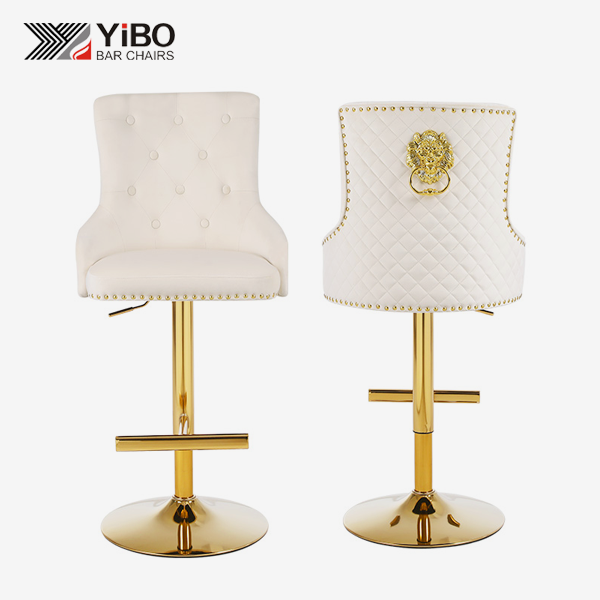
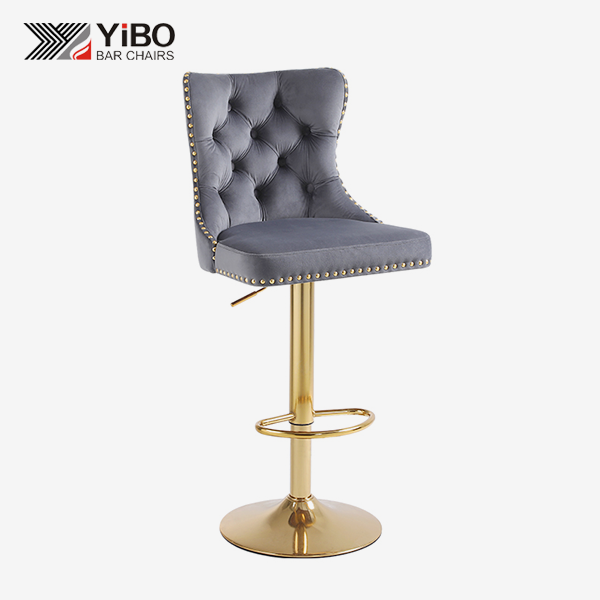
Upholstered seating adds layers of comfort that encourage longer coffee breaks. Padded bar stools with high-quality foam cushioning support proper posture during extended sitting. Leather bar stools offer a sense of luxury while remaining practical for everyday use, as the material naturally resists spills and develops character over time. Mixed-material designs combine the strengths of different components. A wooden seat paired with metal legs creates visual interest while preserving structural integrity. These hybrid approaches allow for greater customization and help achieve specific design goals within existing décor schemes.
Functional Features for Enhanced Comfort
Height Adjustment and Swivel Functionality
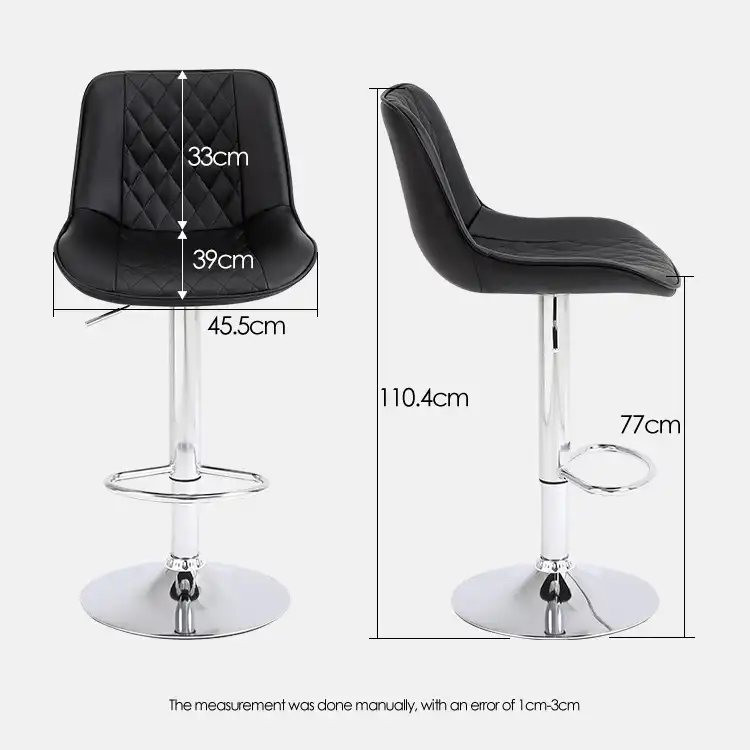
Adjustable bar stools accommodate users of varying heights and counter configurations. Pneumatic lift mechanisms allow smooth height transitions, making these pieces suitable for multi-generational households. This adaptability extends the furniture’s lifespan as needs change over time. Swivel bar stools enhance functionality by enabling effortless conversation flow and improved access to surrounding areas. The rotating mechanism reduces strain on the back and knees when turning in different directions. High-quality swivel systems operate quietly and maintain smooth movement through thousands of rotations.
Footrest and Backrest Design Considerations
Footrest placement significantly influences comfort during extended sitting periods. Proper foot support reduces leg fatigue and promotes better circulation. The ideal footrest height allows users to maintain natural leg positioning without strain, and many designs incorporate adjustable footrests to accommodate different preferences. Backrest design affects both comfort and visual appeal. Backless bar stools provide clean lines and full counter storage capability, while full-back options deliver superior support for longer seating sessions. Mid-back designs offer a balanced solution between support and spatial efficiency.
Design Styles to Complement Your Décor
Modern and Vintage Design Styles
Modern bar stools emphasize clean lines, minimal ornamentation, and innovative materials. These pieces often feature geometric shapes and neutral color palettes that integrate seamlessly with contemporary kitchens. The streamlined aesthetic creates refined environments ideal for urban living. Coffee bar stools with minimalist designs enhance contemporary spaces through their sleek and functional appeal. In contrast, vintage bar stools introduce character and nostalgic charm to coffee areas. Retro-inspired designs capture the essence of mid-century styling while maintaining modern comfort standards. These pieces often act as conversation starters and add personality to otherwise neutral interiors.
Rustic and Industrial Influences
Rustic bar stools incorporate natural textures and weathered finishes that evoke casual comfort. Reclaimed wood options showcase distinctive grain patterns and imperfections that tell unique stories. These designs perform particularly well in country homes and cabin settings where relaxed atmospheres are prioritized. Industrial styling draws inspiration from commercial and factory environments, highlighting exposed hardware, raw materials, and utilitarian structures. These bold pieces create striking visual statements while offering exceptional durability suitable for high-traffic areas and commercial applications.
Sizing Considerations for Perfect Fit
Height and Seat Dimension Guidelines
Counter height measurements typically range from 36 to 39 inches, requiring stools with seat heights between 24 and 27 inches. Bar-height counters measure 40 to 42 inches and require stools with 28 to 32-inch seat heights. Proper proportions ensure comfortable leg positioning and adequate clearance for movement. Seat width affects both comfort and space efficiency. Standard widths range from 14 to 18 inches, with larger dimensions providing enhanced comfort for extended sitting periods. When selecting appropriate widths, consider available counter space and the desired seating capacity.
Spacing and Weight Capacity Considerations
Spacing between multiple stools influences usability and visual balance. Allow 6 to 10 inches between seat centers to provide comfortable shoulder room. This spacing prevents crowding while maintaining close conversational distance. Be sure to account for armrests and backrest extensions when calculating necessary clearances. Weight capacity considerations are essential for long-term safety and performance. Quality bar stools typically support 250 to 300 pounds safely, accommodating various users without structural concerns. Commercial-grade options often exceed these limits to meet more demanding applications.
Maintenance Tips for Long-lasting Beauty
Surface Care and Cleaning Practices
Regular cleaning schedules protect appearance and extend furniture lifespan. Wood surfaces benefit from periodic conditioning with appropriate oils or waxes, preventing drying and cracking while preserving their natural luster. Harsh chemicals should be avoided, as they can damage protective finishes. Metal components require specific care depending on their finish types. Powder-coated surfaces can be cleaned easily with mild soap solutions and soft cloths, while brushed finishes may need specialized cleaners to maintain their distinct texture. Routine inspections for worn areas help prevent corrosion from developing. Coffee bar stools with metal frames should be checked regularly for signs of finish wear or damage to ensure long-term durability. Upholstery maintenance involves prompt attention to spills and consistent vacuuming. Professional cleaning treatments can restore heavily soiled fabrics and extend their service life, and protective treatments are recommended for high-use pieces to prevent permanent staining.
Mechanical Maintenance and Longevity
Moving parts require periodic lubrication to maintain smooth functionality. Swivel mechanisms and height-adjustment systems benefit from appropriate lubricants applied according to manufacturer specifications. This simple maintenance practice prevents premature wear, supports long-term performance, and ensures continued ease of use.
Commercial Applications and Durability Requirements
Durability and Hygiene Standards in Commercial Settings
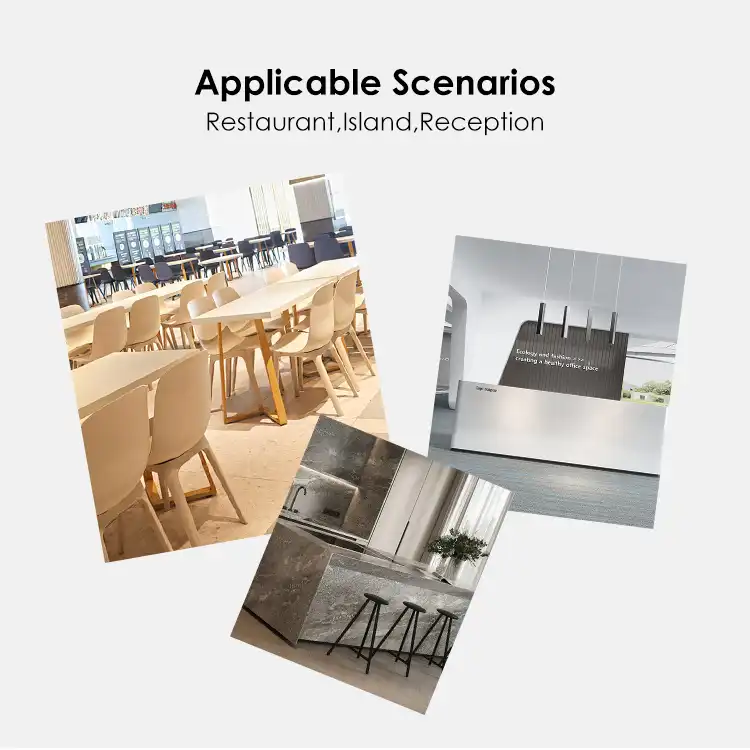
Restaurant and café environments demand exceptional durability from bar stool selections. High-traffic conditions accelerate wear patterns, making construction quality a primary consideration. Commercial-grade hardware and reinforced joints withstand constant use without structural failure. Frequent cleaning routines in commercial spaces require materials capable of enduring daily sanitization procedures. Non-porous surfaces resist bacterial growth and maintain hygienic conditions. Easy-to-clean designs help reduce labor costs while ensuring compliance with health and safety regulations.
Brand Consistency and Cost Efficiency
Style consistency across multiple locations depends on reliable manufacturing standards and accurate color-matching capabilities. Custom branding options enable businesses to incorporate logos and distinctive design elements into their furniture selections. These features contribute to memorable customer experiences and reinforce brand identity. Availability of replacement parts becomes essential for commercial operators. Modular designs allow individual component replacement rather than full furniture substitution, reducing long-term expenses. Warranty coverage should reflect the demands of commercial use and provide adequate protection for business investments.
Conclusion
Selecting appropriate coffee bar stools transforms ordinary spaces into inviting gathering areas that encourage connection and relaxation. The combination of proper sizing, quality materials, and thoughtful design creates comfortable environments that enhance daily coffee experiences. Whether updating residential kitchens or designing commercial spaces, investing in quality seating solutions provides lasting value and customer satisfaction. Consider your specific needs, available space, and design preferences when making selections, and don't hesitate to consult with experienced manufacturers who can guide you toward optimal choices for your unique requirements.
Partner with YIBO for Premium Coffee Bar Stools Solutions
YIBO stands as your trusted coffee bar stools manufacturer, delivering 14 years of specialized expertise in ergonomic seating design. Our comprehensive range includes adjustable bar stools, swivel mechanisms, and custom finishes tailored to your specific requirements. Contact our experienced team at yb@ajyibo.com to explore how our quality-certified manufacturing capabilities can enhance your coffee space projects with competitively priced, durable solutions.
References
1. Johnson, M. (2023). "Ergonomic Seating Design Principles for Modern Kitchens." Interior Design and Furniture Quarterly, 45(3), 78-92.
2. Chen, L. & Rodriguez, P. (2022). "Material Selection and Durability Testing for Commercial Bar Furniture." Furniture Manufacturing Technology Review, 38(7), 156-171.
3. Williams, K. (2023). "Space Optimization Strategies in Contemporary Kitchen Design." Architectural Planning and Design Journal, 29(4), 234-249.
4. Thompson, R. (2022). "The Psychology of Coffee Consumption Spaces in Residential Settings." Environmental Psychology and Design, 15(2), 89-104.
5. Anderson, S. & Park, J. (2023). "Maintenance and Longevity Factors in Bar Stool Selection." Hospitality Furniture Management, 22(1), 45-58.
6. Davis, H. (2022). "Commercial Seating Standards and Safety Requirements for Food Service Establishments." Restaurant Equipment and Design, 41(6), 123-138.