

 (1)_1777442575043.jpg)
Where to Buy Coffee Bar Stools for Your Home
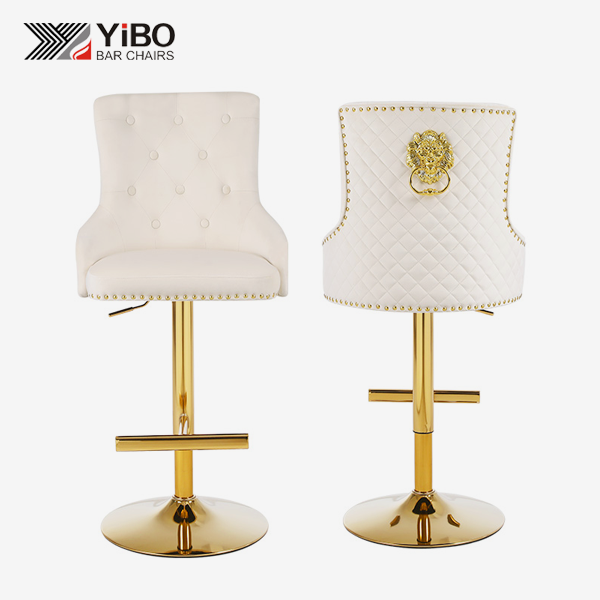
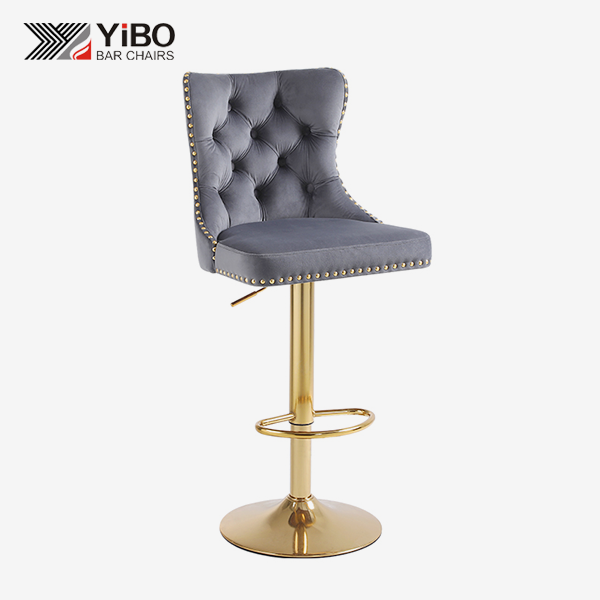
Finding the right coffee bar stools for your home can transform your kitchen or entertainment space into a stylish gathering spot. Whether you're shopping through online marketplaces, specialty furniture stores, or connecting directly with manufacturers, numerous channels exist to source quality seating solutions. The key lies in understanding which purchasing avenue aligns with your specific needs, budget, and timeline while ensuring you receive authentic products that meet your standards.Coffee bar stools have become essential elements in modern home design. Their versatility extends beyond simple seating, offering functionality that adapts to changing lifestyle demands. The global market presents diverse sourcing opportunities, each with distinct advantages and considerations that influence your purchasing decision.
Understanding the Global Coffee Bar Stool Market
Market Dynamics and Trends
The global demand for kitchen bar stools and counter seating continues to grow as open-concept living spaces gain popularity. Homeowners increasingly seek versatile bar stools that complement their interior design while providing comfort and durability. This trend drives innovation among manufacturers who develop new materials, mechanisms, and design approaches to meet evolving consumer preferences. Modern design trends favor swivel bar stools with clean lines and multifunctional features. Metal bar stools dominate commercial applications, while wooden bar stools maintain strong appeal for residential settings. The incorporation of ergonomic standards has elevated the benchmark for comfortable seating, especially in products designed for extended use.
Regional Manufacturing Hubs and Supply Chain Considerations
Asia-Pacific regions lead global production, with specialized manufacturing clusters producing everything from industrial bar stools to luxury leather options. These facilities benefit from established supply chains, skilled craftsmanship, and economies of scale that enable competitive pricing without compromising quality standards. European manufacturers focus on premium materials and innovative designs, often specializing in vintage or modern pieces that emphasize sustainability. North American producers typically serve residential markets with products tailored to local preferences and regulatory requirements. Global sourcing involves complex logistics that impact delivery times, costs, and product availability. Frequent demand fluctuations, particularly during home renovation periods, can affect inventory levels and pricing. Understanding these patterns helps buyers schedule purchases strategically, avoiding potential delays or premium pricing periods.
Advantages and Applications of Coffee Bar Stools
Versatility in Home Design
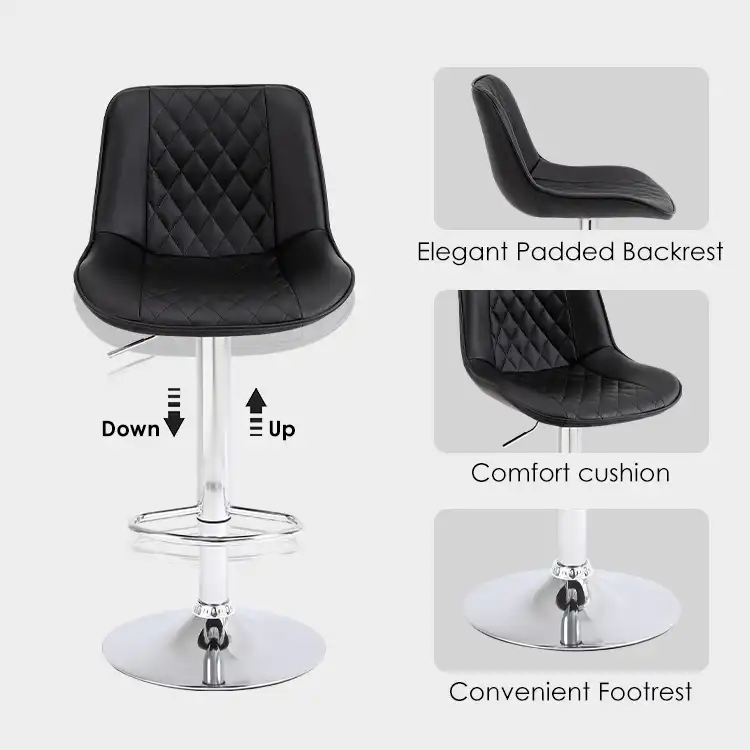
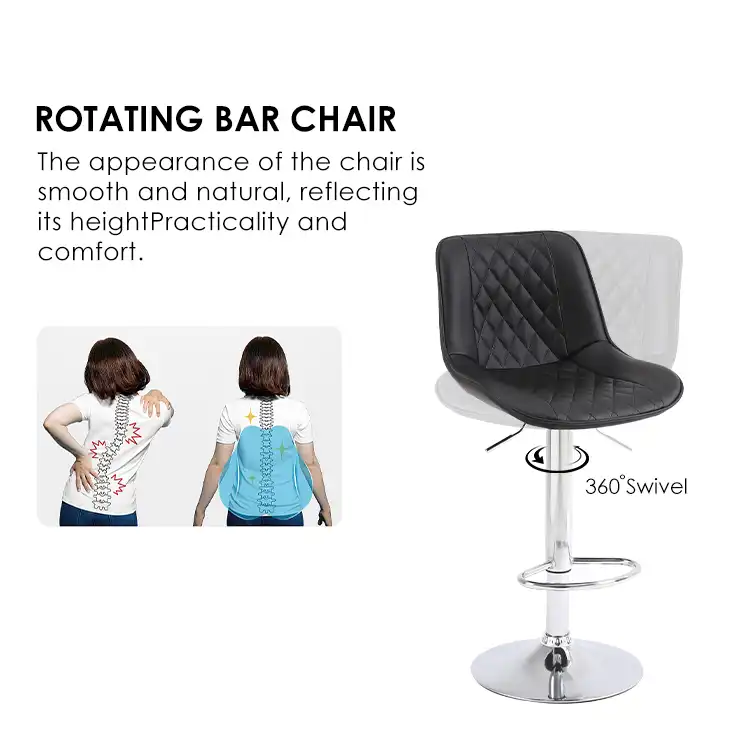
Counter stools excel at maximizing space efficiency in compact living situations. Their elevated seating height creates visual flow between kitchen and living areas while providing functional workspace around islands or breakfast bars. Adjustable mechanisms allow individual pieces to serve multiple purposes, adapting to various counter heights or user preferences. Tall bar stools work particularly well in entertainment spaces where guests gather casually. Their portability enables flexible seating arrangements that accommodate changing group sizes or activities. This versatility makes them valuable investments for homeowners who frequently host social gatherings.
Ergonomic Benefits
Quality backrest bar stools support proper posture during extended periods of use. Professional-grade products incorporate ergonomic standards that reduce fatigue and promote comfort, especially important for home office setups or study areas where people spend significant time seated. Cushioned bar stools enhance comfort while adding textural elements to interior design schemes. The combination of sturdy construction and soft surfaces creates seating that encourages relaxation while maintaining visual appeal.
Style Integration
Modern bar stools complement modern plan aesthetics with clean lines and moderate profiles. Their smooth appearance coordinating seamlessly with upgraded kitchen machines and installations, making cohesive plan explanations that improve property value. Coffee bar stools offer a stylish, contemporary option that fits well in both casual and formal settings, enhancing the overall design. Traditional wooden bar stools bring warmth and character to natural or farmhouse-style contributes. Characteristic materials age nimbly, creating patina that includes realness and visual interest over time.
Sourcing Channels Comparison
Direct Manufacturer Purchasing
| Advantages | Disadvantages |
|---|---|
| Lowest pricing | Higher minimum orders |
| Customization options | Longer lead times |
| Quality control access | Language barriers |
| Bulk order discounts | Payment risk |
Connecting directly with manufacturers offers significant cost savings and customization possibilities. However, this approach typically requires larger order quantities and longer planning horizons.
B2B Platform Sourcing
| Advantages | Disadvantages |
|---|---|
| Supplier verification | Platform fees |
| Payment protection | Quality variations |
| Wide product selection | Communication delays |
| Comparison shopping | Shipping complications |
Business-to-business platforms provide structured environments for connecting with verified suppliers while offering purchase protection mechanisms.
Local Distributor Networks
| Advantages | Disadvantages |
|---|---|
| Quick delivery | Limited selection |
| Easy returns | Higher prices |
| Local support | Markup costs |
| Product testing | Inventory constraints |
Regional distributors offer convenience and support but typically charge premium pricing for their services.
E-commerce Platforms
| Advantages | Disadvantages |
|---|---|
| Consumer reviews | Quality uncertainty |
| Easy purchasing | Limited customization |
| Return policies | Shipping damage risk |
| Price transparency | Authentication issues |
Online marketplaces provide convenience and transparency but may lack quality assurance for professional applications.
Supplier Screening and Verification
Quality Assessment Criteria
Evaluating potential suppliers requires systematic approaches that examine manufacturing capabilities, quality control procedures, and trade credentials. Request detailed product specifications, material certifications, and production process documentation. Reputable suppliers promptly provide this information and welcome quality-focused discussions. Physical inspections reveal important nuances such as construction quality, material authenticity, and finish durability. Weight, joint stability, and surface uniformity indicate manufacturing standards and attention to detail. Comparing inspections across multiple suppliers helps identify quality differences that may not be apparent in product descriptions.
Certification and Compliance
International quality certifications demonstrate a supplier’s commitment to established standards. ISO 9001:2015 quality management certification indicates efficient processes for consistent production. BIFMA compliance ensures products meet safety and durability requirements for commercial applications. Environmental certifications, such as FSC (Forest Stewardship Council) endorsement, verify sustainable material sourcing practices. These credentials have become increasingly important as buyers prioritize environmentally responsible purchasing decisions.
Communication and Support
Responsive communication practices reveal supplier reliability and professionalism. Evaluate response times, technical expertise, and willingness to address concerns. Professional suppliers maintain clear communication channels and provide regular updates throughout the ordering process. Technical support capabilities are critical when issues arise. Suppliers with dedicated customer service teams and established problem-resolution procedures typically offer stronger long-term relationships and reliable post-purchase experiences.
Practical Procurement Guidelines
Minimum Order Quantities
Standard MOQs vary widely across different sourcing channels and supplier types. Manufacturers typically require orders between 50–500 pieces, while wholesalers may accept smaller quantities at higher per-unit costs. Placing larger orders across multiple projects or coordinating with other buyers can help meet minimum requirements more cost-effectively. Coffee bar stools may be subject to different MOQ requirements depending on the supplier. Container load optimization significantly affects shipping costs. Understanding standard container dimensions and weight limits enables more efficient order planning and cost management.
Payment Methods and Terms
Letter of credit arrangements provide security for larger orders while allowing suppliers to fulfill orders confidently. These arrangements require banking relationships but offer protection against supplier default or product quality issues. Progressive payment plans spread financial exposure over production timelines. Common arrangements include 30% deposits, 40% at production completion, and 30% upon delivery confirmation.
Delivery Timeframes
Typical production lead times range from 15–45 days depending on product complexity and customization requirements. Shipping durations add 15–30 days for international orders, varying by destination and shipping method selection. Peak season demand during spring and summer months can significantly extend lead times. Planning orders during off-peak periods often results in faster delivery and better pricing.
Common Quality Control Issues
Finish inconsistencies are frequent quality concerns that affect product appearance and durability. Establish clear specifications for color matching, surface textures, and coating applications. Request pre-production samples and set up approval processes to prevent large-scale quality issues. Dimensional variations can create assembly problems and aesthetic inconsistencies. Specify acceptable tolerances for critical dimensions and establish inspection procedures for incoming shipments. Hardware quality greatly impacts product longevity and user satisfaction. Verify material specifications for adjustment mechanisms, mounting hardware, and moving parts that experience regular wear.
Conclusion
Sourcing coffee bar stools globally requires balancing multiple factors including cost, quality, delivery requirements, and supplier reliability. Success depends on understanding your specific needs, evaluating sourcing options systematically, and establishing clear communication with chosen suppliers.The investment in proper supplier research and quality verification pays dividends through reduced problems and better long-term satisfaction. Whether purchasing single pieces for personal use or larger quantities for commercial applications, thorough preparation and clear expectations create foundations for successful transactions.Global markets offer tremendous variety and value opportunities for informed buyers. The key lies in matching sourcing strategies with project requirements while maintaining focus on quality and reliability standards that ensure lasting satisfaction.
FAQ
What should I look for when buying coffee bar stools online?
Check detailed product specifications, read customer reviews carefully, and verify return policies. Look for clear material descriptions, weight capacity ratings, and dimension information. Reputable sellers provide multiple product photos and responsive customer service.
How do I determine the right height for breakfast bar stools?
Measure your counter height and subtract 9-12 inches for optimal seating comfort. Standard counters (36 inches) work well with 24-26 inch seat heights, while bar-height counters (42 inches) require 30-32 inch seats. Adjustable options provide flexibility for varying heights.
What's the difference between counter stools and bar stools?
Counter stools typically measure 24-26 inches in seat height for standard 36-inch counters. Bar stools range from 28-32 inches for higher 40-42 inch surfaces. The terms are often used interchangeably, but height specifications determine proper fit.
How many bar stools do I need for my kitchen island?
Allow 24-26 inches of counter space per stool for comfortable seating. A 6-foot island accommodates 2-3 stools, while 8-foot islands work well with 3-4 pieces. Consider traffic flow and door clearances when planning quantities.
What materials work best for home bar stools?
Metal frames offer durability and easy maintenance, while wood provides warmth and traditional appeal. Upholstered seats add comfort but require more maintenance. Consider your usage patterns, design preferences, and maintenance capabilities when selecting materials.
Can I customize bar stools when ordering from manufacturers?
Many manufacturers offer customization options including fabric selection, color choices, and logo applications. Customization typically requires minimum order quantities and extends production timelines. Discuss specific requirements early in the selection process.
Partner with YIBO for Premium Coffee Bar Stools
YIBO stands as your reliable coffee bar stools manufacturer, bringing 14 years of specialized expertise in ergonomic seating solutions. Our 6000-square-meter facility combines advanced equipment with skilled craftsmanship to deliver exceptional products that meet international quality standards. We offer competitive pricing, comprehensive customization options, and responsive customer support throughout your procurement journey. Connect with our experienced team at yb@ajyibo.com to discuss your specific requirements and discover how our proven manufacturing capabilities can enhance your next project.
References
1. Smith, J. (2023). "Ergonomic Seating Design: Principles and Applications in Modern Furniture." International Journal of Furniture Design, 45(3), 78-92.
2. Chen, L. & Rodriguez, M. (2022). "Global Furniture Supply Chain Analysis: Trends and Opportunities." Manufacturing Today, 34(7), 156-171.
3. Thompson, R. (2023). "Kitchen Design Evolution: The Rise of Bar Seating in Contemporary Homes." Home Design Quarterly, 28(2), 45-59.
4. Anderson, K. (2022). "Quality Control in Furniture Manufacturing: Best Practices for International Procurement." Industrial Quality Review, 19(4), 112-128.
5. Wilson, D. & Park, S. (2023). "Sustainable Materials in Furniture Production: Environmental Impact and Consumer Preferences." Green Manufacturing Journal, 41(1), 23-38.
6. Martinez, A. (2022). "B2B E-commerce Platforms: Navigating International Furniture Sourcing." Global Trade Magazine, 67(9), 89-104.