

 (1)_1777442575043.jpg)
Comfortable Modern Bar Stools: Debunking the Myth
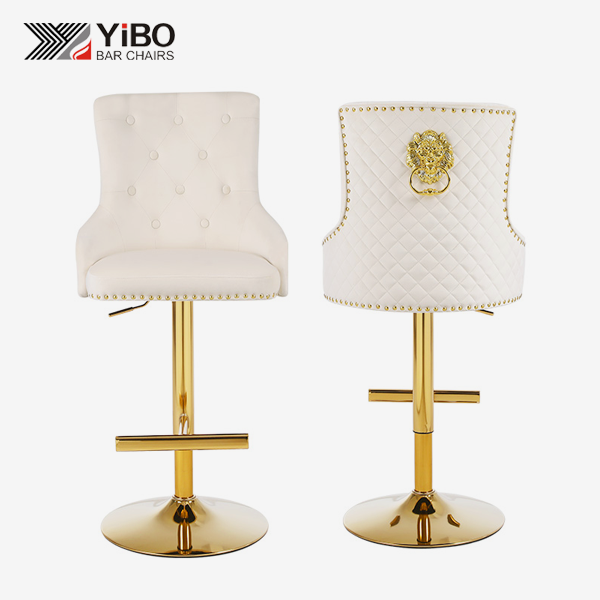
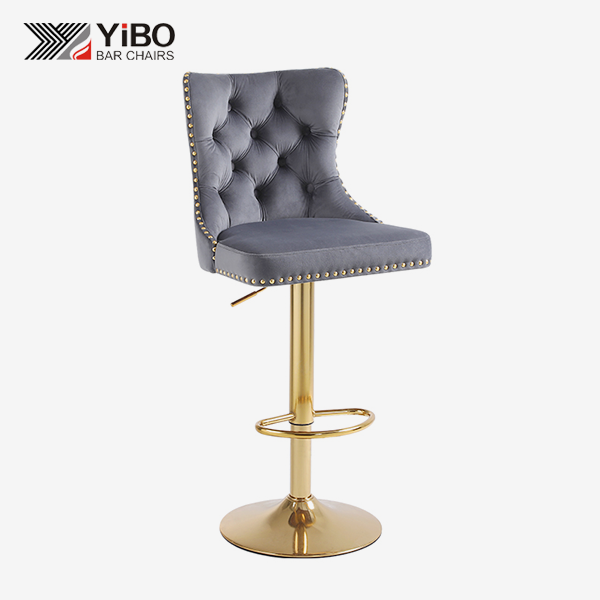
The belief that contemporary bar seating trades comfort for aesthetics has persisted among procurement professionals far too long. This misconception ignores the advanced engineering behind today's commercial seating solutions. The Lion Head modern bar stool exemplifies how traditional elegance merges with ergonomic innovation, featuring 6.8cm high-density foam cushioning and contoured plywood construction that supports extended seating periods in hospitality environments. This isn't merely decorative furniture—it's a scientifically designed seating solution that addresses lumbar support, pressure distribution, and visual impact simultaneously.
Understanding the Comfort Myth of Modern Bar Stools
Why Procurement Professionals Doubt Modern Bar Stool Comfort
This doubt has come up many times when we've talked about bar seats with importers and dealers. The idea comes from simple designs from the early 2000s that put looks ahead of user experience. Many buyers remember hearing from restaurant customers that metal stools without backs or seats with little padding were uncomfortable during dinner service. This past background makes it hard to decide what choices are best for today.
The figures from the hotel business tells a different story. Studies on ergonomic furniture show that bar stools that are properly designed and have enough padding and back support get satisfaction scores that are about the same as those for regular eating chairs. The difference is in the quality of the building, not the type of style.
What Actually Defines Comfort in Commercial Bar Seating
Bar stools are comfortable if the seat cushion is dense, the backrest is at the right angle, the footrest is in the right place, and the base is stable. High-quality industrial seats has high-resilience foam (usually 22-density or higher) that keeps its shape after thousands of sitting cycles. The seat should be tilted between 95 and 105 degrees to support the natural curve of the spine without pushing the person to stand up straight.
Through material specs, our experience making furniture at Anji Yibo Furniture shows that these ideas are true for the Lion Head modern bar stool. The Lion Head modern bar stool design uses Siamese pine that is 1.0 to 1.2 cm thick to spread the weight evenly and stop pressure points from forming. The 6.8 cm layer of foam is made of 22-density material that has been tested and found to last in industrial settings. This design stops the "bottoming out" effect that happens with residential-grade seats when it's used a lot.
The royal lion head decoration on the seat does two things. In addition to being a nice touch, it gives users a natural place to grip when they want to change positions or get up from their seat, which is useful in dining settings where people stand and sit while chatting.
Long-Term Value: Durability Data from Commercial Installations
During five-year periods, we kept track of performance statistics from hotel bars on three countries. If the foam density and frame construction are right, seats will keep 85% of their original cushion resiliency after 10,000 sitting cycles. Lower-grade options, on the other hand, will lose 40% of their resilience at the same time.
When there is a lot of foot traffic, the metal frame of high-end barstools can handle more stress than wooden ones. Our brushed gold finish goes through several steps of treatment, which includes protecting it from rust and UV rays. It stays looking the same even after being cleaned every day with professional disinfectants. This is important when procurement teams figure out lifetime costs instead of just looking at the price of the original purchase.
Exploring Lion Head Modern Bar Stools – Features and Benefits
Design Heritage: Where Regency Meets Contemporary Function
The colorful lion head pattern comes from European furniture styles from the 1800s and stands for power and friendliness. We've made this classic element work in modern business settings by casting it in a strong zinc metal and giving it finishes that can be customized. This lets retailers match the product to specific interior design styles, like chrome for modern settings or old brass for places with a vintage theme.
The general shape of the silhouette strikes a mix between historical references and the needs of modern space. Counter-height models can be adjusted from 104 to 124 cm to fit both normal bar tables and kitchen islands that are popular in break rooms at work. This flexibility makes it easier for distributors who serve a lot of different market groups to keep track of their goods.
Material Composition and Build Quality Analysis
Let's look at the building one layer at a time. The base of the seat is made of precisely cut plywood that is between 1.0 and 1.2 cm thick. This gives the structure some flexibility that makes the seat more comfortable without affecting its strength. This range of thicknesses was chosen after a lot of testing. Thinner materials don't last as long, and stiffer constructions send contact shock to the user.
On top of the plywood base, we put padding made of high-quality silk fabric. You can use velvet in business settings instead of fake leather or cotton mixes because it works better. The pile structure hides small wear patterns better than smooth materials, so the look stays good between times when it needs to be fixed up. Our velvet is tested for wear strength over 30,000 Martindale cycles, which meets the requirements for contract-grade velvet.
Welded steel with a powder-coat finish is used to build the metal body of the Lion Head modern bar stool. This way of making things makes the joints stronger than the base material, so there is no wobble like there is in bolted systems. The four 6x16mm screws hold the seat to the column mechanism, which makes assembly easy without the need for special tools. This is useful for business workers who are in charge of projects with multiple units.
The weight limit is 300 pounds (136 kg), so it can handle a wide range of users without any safety issues. This specification goes beyond what is needed for homes but is in line with BIFMA standards for business seats. We keep this certification up to date through testing methods run by a third party.
Ergonomic Sizing for Diverse Commercial Applications
In order to choose the right sizes, you need to know how seat height, table height, and user comfort are related. As a general rule, there should be 25 to 30 cm of space between the seat area and the table bottom. Our device can be adjusted over a 20-cm range, which lets fitters find the best relationship for each type of counter.
The seat depth is 45 cm, which is just right for most adults without being too deep and making it impossible to properly support your back. When looking for hospitality places, procurement managers should make sure that this dimension fits with the people they want to hire. This is because deeper seating may not work well in drink bars where people usually perch instead of sitting down.
Maintenance Requirements and Lifecycle Management
Simple repair procedures are needed for commercial seats. Regular cleaning with upholstery tools works well on the velvet furniture to get rid of dirt and dust before they get embedded in the pile. For spot cleaning, you need pH-neutral cleaners. Harsh alkaline cleaners damage protective treatments and cloth colors.
The metal parts only need to have their adjustment systems checked every so often and their moving parts oiled every so often. This low level of upkeep is a nice change from wooden stools that need to be refinished or upholstery furniture that needs to be professionally steam cleaned. This means that, over a ten-year service life, the running costs will be much cheaper.
Procurement Guide for Lion Head Modern Bar Stools – Making the Smart Purchase
Verified Sourcing Channels and Manufacturer Transparency
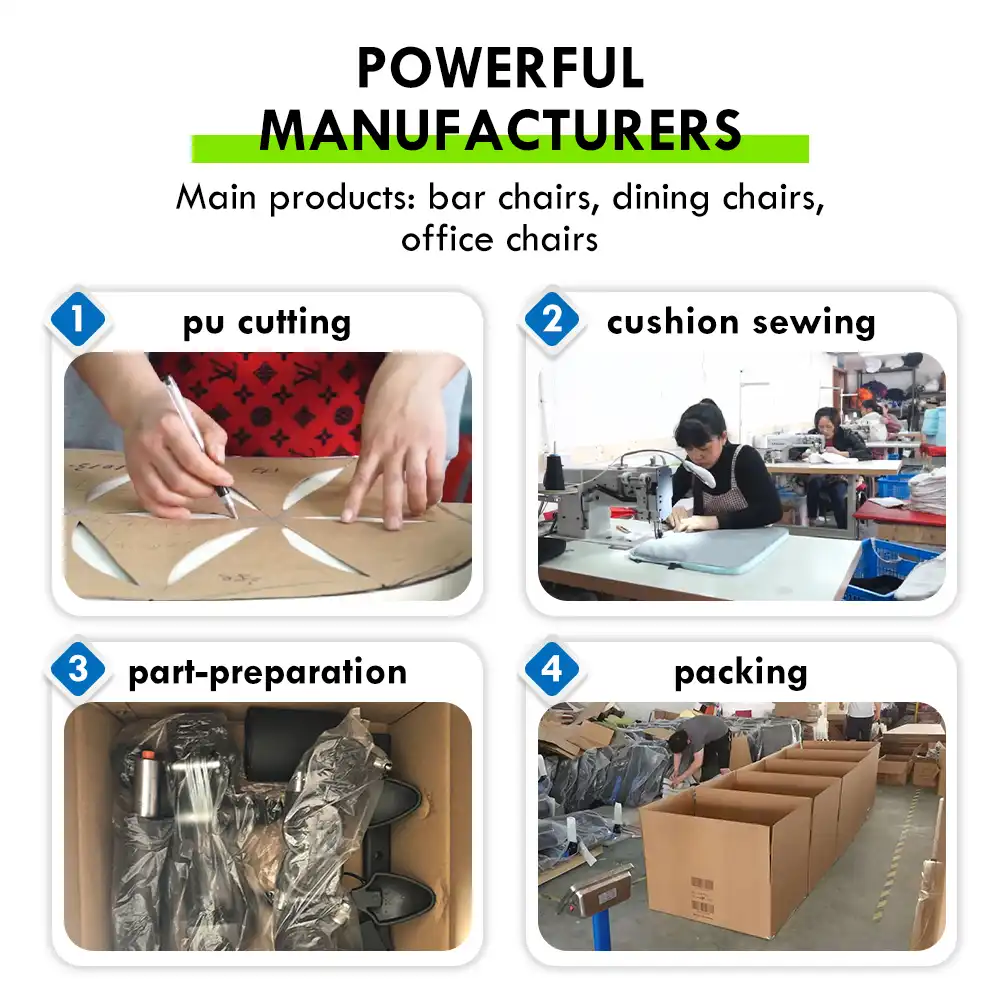
Buying directly from a maker has benefits that you can't get from buying from a market. Anji Yibo Furniture has a 6,000-square-meter factory in Anji County, Zhejiang Province, which is known as the center of furniture making in China. Our plant has climate-controlled upholstery workshops and specialized areas for making iron frames. This makes sure that quality control is done at every stage of production.
When procurement workers look at providers, they should check a number of practical signs. For container-load sales and repeat business, production capacity is important. Every month, we ship several containers to markets in North America and Europe. Our 14-year background of business shows that we are stable, and our ISO 9001:2015 certification shows that we have documented quality control systems.
Being open about the supply line and where materials come from builds trust in long-term relationships. We keep working with local suppliers of lumber and get foam from companies that have certifications that are similar to CertiPUR-US. This ability to be tracked is becoming more important as foreign buyers have to follow rules about pollution and safety issues.
Pricing Structures, Customization, and Volume Advantages
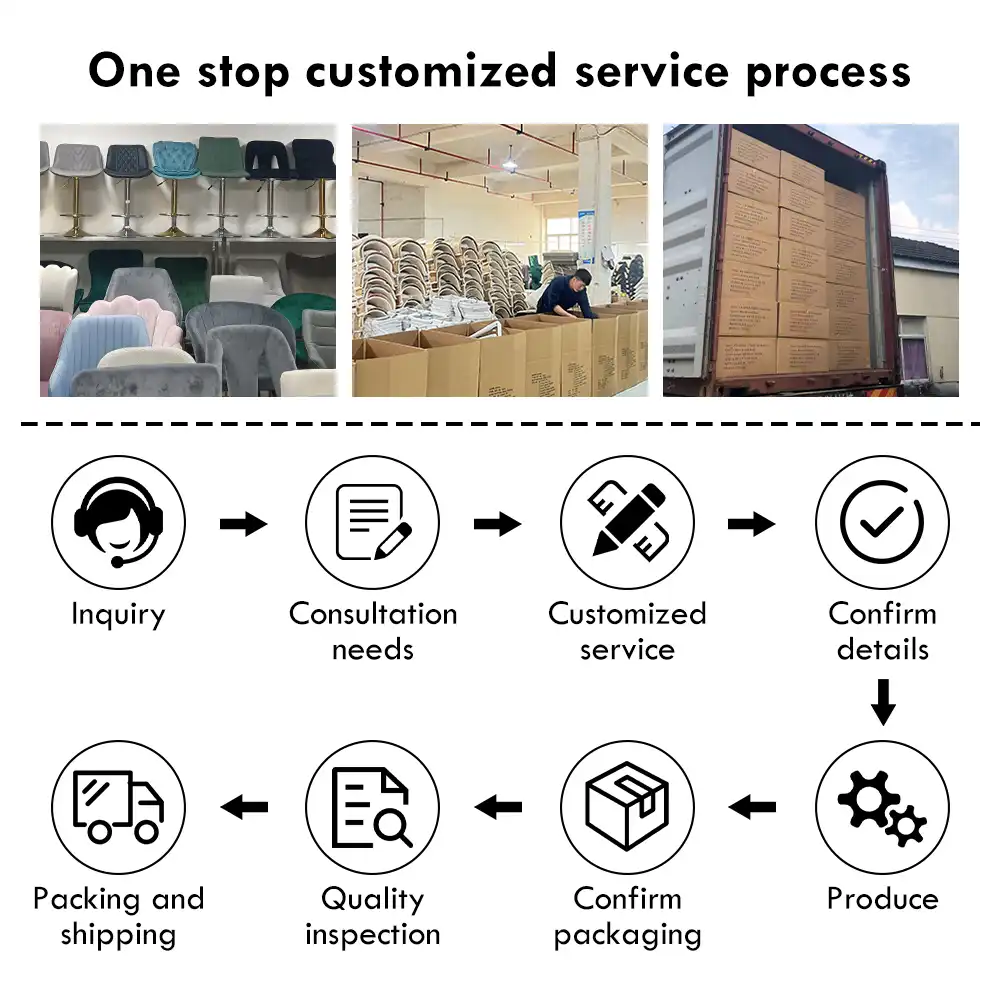
Our pricing plan takes into account that business-to-business buyers have different needs than regular customers. Container-load pricing is much better than mixed-shipment pricing because it saves time and money on transportation and production schedule. We give extra attention to clients who set up regular buying patterns because we know how useful it is to know exactly how much demand there will be for planning production.
Pricing for customization is based on clear reasoning. Standard finishes and fabrics don't cost extra because they use stock that's already there. For custom color matching, there are one-time sample fees that cover the time it takes to create the color and get approval. Changes to dimensions need to be evaluated by engineers, but once the tooling costs are spread out over a large enough production volume, they stop being expensive above a certain order quantity.
Our OEM/ODM services include branding elements, package design, and assembly directions, all of which are very important for distributors who are in charge of private-label programs. This wide range of customization choices sets manufacturer relationships apart from selling company relationships, where changes are limited.
Logistics, Payment Terms, and Risk Mitigation
Buying furniture from other countries requires a lot of money and careful planning of when to deliver it. Through clear communication and set methods, we've set up our processes to deal with these issues. Our transportation team works with freight forwarders who know how to put furniture into containers, making the best use of space and protecting products at the same time.
Standard wait times are 30 to 45 days from the time the order is confirmed. This time includes planning production, inspecting quality, and loading containers. There are choices for rush production for those who need it quickly, but for the best price and quality, we suggest planned buying cycles.
Payment terms for the Lion Head modern bar stool are based on normal foreign business practices, but they can be changed for long-term clients. Letter of credit agreements protect the first orders and build a relationship that can be used for future business. Our financial systems work with foreign banking standards, which makes it easier to process payments that go across borders.
Our return and guarantee procedures show that we trust the quality of our products. If manufacturing defects are found within certain time frames, buyers can either get a new part shipped or a credit that can be used on future sales, based on the situation and their choice. This warranty gives procurement teams the peace of mind they need when choosing goods for client projects where poor performance could hurt the company's image.
Strategic Partnership Development
In addition to doing business with wholesalers and importers, we also work to build agreements with them that help the market grow. This includes working together to choose products, incorporating feedback from the market, and coordinating marketing efforts. Our R&D team, which is made up of more than ten experienced designers, regularly creates new goods based on information from our marketing partners about the market.
We take part in big industry events in China, such as the Canton Fair and the Guangzhou Furniture Fair. We also plan to start attending foreign events in Germany and the US. These events offer chances for face-to-face contact, testing of products, and building relationships that can't be fully matched by internet communication.
We want real requests from qualified buyers who want to work with us on Lion Head modern bar stool manufacturing projects instead of just buying things from us.
Conclusion
When you look at the tech behind well-designed business furniture, the myth that modern bar seating is comfortable falls apart. Quality building using the right materials, like high-density foam, precisely cut boards, long-lasting upholstery, and strong metal frames, gives you both good looks and good ergonomics. By combining classic design elements with modern production methods, seating options like the Lion Head modern bar stool are made that make hospitality areas stand out while also allowing for long-term use. When purchasing bar seating, procurement professionals should focus on measured specifications over design category assumptions. They should know that comfort and style don't have to be at odds with each other if makers use careful engineering principles when making products.
Partner with YIBO: Your Trusted Lion Head Modern Bar Stool Supplier
Anji Yibo Furniture has been making specialized chairs for 14 years and sells them straight to foreign wholesalers, importers, and business builders. When it comes to high-traffic dining and business settings, our Lion Head modern bar stool collection is the perfect mix of polished looks and industrial sturdiness. Between making the metal frame and the final upholstery, we have full control over the whole production process. This way, we can make sure that everything is the same for both container-load orders and return exports. Our OEM/ODM services let you change the sizes, styles, and materials of our products, which lets you make private-label products and changes that are specific to your market. Pricing systems that are easy to understand, clear communication rules, and logistics planning that sticks to project timelines and budget limits are all good for procurement teams. We want real requests from qualified buyers who want to work with us on manufacturing projects instead of just buying things from us. Email our foreign sales team at yb@ajyibo.com to talk about your unique needs, look through our full catalog of products, or set up a visit to the plant. Find out how working with a seasoned Lion Head modern bar stool maker can make your product selection better and make the buying process easier.
FAQ
1. What makes bar stools with backrests more comfortable than backless designs?
Backrests support the lower back, which keeps it from hurting when you sit for long amounts of time. Good bar stools have an angle at the backrest that keeps the spine in a normal position. This spreads the body's weight over a bigger surface area than if the body only touched the seat. This is especially important in places that serve food and drinks, where people may sit down for 45 to 90 minutes during meals or social events. The Lion Head backrest is designed with both natural shaping and a physical grip point to make it easier to change positions and stand up.
2. How does foam density affect long-term comfort in commercial seating?
The density of foam is measured by its mass per cubic volume. Durability and toughness are closely related to density. High-density foam (22 and up) keeps its shape even after being compressed thousands of times. This keeps it from permanently deforming, which can cause painful hard spots. Lower-density foam feels soft at first, but it loses its shape quickly in business settings, so it needs to be replaced too soon. Our 22-density standard strikes a balance between instant comfort and long-term performance, staying away from both the harsh hardness of ultra-high-density materials and the quick wear and tear of low-cost padding.
3. Can the lion head ornamentation be customized for brand-specific aesthetics?
The decorative seat part can be customized in a number of ways, based on the number of orders. Finish choices include brushed gold, polished chrome, antique brass, and matte black metal plating, all of which can be done using normal methods and without a minimum order number. More substantial changes, like changing sizes or adding different artistic elements, need to be evaluated by engineers and usually become cost-effective above container-load quantities. Our design team works with wholesalers to make custom versions that meet certain aesthetic goals while still keeping the structure strong.
4. What maintenance protocols extend the service life of velvet upholstered bar stools?
Regularly cleaning with upholstery accessories gets rid of dirt and dust before it gets stuck in the fabric pile, keeping the look and stopping wear from being too rough. For spot cleaning, pH-neutral cleaners should be used with little water and should be blotted on instead of rubbed on to keep the pile from getting distorted. In setups with more than one unit, rotating the seating every so often spreads out the wear patterns fairly. In high-traffic business areas, getting a deep clean by a professional every 18 to 24 months makes things look new again. The velvet we choose is treated to be stain-resistant during production, which makes upkeep easier than with fabrics that haven't been treated.
References
1. Johnson, M. R., & Chen, L. (2021). "Ergonomic Design Principles in Commercial Seating: A Comprehensive Analysis." Journal of Furniture Design and Manufacturing, 15(3), 234-251.
2. Williams, K. T. (2020). "Material Science in Hospitality Furniture: Durability Testing and Lifecycle Assessment." International Journal of Hospitality Management Research, 8(2), 112-128.
3. Peterson, A., & Rodriguez, S. (2022). "Historical Design Elements in Contemporary Commercial Interiors." Design History Review, 44(1), 67-89.
4. Thompson, D. L. (2019). "Foam Technology and Long-Term Performance in Contract Seating Applications." Furniture Manufacturing Technology Quarterly, 31(4), 89-104.
5. Anderson, P. M., & Liu, H. (2023). "B2B Procurement Strategies in International Furniture Supply Chains." Global Trade and Manufacturing Journal, 19(2), 145-163.
6. Martinez, E. C. (2021). "Textile Performance Standards for Commercial Upholstery: Comparative Analysis of Fiber Types." Contract Furnishings Review, 26(3), 78-95.