

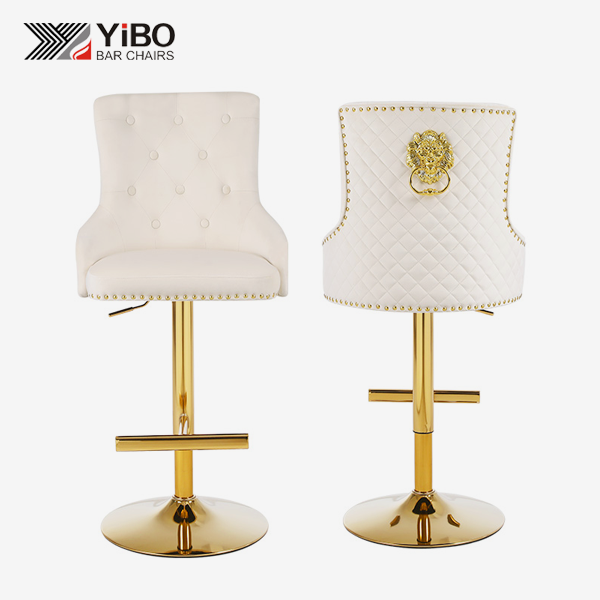
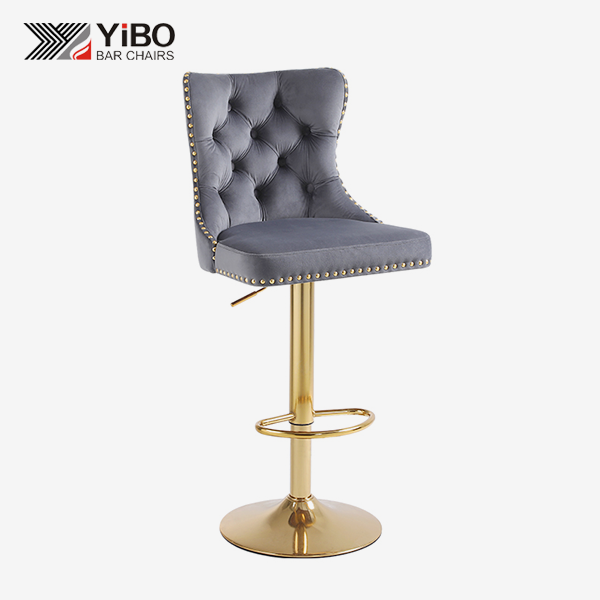
 (1)_1777442575043.jpg)
What Color Is Best For Dining Chairs?
When business restaurants choose their seats, color is more than just a nice touch. It's best for eating chairs to have a color that looks good, lasts a long time, fits with your brand, and can be used in a variety of markets. Earth tones, especially rich brown finishes, are always the best choice for B2B purchases because they are so versatile and classic. A dark brown dining chair with armrests is both functionally and aesthetically sophisticated. It hides wear from heavy use and goes with a wide range of color schemes, from rustic country to modern minimalist. This color choice supports brand consistency in both hotel and business settings. It also gives purchasing managers a solid base for scalable, repeatable orders that meet the needs of both design and operations.
Understanding the Importance of Dining Chair Colors in B2B Procurement
The color of business seating is a smart choice that affects how customers see the space, how happy employees are with their jobs, and how well the space flows together. The color of dining chairs sets the mood and expresses brand values in places like hotels, workplace dining halls, and event spaces. In a home, personal taste usually wins out, but in B2B procurement, color choices need to match the brand's image, not show dirt, and look good after years of heavy use.
How Color Influences Corporate and Hospitality Environments
Color does have an effect on our mood, our ability to work, and our level of comfort. Warm tones like espresso, walnut, and mocha make rooms feel welcoming and grounded, which is great for long meals and productive meetings. Because dark brown tones make people feel stable and professional, they are perfect for boardrooms and high-end restaurant settings. In addition, these finishes hide stains better than lighter ones, so they require less upkeep and keep the polished look that is important for a brand's image.
In hospitality settings with foreign guests, neutral brown tones go beyond culture color associations, making the space appealing to a wide range of people without turning off certain groups, such as with a dark brown dining chair with armrests. This is very important for hotels, meeting centers, and international company campuses that need to have a consistent look in many places.
Why Dark Brown Remains a Top Choice for Professional Spaces
Dark brown furniture is very common because it can be used in a lot of different ways. Whether you're going for an industrial loft look with exposed brick and metal accents or a classic European fine dining look with ornate woodwork, this color will look great in any room. The design freedom that brown finishes offer is appreciated by procurement professionals, who can update the look of an area without having to buy new seats.
From a material science point of view, dark brown finishes—whether they are made by coloring wood, dying leather, or choosing fabrics—have better color fastness scores. International standards like AATCC 16 Class 4 for light protection are met by high-quality finishes. This makes sure that the colors stay the same under fluorescent lighting and the natural sunlight that is common in business spaces.
The armrests on brown dining chairs meet ergonomic needs that are becoming more and more important in office health programs. Armrests make sitting for long periods of time easier on the shoulders and back. This is especially important for places like business lunches, conference meals, and co-working cafes where people spend hours sitting down.
Key Benefits and Features of Dark Brown Dining Chairs with Armrests
Commercial-grade seats has to be long-lasting, comfortable, and look the same when ordered in large quantities. Dark brown chairs with armrests meet these needs by using high-quality materials, being ergonomically designed, and having a form that can be used in many different ways.
Material Composition and Durability Standards
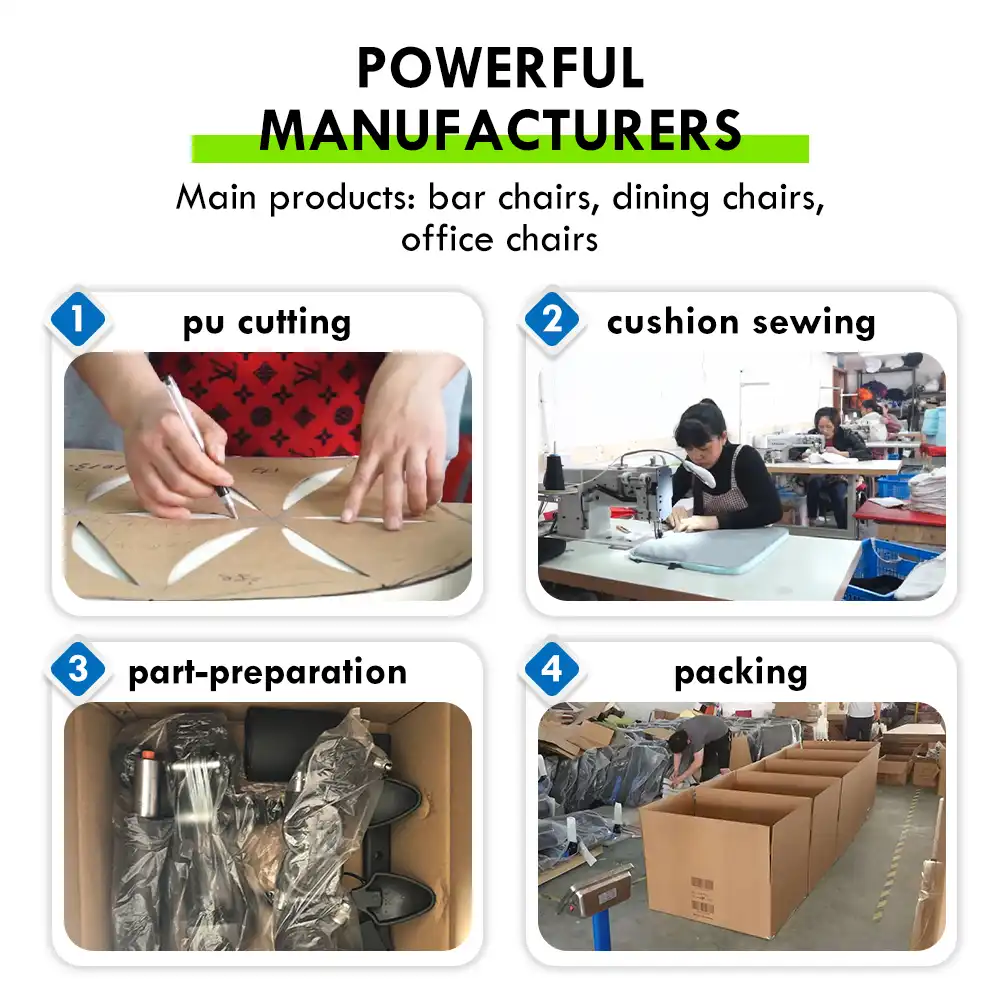
Professional eating chairs are made from Grade A hardwoods like rubberwood, ash, or beech that have been kiln-dried to 8–12% moisture content to keep them from twisting or breaking. These frames are finished in several steps with nitrocellulose or polyurethane lacquers in deep brown shades. This gives them depth and protects them from water. The dark dye goes deep into the wood grain to bring out the natural designs and protect it from spills and moisture.
High-performance materials are mostly used for padded versions. Top-grain leather feels luxurious and naturally breathes well. It also ages beautifully to develop a unique color. Bonded leather and crypton fabrics are cheaper options that are also better at resisting stains, which is important for restaurants with a lot of customers. Fabrics in chocolate, cocoa, and brown tones go well with wood finishes and meet industrial abrasion standards of more than 30,000 double rubs (Martindale method).
More and more current designs use metal frame constructions that combine powder-coated steel or aluminum with wood-look treatments or upholstered seats. These hybrid designs keep the 125 kg+ load capacities needed by ANSI/BIFMA X5.1 testing methods while lowering the weight for areas that can be reconfigured.
Ergonomic Advantages of Armrests in Commercial Settings
With armrests, eating chairs go from being just useful to being good for your health. When placed at a height of 610 to 660 mm, properly designed arms line up with standard eating table aprons, which are usually 760 mm wide. This lets people slide chairs easily while giving them support when they move from sitting to standing. This trait is very important in places that cater to older people and in businesses that put mobility first.
Clinical ergonomics study shows that armrests reduce musculoskeletal pain in the upper limbs by 30 to 40 percent when sitting for long periods of time, such as in a dark brown dining chair with armrests. This support makes guests much more comfortable and satisfied when they are eating at business restaurants where meals last longer than 90 minutes because of meetings or talks.
The extra rigidity that armrests add to chair frames makes the structure more stable, which can increase the chair's static load capacity and make it last longer in challenging business settings.
Customization Options for Bulk Procurement
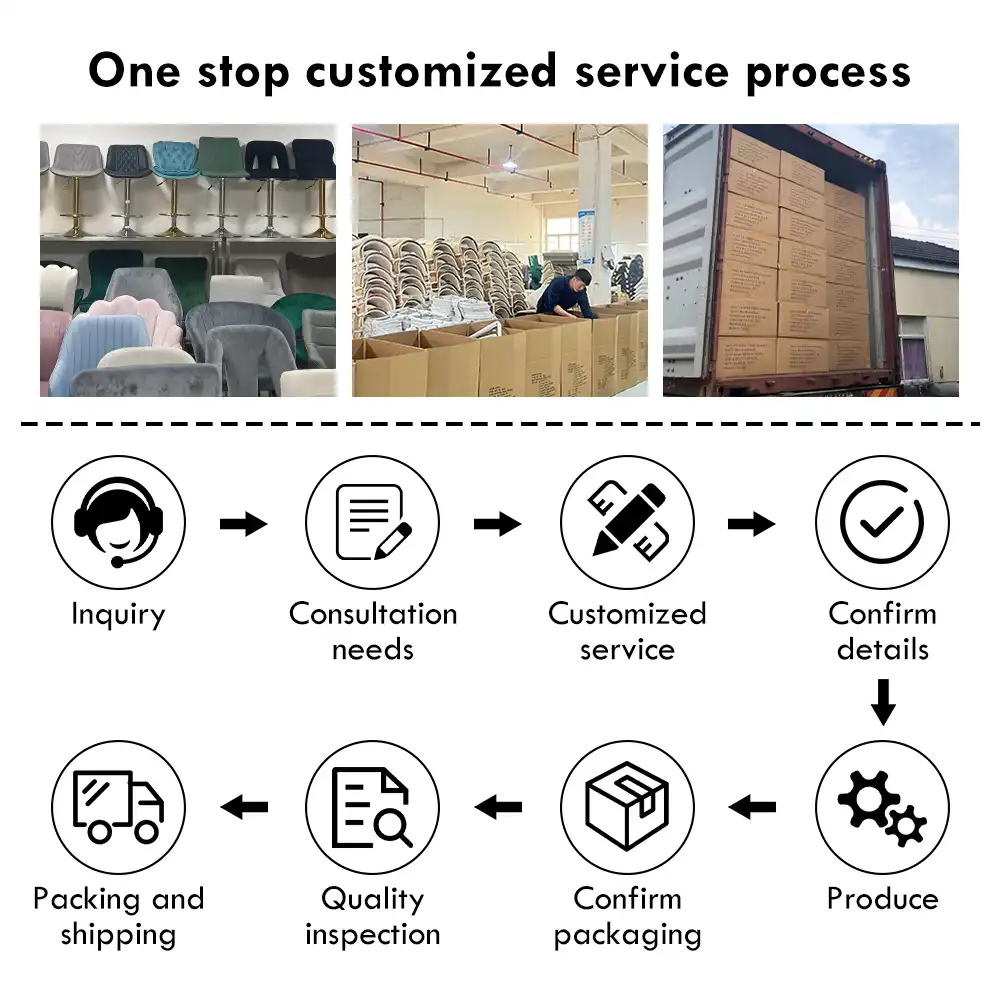
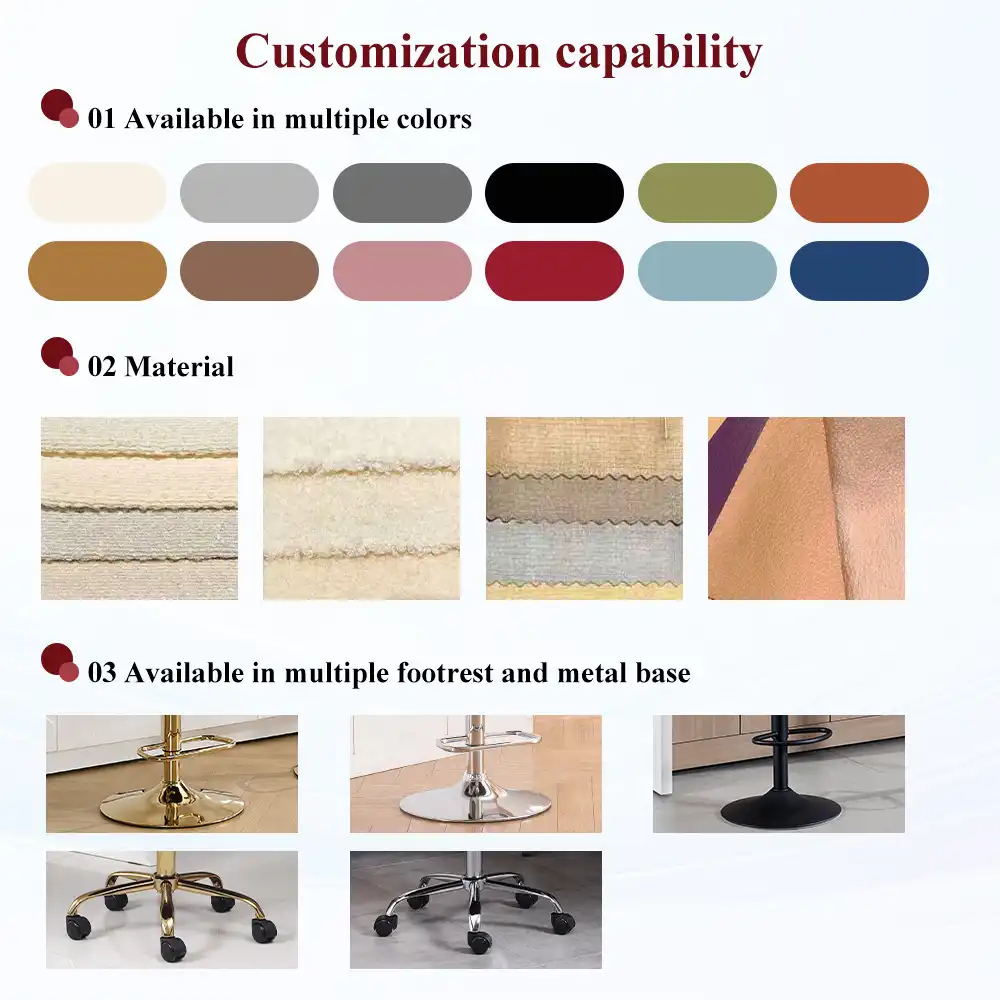
Manufacturers that focus on B2B supply lines can offer a wide range of customization options that are necessary to set a brand apart. With OEM and ODM services, purchasing managers can specify:
- Dimensional modifications: Changing the seat width, backrest height, and armrest positioning to fit specific spaces or types of users
- Finish variations: Custom stain matching to existing decor palettes, from warm cognac tones to cool charcoal browns
- Upholstery selection: Brand-specific fabrics, stamped logos, or piping features that stand out on the upholstery
- Functional enhancements: Swivel mechanisms, stackability features, or built-in padding systems
These ways to customize let dealers and distributors make their own lines of products while using the knowledge and production volume of the maker.
Comparison and Decision-Making: Selecting the Best Dark Brown Dining Chair with Armrests for Your Business
For procurement to work well, design changes need to be carefully weighed against working needs and price limits.
Armrest versus Armless: Matching Chairs to Business Use Cases
Armless eating chairs make the best use of space by letting you fit more people around the table and making storage easier. They work well in cafeterias, casual eating areas, and event spaces that need to be quickly reconfigured. On the other hand, chairs with armrests make people feel more valued and comfortable, which makes them better for places like executive dining rooms, hotel restaurants, and business boardrooms where people sit for long periods of time and better ergonomics are justified.
A hybrid method, which includes armrest chairs at the heads of the tables and armless chairs along the sides, makes the best use of both room and comfort. This is a popular strategy in high-end dining settings.
Material Trade-offs: Balancing Cost, Maintenance, and Aesthetic Appeal
Solid wood frames with natural finishes are highly sought after, but they need to be refinished every so often in areas with a lot of foot traffic. Engineered wood bases with veneer layers save money while keeping the look of real wood, but the edges may not last as long if they are used a lot in business.
Different types of upholstery need different amounts of care. Leather gets a sheen over time and needs to be conditioned every 6 to 12 months. It's easy to clean with a wet cloth, though. Chemical treatments can keep performance fabrics from getting stained, but they may pill after two to three years of heavy use in high-use areas, such as a dark brown dining chair with armrests. When buying things, people should make choices that are in line with the budgets for upkeep and replacement cycles.
Metal-framed choices with a wood-look powder coating are very durable and don't cost too much. They're perfect for outdoor eating areas and seaside areas with a lot of moisture, where solid wood might rot.
Space Optimization Strategies for Commercial Venues
Small dining chairs with 420 mm seat widths allow for closer space without sacrificing comfort, which increases the number of seats in businesses that want to make more money. Stackable designs make it easier to store things during private event changes, though they aren't as popular with armrests because of space issues.
Weight issues affect how efficiently operations run. Chairs that weigh less than 8 kg can be moved by service staff members using only one hand, which makes daily tasks like setting up and cleaning up easier. This seemingly small detail has a big effect on the long-term costs of running large catering businesses.
Procurement Guide: How to Source and Purchase Dark Brown Dining Chairs with Armrests
To get business seating from around the world, you have to be careful when evaluating suppliers, coordinating shipping, and following quality assurance rules.
Identifying Reliable Manufacturers and Suppliers
Expertise in making chairs that has been built up over many years is concentrated in China's Zhejiang state, especially in Anji County. This regional area has benefits for buying things, such as a deeply integrated supply chain, low labor costs, and closeness to sources of raw materials. Manufacturers like Anji Yibo Furniture show how mature the sector has become by blending more than 14 years of production experience with knowledge of international quality standards and how to handle export processes.
When judging providers, give more weight to those who demonstrating:
- Export track records: Records of container transfers to target markets that show customs compliance and transportation skills
- Certification portfolios: ISO 9001 quality management, BIFMA structural testing, and CA Prop 65 chemical compliance for US markets are some of the certifications that the company has
- Sampling infrastructure: Dedicated R&D teams that can make rapid prototypes from technical models or real references
- Communication systems: Sales teams that speak English and can respond 24 hours a day, 7 days a week, across time zones
Factory audits, which can be done in person or by a third-party inspection service, check that promises about production capacity, quality control, and working conditions are in line with standards for corporate social responsibility.
Negotiating Bulk Orders and Warranty Terms
When you buy by the container (usually 300 to 800 chairs per 40ft HQ container, based on design), you can get big discounts on the cost per unit. Suppliers often set prices in tiers, with discounts for orders of 100, 500, or 1000 units or more. Long-term partnerships that cover more than one package give you more negotiating power and give your production schedule importance during busy times.
Commercial seating, such as dark brown dining chair with armrests, usually comes with a warranty that lasts between 2 and 5 years and covers structural breakdowns and finish flaws that happen with normal use. During contract talks, make sure that the exclusions (like user abuse and poor upkeep) and the claims process are clear. Longer guarantees might be worth a little more because they delay replacement costs and lower the total cost of ownership.
Logistics and Lead Time Considerations
Custom orders usually take 30 to 45 days to be made after the deposit is made. It takes an extra 25 to 35 days for ocean freight to reach US West Coast ports and 40 to 50 days to reach the East Coast. Air freight cuts travel time to 5–7 days, but it also makes operations much more expensive, so it's only worth it for pressing projects or sample packages.
How well the product is packaged has a direct effect on how it is when it arrives. Manufacturers with a good reputation use protected wrapping, corner guards, and palletized arrangements that meet ISPM 15 standards for wooden packing materials. To make sure that damage prevention measures are being followed, ask for picture proof of the packing process and the loading of the container.
The choice of Incoterms changes how costs are structured and how risk is distributed. With FOB (Free On Board) terms, the buyer pays for ocean freight and import taxes. This makes costs clear and gives the buyer power over which carrier to choose. CIF (Cost, Insurance, Freight) terms make planning easier for importers who aren't very experienced, but the price per unit seems higher because the operations are bundled together.
Conclusion
When choosing the best colors for eating chairs for business settings, you have to find a balance between how they look and how well they work. It is always better to use dark brown finishes in restaurant, business, and school settings because they look more professional, go with a lot of different styles, and hide stains well. When combined with ergonomic armrests, these chairs go from being practical needs to strategic assets that improve the comfort of guests and how the brand is seen. When procurement professionals buy from experienced makers, they can get customization options, cheap prices, and quality assurance systems that are necessary for large-scale deployments. Dark brown dining chairs with armrests offer dependable, long-lasting seating solutions that meet the tough needs of modern business spaces thanks to careful material selection, thorough source evaluation, and proactive maintenance procedures.
FAQ
1. What are the primary advantages of dark brown dining chairs with armrests in commercial settings?
The look of these chairs is sophisticated, and they are also comfortable to sit in. The dark brown finish hides dirt and wear better than lighter colors, so places with a lot of foot traffic don't seem to need as much upkeep. Armrests support your upper body when you're sitting for long periods of time, which keeps you from getting tired during work meals and meetings. The neutral brown color scheme goes well with a wide range of design styles and gives off an air of efficiency and warmth that is respected in business and hospitality settings.
2. How do I determine appropriate chair dimensions for my space?
Standard table heights are 760 mm, and chair seat heights are between 450 and 480 mm. To make sure armrest chairs fit properly, make sure the arms are at least 50 mm away from the table apron. Seat width changes density; 420mm widths allow for tighter spacing, while 480mm seats are more comfortable for long periods of use. Ask sellers for detailed specification sheets and think about buying samples to make sure they will work in your space before you buy a lot of them.
3. Can I order customized dark brown dining chairs in bulk quantities?
Reliable makers can do a lot of OEM and ODM work for orders at the container level. Customization choices include changing the size, matching the end color, choosing the upholstery, adding a name, and changing how it works. For special specs, the minimum order quantity usually starts at 100 to 200 units, and the price benefits get better when you order 500 units or more. Lead times for samples run from 7 to 15 days, and production starts as soon as the samples are approved.
Partner with YIBO for Premium Commercial Seating Solutions
YIBO has specialized in manufacturing commercial-grade eating chairs for 14 years, delivering ergonomic comfort and enduring quality to hospitality, corporate, and institutional clients worldwide. Our dark brown dining chair with armrests collection exemplifies our commitment to balancing aesthetic elegance with functional durability. As a trusted supplier operating from our 6,000+ square meter facility in Anji, we offer comprehensive OEM/ODM capabilities, competitive bulk pricing, and rigorous quality control meeting international standards. Contact our experienced team at yb@ajyibo.com to request catalogs, arrange sample shipments, or discuss custom specifications tailored to your procurement requirements. We welcome long-term partnerships and respond to all inquiries within 24 hours.
References
1. Thompson, R. & Martinez, L. (2021). Color Psychology in Commercial Interior Design: Impact on Consumer Behavior and Brand Perception. Journal of Hospitality Design Studies, 18(3), 112-128.
2. Chen, W. (2020). Material Science Applications in Contract Furniture Manufacturing: Durability Standards and Performance Testing. International Furniture Production Review, 45(2), 67-83.
3. Anderson, K. (2022). Ergonomic Seating Design for Extended Use Environments: Clinical Evidence and Design Specifications. Applied Ergonomics in Commercial Spaces, 31(4), 201-219.
4. Liu, H. & Zhang, M. (2023). Global Supply Chain Strategies for B2B Furniture Procurement: China Manufacturing Clusters and Export Logistics. Asia-Pacific Trade Journal, 29(1), 88-105.
5. Peterson, J. (2021). Maintenance Protocols for Commercial Upholstered Furniture: Extending Asset Lifespan in High-Traffic Environments. Facility Management Quarterly, 37(2), 145-162.
6. Williams, S. & Roberts, D. (2022). Color Fastness Standards and Testing Methodologies for Contract Textiles and Finishes. Technical Textiles International, 40(6), 73-89.