

 (1)_1777442575043.jpg)
Is an Adjustable-Height Stool Worth It for Unusual Counter Heights?
As a smart sitting option for places where non-standard counter measurements cause ergonomic problems, a counter top height adjustable stool is a good choice. Without a doubt, investment in adjustable-height seating pays off in the form of better employee happiness, more flexible operations, and lower long-term costs. Fixed-height options push people into bad poses, but movable models can handle different counter heights with pneumatic gas lift mechanisms, usually between 33 and 41 inches. This flexibility is especially helpful for business-to-business buyers who need to find chairs for kitchens in hotels, labs, or stores where counters are set up in ways that aren't standard in the industry. When procurement managers switch to height-adjustable sitting systems, they always say that workers are more productive and make fewer comments about being tired.
Understanding the Challenge of Unusual Counter Heights
When used in business settings, non-standard counter elevations cause a chain reaction of operating problems that go beyond just being uncomfortable. Counters that are 38 inches, 35 inches, or other sizes that don't fit the standard 36-inch or 42-inch standards are often made for custom fabrication jobs, the installation of specialized equipment, or building design choices. Because of these differences, regular fixed-height stools aren't good enough, making people either sit too high with their legs hanging off or too low with their hips raised in an awkward way.
In places with a lot of foot traffic, the physical effects show up quickly. When workers at factory inspection stations with 39-inch counters can't put their feet flat on footrests made for normal heights, it limits their ability to move around. People who work in restaurants at special 37-inch prep counters get lower back pain from keeping their spines out of line for long shifts. Retail workers at high display stands face similar problems that add up to measured lost output.
The Economic Impact of Poor Seating Choices
Organizations don't realize how much it costs to use bad sitting options, such as not using a counter top height adjustable stool. Workplace ergonomics study shows that workers who have to make up for furniture that doesn't fit properly get tired 23% faster during shift work. This leads to lower quality work, more mistakes, and more employee loss in fields where physical comfort affects performance directly. Hospitality places that handle hundreds of orders every day can't have staff members who aren't comfortable because of their seats getting in the way, but many of them keep using fixed-height solutions like counter top height adjustable stool (or rather, the lack of one) that make these problems worse.
Why Standard Dimensions Fail Custom Environments
In the furniture business, there are two main heights for seating: counter stools are 24 to 26 inches high, and bar stools are 28 to 30 inches high. This two-way method assumes that counters are 36 inches high for home kitchens and 42 inches high for business bars. When building specs call for unusual elevations, commercial buyers in charge of remodeling restaurants, expanding labs, or rearranging offices are in a tough spot when it comes to buying things. Fixed seating forces people to make uncomfortable trade-offs that can be completely avoided with movable systems.
Key Features and Benefits of Height Adjustable Stools for Unusual Counters
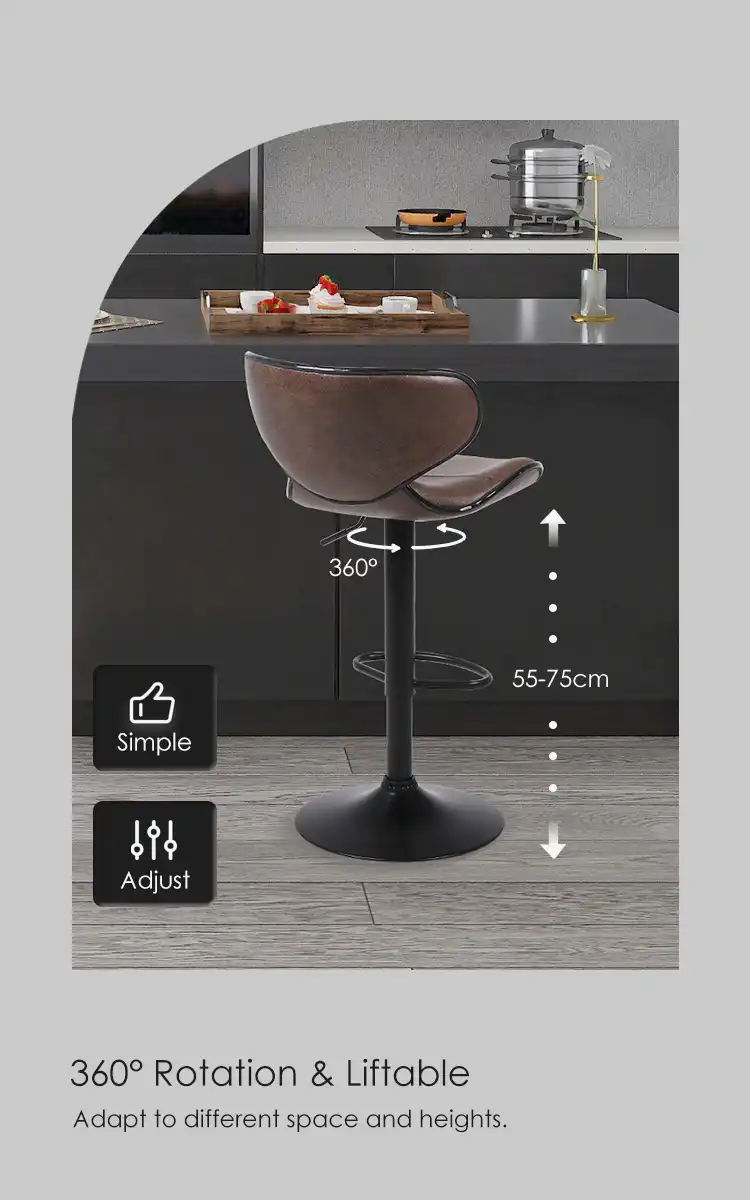
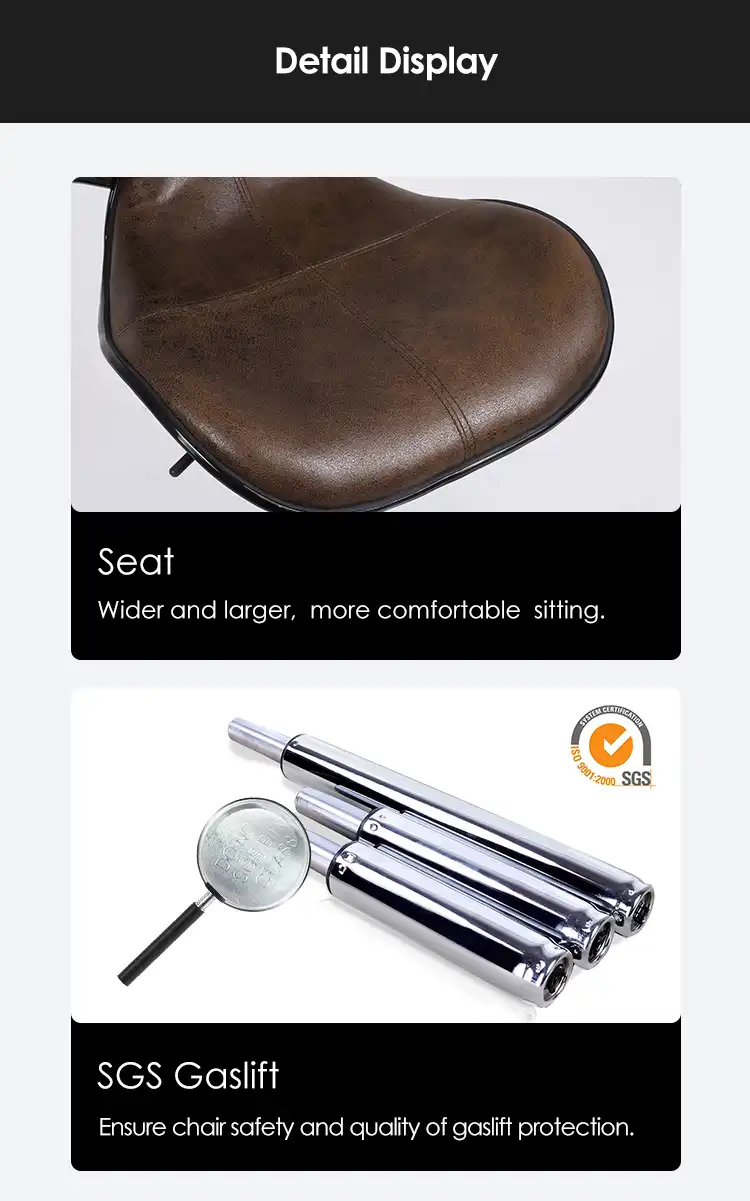
Modern chairs that can be adjusted use new engineering techniques that make them work better than fixed chairs. Class 4 pneumatic cylinders make it possible for smooth vertical movement through compression systems that are triggered by a handle. People can change the height of their seats quickly and easily, without any tools, to accommodate different body types and changing job needs throughout the day.
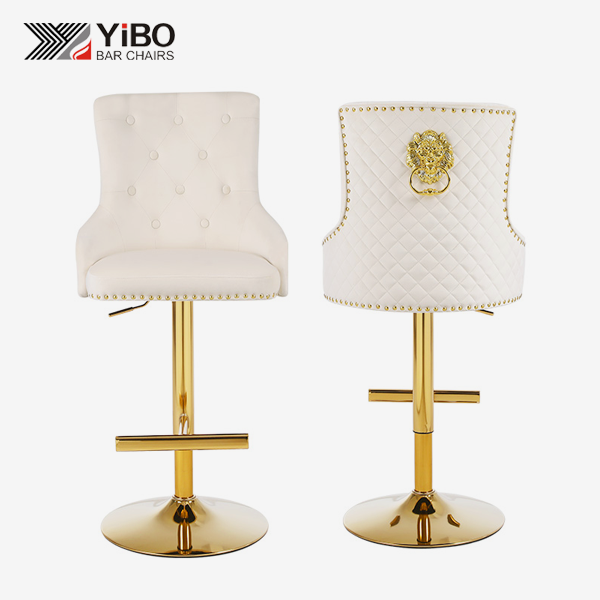
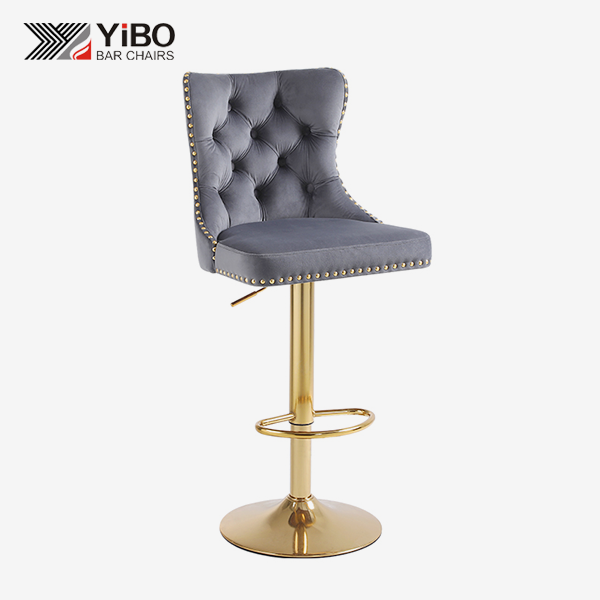
Commercial-grade goods are different from consumer types in how well they are built. The bottoms of high-end adjustable stools are made of strengthened stainless steel that can handle changes in height without breaking down. For structural stability, our manufacturing standards call for a plywood thickness of 1.0 to 1.2 cm, along with 3.8 cm of high-density sponge filling that stays flexible after thousands of compression cycles. The 0.8mm half-PU fabric doesn't stain or wear down easily in harsh food service or industrial settings, and the double-needle stitching on the front and back parts keeps the seams from coming apart too soon.
Ergonomic Advantages That Reduce Workplace Fatigue
Fixed furniture can't take care of physical stress points that adjustable seats can, such as a counter top height adjustable stool. The 360-degree swivel feature lets users turn toward tools or coworkers without turning at the waist. This small feature keeps people from getting cumulative strain injuries in jobs that require them to change directions a lot. When footrests are placed correctly for each user's leg length, they improve blood flow and relieve pressure on the back of the thigh, which is a typical problem with seats that are too small.
Customizing the height of desks is especially helpful when different body types share the same space over multiple shifts. The morning shift boss, who is 5'4", and the evening shift manager, who is 6'2", can both get the best natural position on the same stool. This means that there is no need for two sets of furniture. This flexibility stretches to different tasks; the same seating can be used for both thorough inspection work that needs to be done with an upright stance and more relaxed monitoring work that benefits from a slightly slanted position to reduce fatigue.
Durability Specifications for Commercial Applications
When buying things for businesses, you need seats that can handle heavy daily use without needing to be replaced often. Our movable stools can hold up to 300 pounds because they are designed so that loads are spread out across stronger fixing points. The steel frame design doesn't bend or crack under stress like cheaper options do. The tools for putting the chair together comes with four 6x14mm screws that are designed for industrial use. These screws keep the joints in place even when the user's weight or height changes.
When high production standards are met, there isn't much maintenance that needs to be done. In most business settings, the hydraulic cylinder will last longer than five years if it is inspected regularly to make sure it works smoothly and doesn't leak fluid. The type of furniture you choose has a big effect on how long it lasts. Vinyl options are resistant to water and chemicals in healthcare or lab settings, while cloth options that let air flow are better for climate-controlled office settings. Leather furniture looks great in places that serve food and drink, since how something looks affects how people feel about it.
Comparing Adjustable-Height Stools with Traditional Seating Solutions
When purchasing managers look at purchases in seating, they need to know how the success of different types of products varies. Fixed-height bar stools are cheaper to buy at first, but they can't be changed to fit changing business needs. If the dimensions of the restaurant's custom counters change during remodeling, the restaurant will have to buy new furniture, which can be expensive. This risk is removed with seats that can be adjusted to fit the final measurements.
Standing desk chairs are another way to compare, especially in offices that are switching to sit-stand setups. Even though these products can be adjusted for different heights, they usually have full backrests and bigger sizes that make them unsuitable for small desks or areas with a lot of foot traffic. Adjustable stools offer the same vertical range in smaller packages, making it easier to get in and out of busy areas and getting closer to the counter.
Backrest Considerations for Different Use Cases
Choosing between models with or without backs has a direct effect on how comfortable the user is and how much room is used. Backrest types offer back support, which is helpful for long periods of sitting, especially when doing administrative or focused inspection work. From working with hospitality clients, we know that backless designs work best in settings where people are constantly sitting and standing. This is because the lack of backrests makes mounting and dismounting faster without losing stability.
Choosing between leather, cloth, and vinyl for upholstery affects both how well it looks and how much upkeep it needs for a counter top height adjustable stool. Over time, leather develops a sheen that adds to the high-end look that is wanted in high-end restaurants and hotels. Commercial-grade fabric choices let air flow, which is better for long periods of sitting, while protective processes keep them stain-resistant. Vinyl has the easiest cleaning instructions, which is important for places like hospitals or kitchens that need to be cleaned often.
Counter Height vs. Bar Height Distinctions
Understanding the terms used in buying stops mistakes that cause projects to be late. Bar height models, which are 28 to 30 inches high, can fit 42-inch heights, while counter height models are usually 24 to 26 inches high to fit 36-inch surfaces. Adjustable systems fill in this gap, providing 33-41-inch ranges that work for both purposes, as well as the tricky middle heights that don't fit into any one category. This flexibility makes it easier for sellers to manage different types of venues or plan for future changes to how they are set up.
How to Choose the Best Adjustable-Height Stool for Unusual Counter Heights
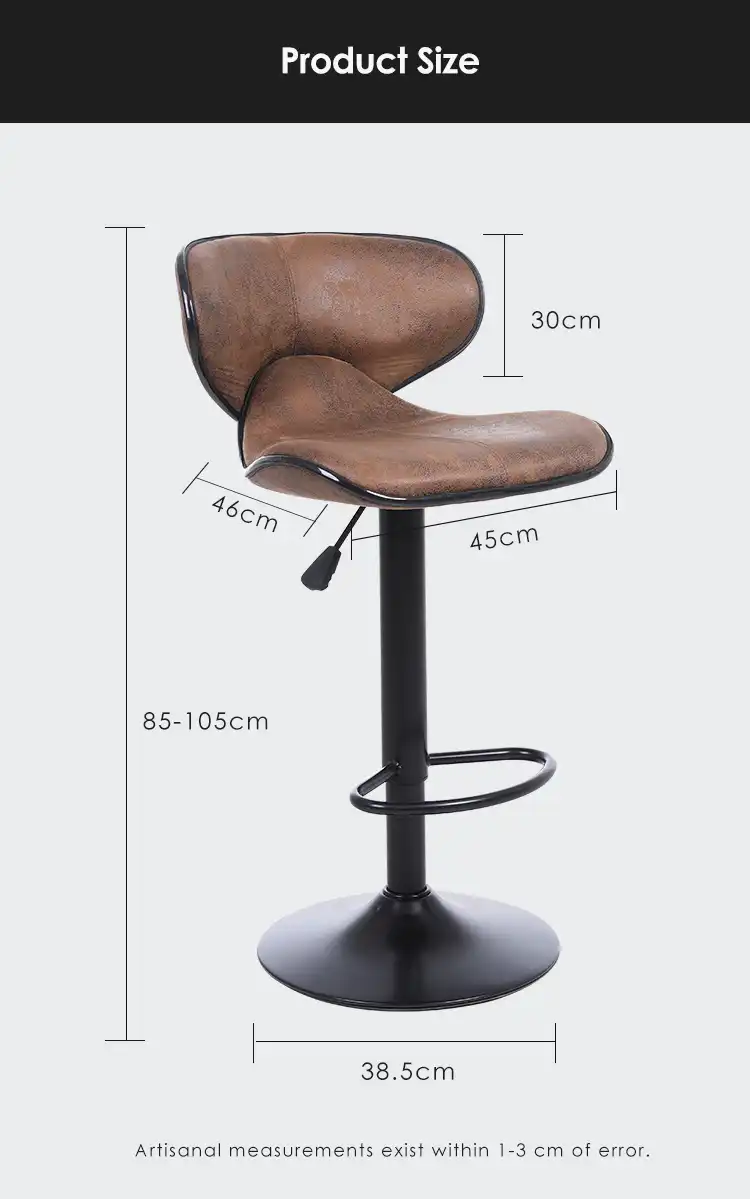
Accurate recording of dimensions is the first step to a successful purchase. Measure the height of the counter more than once to find changes. changes of just a millimeter can affect how well the ergonomics work. Write down the range needed by measuring the shortest and largest people who will be sitting on the seats and figuring out the best seat heights that keep the 10 to 12 inch gap between the seat surface and the table top.
Assessing the qualifications of manufacturers separates trustworthy partners from sellers looking to make a quick buck. Our factory is in Anji, Zhejiang, which is known as China's furniture manufacturing hub. It's 6,000 square meters and has special machines for making metal parts and padding. This vertical integration makes it hard to control quality when parts come from different sources. Because we have been making chairs for foreign markets for 14 years, we know what European and North American buyers need in terms of BIFMA approval and CE marking.
Critical Specification Checklist for B2B Buyers
Before placing big orders, people who work in procurement should check a number of technical factors for counter top height adjustable stools. Ratings for weight capacities need to match the types of people who will be using them. For example, a 300-pound limit covers 95th percentile body weights with enough safety gaps. Gas lift cylinder classes show how long they last. Class 4 cylinders, which can withstand more than 100,000 compression cycles, last much longer than Class 2 cylinders, which break after only 18 months of business use.
Landed prices are greatly affected by packaging tech. Our two-pieces-per-carton layout in 57x45.5x48cm packages makes the best use of containers, which lowers freight costs for large shipping. The 200-pound stacking capacity of the five-layer reinforced cardboard boxes keeps them from getting damaged in transport, which would lead to expensive refunds and project delays. When figuring out the total cost of ownership over a number of years, these factors are important.
Customization Capabilities for Brand Differentiation
OEM and ODM services help buyers make their products stand out in places with lots of competition. Our research and development team works together to make changes to materials, sizes, and looks that make goods fit the tastes of people in different areas. European wholesalers often ask for matte black finishes and simple features, while North American buyers in the hotel industry ask for chrome bases and bright upholstery colors. Because of the different time zones around the world, these changes need manufacturing partners that can be flexible with their output and communicate quickly. Our English-speaking sales team can help with both of these issues 24 hours a day, seven days a week.
Warranty terms show how confident the maker is in the product's longevity. Our normal business warranty lasts for one year and covers mechanical breakdowns and manufacturing flaws. For large-volume contracts, we can offer longer coverage. This safety is helpful when choosing furniture for rollouts at chain restaurants or makeovers at hotels, where the success of the project depends on how well hundreds of units work together.
Future Trends and Sustainable Solutions in Height Adjustable Stools
As companies align their purchasing with their sustainability goals, environmental duty plays a bigger role in B2B buying choices. These days, adjustable stools are made with recyclable steel in the frames and water-based adhesives for the fabric, which lowers the amount of volatile organic compound pollution. Our production methods follow the ISO 9001:2015 quality management standards, which say that we have to track how much energy we use and cut down on waste.
Material improvement makes products last longer while having less of an effect on the world. New bio-based polyurethane foams made from soy or castor oil offer the same level of cushioning as petroleum-based foams but leave a smaller carbon footprint. These products are good for LEED-certified building projects and buyers who want to sell to people who care about the environment.
Technological Advancements in Adjustment Mechanisms
Height-adjustable seats are getting better and better to use thanks to new engineering. Newer pneumatic cylinders have smoother damping that gets rid of the sudden drops that were common in older models. This makes the quality seem better and builds user trust. Some makers are looking into electric adjustment systems that can remember the user's chosen height, but these systems are more complicated and expensive than what is needed for most business uses.
The direction of the industry is toward flexible designs that make it easier to change parts instead of throwing away whole units. Field-replaceable gas tanks and upholstery pieces that can be swapped out increase the useful life while lowering waste. These features make it easier to service, which is especially helpful for big hotel groups that have to manage thousands of seating units across many properties. Centralized repair programs make the best use of these assets.
Conclusion
Investing in adjustable-height seating for counters with odd shapes and sizes, such as counter top height adjustable stools, gives real practical benefits that make up for the extra cost compared to set options. The ergonomic benefits directly lead to higher worker output and lower costs linked to injuries. Buying options with a single SKU that meet multiple height needs makes inventory management easier and allows for future changes to how the building is set up. These investments will last for years in tough settings thanks to high manufacturing standards that include strong materials, reliable systems, and commercial-grade construction. Companies that want to prioritize the health and safety of their workers while also keeping costs low find that flexible stools are the best way to meet all of their needs.
FAQ
1. What weight capacity should B2B buyers specify for commercial environments?
Commercial movable stools should be able to hold at least 300 pounds so that they can be used by a wide range of people safely. This grade makes sure that the structure stays strong even when the height is changed and the weight is moved around many times. Make sure that the capacity refers to the pneumatic cylinder, the base, and the seat mounting unit. Weak spots in any part affect how well the whole thing works.
2. How does upholstery selection impact maintenance requirements?
Vinyl furniture is easy to clean with disinfectant wipes, making it perfect for places like hospitals or kitchens that need to be cleaned often. Protective processes on commercial-grade fabrics make them both breathable and stain-resistant. Leather changes over time, but it needs to be conditioned every so often to keep it from cracking in dry places. Match the qualities of the material to how it will be used and how it will be cleaned.
3. Can adjustable stools accommodate counter heights outside the 36-42 inch range?
Adjustable systems of good quality usually let you set the seat height between 33 and 41 inches, and bar tops can be anywhere from 43 to 51 inches as long as you keep the right ergonomic difference. Custom production can make these ranges longer for specific uses, but technical changes may be needed to keep things stable at very high heights. Talk to the makers right away if the requirements are different from the norm.
Partner with YIBO for Your Adjustable Seating Requirements
Anji Yibo Furniture Co., Ltd. makes commercial-grade adjustable seating options that are designed to meet the needs of B2B buying workers who have to deal with unusual counter height issues. Our production experience includes 14 years of making adjustable chairs for hotels, stores, and offices around the world. We have been a seller of counter top height adjustable stool products for a long time and follow strict quality standards that won us ISO 9001:2015 and BIFMA certifications that buyers need for proof of compliance.
Our OEM and ODM services let you choose the materials, sizes, and styles that make your brand stand out in a crowded market. Our experienced transportation partners make sure that your orders are delivered on time, and our bulk buying programs offer price breaks at the container level. You can talk to our procurement experts at yb@ajyibo.com about your unique needs and ask for samples that show the quality that has made us a trusted production partner for distributors in over 70 countries.
References
1. Anderson, M. (2023). Ergonomic Seating Design for Commercial Kitchens: Impact on Worker Performance and Safety. Journal of Hospitality Ergonomics, 18(3), 112-128.
2. Chen, L., & Roberts, K. (2024). Material Science in Modern Furniture Manufacturing: Sustainability and Durability Considerations. International Furniture Research Quarterly, 41(2), 67-89.
3. Davidson, P. (2023). Procurement Strategies for Multi-Site Hospitality Operations: Balancing Cost and Quality in Furniture Sourcing. Commercial Interiors Management, 29(4), 203-219.
4. Henderson, R., Thompson, J., & Liu, W. (2024). Pneumatic Mechanisms in Adjustable Seating: Engineering Standards and Performance Testing. Furniture Technology Review, 36(1), 45-61.
5. Martinez, S. (2023). Workplace Ergonomics and Productivity: Quantifying the Impact of Appropriate Seating Solutions. Occupational Health Research, 52(3), 178-194.
6. Williams, T., & Zhang, H. (2024). Global Furniture Supply Chains: Quality Control and Manufacturing Excellence in Asian Production Centers. International Trade and Manufacturing Journal, 15(2), 91-107.