

 (1)_1777442575043.jpg)
Commercial Coffee Bar Stools for Modern Dining Environments
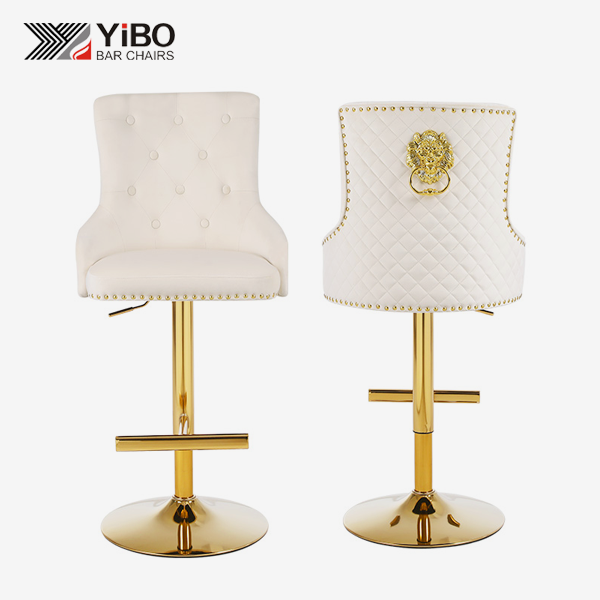
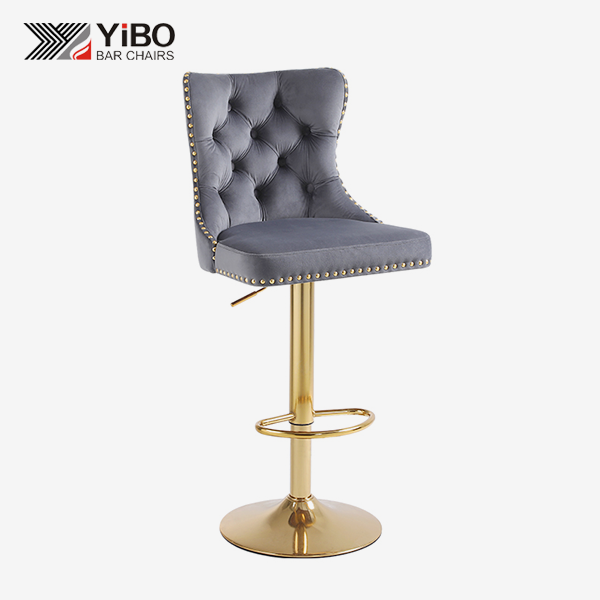
Coffee bar stools represent a specialized seating category engineered for the demands of modern cafés, espresso bars, and hospitality venues. Unlike standard bar seating, these units are calibrated to support the unique postures of beverage consumption and casual work sessions while enduring the chemical challenges of acidic liquids, dairy residues, and heat exposure. Designed for counter heights between 24-30 inches, they balance spatial efficiency with ergonomic support, serving as critical infrastructure in high-turnover commercial environments where customer comfort directly impacts dwell time and revenue optimization.
Understanding Commercial Coffee Bar Stools and Their Benefits
Commercial-grade seating options are very different from residential options because they have better structural engineering and material requirements. When environments need consistent performance over thousands of daily use cycles, this difference becomes very important.
Built for High-Traffic Durability
Commercial coffee bar stools go through a lot of tests that residential models don't have to go through very often. ANSI/BIFMA X5.1 rules say that standing loads must be greater than 300 pounds, and 800 pounds is often the point at which a structure breaks. This scientific method takes into account the different types of bodies and stress patterns that can happen in public places. For frame building, kiln-dried hardwoods kept at 8–12% moisture content are often used to keep them from warping in humid cafés, or tubular steel with powder coats that are 60–80 microns thick is used to make them resistant to chipping. Good structural integrity gets rid of the ongoing costs that come with replacing things too soon, which is a worry that has a big effect on operational budgets in hospitality projects.
Ergonomic Design for Extended Comfort
When people drink coffee, their stance changes a lot more than when they drink alcohol. While working on laptops or having a conversation over drinks, customers naturally lean forward. This is taken care of by good seating, which has lower back-friendly seat pan angles, lumbar support tuning, and footrest placement. High-density polyurethane foam with an ILD value of 35 to 50 and a density of at least 2.5 lbs/ft³ keeps you from "bottoming out" during long workouts. Adjustable height mechanisms allow for different counter configurations and keep operations flexible as floor plans change.
Operational Efficiency Through Material Selection
Material choices have a direct effect on the amount of upkeep work and the prices over the life of the product. Solution-dyed acrylics and high-quality vinyl furniture make walls that hot organic liquids can't get through. They can also be cleaned with bleach solutions without changing the color. Metal frames with self-leveling glides can adjust to uneven vintage tile floors that are common in remodeled cafés, so staff doesn't have to keep making adjustments. When you multiply these practical factors by the number of containers you buy, you can see that they save you money.

How to Choose the Right Commercial Coffee Bar Stools?
Systematic ways of buying things work better than making decisions on the spot. Long-term happiness and cost-effectiveness are guaranteed when selection factors are in line with how things work in the real world for coffee bar stools.
Determining Optimal Height and Adjustability
Ergonomic standards require 10–12 inches of clearance between the seat surface and the countertop to prevent knee contact and maintain proper elbow bend, and coffee bar stools must be specified accordingly. Counter-height models with 24–26-inch seats suit coffee shops where customers engage with baristas, while bar-height models with 28–30-inch seats better accommodate window seating or raised community tables. Adjustable mechanisms offer flexibility for multi-purpose spaces but introduce technical complexity that should be weighed against specific durability requirements. To expedite specification discussions, we recommend measuring existing counter equipment before initiating supplier conversations.
Material Considerations for Brand Alignment
Wood frames give off a warm look that fits with the culture of craft coffee, but they need to be polished every three months, a nd the humidity needs to be checked. Metal construction looks industrial and doesn't need much maintenance—daily wiping and a once-a-month glide inspection are enough for most uses. Upholstery fabric must be stronger than Contract Grade standards, with Wyzenbeek ratings of more than 50,000 double rubs or Martindale cycles of more than 30,000. Hydrophobic C0 DWR techniques keep spills from happening without using PFAS chemicals. This improves performance and cares for the earth. When planning for procurement, it's important to think carefully about how the choice of materials affects the brand's identity.
Supplier Evaluation Beyond Pricing
Certifications prove that production standards are met, especially when buying from other countries. Export-experienced suppliers handle complicated logistics issues like optimizing containerization and customs paperwork with ease. OEM and ODM features let you change the sizes, finishes, and arrangements of the package to fit the needs of specific markets or your own private label strategies. Sample testing before making commitments at the container level lowers risk; a physical inspection shows details that can't be shown on specification sheets. Verification of production capacity and lead times makes sure that delivery schedules match up with project milestones and don't cause costly delays.
Coffee Bar Stool Styles and Material Guide
Visual consistency between the seating and the general design of the place improves how people see the brand and affects how they feel and what they buy.
Popular Style Categories and Applications
Specialty coffee bar stools that cater to city workers should use modern, simple designs with clean lines and one color scheme. Farm-to-table ideas and handmade brand marketing go well with rustic styles that use reclaimed wood and metal finishes that have been worn down. Businesses that want to create a nostalgic atmosphere like shapes that look old and have button stitching and patina treatments. More and more, co-working places like swivel mechanisms with 360-degree return features that make it easier for people to work together without messing up the floor plan when they're not in use. Matching style vocabulary to customer demographics raises perceived value and comfort levels, which makes people stay longer.
Wood Versus Metal Frame Analysis
Acoustically dampening properties of hardwood frames lower background noise in open-plan venues and make the frame feel warmer. The grain designs on ash and walnut species make the quality seem higher, but they need to be maintained with protective finishing routines and humidity control. Metal frames offer unmatched structural consistency and lower variation in manufacturing tolerances, which is very important when ordering large quantities of containers where uniformity from piece to piece is important. Chemical sanitizers are used to clean high-volume processes every hour, but powder-coated steel doesn't react with them. Cost structures for different materials are very different, but in harsh environments, metal is often the best choice when it comes to lifecycle costs like maintenance labor.
Upholstery Choices Impacting Maintenance
Leather upholstery conveys premium aesthetics and simplifies cleaning, though genuine hides develop patina that some brands embrace while others perceive as wear, and coffee bar stools must be evaluated accordingly. Aniline treatments preserve natural grain character but reduce stain resistance. Performance textiles designed specifically for hospitality applications now offer fabric options with stain resistance, antimicrobial treatments, and colorfastness exceeding AATCC 8 wet and dry crocking standards. As environmental reporting becomes integral to corporate processes, sustainable materials gain traction. Long-term satisfaction in commercial deployments requires balancing aesthetic aspirations against practical maintenance requirements.
Maintenance and Longevity: Ensuring Commercial Coffee Bar Stools Stay in Top Condition
Preventative repair programs keep investments safe and keep the customer experience that leads to return business and good reviews.
Common Issues in Commercial Settings
Surface scratches from bag gear and cell phones get worse over time, making the bag look less nice. Wear on upholstery is most noticeable at friction points, like seat edges and backrest contact areas, where fibers break down more quickly. Concerns about hygiene arise in food service settings where health inspectors look closely at how seats are set up. When you sit down and stand up, the footrest's vertical downward forces put stress on the welds and joints, which can lead to wear. Footrests made by good companies are tested more than 50,000 times, but in the field, things like bad usage habits can speed up the wear and tear of coffee bar stools.
Material-Specific Cleaning Protocols
For wood surfaces, pH-neutral cleaners should be used with cotton cloths to avoid using too much water that gets into the grain structure. Conditioning the finish every three months with the right oils keeps it in good shape and stops cracks from drying out. Stronger cleaners can be used on metal frames, but rough pads shouldn't be used near powder-coated surfaces. Upholstery protocols are very different. For example, disinfectant wipes can be used between vinyl seats, but fabric needs to be extracted and cleaned at set times based on traffic volume. Through working together with clients, we've learned that written cleaning plans lower the total cost of ownership by a lot compared to fixing damage after it's too late.
Real-World Performance Data
A regional coffeehouse company with 23 locations shared upkeep data that showed that seats lasted an average of 6.2 years longer in locations that had professional cleaning every three months compared to 3.8 years in locations that only had staff cleaning every day. The investment in preventative maintenance led to 63% longer usable periods, which greatly sped up the time it took to replace capital. In another case, a hotel entrance café switched from cotton-blend cloth to solution-dyed acrylic upholstery, which cut the number of replacements needed because of stains by 78% per year. These results show that choosing the right materials and planning for upkeep pays off in a measured way.
Comparing Coffee Bar Stools: Making Informed B2B Choices
Instead of just looking at individual specs, structured comparisons that weigh features against business goals are better for making purchasing choices for coffee bar stools.
Swivel Versus Stationary Base Configurations
Swivel systems make things easier for people to use in social settings that are always changing, where people move around a lot to talk to other people or get to power outlets. Memory return functions set seats back to facing forward automatically when they are vacated, which saves staff time and effort in keeping things in order. When customer flow is regular, and change rates are high, linear counter arrangements work best with stationary bases. The complexity of the mechanics means that it might need to be maintained, which needs to be taken into account when figuring out the total cost over the expected service life.
Adjustable Versus Fixed-Height Models
Adjustable coffee bar stools accommodate varying counter heights within the same venue, proving particularly valuable during renovations or as concepts evolve. Gas lift systems designed for commercial use withstand frequent adjustment cycles without premature failure. Fixed-height models eliminate moving parts requiring service, offering lower initial cost and reduced long-term maintenance. The decision point centers on operational flexibility requirements—venues with multiple use configurations throughout the day benefit from adaptability, while coffee shops often prioritize fixed construction reliability.
Budget Segmentation Strategies
Entry-level business seating has to be both affordable and durable enough to be used in areas with mild traffic or for short periods of time. Better ergonomic features and higher-quality materials in mid-range options make them last longer in typical café settings. Premium groups focus on flagship sites where seating helps set the brand apart and where high standards for the customer experience support a higher investment per unit. Buying in bulk at the container level gives you negotiating power no matter what segment you're in, though MOQ requirements vary a lot from manufacturer to manufacturer. In strategic budget allocation, the cost of acquisition isn't the only thing that's thought about. Replacement costs, upkeep costs, and the value of brand harmony are also taken into account.
Procurement Channels and Best Practices for Bulk Commercial Coffee Bar Stool Orders
Managing ties with suppliers and the details of buying things is just as important to the success of a project as choosing the right products.
Direct Manufacturer Relationships Versus Marketplaces
Online markets make prices clear and protect buyers, which makes them good for trying things out or buying small amounts. When you work directly with the manufacturer, you can get customization options, flexible payment terms, and technical support that you can't get with generic platforms. Suppliers who have been making seats for export markets for 14 years or more have a lot of experience with optimizing containers, making sure paperwork is correct, and making sure quality is consistent across large orders. We set up shop in Anji, China, which is known as the furniture-making hub, so that customers can directly oversee production and get samples quickly, which is harder to do through middlemen for coffee bar stools.
OEM and ODM Opportunities
Private label strategies let retailers and distributors strengthen brand identity by making changes to the specifications. With an OEM agreement, you can brand already-made products with your own logo, which cuts down on the time it takes to get new products on the market. Through ODM collaborations, manufacturers can use their design skills to make unique products that fit your market positioning. For both methods to work, suppliers must have professional R&D teams that can turn conceptual needs into specifications that can be used in production. Sample iteration methods make sure that the design goal is clear before committing to container volumes. This keeps expectations and action from becoming misaligned, which can be very expensive.
Managing MOQ and Lead Times
Minimum order quantities usually match the economics of containers. Knowing how to use cubic footage helps optimize order configurations. Lead times include approval for samples, ordering production, the time it takes to make something, and the time it takes to ship something internationally. Experienced suppliers give realistic deadlines that take into account production cycles that change with the seasons and times when logistics are busy. Negotiating payment terms is a good way to manage cash flow and reduce supplier risk. Different letter of credit arrangements and deposit structures are used depending on the order value and the length of the relationship. Price isn't the only thing that matters; warranty coverage and after-sales support terms are just as important. This is because problems that happen after delivery can stop operations in business settings if settlement methods aren't clear.
Conclusion
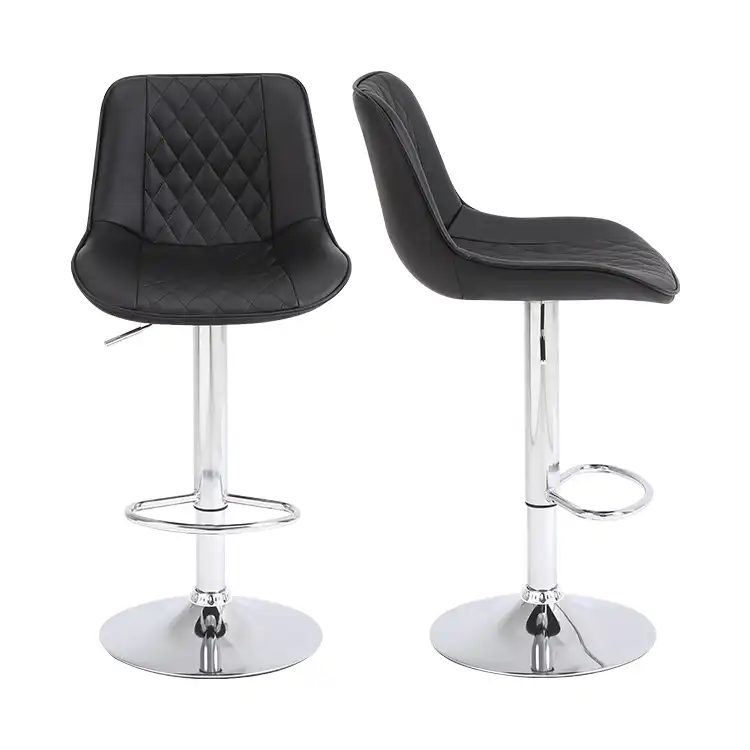
When choosing industrial coffee bar stools, you need to think about how well they fit your body, how long the material will last, how well they look, and what the seller can do. Chemical resistance, structural integrity, and easy maintenance are just a few of the specific needs of hospitality environments that set quality products apart from others that look the same. Systematic methods to buying that include sample confirmation, seller evaluation, and lifetime cost analysis produce better results than choices that are only based on price. As business dining rooms change to suit mixed work schedules and experience retail concepts, the infrastructure for seats must also change. This can only be done by carefully specifying what is needed and working with dependable manufacturers.
FAQ
What seat height works best for standard coffee counters?
Ergonomic comfort is achieved by leaving 10 to 12 inches of space between the seat surface and the countertop. Standard brew bars at 36 inches height pair with 24-26 inch seat heights, while elevated communal tables at 40-42 inches require 28-30 inch bar-height seating for coffee bar stools.
Can eco-friendly materials withstand commercial usage demands?
Modern products that are good for the environment meet strict business standards. Solution-dyed recycled polyester fabrics can go through more than 50,000 Wyzenbeek cycles, and FSC-certified hardwoods are just as durable as wood from other sources. Performance no longer means putting environmental responsibility at risk.
How do maintenance requirements differ between wood and metal frames?
Metal frames need to be wiped down every day and have their glides checked every so often, while wood frames need to be polished every three months and their humidity levels checked to keep the joints from cracking. Metal can handle the stronger cleaners used in industrial sanitization protocols, which cuts down on the work needed for long-term upkeep.
Why do buyers prefer memory return swivel mechanisms?
Memory return functions put empty seats back in front-facing places automatically, keeping the visual order without any help from staff. This feature keeps the look of the floor plan uniform with the brand while lowering labor costs in places with a lot of change.
Partner with YIBO for Your Commercial Coffee Bar Stool Requirements
YIBO has 14 years of experience making specialized coffee bar stools. They are from Anji, Zhejiang, which is the center of China's chair production industry. Our 6,000-square-meter building has modern tools and skilled workers who can deliver large orders that meet international quality standards. As a dedicated provider, we offer OEM and ODM customization through our professional research and development team. This lets you choose the right material, finish, and size for your market placement. Compliance with BIFMA testing is part of our quality assurance processes. Our warranty coverage and 24-hour response pledge protect your purchase investment. You can ask for samples to see how well we do our work or email our experienced sales team at yb@ajyibo.com to talk about your project's needs. Visit ajyibo.com to look through our full catalog and learn how strategic manufacturing relationships can turn buying seats from a transactional purchase into a competitive edge.
References
1. American National Standards Institute. (2021). ANSI/BIFMA X5.1-2021: General-Purpose Office Chairs – Tests. Business and Institutional Furniture Manufacturers Association.
2. Chen, L., & Martinez, R. (2022). Material Performance in High-Traffic Hospitality Environments: A Comparative Analysis. Journal of Commercial Interior Design, 18(3), 45-62.
3. Hospitality Furniture Association. (2023). Procurement Best Practices for Multi-Unit Restaurant Operations. HFA Industry Report Series.
4. Thompson, K. (2020). Ergonomic Design Principles for Commercial Seating Applications. International Journal of Workplace Health Management, 13(2), 112-128.
5. Wilson, D., & Zhang, Y. (2023). Supply Chain Optimization in International Furniture Manufacturing. Global Trade and Logistics Quarterly, 29(4), 201-219.
6. Xu, H. (2022). Sustainable Materials in Contract Furniture: Performance and Environmental Impact. Environmental Design Research Journal, 7(1), 88-104.