

 (1)_1777442575043.jpg)
Nordic Dining Chairs Featuring Minimalist Design and Comfort
When we talk about transforming commercial dining spaces with furniture that balances visual simplicity and practical comfort, the nordic dining chair stands out as a proven solution. Rooted in Scandinavian design philosophy from the mid-20th century, these chairs merge clean aesthetics with ergonomic functionality. For B2B buyers sourcing seating solutions for hospitality venues, corporate dining areas, or retail showrooms, understanding what makes Nordic-style seating effective goes beyond surface appeal—it addresses real challenges like space optimization, guest comfort during extended use, and brand differentiation through thoughtful design.
Understanding Nordic Dining Chairs: Design and Functionality
Origins and Evolution of Nordic Design Principles
Nordic furniture design began after World War II, when Scandinavian craftsmen wanted to make good design more available by making useful pieces. Unlike traditional styles that are very fancy, this movement focused on using real materials and making things that fit people's bodies. The idea of "hygge," which means making spaces warm and welcoming, became important to Nordic interior design. In this style of chairs, the structure is very clear, and the joinery and wood grain are not hidden but become part of the look. Modern business seating is still influenced by this historical background, especially for buyers who want classic pieces that won't look out of style when the seasons change.
Key Material Characteristics and Construction Methods
Real Nordic-style furniture is made with a lot of carefully chosen hardwoods. Solid oak, ash, and beech are still the best options because they are strong for their weight and naturally flexible. Our production process at Anji Yibo Furniture Co., Ltd. keeps the wood's moisture level between 8 and 12% so that it doesn't warp in different climates. This is an important requirement for sending goods from outside of China to North America. Mortise-and-tenon joinery is often used to build the frame, and corner blocks are used to reinforce it. This way, there is no visible hardware, which would ruin the clean lines of the frame. With steam-bending technology, we can make curved backrests with a continuous grain structure. These are more beautiful to look at and more stable than cut curves.
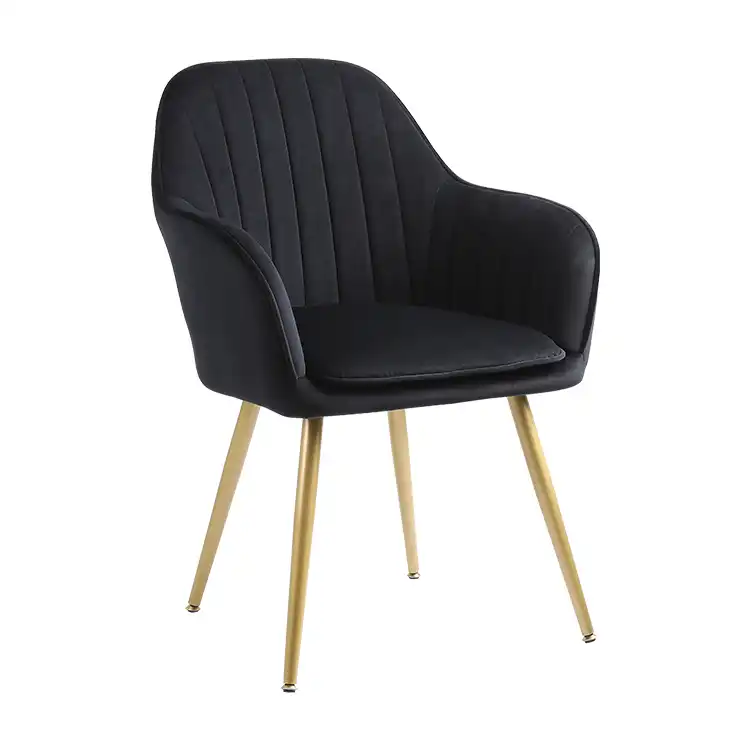
We offer stitched luxury velvet fabric and eco-friendly textiles that meet commercial durability standards as upholstery options. Our YB-1107 model's thickly padded seat pads and backrests make it comfortable to sit and eat for long periods of time without having to be big. Floor safety pads are standard, which eases the worries of building managers who are worried about damage to surfaces in areas with a lot of foot traffic.
Ergonomic Features Supporting Extended Use
For Scandinavian-style seats, ergonomics isn't about adjusting the systems; it's about the way the pieces are put together. Standard seat heights of 44 to 46 cm fit nicely with eating tables that are 75 cm in diameter, and the backrests are shaped to support the lower back without being too rigid. This way of thinking about design includes what we call "active sitting"—small changes in posture that make business meals and meeting meals less tiring. Armless designs let you get closer to the table and make getting in and out of small spaces easier, while models with slight arm supports make lounge-style eating areas more comfortable. Our 150kg weight capacity shows how strong the engineering is behind profiles that look delicate. It meets the contract-grade standards needed for commercial installations.
How to Choose the Right Nordic Dining Chair for Your Business Needs?
Evaluating Space Requirements and Dimensional Fit
Commercial venues continually face pressure to maximize seating capacity without compromising comfort, and nordic dining chair designs excel in this balance due to their compact footprint. Our standard dimensions of H: 83cm, W: 58cm, D: 58cm allow adequate spacing between chairs while fitting more covers per square meter than larger traditional models. When planning restaurant or hotel dining room layouts, procurement teams should calculate not only fixed dimensions but also the "circulation space" required for guest and staff movement. Chairs with curved legs and open backrests visually lighten the room and create a more spacious impression—particularly valuable in urban settings where every square foot carries premium cost.
Material Durability and Maintenance Considerations
Different hospitality settings need different amounts of toughness. Hotel dining areas that get a lot of use need finishes that can stand up to daily cleaning chemicals, while high-end restaurants may value natural color development. Lacquered finishes offer sealed protection that is great for places that are family-friendly. On the other hand, oiled surfaces feel warm to the touch and can be fixed; scratches can be sanded and re-treated instead of needing to be replaced completely. Even though velvet furniture looks expensive, it has been surprisingly durable in our business uses when given the right Martindale ratings, which are above 30,000 rounds. Buyers should ask for proof that the product meets the requirements of ANSI/BIFMA X5.1 or EN 16139. These standards make sure that the structure is strong by testing it with heavy static loads and drops.
Color and Finish Options for Brand Alignment
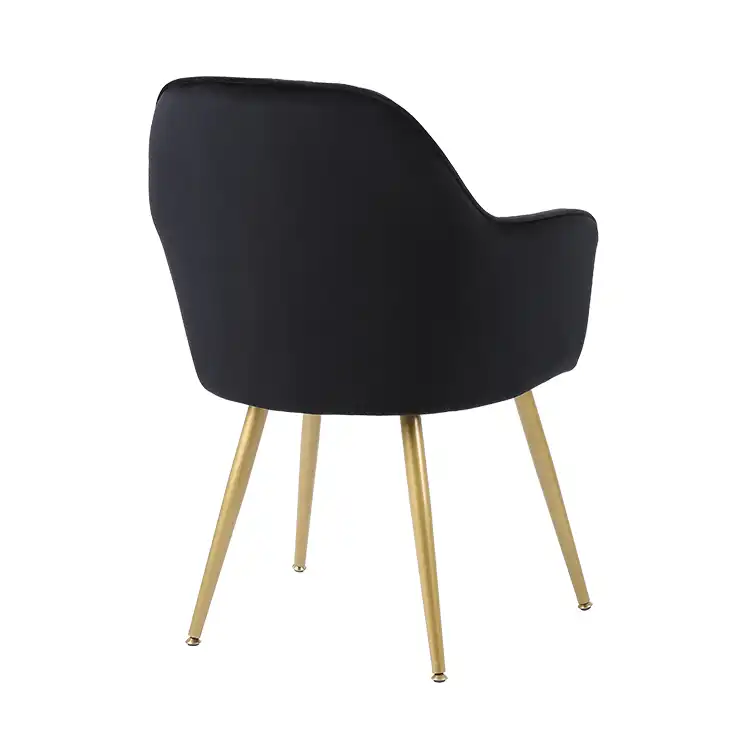
Customers are more likely to buy something if the furniture and brand identity look like they belong together. Natural wood finishes give the furniture an organic feel that works well with farm-to-table ideas, while walnut tones make the furniture look more elegant for high-end eating programs. Our custom color choices go beyond standard wood tones and include matte black and white finishes that look great in modern rooms. Working with an experienced manufacturer is helpful because we can match specific Pantone references or give you samples before you commit to orders for containers. With this customization feature, hospitality groups can keep the look consistent across multiple locations while also adapting to local tastes.
Top Nordic Dining Chair Solutions for Global B2B Procurement
Partnering with Established Manufacturers
Buying straight from skilled producers has real benefits over buying through distributors. Since Anji Yibo Furniture Co., Ltd. has been making ergonomic sitting options for 14 years, we've gotten better at every step of the manufacturing and exporting process. Our 6000+ square meter facility is in Anji, Zhejiang, which is known as China's chair manufacturing hub. It combines traditional craftsmanship with modern production tools. Because of where they are located, these furniture factories can easily find trained workers and expert suppliers that other furniture factories can't match.
Having a relationship with a supplier is valuable for more than just the price. Our one-year maker guarantee shows that we are confident in the quality of the build, and our helpful sales team answers technical questions within 24 hours, no matter what time zone they are in. When buyers are planning phased rollouts or expansion projects, it's helpful to know that their seating partner keeps up steady production capacity. We ship multiple containers every month, so reorders can be made without having to wait longer for delivery.
Understanding Bulk Order Economics and Logistics
By lowering the cost of shipping each piece and improving production efficiency, buying at the container level changes unit economics. Our packing specifications—two pieces per box, 60x59x59cm, and 0.209 cubic meters in volume—make the best use of container space. For large orders, shipping usually takes 30 days because we have good relationships with freight forwarders and customs traders who know what paperwork is needed for furniture. In addition to helping with logistics for shipping, we offer packaging that takes up less space and lowers the cost of storage at the destination, which is something that responsible manufacturers see as an important part of total customer value.
When procurement teams look at prices, they should not only look at the FOB price, but also the total landed cost, which includes handling fees, duties, and interior travel. Because we've exported to 70 countries, we can give you advice on how to meet the unique requirements of each market, such as the California TB117-2013 flame retardance standards or the European REACH chemical limits. This advice helps buyers avoid delays or rejections at customs clearance that cost a lot of money.
Customization Capabilities for Private Label Programs
OEM and ODM services provide wholesalers with essential pathways to differentiate their product lines, and nordic dining chair customizations are a key focus of this capability. Our professional R&D team, comprising 10 or more specialized staff, facilitates sample development from technical drawings or concept sketches. This capability enables buyers to modify dimensions, materials, or structural details to create distinctive designs unavailable elsewhere. Custom labels, hang tags, and packaging inserts can be tailored to support retail placement strategies and meet branding requirements.
Before starting full production runs, the development process starts with small samples to make sure the design purpose is clear. We keep a full factory showroom with examples of our best-selling exports so that buyers who come to see us can see what we mean when we talk about changes. This way of working together lowers the risk that comes with cross-border manufacturing partnerships, where misunderstandings can lead to stock that can't be used.
Future Trends and Sustainability in Nordic Dining Chairs
Adoption of Eco-Conscious Materials and Processes
Environmental duty used to be just a business term, but now it's a real factor in how things are bought. Stakeholders are putting more and more pressure on corporate buyers to show that their supply chains are sustainable. Our way of making things meets these standards by using FSC-certified wood, which proves that forests are managed in a way that balances business harvesting with protecting the environment. Low-VOC finishing techniques lower harmful emissions during production and throughout the lifetime of a product. This helps make living areas with better indoor air quality.
The shift toward circular economy ideas shows up in design choices that put durability and repairability first. Seat cushions that can be replaced and solid wood frames that can be refinished make this furniture last longer than the usual 5 to 7 years between replacements for commercial furniture. This durability helps the economy by lowering annualized costs and disposal costs, and it also supports corporate social responsibility reporting, which stakeholders are looking at more closely.
Innovations in Modular Design and Adaptability
New ideas in hospitality need furniture that can be easily changed to fit different service models. Operators of modular seating systems can change the layout of spaces to suit different times of the day. For example, components that can be stacked or linked together can be used to turn intimate dinner seating into communal breakfast layouts. In the past, Nordic designs focused on pieces that could stand alone. Modern versions of these styles include these practical concerns without losing their beauty. Our research and development (R&D) is mostly focused on creating protective stacking connectors and connection systems that keep the clean lines that buyers want while giving places the functional flexibility they need.
The use of biophilic design principles, which connect people to natural elements, goes well with Nordic color schemes. Exposure to natural wood textures has been shown over and over again to lower stress levels and improve how good an environment is seen to be. These psychological effects lead to measurable business results, such as happier guests, longer stays, and better brand associations. When these experiential dimensions are taken into account in procurement decisions, they go beyond buying goods and become strategic investments in assets.
Practical Tips for Integrating Nordic Dining Chairs into Your Product Line or Facility
Coordinating with Table Designs and Interior Themes
Careful coordination of elements is the key to making business spaces look good. Nordic dining chairs go well with solid wood tables that have simple apron designs or modern designs that have metal trestle bases. The key is to find the right balance of sizes. For example, heavy country tables can make chair frames look too weak, and very minimalist glass tables might not look heavy enough to hold up padded seats. Color relationships are just as important. For example, natural wood tones create a warm atmosphere that flows, while mixing black chairs with light oak tables creates a striking contrast that works well with modern ideas.
When working with Nordic seats, designers should think about how the pieces will look together. A single chair shows off the artist's skill, but a dining room full of them creates rhythm with their repeated vertical lines and natural curves. The calming effect that draws people to Scandinavian-styled spaces is amplified by this pattern repetition. Choosing the right lighting can bring out these qualities even more. Warm LED temperatures between 2700K and 3000K go well with wood tones, and harsh overhead fixtures that cast unflattering shadows on faces while dining are avoided.
Maintenance Protocols for Long-Term Performance
To protect your furniture purchases, you need to set clear care guidelines. For daily upkeep, all you have to do is dust the surface or wipe it down with a wet cloth. Every week, routines should check to see if joints are still tight. If they are, loose connections can be tightened up before they cause damage to the structure. Regular vacuuming of upholstered models keeps dust from building up in the fabric weaves, which extends the life of the fabrics and keeps them looking good. Operators should set up rotation plans for places that get a lot of use so that wear is spread out evenly across the collection instead of focusing on a few pieces.
The environment has a big effect on how long solid wood furniture lasts. Keeping the relative humidity between 40 and 60% stops the checking and breaking that happens when the air inside gets too dry in the winter or too wet in the summer. Placement choices should try to keep things out of direct sunshine, which fades finishes unevenly and speeds up their decline. These preventative steps don't cost much to take but make furniture last a lot longer, which increases the return on investment.
Another aspect of upkeep that is often ignored is training the staff. Using the right techniques for handling things while cleaning keeps you from hitting things by accident and chipping finishes or putting stress on joints. Clear rules about how to stack and store things during special events cut down on the small damage that builds up over time and shortens the life of furniture. Teams that spend a few hours learning together will perform better for years to come.
Conclusion
When choosing seats for a business setting, you have to balance your stylistic goals with the practical needs of the space. Nordic dining chairs solve this problem with designs that have been useful for decades in a wide range of situations. The simple words that describe this style—clean lines, honest materials, and sensible proportions—go beyond passing trends and offer real performance benefits. When business-to-business buyers know the technical details behind visual simplicity, they can confidently make buying choices that meet both short-term budget needs and long-term quality standards. The global market for Scandinavian design keeps growing because business owners know that well-designed furniture improves the experience of guests and helps build a brand.
FAQ
What distinguishes Nordic from Scandinavian dining chairs?
The words "Nordic" and "Scandinavian" are often used interchangeably, but "Nordic" actually refers to a larger area than just Denmark, Norway, and Sweden. It includes Iceland and Finland as well. From a design point of view, there aren't many differences between the two. They both focus on functionalism, natural materials, and equal access. When reviewing providers, buyers should pay more attention to specifics about the building and the materials used than to geographical terms.
Do these chairs provide adequate support for extended meetings?
Good Nordic-style furniture uses practical design principles by having shaped backrests and seat shapes that spread weight evenly. Our models have thick, padded pads that make sitting comfortable for two to three hours, which is normal for business dinners or meeting meals. The most important thing is that the dimensions are right. The seat depth should let people sit all the way back while still leaving a little space behind their knees to keep blood flowing properly during long periods of use.
Can I customize dimensions for specific space constraints?
Manufacturers with a lot of experience offer full customization services. We often change standard sizes to fit different plan needs. For example, we might narrow the seats for small urban spaces or change the heights of the backs to suit different esthetic goals. The customization process starts with talking about your space needs and functional requirements. Next, a sample is made to make sure it fits perfectly, and only then do full production runs for container orders.
Partner with YIBO for Your Nordic Dining Chair Manufacturing Needs
Our 14 years of experience at Anji Yibo Furniture Co., Ltd. means that we can bring both traditional craftsmanship and modern production methods to every seating project. Our full OEM and ODM services help foreign furniture importers, wholesalers, and business contractors who are looking for trusted production partners. Our team offers quick technical support and customizable options that fit your brand's setting, whether you're making a private label collection or finding contract-grade seating for restaurant setups. You can talk to our expert sales team about your needs by emailing yb@ajyibo.com, or you can visit ajyibo.com to see all of our products. We're happy to hear from people who want to order by the container and can't wait to show you why top buyers in 70 countries choose YIBO as their go-to Nordic dining chair supplier for efficient, high-quality production.
References
1. Fiell, Charlotte and Peter. "Scandinavian Design." Taschen, 2019. Print.
2. Hansen, Per H. "Danish Modern Furniture: 1930-2010." Arnoldsche Art Publishers, 2018. Print.
3. Marcus, George H. "Design in the Fifties: When Everyone Went Modern." Prestel Publishing, 2016. Print.
4. Sparke, Penny. "The Modern Interior." Reaktion Books, 2020. Print.
5. Ufberg, Rachel. "Biophilic Design: The Architecture of Life." Rizzoli International, 2021. Print.
6. Woodham, Jonathan M. "Twentieth-Century Design." Oxford University Press, 2019. Print.