

 (1)_1777442575043.jpg)
Counter Stool vs Bar Stool: Advice For Restaurant Owners
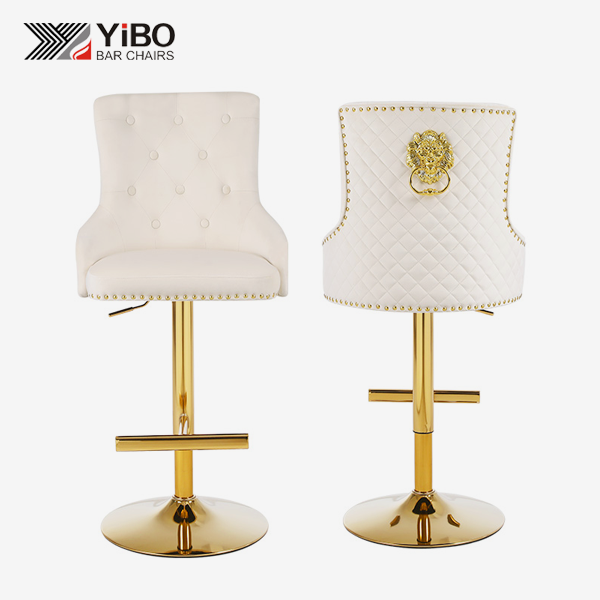
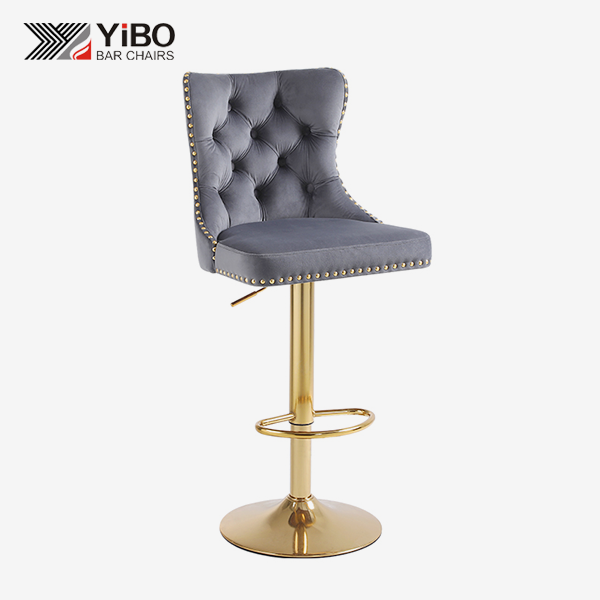
When choosing seats for hospitality places, the difference between counter and bar height has a direct effect on how comfortable guests are, how well space is used, and how smoothly operations run. When choosing restaurant stools bar chair, it's not just about height; it's also about how well they fit with the brand and how long they will last. The seat height of counter stools is usually between 24 and 27 inches, which fits 36 to 39-inch tables. The seat height of bar stools is between 28 and 32 inches, which fits 40 to 46-inch bars. By knowing these differences, procurement managers can find the best chair arrangements for busy business spaces that balance how they look with how well they work.
Understanding the Basics: What Are Counter Stools and Bar Stools?
Height Specifications and Ergonomic Standards
Dimensional planning is what makes the main difference. Counter-height seating fits on normal kitchen tables and casual dining surfaces, giving people a place to rest their forearms while they eat. Bar-height versions are made for areas with high surfaces, like lounges and drink bars, which need built-in footrests to keep legs from getting tired. Anji Yibo's manufacturing standards are based on ergonomic research that says a seat-to-surface clearance of 9 to 13 inches encourages good alignment and lower back pain during long times of sitting.
Construction Types and Material Durability
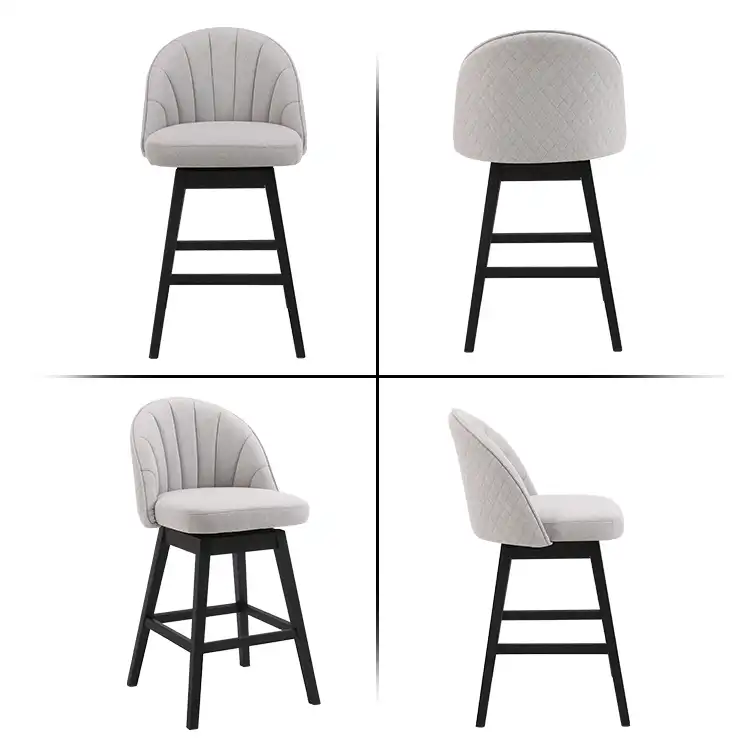
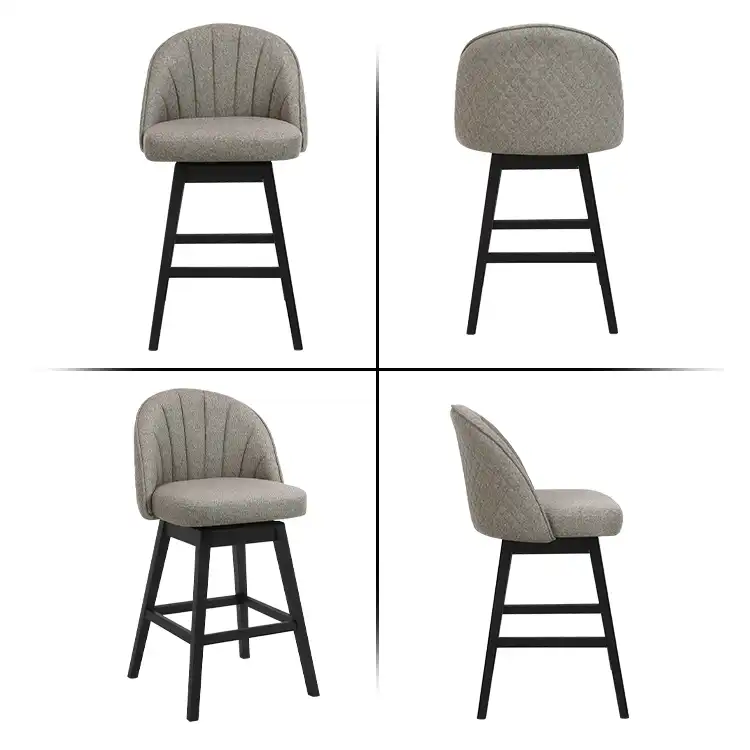
There are different types of structures for commercial-grade seats, such as restaurant stools bar chair frames. Fixed frames are better for quick-service areas because they are more stable, while swivel models with square brackets that can rotate 360 degrees make them easier to get to in small places. Backless designs make the most of the space under the counter and make it easy to turn over tables quickly. On the other hand, backed designs with lumbar support encourage guests to stay longer, which is important for figuring out the income per seat. Choosing the right materials is also very important. For example, our linen upholstery can stand up to commercial washing machines, and our jet black rubberwood feet make quiet touch with the floor and look good in a variety of interior designs.
Assembly and Maintenance Considerations
Professional setups put an emphasis on making things easy to put together without sacrificing structural stability. Our seating options come with screw bags made for standard Phillips screwdrivers and wooden feet that are safely packed in boxes to keep them from getting damaged during shipping. This way of packaging cuts down on the cost of installation work, which is a big deal when outfitting places with orders at the container level. The modularity also makes it easier to change parts, which extends the life of the product in demanding hospitality settings where refurbishments every three months can put a strain on running funds.
How to Choose Between Counter Stools and Bar Stools for Your Restaurant
Measuring Your Space Accurately
Acquiring things starts with accurate vertical measures. We suggest checking the heights of the counters more than once, since uneven floors and supports that settle can cause differences of more than half an inch. The usual rule in the industry says that seat height should be equal to counter height minus 10 to 12 inches. This makes sure that guests have enough space for their legs and elbows while they eat. Adjustable gas-lift systems work best in venues with surfaces of different heights, but fixed-height models are more stable over time because they have fewer working parts that can wear out.
Ergonomic Features That Drive Repeat Business
Keeping guests happy directly leads to keeping money coming in. Putting the footrest 7 to 9 inches from the seat base takes pressure off the thighs and helps blood flow during 45-minute meals. We built this feature into all of our designs, including restaurant stools bar chairs, because we know that pain makes people leave the table faster in competitive markets. Back support angles between 95 and 105 degrees help you stand up straight without feeling stiff. This is a mix that hospitality experts say is important for places that want to serve both quick lunches and long evening meals.
Using commercial-grade products helps with cleanliness and speeding up upkeep. Linoleum that has been treated with stain-resistant coatings can handle acidic food spills and booze while still keeping its texture after many professional cleaning rounds. This makes it last longer, which lowers the total cost of ownership compared to residential-grade options that need to be replaced every 18 to 24 months in business settings.
Style Alignment With Brand Positioning
The way seats look acts as a quiet brand advocate. Industrial venues like frames made of bare metal with powder-coated finishes, while high-end venues like frames made of wood and metal that look like they were made with care. Our rubberwood parts have natural grain variations that look great in photos for social media marketing, which is becoming more and more important as guest-generated content changes how people see a place. Brand managers can define exact Pantone matches with color customization tools, which makes sure that visual stories are consistent across multiple franchise sites.
Comparing Counter Stools and Bar Stools: Pros, Cons, and Use Cases
Stability and Safety Considerations
Because the center of gravity is higher at bar height, there is a natural risk that the chair will fall over. To deal with this problem, the specifications call for bigger base spreads (a minimum 18-inch footprint for 30-inch seat heights) and weighted construction that meets or beats the 300-pound static load standards. Counter models are generally more stable because they have lower profiles. This makes them better for places that cater to families or serve booze, where liability worries are high. Our engineering tests mimic lateral forces that are the same as guests pushing back hard. This is a common stress in real life that breaks down weak designs within six months of being put into use.
Service Style and Turnover Optimization
Hospitality efficiency studies show that backless bar seats, such as restaurant stools bar chairs, in quick-service restaurants encourages people to move around more, which increases the number of table turns from 3.2 to 4.7 per day. On the other hand, craft drink lounges that use barstools with armrests and swivel features see their guests stay 22 minutes longer on average, which is good when beverage margins are over 75%. These operational changes have a direct effect on income models, which means that choosing where to sit is more than just a matter of comfort.
Budget Frameworks and Volume Pricing
When you buy by the container, you can get economies of scale that you can't get through store outlets. Because our production model doesn't use markups for distributors, we can pass the savings on to importers and project managers who are in charge of rolling out products in multiple locations. When you agree to a certain volume, you can get unique tools made for your own designs. This can help your hospitality group stand out from the competition and protect their brand. Payment plans that allow 30% deposits and the rest due after a quality check are standard in foreign trade. This makes it easier for first-time importers to manage their money.
Procurement Guide: Sourcing Commercial-Grade Seating
Evaluating Manufacturer Capabilities
When a supplier is being vetted, their production capacity, quality control systems, and ability to handle export paperwork should all be looked at. Our 6,000-square-meter factory in Anji, China, which is known as the "furniture manufacturing hub," uses ISO-compliant methods and keeps enough raw materials on hand to support 45-day wait times for orders of 500 units. This ability to grow is very important for hotel projects that need to be finished quickly before the season starts. Quality checks done on-site show what really happens in production that wasn't clear from sample reviews; we welcome third-party reports as normal.
Customization and OEM/ODM Services
Differentiating a brand more and more requires custom specs. Our R&D team works together on changing sizes, fabrics, and finishes for items such as restaurant stools bar chairs, and other seating—without having to meet the minimum order requirements that most strict catalog sellers have. This adaptability takes into account buyers' tastes in different areas. For example, North American buyers often want seat backs that are higher than European buyers, and Middle Eastern buyers value metal finishing with lots of small details. Miscommunications can be avoided by getting permission for technical drawings and making samples before they are made. This is something I've learned from working with foreign procurement managers for 14 years.
Logistics and Import Considerations
Freight costs are directly affected by how well packing rates work. Our nested box design gets 175 units per 40-foot container, while the industry average is 140 units. For buyers who buy a lot, this means that they save 25% on shipping costs. New ideas in packaging include wooden foot compartments that are split from each other to protect the finish during transport. This stops a common damage claim that delays installation plans. We work with freight forwarders who know how to classify furniture, so we can make sure that the HS code statements are correct. This keeps customs delays and unexpected tax assessments to a minimum.
Maintenance and Longevity: Preserving Asset Value
Material-Specific Cleaning Protocols
Upholstery made of linen needs to be vacuumed once a week to get rid of trapped particles that speed up fiber breakdown. Using fabric protectors once a month can recover stain resistance that was lost when professional cleaning solvents were used. Weld points and fastener pressure should be checked on metal frames every three months. This is especially important for swivel devices that are subject to rotary stress. Our upkeep instructions say to use cleaning products that are safe for food and won't damage the finish. This is something that is often forgotten until warranty claims are made because of chemical damage that was mistakenly thought to be a result of manufacturing flaws.
Component Replacement Strategies
The modular building mindset allows for targeted repairs that make products last longer than seven years. The main parts that wear out are the footrest pads, glide inserts, and fabric panels, which make up 80% of all upkeep work. We keep extra parts for models that are no longer being made because we know that hotels renovate every 5 to 8 years and can't afford to buy new furniture every time. This ongoing support sets manufacturing partners apart from transactional sellers, and this is something that B2B buyers are putting more weight on in their vendor scorecards.
Proactive Inspection Schedules
Stress fractures are found before they cause major fails by doing structural exams every three months. Joint tightness, finish integrity, and fabric seam conditions should all be written down on inspection reports. When compared to reactive maintenance models, venues that use these procedures report 40% lower replacement rates. We offer digital inspection templates that are fully linked with property management software. This makes it easier for multi-unit owners to keep track of paperwork for the hundreds of seating assets they handle across multiple properties.
Conclusion
When choosing the right building details and seating heights for restaurant stools bar chairs, and other seating, you have to balance ergonomics, operational goals, and company positioning. The differences between a counter and a bar stool go beyond their sizes and include things like stability engineering, turnover dynamics, and lifetime cost models. Partnerships with manufacturers that allow for customization, scalable production, and help after delivery are all important parts of successful buying strategies. Using long-lasting materials like linen fabric and rubberwood for the frame ensures commercial-grade performance standards needed in hotel settings where furniture is heavily used every day and costs a lot of money.
FAQ
1. What seat height works best for 38-inch counters?
Standard design rules say that seats should be 26 to 28 inches high on platforms that are 38 inches wide. This gives you 10 to 12 inches of space between your legs and your forearms while you eat.
2. Can swivel mechanisms withstand heavy commercial use?
Quality rotating square frames made for use in restaurant settings can withstand more than 50,000 spinning cycles if they are kept in good shape. We ask for commercial-grade bearings and fastening plates that are stronger than those used in homes.
3. How do I optimize seating density without sacrificing comfort?
Counter-height types with 16x16-inch seats allow for 24-inch center-to-center spacing, which is a good balance between personal room and maximum capacity. Because bar stools are higher, they need 28 to 30 inches of space between them.
4. Are custom branding options available for chain operations?
As part of our OEM services, we can sew on logos, match colors exactly, and change sizes to make sure that the brand is consistent across business networks. Minimum order numbers apply based on how complicated the personalization is.
Partner With YIBO for Your Commercial Seating Needs
With commercial-grade restaurant stools bar chair options designed for longevity and brand consistency, Anji Yibo Furniture Co., Ltd. is ready to assist you with your hospitality seating projects. For 14 years, we've been a trusted maker of barstools. This gives us the technical know-how and production flexibility that international purchasing teams need for large orders and rollouts that happen in stages. Get in touch with our export team at yb@ajyibo.com to talk about custom specs, volume prices, and shipping schedules that fit your project's goals. We offer full support, from the initial design meeting to upkeep advice after delivery, to make sure that your investments in seating work reliably for as long as they are used.
References
1. Hospitality Furniture Manufacturers Association. (2021). Commercial Seating Specification Standards for Food Service Environments. Industry Technical Manual Series.
2. Panero, Julius and Zelnik, Martin. (2014). Human Dimension and Interior Space: A Source Book of Design Reference Standards. Watson-Guptill Publications.
3. Cornell University School of Hotel Administration. (2020). Ergonomic Design Impact on Guest Satisfaction and Operational Efficiency in Restaurant Settings. Hospitality Research Quarterly, Vol. 34.
4. International Furniture Manufacturing Council. (2022). Material Durability Testing Protocols for High-Traffic Commercial Applications. Quality Assurance Guidelines.
5. National Restaurant Association. (2023). Furniture Lifecycle Cost Analysis for Multi-Unit Operations. Restaurant Operations Report.
6. American Society of Interior Designers. (2019). Seating Height Standards and Ergonomic Best Practices for Hospitality Design. Professional Practice Manual.