

 (1)_1777442575043.jpg)
Counter-top height adjustable stool Materials Compared: Wood, Metal, PU, Fabric
Choosing the right counter top height adjustable stool for your commercial kitchen, restaurant, or workspace isn't just about aesthetics. When employees spend hours at workstations or customers linger at your bar, the material selection directly impacts comfort, durability, and maintenance costs. Are you tired of replacing worn-out seating every few years or dealing with difficult cleaning requirements? Understanding the distinct advantages of wood, metal, PU leather, and fabric materials helps you make informed decisions that balance initial investment with long-term value, ensuring your counter top height adjustable stool purchase delivers optimal performance for your specific environment.
Understanding Material Properties for Counter Top Height Adjustable Stools
Selecting materials for counter top height adjustable stool applications requires careful consideration of multiple factors that directly affect user experience and operational efficiency. Each material category brings unique characteristics to commercial and residential seating environments, influencing everything from daily maintenance routines to long-term replacement cycles. When evaluating counter top height adjustable stool options, material durability stands as the primary consideration for high-traffic environments. Commercial settings like restaurants, laboratories, and manufacturing facilities demand seating that withstands constant use without deteriorating. Metal frames typically offer superior structural integrity compared to alternatives, supporting weight capacities exceeding 300 pounds while maintaining stability throughout years of service. Wood components provide excellent durability when properly maintained, though they require more attentive care in moisture-prone environments. PU leather and fabric upholstery materials differ significantly in wear resistance, with PU demonstrating superior resistance to staining and abrasion in foodservice applications.
Temperature sensitivity affects user comfort in counter top height adjustable stool selections, particularly in environments with variable climate control. Metal surfaces conduct heat and cold readily, potentially creating discomfort during initial contact in unheated warehouses or outdoor spaces. Wood naturally moderates temperature fluctuations, offering warmer tactile experiences that enhance comfort during extended sitting periods. Fabric upholstery provides insulation properties that buffer temperature extremes, while PU leather occupies a middle ground, offering moderate thermal regulation with superior spill resistance compared to natural fabrics. Maintenance requirements vary dramatically across material categories, directly impacting operational costs for counter top height adjustable stool investments. Metal frames demand minimal upkeep beyond periodic cleaning with damp cloths, making them ideal for busy commercial environments where maintenance staff time is limited. Wood components require regular inspection for moisture damage and occasional refinishing to maintain appearance and structural integrity. PU leather surfaces clean easily with standard disinfectants, crucial for healthcare and foodservice applications where hygiene standards are paramount. Fabric upholstery, while offering superior initial comfort, necessitates more frequent deep cleaning and may retain odors in environments with food preparation or chemical exposure.
Wood Counter Top Height Adjustable Stools: Natural Elegance and Warmth
Wood construction in counter top height adjustable stool designs delivers timeless aesthetic appeal combined with reliable structural performance. Natural wood grain patterns create visual interest that synthetic materials cannot replicate, establishing warm, inviting atmospheres in restaurants, cafes, and residential spaces. Hardwood species such as oak, maple, and walnut provide exceptional strength-to-weight ratios, ensuring stability without excessive bulk. The manufacturing process for wooden counter top height adjustable stool components allows for extensive customization opportunities. Staining and finishing techniques enable precise color matching to existing decor elements, while hand-crafted details add distinctive character that mass-produced alternatives lack. Solid wood construction supports weight capacities comparable to metal frames when properly engineered, with quality hardwoods supporting users up to 300 pounds comfortably. The natural flexibility of wood provides slight cushioning effect that reduces pressure points during extended sitting, contributing to enhanced ergonomic performance.
Environmental considerations increasingly influence counter top height adjustable stool material selections, with sustainably sourced wood offering renewable resource advantages. Responsible forestry practices ensure long-term material availability while minimizing ecological impact. Wood's biodegradability at end-of-life provides disposal advantages over synthetic alternatives, aligning with corporate sustainability initiatives. Manufacturing processes for wood components typically require less energy than metal production, further reducing environmental footprints. However, wood counter top height adjustable stool selections require acknowledgment of material limitations. Moisture exposure can cause warping, splitting, or dimensional changes that compromise structural integrity. Regular sealing and finishing maintenance prevents water infiltration, though this adds to long-term operational costs. Wood surfaces show scratches and dents more readily than metal alternatives, potentially accelerating visible aging in high-traffic commercial applications. Weight considerations also merit attention, as solid wood construction produces heavier stools that complicate moving and reconfiguration tasks.
Wood Material Maintenance and Longevity
Proper care protocols extend wooden counter top height adjustable stool service life significantly, protecting initial investments through preventive maintenance. Daily cleaning routines should utilize soft cloths dampened with mild soap solutions, avoiding harsh chemicals that degrade protective finishes. Immediate spill response prevents moisture penetration that causes long-term structural damage. Annual or biannual refinishing applications restore protective barriers and refresh appearance, addressing minor surface scratches before they become significant defects. Climate control in storage and use environments protects wooden counter top height adjustable stool components from dimensional instability. Maintaining consistent humidity levels between 35-55% prevents excessive expansion or contraction that loosens joints and creates structural weaknesses. Temperature fluctuations should be minimized to avoid thermal stress on wood fibers. These environmental controls prove especially critical in coastal regions or areas with significant seasonal variation.
Metal Counter Top Height Adjustable Stools: Industrial Strength and Modern Aesthetics
Metal construction dominates commercial counter top height adjustable stool applications where durability and ease of maintenance are paramount concerns. Steel, aluminum, and stainless steel each offer distinct advantages for different operational requirements. Steel frames provide maximum strength and weight capacity, supporting heavy-duty use in manufacturing and industrial environments. Aluminum delivers comparable strength at reduced weight, facilitating easier movement and reconfiguration. Stainless steel combines corrosion resistance with professional appearance, making it ideal for medical, laboratory, and foodservice applications where hygiene standards are stringent. The contemporary aesthetic of metal counter top height adjustable stool designs complements modern architectural styles and minimalist interior design philosophies. Clean lines and sleek finishes create sophisticated visual impact in upscale restaurants, trendy cafes, and corporate environments. Powder coating technologies enable virtually unlimited color customization, allowing precise brand matching or bold accent selections. Brushed, polished, or matte finish options provide additional aesthetic flexibility to suit diverse design visions.
Structural advantages of metal counter top height adjustable stool frames include superior resistance to impact damage, deformation, and material fatigue. Unlike wood, metal does not split or crack under stress, maintaining structural integrity throughout decades of service. The non-porous nature of metal surfaces prevents bacterial growth and fluid absorption, critical factors in foodservice and healthcare environments where sanitation cannot be compromised. Metal components resist pest damage that can affect wood, eliminating concerns about termites or wood-boring insects in vulnerable regions. Maintenance simplicity represents perhaps the most significant advantage of metal counter top height adjustable stool selections for commercial operators. Routine cleaning requires only damp cloths and standard cleaning solutions, with no need for specialized products or refinishing procedures. Stainless steel maintains appearance without protective coatings, while powder-coated finishes resist scratching and chemical damage. Metal frames typically require no maintenance beyond cleaning, reducing long-term operational costs compared to wood alternatives requiring periodic refinishing.
Metal Material Considerations for Comfort and Environment
Temperature conductivity in metal counter top height adjustable stool designs necessitates thoughtful consideration for user comfort optimization. Metal surfaces quickly adopt ambient temperatures, feeling cold in air-conditioned environments and hot when exposed to direct sunlight. Padded seats and backs mitigate this issue, providing thermal insulation barriers that enhance comfort. Upholstered cushions transform metal frames into comfortable seating solutions suitable for extended use periods, combining metal's structural advantages with superior sitting comfort. Acoustic properties of metal counter top height adjustable stool components merit consideration in noise-sensitive environments. Metal-on-metal contact during movement or adjustment can create disruptive sounds in quiet settings like libraries or upscale dining establishments. Rubber or plastic component interfaces dampen these sounds, maintaining peaceful atmospheres. Floor protection also requires attention, as metal feet can scratch or damage flooring surfaces. Non-marking rubber or felt pads prevent this damage while reducing movement noise.
PU Leather Counter Top Height Adjustable Stools: Practical Luxury and Easy Maintenance
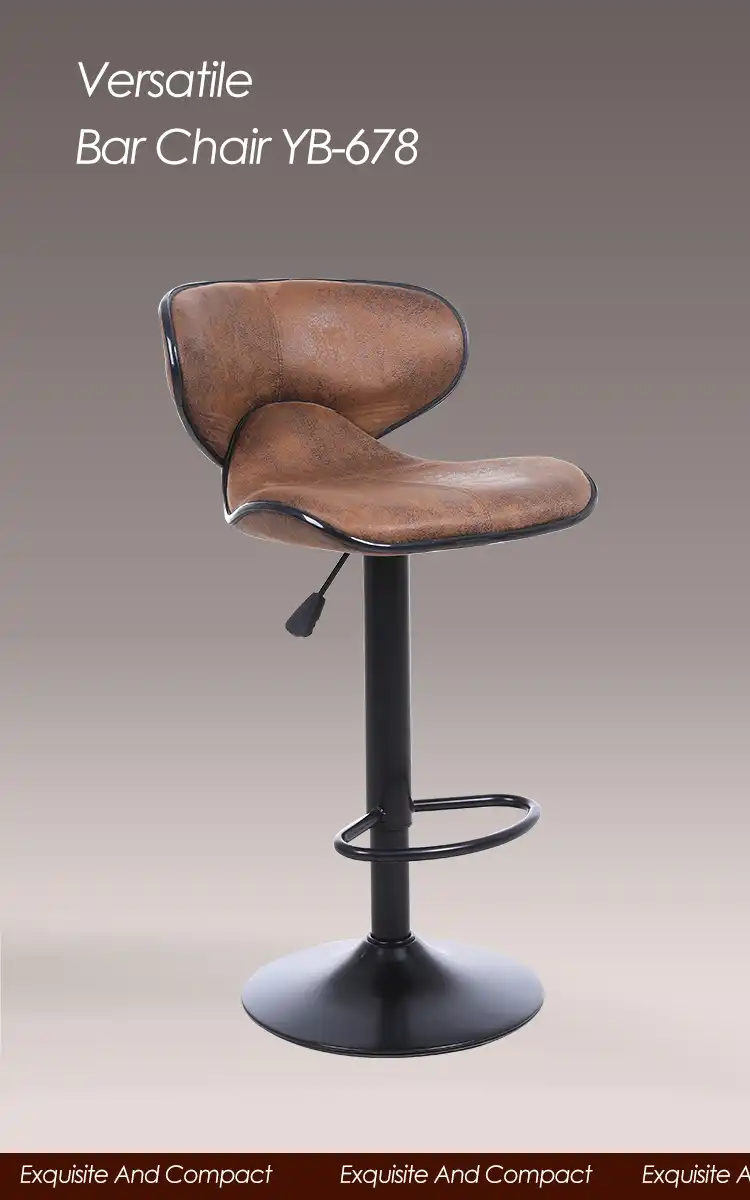
Polyurethane leather upholstery transforms counter top height adjustable stool seating into comfortable, professional-appearing furniture that balances luxury aesthetics with practical maintenance requirements. PU leather manufacturing processes create materials that closely mimic genuine leather's appearance and texture at significantly reduced costs, making premium-looking seating accessible across budget ranges. The synthetic composition delivers consistent quality and appearance, avoiding the natural variations found in genuine leather that can complicate large-scale furniture procurement. Stain resistance represents PU leather's most significant advantage for counter top height adjustable stool applications in foodservice and commercial environments. The non-porous surface prevents liquid absorption, allowing spills to be wiped away immediately without leaving permanent marks. This characteristic proves invaluable in restaurants, bars, and cafes where food and beverage contact is inevitable. Standard disinfecting solutions clean PU leather effectively without causing material degradation, supporting stringent hygiene protocols in healthcare and laboratory settings.
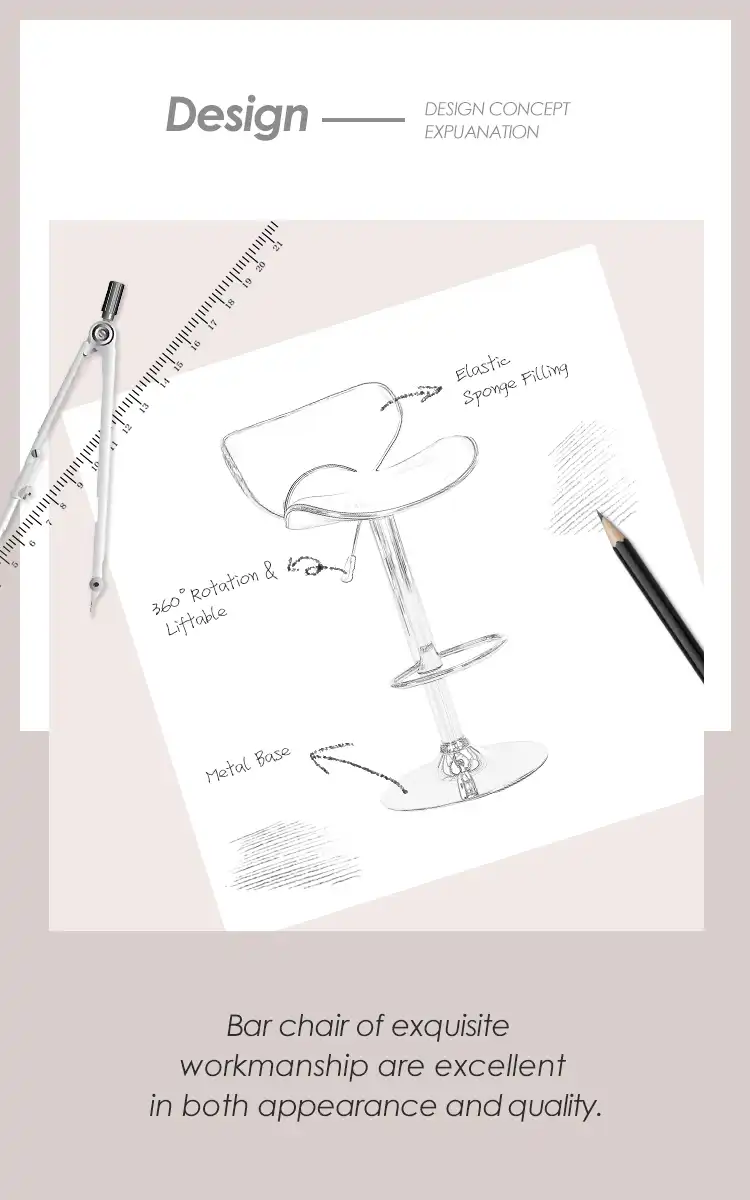
Durability characteristics of quality PU leather make it suitable for demanding commercial counter top height adjustable stool applications. Modern PU formulations resist cracking, peeling, and fading that plagued earlier synthetic leather products. UV-resistant compounds prevent sun damage in window-adjacent installations, maintaining appearance throughout years of service. Abrasion resistance ensures upholstery maintains integrity despite constant friction from users' clothing and movement. The material flexibility accommodates body contours, providing comfort comparable to genuine leather while requiring minimal break-in period. Manufacturing specifications for Anji Yibo Furniture counter top height adjustable stool products demonstrate attention to quality materials and construction details. Our stools feature 0.8mm thickness PU leather upholstery that provides optimal balance between durability and suppleness. The 3.8cm high-density sponge filling delivers superior comfort and support, maintaining shape integrity throughout extended use. Double-needle stitching at front and back seams ensures upholstery remains securely attached despite heavy use. These construction details combine with 1.0-1.2cm plywood thickness in seat platforms to create robust counter top height adjustable stool products that serve demanding commercial environments reliably.
PU Leather Maintenance and Environmental Considerations
Cleaning protocols for PU leather counter top height adjustable stool upholstery emphasize simplicity and effectiveness. Daily maintenance requires only damp cloth wiping to remove surface dirt and debris. Weekly deep cleaning with mild soap solutions maintains appearance and hygiene without compromising material integrity. Avoiding harsh solvents and abrasive cleaners prevents premature surface degradation, extending upholstery service life significantly. The ease of PU leather maintenance reduces labor costs compared to fabric alternatives requiring specialized cleaning equipment or services. Environmental factors influence PU leather counter top height adjustable stool performance and longevity. Extreme heat exposure can cause material softening or distortion, making temperature-controlled environments preferable for optimal performance. Conversely, extreme cold may temporarily stiffen PU leather, though normal flexibility returns as temperatures moderate. UV exposure gradually degrades PU leather despite protective compounds, making direct sunlight avoidance advisable for maximizing service life. These considerations inform optimal counter top height adjustable stool placement decisions in facility planning processes.
Fabric Upholstered Counter Top Height Adjustable Stools: Supreme Comfort and Aesthetic Variety
Fabric upholstery offers counter top height adjustable stool designers and purchasers unmatched aesthetic flexibility through vast color, pattern, and texture selections. From subtle neutrals to bold patterns, fabric choices enable precise coordination with existing decor schemes or creation of striking focal points. Texture variations from smooth linens to plush velvets provide tactile experiences that enhance perceived quality and comfort. This design versatility makes fabric upholstery ideal for environments where aesthetic impact is paramount, including upscale restaurants, boutique hotels, and executive offices. Comfort characteristics of fabric counter top height adjustable stool upholstery surpass most alternative materials, particularly during extended sitting periods. Natural fiber fabrics like cotton and linen provide superior breathability, reducing heat buildup and perspiration discomfort during long work sessions. The soft, yielding surface distributes pressure more evenly than harder materials, minimizing pressure point discomfort that causes fidgeting and reduced concentration. Fabric's natural sound-dampening properties reduce noise from movement and contact, contributing to quieter environments.
Technical fabric formulations address traditional concerns about fabric performance in commercial counter top height adjustable stool applications. Modern stain-resistant treatments create protective barriers that repel liquids and prevent permanent staining from common spills. Antimicrobial treatments inhibit bacterial growth and odor development, critical for healthcare and foodservice installations. Colorfastness improvements ensure fabrics maintain appearance despite repeated cleaning and UV exposure. These technological advances make fabric upholstery increasingly viable for demanding commercial environments previously dominated by PU leather or vinyl alternatives. Commercial-grade fabric selections for counter top height adjustable stool applications emphasize durability alongside comfort and aesthetics. Heavy-duty weaves withstand abrasion from constant friction, maintaining appearance despite intensive daily use. Double-rub ratings exceeding 100,000 cycles indicate suitability for high-traffic commercial applications. Reinforced seam construction prevents separation under stress, extending upholstery service life. These performance characteristics ensure fabric counter top height adjustable stool investments deliver long-term value in commercial settings.
Fabric Selection and Maintenance Requirements
Material selection expertise guides optimal fabric choices for specific counter top height adjustable stool applications. Synthetic fibers like polyester and nylon offer superior stain resistance and durability compared to natural fiber alternatives, making them preferable for foodservice environments. Blended fabrics combine natural fiber comfort with synthetic fiber performance, delivering balanced solutions for mixed-use applications. Outdoor-rated fabrics feature enhanced UV and moisture resistance, expanding counter top height adjustable stool placement options into semi-covered exterior spaces. Maintenance protocols for fabric counter top height adjustable stool upholstery require more intensive effort compared to PU leather or metal alternatives. Regular vacuuming removes embedded dirt particles that accelerate wear through abrasive action. Immediate spot treatment of spills prevents stain setting, though some substances may cause permanent discoloration despite prompt response. Professional deep cleaning services may be required periodically to maintain appearance and hygiene standards, adding to operational costs. These maintenance requirements must be weighed against fabric's superior comfort and aesthetic advantages when making material selections.
Material Selection Strategy for Counter Top Height Adjustable Stool Procurement
Comprehensive material evaluation for counter top height adjustable stool purchases requires analysis of multiple factors beyond initial purchase price. Total cost of ownership calculations must include maintenance expenses, replacement frequency, and operational impacts like cleaning labor requirements. Life-cycle assessments reveal that higher initial investments in durable materials often deliver superior long-term value through reduced replacement needs and lower maintenance costs. Environmental considerations increasingly influence counter top height adjustable stool material selections as organizations prioritize sustainability initiatives. Materials with recycled content reduce virgin resource consumption, while biodegradable options minimize end-of-life disposal impacts. Local sourcing reduces transportation emissions, supporting carbon footprint reduction goals. Third-party certifications like FSC for wood or Cradle to Cradle for textiles provide verification of environmental claims, enabling confident sustainable purchasing decisions. User experience factors must inform counter top height adjustable stool material selections to ensure seating supports organizational objectives. In customer-facing applications, material choices communicate brand values and influence patron perceptions of quality and value. Employee productivity benefits from ergonomic comfort that reduces fatigue and discomfort during work tasks. Safety considerations include material flammability ratings, especially critical in commercial kitchens and laboratories where fire hazards exist.
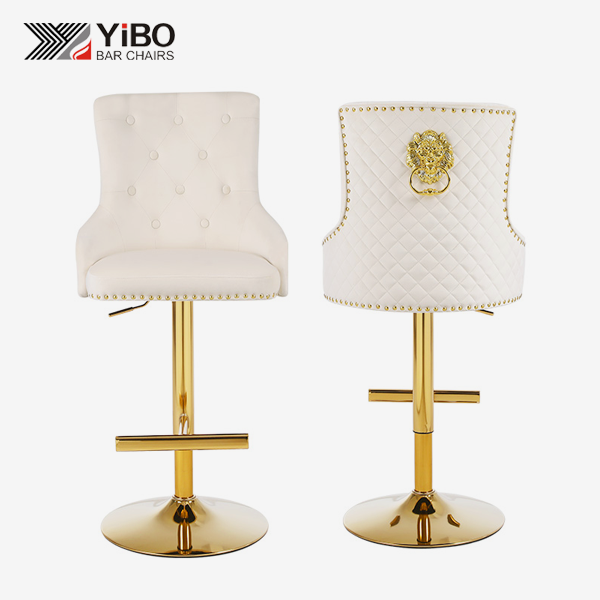
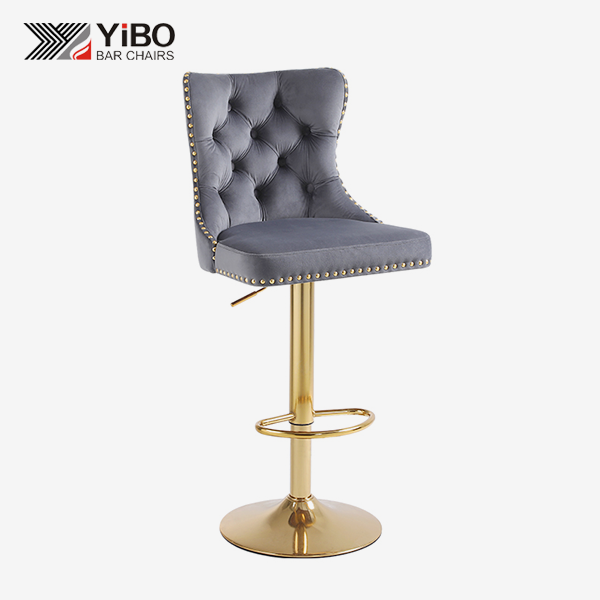
Application-specific requirements guide optimal material selections for diverse counter top height adjustable stool installations. Healthcare facilities prioritize cleanability and antimicrobial properties, favoring PU leather or treated fabrics. Manufacturing environments emphasize durability and minimal maintenance, often selecting metal frames with optional padded seats. Upscale restaurants balance aesthetic impact with practical maintenance needs, potentially choosing fabric upholstery for primary dining areas while utilizing PU leather in high-traffic bar sections. Anji Yibo Furniture specifications demonstrate our commitment to quality across all material categories. Our counter top height adjustable stool products feature smooth height adjustment mechanisms operating across 33" to 41" ranges, ensuring optimal positioning for diverse counter heights. 360-degree swivel seats enhance mobility and interaction, while ergonomically contoured seats with high-density foam padding maximize comfort. Durable stainless steel bases with non-slip foot rings ensure stability, supporting weight capacities up to 300 pounds. Commercial-grade upholstery options resist stains and wear, maintaining appearance throughout years of service.
Conclusion
Material selection for counter top height adjustable stool purchases significantly impacts user comfort, maintenance costs, and long-term value. Wood offers natural warmth, metal provides unmatched durability, PU leather balances luxury appearance with easy maintenance, and fabric delivers supreme comfort with aesthetic versatility. Careful evaluation of operational requirements, environmental conditions, and budget constraints guides optimal material choices that support organizational objectives while delivering reliable performance throughout extended service lives.
Cooperate with Anji Yibo Furniture Co., Ltd.
Partner with a China counter top height adjustable stool manufacturer that delivers exceptional quality and value. Anji Yibo Furniture Co., Ltd., located in Anji, Zhejiang—China's renowned chair manufacturing hub—has specialized in bar stool, dining chair, leisure chair, gaming chair, and office chair production for 14 years. As an experienced China counter top height adjustable stool supplier, our 6000 square meter facility employs advanced equipment and skilled personnel to manufacture furniture meeting the highest international standards. Our products emphasize ergonomic comfort, fantastic value, enduring quality, and beauty.
Choose us as your trusted China counter top height adjustable stool factory for numerous competitive advantages. We offer professional OEM and ODM services supported by our experienced R&D team with 10+ specialized personnel who develop popular products for European and American markets. Our products have been exported to 70 countries worldwide. As a leading China counter top height adjustable stool wholesale provider, we offer space-saving packaging, competitive pricing reflecting 14 years of local manufacturing expertise, comprehensive warranty coverage, and 24-hour customer service response. Our High Quality counter top height adjustable stool products feature durable construction with reinforced components, commercial-grade upholstery, and rigorous quality control processes.
Discover our competitive counter top height adjustable stool price options with counter top height adjustable stool for sale directly from our factory. Contact our experienced sales team at yb@ajyibo.com for inquiries, quotations, and partnership opportunities. Visit our facilities to inspect our manufacturing capabilities and product quality firsthand. We warmly welcome establishing mutually beneficial relationships and long-term business cooperation with clients worldwide. Bookmark this article for easy reference when evaluating seating solutions, and reach out whenever questions arise about optimal material selections for your specific applications.
References
1. "A Comprehensive Guide to Dining and Bar Stool Fabrics: Traditional vs. Modern Materials," Stooltopia Furniture Design Team, September 2024
2. "Material Comparison: Metal vs. Wood Stools for Restaurant Seating," Wholesale Bar Stool Club Commercial Furniture Research Division, August 2024
3. "Bar Stool Materials – Which Are Best for Each Situation?" Lakeland Furniture Product Development Group, July 2025
4. "The Best Material for Bar Stools," Casual Dining & Barstools Design Advisory Committee, February 2024
5. "What Bar Stool Materials Work Best in Kitchens?" Gusj Commercial Furniture Consultants, 2025