

 (1)_1777442575043.jpg)
Custom Design Bar Stools for Restaurants, Cafes, and Lounges
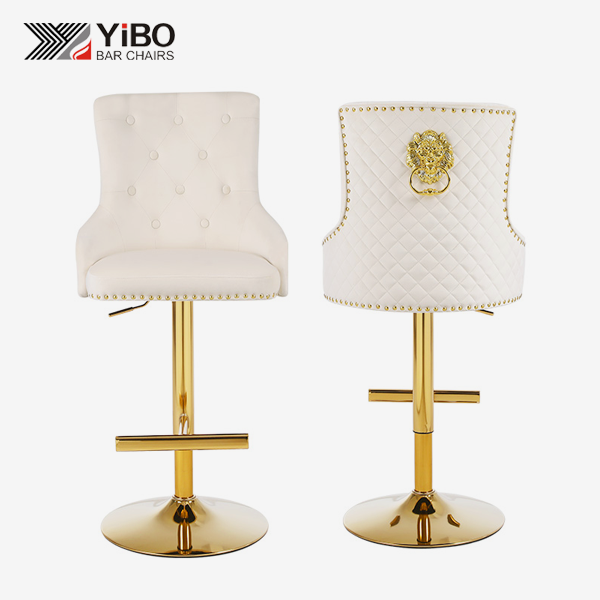
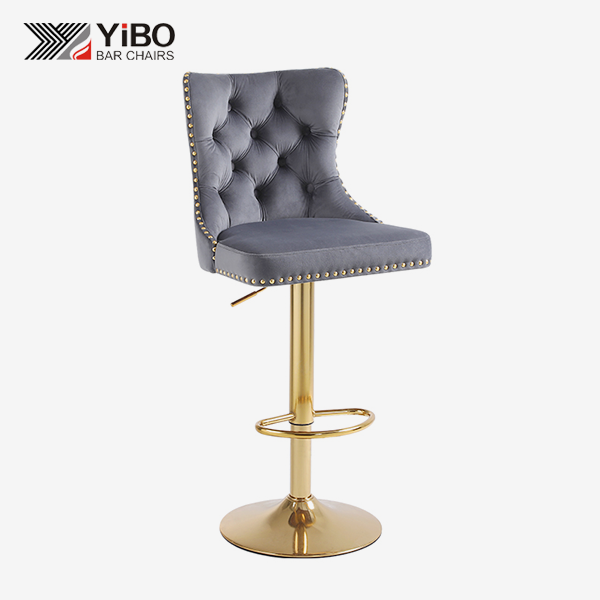
When hospitality venues seek elevated seating that merges functionality with visual appeal, custom-designed bar stools emerge as the ideal solution. These specialized seating instruments go beyond generic utility furniture, offering tailored dimensions, materials, and ergonomic features that address the unique operational demands of high-traffic commercial environments. A well-crafted design bar stool serves as both functional equipment and architectural accent, capable of withstanding thousands of seating cycles while maintaining aesthetic integrity. For procurement managers and commercial buyers, understanding the nuances of customization—from frame construction to surface treatments—becomes essential to securing seating solutions that enhance customer experience, reinforce brand identity, and deliver measurable return on investment across restaurant, cafe, and lounge settings.
Understanding Custom Design Bar Stools for Hospitality Spaces
One thing that sets custom-designed bar stools apart from standard seats is how well they are made and how they look. Off-the-shelf models only do the most basic things, but customized solutions fix the problems that come up in hotel settings. Some of these are very high usage rates, a wide range of customer types, and the need for visual consistency across branding areas.
Categories of Custom Design Solutions
Metal frame design bar stools have very strong frames because they are made of tubular steel with walls that are thicker than 1.5 mm. This means that they won't break from overuse even after years of heavy use. Kiln-dried hardwood alternatives provide warmth and sound absorption, qualities that are especially valued in high-end dining rooms where metal-on-tile noise can ruin the mood. Cushioned versions have contract-grade seating with Martindale scores of more than 50,000 cycles, which means they don't stain or wear down easily in bar settings. Ergonomic designs keep the best distance between the seat and the footrest at 40 to 45 cm, which relieves pressure on the popliteal artery during long patron stays. Height can be changed smoothly in places that are used for more than one thing with types that are adjustable and have Class 3 or Class 4 nitrogen gas lift tanks. Options that are good for the environment use UV-stabilized polypropylene or FSC-certified wood, which is in line with the sustainability standards that companies are increasingly requiring in their purchasing policies.
Strategic Importance of Customization
Customization takes into account practical needs that can't be met by generic goods. Because of space limitations, hospitality places have to use non-standard sizes, follow brand rules that call for specific color schemes, and meet durability standards that are based on how often they are used. Powder-coated metal frames are better than chrome plating for a rooftop bar that will be exposed to UV light. For a handmade brewery that looks like it uses recycled wood, the wood species and stain formulas must match. Airport bars with a lot of foot traffic need floor glides that don't leave marks on terrazzo floors to protect them and keep the noise level down. Because these details have a direct effect on customer comfort, maintenance costs, and how people see the brand, customization is more of a strategic operational choice than an aesthetic one.
How to Choose the Perfect Custom Design Bar Stool for Your Business?
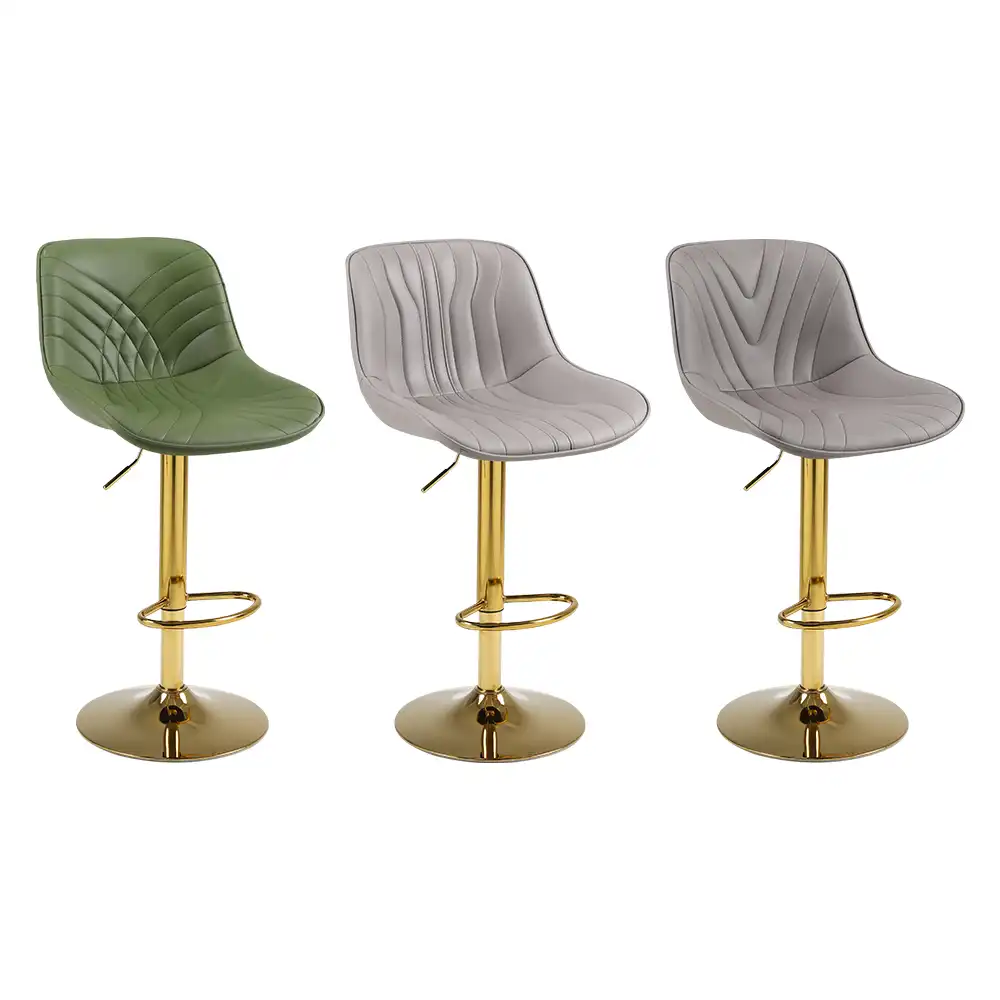
Systematic evaluation systems that match seating requirements with place needs and seller abilities are helpful for procurement managers. This organized method lowers the chances of design mistakes, problems in the supply chain, and products failing before they should.
Venue-Specific Height and Space Considerations
Counter-height installations that serve 90cm surfaces need seat heights of 60 to 65 cm, while bar-height installations that serve 105 cm surfaces need seat heights of 74 to 80 cm. When these categories can be switched out, it puts a lot of stress on the ergonomics and makes customers unhappy. When planning a space, it's important to think about how people move around. Pedestal bases give you more room under the counter than four-leg frames. Backless designs that fit fully under counters when not in use are good for venues with limited floor space. On the other hand, full-back designs that value comfort even at the cost of space efficiency are better for luxury bars.
Material Selection and Structural Performance
Metal construction for design bar stool delivers consistent performance across temperature and humidity fluctuations, critical for venues with indoor-outdoor transitions. Powder coating thickness of 60–80 microns provides superior corrosion resistance verified through salt spray testing, essential for coastal or humid subtropical environments. Wood frames require moisture content verification at 8–12% to prevent seasonal expansion and joint failure. Hybrid designs combining metal structural cores with wood aesthetic overlays offer compromise solutions, though procurement teams should verify adhesion strength through cross-cut testing procedures.
Supplier Evaluation Criteria
Reliability in order completion depends on the manufacturing capacity. For example, facilities that need to be able to handle 500 or more units per week without losing quality are needed for container-level procurement. As part of the framework for customization, there should be in-house research and development teams that can help make samples from technical models in 15-day cycles. A 24- to 36-month warranty shows that the maker trusts you and lowers the total cost of ownership. Export experience shows up in good packaging engineering, like space-saving layouts that keep items safe during transit and make the best use of containers. After-sales timeliness, which is measured by how quickly questions are answered (within 24 hours), keeps operations running smoothly so that procurement managers don't have to cancel orders when they need to clarify specifications or solve problems.
Top Trends and Innovative Features in Custom Design Bar Stools
The hotel seating industry is always changing because of new technologies, changing customer tastes, and concerns about the environment. Aligning procurement strategies with these paradigm changes is the best way to stay relevant and stand out from the competition in the long run.
Design Movement Integration
Modern hospitality design is dominated by minimalist styles. Clean-lined profiles and one-color palettes help keep open-plan spaces from looking cluttered. Industrial style uses visible welding, raw metal finishes, and practical shapes that go well with ideas about craft drinks and food. Scandinavian style focuses on light-colored wood, natural curves, and tactile comfort that appeal to people who care about their health. These groups all stress the importance of using real materials and being clear about how they work, and they reject unnecessary decoration in favor of design language that serves a purpose.
Ergonomic and Adaptive Technologies
Swivel mechanisms with "return to center" functions keep things in order visually when no one is using them, and they let people move around when they're talking to others. Pressure-mapping analysis was used to design seats that are shaped to spread body weight over larger surface areas. This makes long eating sessions less tiring. Positioning of footrests now includes adjustable or multi-height options so that people of different heights can use them without having to manage multiple SKUs. Gas lift technologies have improved over the years to make them more durable and quieter. Premium cylinders are tested thru 100,000+ cycle routines to make sure they last for years of use.
Sustainability and Ethical Sourcing
Being environmentally responsible used to be a marketing advantage, but now it's a requirement for getting things. When compared to making metal from scratch, recycled aluminum extrusions have 95% less embodied carbon while still having the same structural performance. Water-based polyurethane finishes get rid of volatile organic compound pollution, which is important for LEED-certified projects and venue owners who care about health. Chain-of-custody paperwork for wood products makes sure they follow international forestry standards. This keeps buyers from having to deal with the reputational risks that come with cutting down trees. As ESG requirements from corporations spread thru supply chains, these sustainable standards have a bigger impact on buying choices. This means that manufacturing partners need to have environmental credentials in order to compete.
Comparing Custom Design Bar Stool Solutions: What Works Best for Your Project?
To make procurement more efficient, it's important to compare available solutions in a way that makes sense given the performance needs, budget, and operational circumstances of the project.
Custom versus Off-the-Shelf Analysis
Custom manufacturing for design bar stool enables precise matching of new furniture to existing sets, essential for phased renovations requiring aesthetic continuity. Material specifications can address environmental conditions that standard products cannot accommodate—salt air exposure, temperature extremes, or aggressive cleaning chemicals. Custom lead times typically extend 6–8 weeks versus 2–3 weeks for stock items, requiring earlier procurement planning. Design bar stools carry 15–30% cost premiums over comparable standard models, yet this premium may be justified where mismatched specifications could create operational issues or brand confusion. Off-the-shelf options suit projects with flexible design parameters, tight deadlines, or concepts requiring iterative testing before significant investment.
Metal versus Wood Frame Evaluation
Metal frames work well in places with a lot of moisture, like swimming bars and outdoor decks, where wood furniture breaks down quickly. Welded steel construction is better at resisting racking forces that happen when people change their weight or turn while sitting. Maintenance needs are very low, and all that's needed is a regular check of the joints' integrity and the condition of the coating. In eating rooms with hard floors, wood frames help with soundproofing because they absorb impact sounds that metal frames amplify. Natural differences in materials give them a unique character that is respected in boutique hotel ideas, but this makes it harder to match replacements. Because of structural limitations, thicker dimensional lumber is needed, which makes the building look bigger than tubular metal profiles that are the same strength.
Cushioned versus Non-Cushioned Decision Framework
According to hotel research studies, upholstered seats raise the comfort level, which makes people stay longer on average by 15 to 20 percent. This is good for venues that value selling drinks and creating a social atmosphere over the speed at which tables are turned over. Depending on the fabric, maintenance becomes more difficult because it needs stain-resistant treatments and professional cleaning every so often to keep up its good looks. Shaped wood or molded polymer chairs that don't have cushions make cleaning easier, which is important in fast-casual restaurants with lots of customers coming and going. Climate is very important. For example, cushioned vinyl sticks to surfaces too well when it's humid, but solid surfaces or fabrics that let air pass thru them stay comfortable in all temperature ranges. Places that serve alcohol should use non-cushioned options that are easy to clean and don't soak up spills and smells.
Procurement Best Practices for Custom Design Bar Stools
A systematic buying technique stops common mistakes that hurt project results, relationships with vendors, and the speed of operations.
Specification Development and Communication
Technical requirements that are clear cut out the confusion that leads to mistakes in production. Specifications for sizes should use standard units of measurement. For example, the height of a seat should be measured from the squeezed cushion area instead of the top of the frame. Material names must include grade details, like "304 stainless steel" instead of just "stainless" or "kiln-dried oak at 10% moisture content" instead of just "oak wood." Finish samples that are approved in person keep color matching disputes from happening, since digital renderings can look different on different screens. Standards like ANSI/BIFMA X5.1 or EN 16139 should be used to back up loading and stability requirements. This sets objective performance criteria. Packaging rules that say how many items can be stacked, what materials must be used to protect them, and how they must be labeled stop damage in shipping and problems when they arrive.
Supplier Vetting and Quality Assurance
An evaluation of a manufacturing facility shows its production capabilities and quality control infrastructure. Comparing in-house metal fabrication to outsourced components shows how levels of vertical integration affect cost stability and the ability to predict lead times. Static load testing at 1100–1350N, stability testing with uneven load distribution, and cyclic durability testing for swivel devices thru 100,000+ turns should all be part of quality checking processes. Third-party certification from SGS, TÜV, or similar testing houses makes sure that performance claims are true. Reference projects for similar hospitality parts show relevant experience, and site visits to finished installations show how they've worked in the real world after months or years of service.
Risk Mitigation Strategies
Before committing to full production, pre-production samples are used to make sure that the specifications are met. They can show problems with the materials, the way they are built, or the quality of the finish. Phased delivery schedules spread out the cash flow needs and allow changes to be made in the middle of production based on feedback from the first installation. Payment terms that link milestone payments to inspection approvals keep buyers from getting products that don't meet standards. To make sure the warranty can be enforced, the paperwork should spell out what the policy covers, how to file a claim, and when the replacement will be sent. Planning for possible delays with extra stocks or finding other suppliers is an example of contingency planning that keeps the project schedule from getting thrown off. Leading hotel groups have successfully put these practices into place, meeting or exceeding 98% of requirements while sticking to tight installation schedules across multiple units.
Conclusion
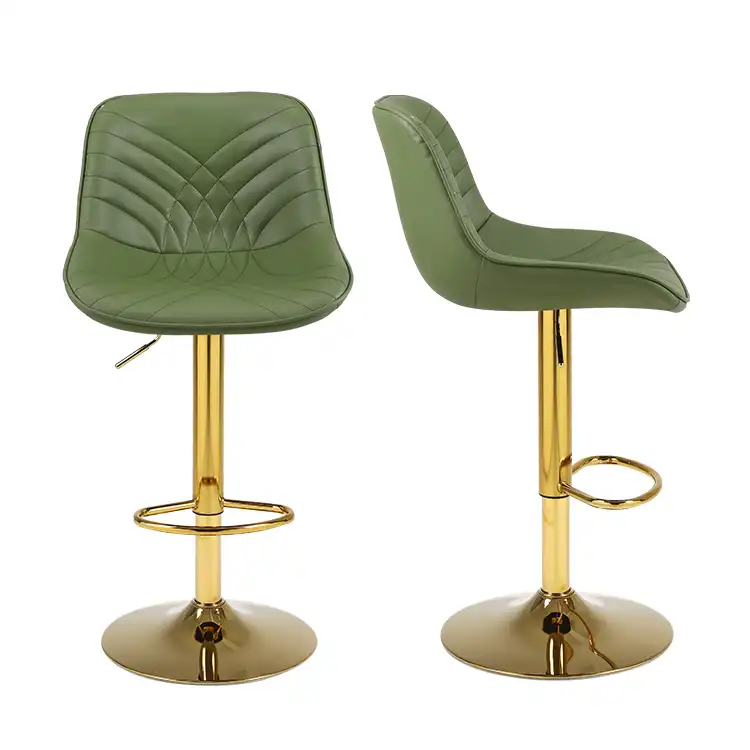
Design bar stools are smart investments for hospitality places that want to give customers a unique experience and stay in business for a long time. During the procurement process, venue-specific needs, material performance characteristics, and supplier capabilities must all be carefully considered. Specifications that combine short-term usefulness with long-term worth are shaped by current industry trends that stress eco-friendliness, ergonomic innovation, and design accuracy. By systematically comparing customization choices against project factors, you can make smart decisions that improve both the look and the bottom line. By following strict procurement best practices like creating detailed specifications, carefully screening suppliers, and managing risks proactively, commercial buyers can avoid common mistakes and find seating solutions that improve brand identity and customer satisfaction in cafes, restaurants, and lounges.
FAQ
What height should bar stools be for commercial restaurant use?
For normal bar counters that are 105 cm high, design bar stools need seat heights of 74 to 80 cm, while counter-height use with 90 cm surfaces needs seat heights of 60 to 65 cm. When heights aren't matched correctly, customers are uncomfortable and don't stay seated for as long, which directly affects income per open seat hour.
How do pedestal bar stools maintain stability compared to four-leg designs?
Weighted internal ballast, usually cast iron in the trumpet base, and engineered base-diameter-to-seat-width ratios that lower the center of gravity are what pedestal construction is based on. This keeps the table from tipping over when it's being used normally and gives customers more room to put their legs down.
Can upholstered bar stools withstand high-traffic hospitality environments?
When it comes to longevity, contract-grade upholstery with Martindale abrasion scores of more than 50,000 rounds is good for business use. When choosing a material, you should think about how to keep it clean, how resistant it is to stains, and how the fabric will perform and need to be maintained in different environments.
What warranty coverage should procurement managers expect for custom bar stools?
Good makers give warranties that cover structural soundness, finish longevity, and mechanical component function for 24 to 36 months. To make sure the warranty can be enforced when performance problems happen during regular business use, the terms should spell out how to file a claim, when to get a repair, and what the warranty doesn't cover.
Partner with YIBO for Your Custom Bar Stool Requirements
You can trust YIBO as a design bar stool manufacturer. Our factory in Anji, Zhejiang, has been making high-quality products for 14 years. Our 6,000-square-meter production campus has both high-tech tools for making things and skilled workers. Every month, we ship orders in containers to 70 countries around the world. Thru our professional R&D team, we can turn your technical drawings into production samples quickly and as part of full OEM and ODM programs. Our commitment goes beyond manufacturing. Within 24 hours of receiving your inquiry, an expert will respond, and our experienced sales team will help you choose the right materials, make the best specifications, and coordinate logistics. Quality control procedures that are in line with international standards will make sure that your design bar stools work well for a long time in tough hospitality settings. Competitive pricing reflects the benefits of our local supply chain and the speed of our operations. Space-efficient packing lowers your freight costs and the damage you do to the environment. Contact our team at yb@ajyibo.com to talk about the needs of your project, get technical specs, or set up large quotes. You can look at our products on ajyibo.com and learn how our production skills can help you reach your goals for hospitality seats with accuracy, dependability, and long-lasting quality.
References
1. Anderson, M. & Chen, L. (2022). Hospitality Furniture Specification and Procurement Strategies. Commercial Interiors Publishing.
2. European Committee for Standardization. (2021). EN 16139: Furniture - Strength, Durability and Safety - Requirements for Non-Domestic Seating. CEN Technical Standards.
3. Kimball, R. (2023). "Material Performance in High-Traffic Commercial Seating Applications." Journal of Hospitality Design, 18(3), 45-62.
4. National Restaurant Association. (2023). Sustainable Procurement Guidelines for Foodservice Operators. NRA Educational Foundation.
5. Thompson, S. & Zhao, W. (2022). Ergonomic Design Principles for Commercial Bar Seating. Institute for Workplace Ergonomics.
6. U.S. Business and Institutional Furniture Manufacturers Association. (2021). ANSI/BIFMA X5.1: Desk and Table Products - Tests. BIFMA Standards Documentation.