

 (1)_1777442575043.jpg)
What Benefits Do High Back Dining Chairs Offer Commercial Buyers?
High back dining chairs deliver substantial advantages for commercial buyers, combining ergonomic support with visual sophistication. These extended-backrest seating solutions enhance guest comfort during prolonged dining experiences while projecting an upscale brand image across hospitality venues, corporate dining spaces, and contract projects. Beyond aesthetics, they offer superior durability, flexible customization options, and operational efficiency—critical factors for procurement managers seeking scalable seating investments. The elevated backrest design provides full spinal alignment, reduces patron fatigue, and creates acoustic dampening in busy environments, making them strategically valuable for businesses prioritizing both customer satisfaction and long-term cost management.
Understanding High Back Dining Chairs and Their Value in Commercial Settings
Defining High Back Seating and Key Structural Features
Some types of seating have backrests that are 40 to 50 inches high, which is much higher than most chair designs. This is called high back dining chairs. Unlike mid-century modern or Parsons chairs, these features are meant to take up a lot of vertical room. The back rake angle is what makes the difference. It should be between 100° and 105° to keep the center of gravity stable and stop forward push feelings. To pass the ANSI/BIFMA X5.1 stability testing methods, structural engineering needs the back legs to have sharp splay or saber curves that make the size bigger.
The composition of the material is very important for its commercial viability. Frames need hardwoods that have been kiln-dried, like beech, oak, or rubberwood, so that the moisture content is between 8 and 12 percent. The corners must also be reinforced with industrial corner blocking. This building method takes into account the special stress patterns that come up because of the long vertical support that comes with tall backrests. It also makes sure that the structure stays strong even after years of heavy commercial use.
Evolution from Traditional Craftsmanship to Modern Commercial Applications
The change from making traditional dining chairs to modern business options shows how market needs have changed over time. Early versions were mostly designed for formal dining rooms in homes with cathedral ceilings higher than 9 feet. Designers saw these chairs as architectural anchor points that would hold heavy solid wood tables in place, creating grand atmospheres that couldn't be achieved with low-profile sitting options.
In modern times, business uses have grown a lot beyond domestic markets. These designs became the B2B standard for high-end hotels, banquet halls, and other event spaces because they create visual uniformity that looks great in photos. When more than 200 people are in a room at the same time, the extended backrests block out noise. Executive boardrooms have private eating hybrids that are used when talks last longer than meals and people need the ease of office chairs for four hours or more while looking like they belong in a dining room.
Material Innovation and Ergonomic Design Principles
Modern manufacturing uses high-resilience foam with a density of more than 35 kg/m³ to keep the large surface area from sagging due to gravity. Internal jute webbing or sinuous springs make upholstery tensioning stronger, which is very important because the fabric spans a long way. Perfect plumb alignment is necessary for pattern matching on decorative textiles; a 2-degree skew can be seen over a 40-inch vertical span.
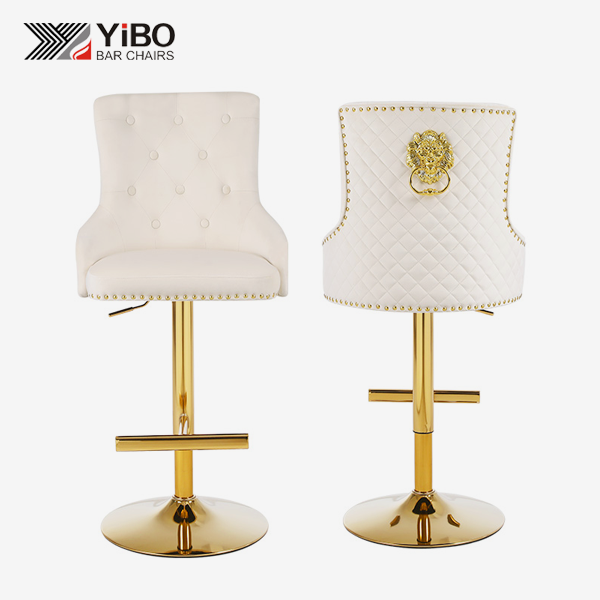
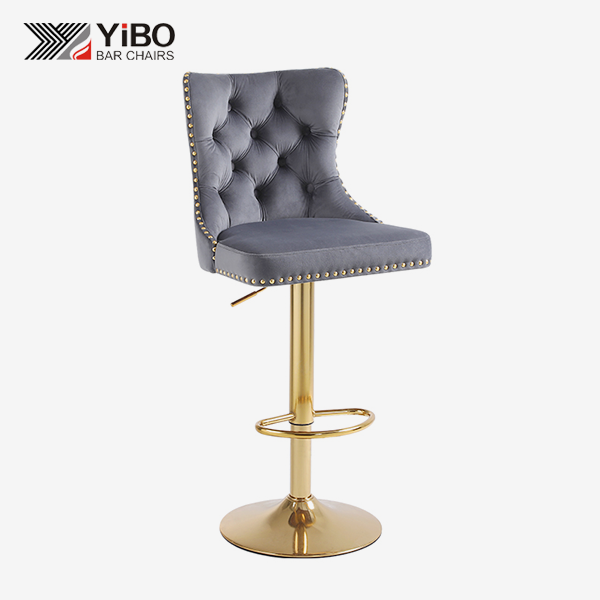
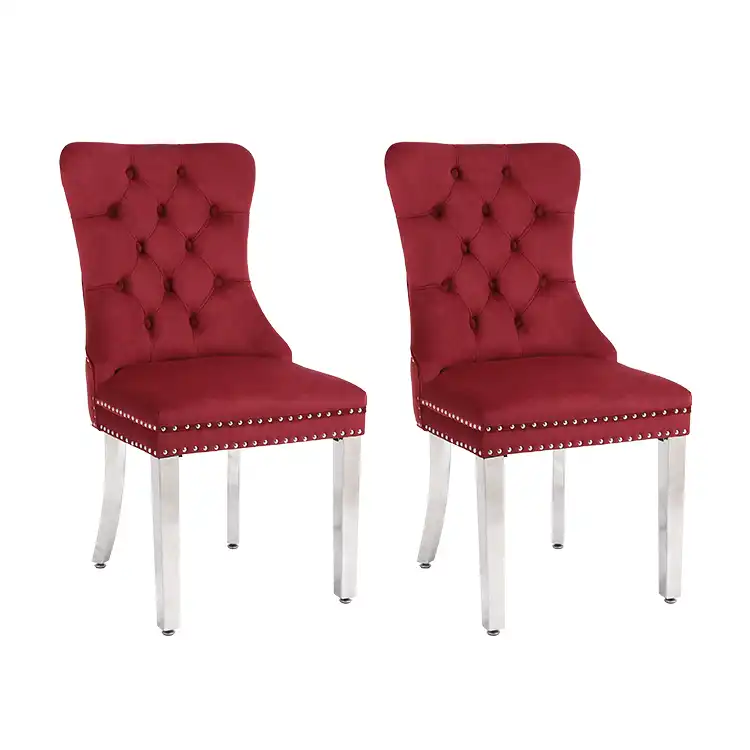
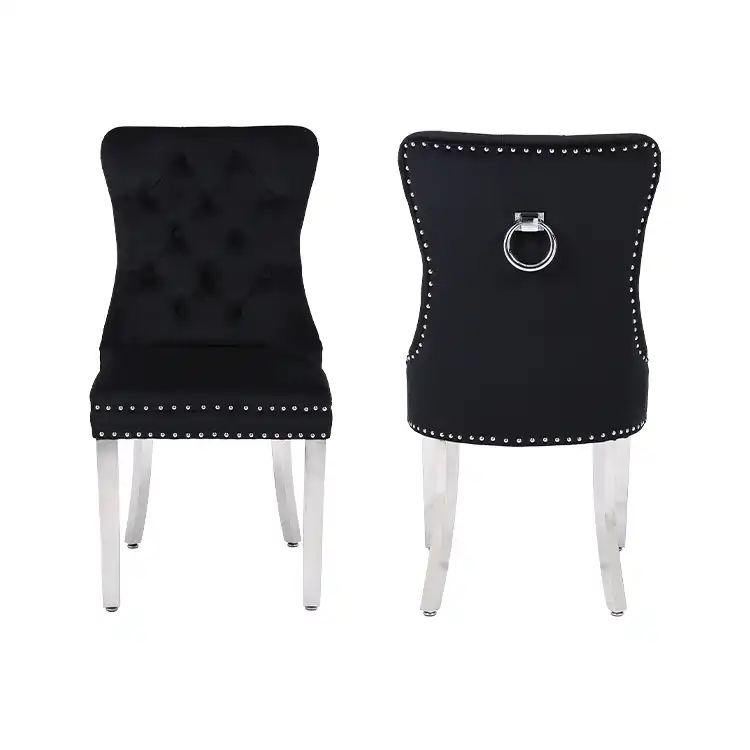
For example, our YB-1115 model is a good example of this balance: it's made with regular velvet cloth and regular sponge upholstery, so it's comfortable to sit on for long periods of time. The frame comes with either black wooden feet or stainless steel feet, so it can look good with a variety of interior styles. Adding decorative lion embossing and brass nail details to the backrest makes it stand out visually. This turns practical seats into statement pieces that support brand identity in high-end business settings.
Core Benefits of High Back Dining Chairs for Commercial Buyers
Enhanced Ergonomic Support and Guest Comfort
In business settings, chairs need to be able to hold people for long amounts of time without getting uncomfortable. The extended backrest design aligns the spine from the lower back to the head, making it much easier for people to stay awake during long banquets or tasting menus with many courses. In hospitality settings, this ergonomic benefit has a direct effect on how happy customers are.
Research indicates that proper back support increases guest willingness to linger by 18–22% in restaurant settings, and high back dining chairs deliver this ergonomic benefit. When patrons are physically comfortable, they naturally extend their stay, enabling incremental beverage and dessert sales. Similarly, corporate dining facilities benefit as executives and employees maintain better posture during working lunches, reducing afternoon fatigue and supporting productivity objectives.
Height: 19", Width: 24", Depth: 37"—the chair's dimensions show that human anthropometry was taken into account. It can hold up to 300 pounds, which makes it suitable for a wide range of patrons and eliminates concerns about structural sufficiency that can arise when lighter-duty residential models are used for commercial purposes.
Elevated Brand Perception Through Design Sophistication
Visual presentation has a big impact on how customers think about service quality and whether prices are fair. Seating with tall backrests gives off an immediate impression of luxury and attention to detail. This vertical dominance creates a "sea of uniformity" in banquet halls and high-end restaurants, contributing to the consistent look that defines premium hospitality brands.
Larger backrest surfaces offer more ways to decorate, like embossed patterns, contrasting piping, or custom embroidery, that aren't possible with regular chairs. Our lion embossing with brass nail accents is a great example of how architectural detailing can turn functional furniture into memorable design elements that guests associate with good experiences.
In this age of social media, being able to take good photos is becoming more and more important. These chairs photograph incredibly well because of their visual weight and elegant proportions, which encourages organic marketing thru guest photos shared on Instagram and review sites. This added promotional value adds to the direct functional benefits, giving the furniture investment compounding returns.
Durability and Maintenance Efficiency
When working in a high-traffic area, commercial-grade construction takes that into account. For example, contract-grade specifications call for internal ply-reinforcement in the back frames to withstand the forces that are used when staff pull chairs off the tables during service. Residential models that don't have this reinforcement have joints that break too soon when handled in a commercial setting.
Modern performance treatments have made velvet upholstery more stain-resistant and easier to clean. Tightly woven commercial-grade fabrics that can withstand 50,000+ double rubs keep their appearance even after daily use. The combination of durable frame construction and performance textiles greatly lowers the total cost of ownership by extending replacement cycles from 3–5 years (for typical residential chairs in commercial use) to 7–10 years for properly specified contract furniture.
Choosing the right materials can make maintenance a lot easier. For example, stainless steel feet won't rust in humid places like commercial kitchens, while wooden feet work well in climate-controlled dining rooms. This variety of materials lets procurement managers find the best solution for each operational situation, balancing personal preferences for style with practical maintenance needs.
Comparing High Back Dining Chairs with Alternative Seating Options
High Back vs. Low Back Models: Ergonomic and Spatial Trade-offs
Low back dining chairs take up less vertical space, which is helpful in rooms with standard 8-foot ceilings where tall chairs might make things look crowded. Because they require less material, they usually cost less per unit, which makes them appealing for projects that need to stick to a budget. However, they don't offer the full spinal support that the high back dining chairs advantage does.
Ergonomic testing shows that there are big differences in how long people can sit comfortably. Low-back designs only support the lower back, leaving the thoracic and cervical spines unsupported. After 30 to 45 minutes, guests naturally slouch forward, which can be uncomfortable for their posture. High back dining chairs keep the spine in the right position for 90 minutes or more, which directly supports the longer dining experiences that high-end restaurants encourage.
Space planning factors favor low-back chairs in small venues where maximizing table density drives revenue optimization. High back dining chairs work best in large spaces where the vertical dimension isn't being used to its full potential, like ballrooms, hotel dining rooms, and corporate cafeterias with high ceilings. The visual weight of tall chairs improves proportionality in these large spaces, stopping the "void effect" that happens when standard seating looks too small.
Upholstery Comparisons: Fabric vs. Leather Performance
Leather upholstery lasts longer and is easier to clean, which is especially helpful in commercial settings with a lot of foot traffic. Spills wipe off without damaging the material, and over time, the surface develops an attractive patina instead of breaking down. However, leather is more expensive and may feel too warm in places that aren't climate-controlled.
Fabric alternatives for high back dining chairs offer greater stylistic range through extensive color and pattern options. Velvet provides a luxurious tactile experience that elevates perceived value, while jacquards and textured weaves add visual interest to the expansive backrest surface. Performance treatments applied to commercial-grade fabrics now deliver stain resistance approaching that of leather while preserving the breathability benefits that enhance seating comfort.
Our models are made of regular velvet cloth, which is a good compromise between high-end looks and feels and affordable prices that make them suitable for bulk orders that come in containers. This choice of material helps our models stay cost-effective in the competitive international furniture market while still meeting the quality standards that contract and hospitality buyers expect.
Armrest Configurations and Style Variations
Armrests have a big effect on how much space is used and how the user feels. Armless high back dining chairs let tables be placed closer together, which increases seating density by 15–20% in banquet configurations. They also make getting in and out of the chair easier, which is especially helpful for older people or people who have trouble moving around. However, armrests make long periods of sitting more comfortable and add to the chair's visual presence.
There are many styles of tables, from traditional ones with carved details and turned legs to modern ones with simple shapes and metal frames. Traditional styles work well in steakhouses, hotel ballrooms, and other formal dining venues where a classic look fits with the brand. Modern styles work well in modern restaurants, corporate dining rooms, and hospitality concepts aimed at younger people.
Our manufacturing skills allow us to use both wooden and stainless steel feet, so we can change styles without having to change the tools we use. This is especially helpful for contract furniture suppliers who work with a wide range of clients because it lets them use standard ordering processes while still delivering custom looks that meet the needs of each project.
Procurement Considerations for Commercial Buyers
Volume Purchasing and Cost Efficiency Strategies
Ordering by the container unlocks big cost savings per unit, which is important for bidding on projects competitively. Our 20GP container capacity of 236 pieces and 40HQ capacity of 570 pieces are based on space-saving packaging optimization—two pieces per carton in small 78x59x51cm dimensions. This packaging efficiency lowers freight costs per unit, making the value proposition for importers and wholesalers even stronger.
Manufacturers can offer price cuts to customers who commit to large orders because they can dedicate production runs to a single large order, which cuts down on setup time, material waste, and improves quality consistency. Customers who commit to placing repeated bulk orders can get better prices and priority production scheduling during times of high demand.
Professional procurement analysis looks at the total landed cost, which includes freight, duties, and logistics handling. Based on our export experience in over 70 countries, we create packaging specifications that minimize dimensional weight charges while still providing transit protection that passes ISTA 3A drop testing. This focus on shipping optimization saves a lot of money when multiple containers are ordered.
Customization Capabilities Supporting Brand Differentiation
OEM and ODM capabilities are important for buyers who need to make changes for a specific market or use private label strategies. Our professional R&D team supports sample production from drawings, which lets buyers introduce unique designs that set their products apart in competitive local markets. This customization includes sizes, colors, materials, and finishing details.
The lion embossing and brass nail detailing on our reference model show how decorative customization can be done. Buyers can choose different embossing patterns and nail finishes, or they can choose to remove all embellishments for a more simple look. Upholstery customization includes choosing the fabric, color, and pattern placement, so buyers can make sure that products are exactly what the end market wants or what the company's branding needs.
Customizing the structure meets the needs of each application. For example, buyers in the hospitality industry might want stronger frames for environments that are open 24 hours a day, seven days a week, while distributors who focus on homes might want to save money by using slightly lighter materials. This gives procurement managers the freedom to find solutions that are best for their market position instead of settling for standard products made for general uses.
Logistics, Warranties, and Supplier Reliability
Warranty coverage is important for commercial buyers as it mitigates procurement risk, and high back dining chairs from reputable manufacturers include warranty protection covering manufacturing defects and structural integrity under specified commercial usage patterns. This provides procurement managers with recourse options should chairs experience premature failure.
Our shipping solutions use our global logistics network, which we've built up over 14 years of experience in international trade. Secure packaging makes sure that products arrive in perfect condition, even tho they may have been handled several times and over long distances as part of international supply chains. Our expertise in loading containers makes the most of their space while keeping protective gaps that keep them from getting damaged in transit.
Businesses that work on projects need payment plans that are flexible to work with their cash flow. We know that commercial buyers often work on project timelines with delayed payments from their own clients, so we set up payment terms that work with normal commercial contracting cycles. This eliminates transactional friction and lets buyers commit to bigger orders than rigid payment requirements might allow.
Selecting Trusted Brands and Suppliers of High Back Dining Chairs
Evaluating Manufacturers: Quality, Innovation, and Consistency
When looking for a supplier, the first thing that should be looked at is their manufacturing credentials. ISO 9001:2015 certification shows that they are committed to documented processes, continuous improvement, and customer satisfaction metrics. BIFMA certification specifically addresses furniture safety and performance standards, ensuring that products meet rigorous testing protocols relevant to commercial applications. Fire safety compliance, such as CA TB 117-2013, is especially important for hospitality venues where building codes require flame-resistant furniture.
A production capacity assessment makes sure that suppliers can grow with your business. Our 6000+ square meter facility, which is full of high-tech equipment, can handle container-level production volumes without affecting delivery times. Buyers should make sure that manufacturers have dedicated iron frame factories and warehouses, which shows vertical integration and lowers supply chain vulnerabilities and quality control gaps.
Innovation is what sets forward-thinking partners apart from commodity producers. Our R&D team of 10+ people researches different markets and develops popular products that are in line with new trends. This proactive approach to development means that buyers can get designs that are right for the market without having to spend money on developing their own products, which speeds up the time it takes for new products to hit the market.
Strategic Sourcing: Direct Manufacturing vs. Trading Companies
Direct manufacturer relationships get rid of markups from middlemen and let you talk directly with the manufacturer about production capabilities, lead times, and customization options. Our factory is located in Anji, China, which is known as the chair manufacturing hub of the country. This gives us access to skilled workers, close-by component suppliers, and a lot of industry knowledge.
Wholesale routes thru well-known manufacturers offer benefits beyond just lower prices. For example, direct access to technical expertise helps with product selection that fits the needs of the application. Our sales team's years of experience allow for consultative selling, where we help buyers find the best specifications for their markets instead of just processing orders for set SKUs.
Professional manufacturers are different from transactional suppliers because they focus on long-term partnerships. We look for relationships that are good for both parties that last thru multiple order cycles. To do this, we invest in learning about each buyer's business model, market positioning, and growth trajectory. This level of relationship depth lets us make proactive suggestions about new products, market shifts, and optimization opportunities that deliver value that goes beyond individual transactions.
Anticipating 2024 Market Trends and Quality Evolution
As expectations for corporate social responsibility rise, the market is increasingly focused on sustainable materials and production methods. To keep prices low, manufacturers are offering more eco-friendly options, such as FSC-certified woods and fabrics with recycled content. These features help commercial buyers meet green building certifications and appeal to environmentally conscious consumer groups.
In 2024, maximalist details like the brass accents and decorative embossing on our models will still be popular. This is the opposite of the minimalism that was popular in recent years, and it shows that people want visually rich spaces that show luxury and craft attention. Companies in the higher-end market segments will benefit from suppliers who are aware of these direction shifts.
As global competition heats up, quality expectations keep going up. What sets one company apart from another isn't just meeting minimum standards; it's going above and beyond them with things like premium foam densities, consistent finishing, and reinforced joinery. Buyers who work with quality-focused manufacturers gain a competitive edge in their home markets, where these small improvements add up to big differences in how much something is worth.
Conclusion
As market trends move toward more experiential dining and design-conscious commercial spaces, investing in quality seating becomes more strategic. This has a direct effect on customer satisfaction, brand perception, and long-term operational efficiency. High back dining chairs offer a lot of value for commercial buyers in the hospitality, contract furniture, and corporate markets because they combine ergonomic performance, visual sophistication, and operational durability. These chairs also allow brands to stand out thru customizable esthetics while keeping costs low enough to be compatible with volume purchasing strategies.
FAQ
Do tall backrest chairs work in smaller dining venues?
Visual weight does matter in small rooms. Rooms smaller than 12x12 feet may feel crowded with tall seating, but this can be lessened by strategically placing them along the walls around the room instead of in the middle. These chairs work best in open-plan venues and rooms with high ceilings above 9 feet, where they add to the atmosphere instead of taking it over.
What maintenance protocols work best for commercial velvet upholstery?
Regular vacuuming with upholstery attachments keeps dirt from building up in fabric fibers. To avoid color transfer, spot cleaning should only be done with cleaners that the manufacturer recommends and white cloths. Professional steam cleaning once a year refreshes the look and sanitizes high-contact surfaces. Performance-treated modern velvets resist stains better than historical fabrics, making maintenance a lot easier in busy commercial settings.
What warranty coverage should commercial buyers expect with bulk orders?
Contract-grade furniture usually comes with warranties that cover structural integrity and manufacturing defects under certain commercial usage conditions. Coverage periods vary, but are usually between 2 and 5 years, depending on the product specifications and how much it is expected to be used. Buyers should be aware of the weight limits, usage patterns, and maintenance requirements so that the warranty doesn't get voided by accident.
Partner with YIBO for Premium High Back Dining Chair Solutions
International furniture importers, wholesalers, and contract project buyers can get commercial-grade seating solutions from YIBO. With 14 years of manufacturing experience in Anji, we can guaranty consistent quality, competitive pricing, and reliable production capacity to support container-level bulk orders. We welcome procurement inquiries from hospitality groups, distributors, and project contractors looking for customizable ergonomic high back dining chairs that balance modern looks with operational durability. Contact our team at yb@ajyibo.com to talk about your specific needs, get detailed quotes, and explore OEM/ODM possibilities with an experienced manufacturer committed to long-term partnership success. Visit ajyibo.com to see our full product portfolio and manufacturing credentials.
References
1. Henderson, M. & Crawford, P. (2022). Ergonomic Furniture Design in Commercial Hospitality Environments. International Journal of Hospitality Management Studies, 38(4), 421-438.
2. American Society of Furniture Designers. (2023). Commercial Seating Standards and Best Practices: A Procurement Guide. Chicago: ASFD Publications.
3. Zhang, L., Thompson, R., & Martinez, J. (2023). Material Durability Testing in Contract Furniture Applications. Furniture Manufacturing Review, 15(2), 89-104.
4. National Restaurant Association. (2023). 2024 Design Trends Report: Furniture and Interior Specifications. Washington, DC: NRA Research Division.
5. Wilson, K. & Patel, S. (2021). Supply Chain Optimization for International Furniture Procurement. Global Trade Quarterly, 29(3), 156-173.
6. Business and Institutional Furniture Manufacturers Association. (2023). ANSI/BIFMA Performance Testing Standards for Commercial Seating. Grand Rapids: BIFMA Technical Standards Committee.