

 (1)_1777442575043.jpg)
Do Grey Velvet Bar Chairs Rust in Humid Coastal Areas?
When looking for upholstered seats for coastal restaurants and bars, procurement managers often ask: Can salty air damage the structure of grey modern velvet bar chair units? Because velvet is made of natural or synthetic fibers, the simple answer is that velvet cloth itself cannot rust. In humid coastal regions, however, the metal parts of these chairs, especially the legs and fasteners, are very likely to rust. Business-to-business buyers who want to find the best mix between looks and long-term durability in harsh marine environments need to know how upholstery materials affect the structure below.
Understanding the Material Composition and Risks of Grey Velvet Bar Chairs in Coastal Areas
Velvet Upholstery: Aesthetic Excellence Without Rust Risk
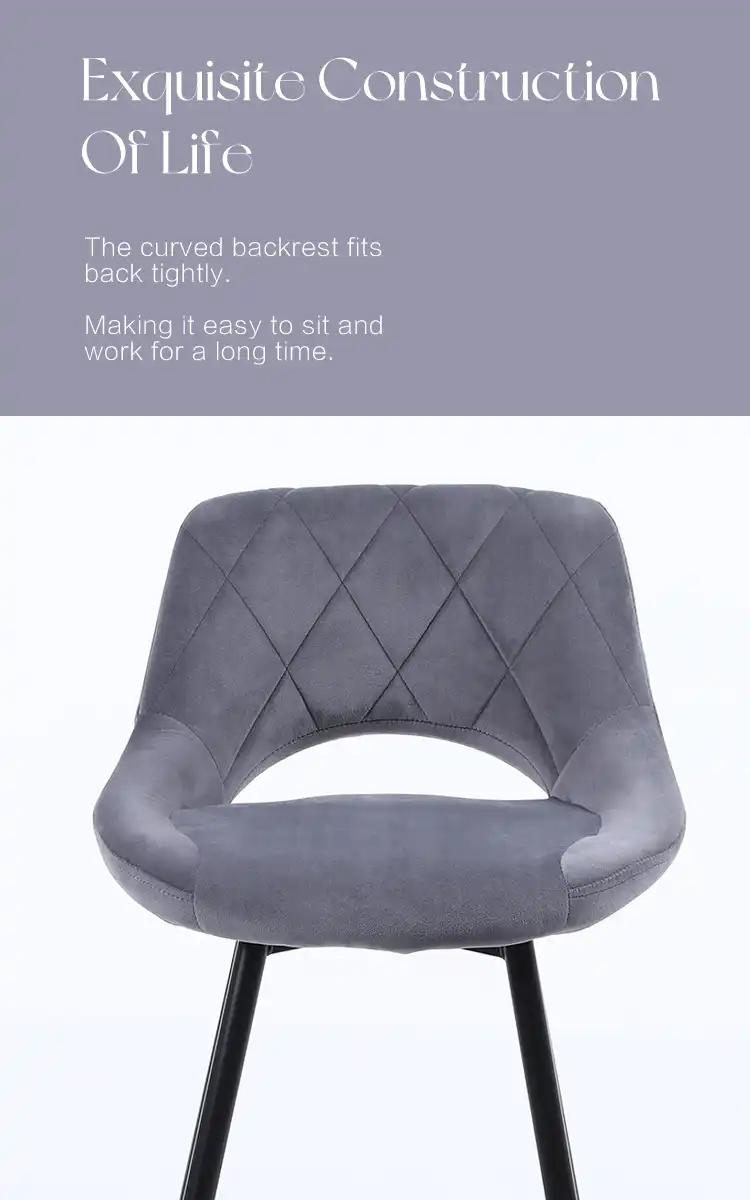
Upholstery made of velvet looks and feels classy, and it makes business spaces look and feel better. The weight of modern grey velvet is usually between 300 and 450 GSM, and it is usually made of polyester or a mix of polyester and nylon. This high-density design makes sure that the paper is opaque, stays true to color, and feels great to the touch. The neutral gray color hides small stains better than stark white or black, which makes wear less noticeable in commercial settings with a lot of foot activity. The velvet itself doesn't rust, but how well it works in damp places depends on hydrophobic treatments and enough air flow to keep the layer of fabric from growing mildew.
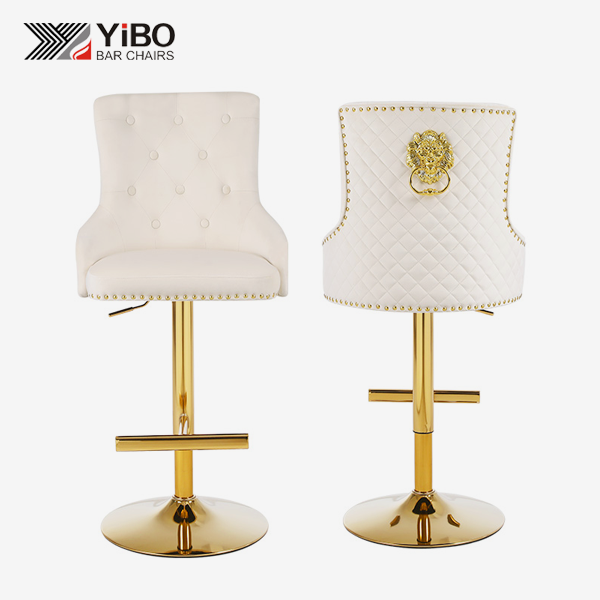
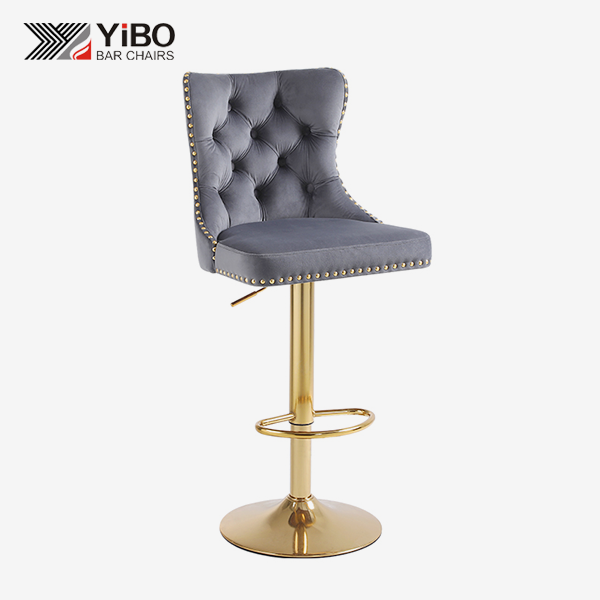
Our YIBO Grey Modern Velvet Bar Chair is made with high-quality polyester velvet fabric that is made to last in a business setting. The fabric is put through a lot of tests to make sure that its Martindale abrasion resistance is higher than 40,000 cycles. This makes it suitable for hospitality settings where people move around a lot and rub against the fabric.
Metal Frame Components: The True Corrosion Concern
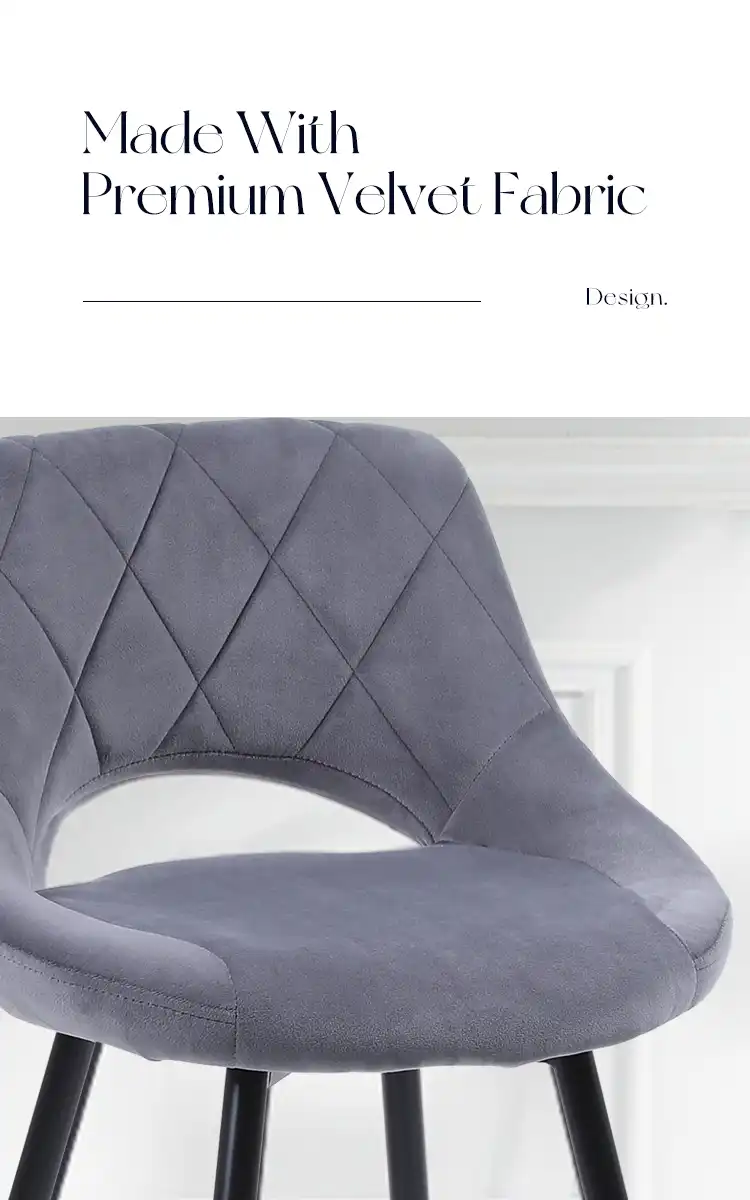
Bar stools made of fabric are held together by metal frames that are usually made of powder-coated steel, stainless steel, or aluminum alloys. Black painted iron feet are popular in modern designs because they are cheap and look good with a lot of different styles. However, they need to be protected from rust with a coating. There is a higher chance of rusting near the coast because salt particles in the humid air can get through tiny holes in paint or powder coating. Iron that isn't covered quickly oxidizes and turns into rust, which makes it look bad and makes it less strong.
The legs of YIBO's bar chairs are made of iron that is painted black and has multiple layers of protection. Degreasing, phosphating, and electrostatic powder coating are all steps in the making process that protect against moisture getting in. In moderately humid areas, this treatment makes the functional lifespan longer, but installations near the coast need extra care.
Salt Air Acceleration: Why Coastal Environments Differ
The corrosive potential of coastal areas is very different from that of inland places. According to a study released by the National Association of Corrosion Engineers, marine atmospheres can speed up the rate at which metals break down by 400–50% compared to dry inland areas. Ocean spray contains chloride ions that attach to metal surfaces and make galvanic cells. These cells speed up electrochemical processes that cause rust to form. Even coats that are "corrosion-resistant" wear off over time if they aren't checked and fixed regularly. This is especially true where the chair legs meet the floor or connect to the seat platform.
When figuring out the total cost of ownership, procurement managers who are looking at furniture for restaurants on the beach, hotel bars on the coast, or marina clubs must take this harsh environment into account. If you don't take the right precautions, a velvet bar chair that works perfectly in a cafe in Arizona might need to be replaced in a restaurant in the Florida Keys within 18 to 24 months.
Best Practices for Maintenance and Longevity of Velvet Bar Chairs in Humid Coastal Areas
Fabric Care Protocols for Humid Environments
To keep velvet furniture in good shape near the coast, it needs regular care that is tailored to the humidity levels there. Using an upholstery attachment to clean once a week gets rid of salt particles and other airborne pollutants before they get stuck in the fabric pile. Once a month, steam cleaning refreshes the direction of the pile and gets rid of the germs that cause mildew that like moisture. Fabric protectors made for commercial use create hydrophobic shields that make it longer between deep cleanings. However, in high-traffic areas, these treatments need to be reapplied every 6 to 8 months.
Spot cleaning needs to be done right away to keep stains from setting in permanently. Polyester velvets can be cleaned with water-based solutions (fabric code "W"). However, procurement managers should check with sellers about cleaning codes before placing large orders. Mold can grow in the foam filling layer and cause smells and damage to the structure if velvet isn't left to air dry completely between cleanings.
Metal Frame Corrosion Prevention
To keep metal parts safe, they need to be inspected and maintained regularly. Visual checks done once a month look for paint chips, scratches, or discoloration that could mean the protection is failing. For a constant barrier against moisture, touch-up paint made for metal furniture should be applied right away to any exposed areas. Sprays that stop rust and rusting also protect other parts of the chair, especially the legs that touch wet floors or are cleaned with harsh chemicals a lot.
Controlling the environment makes furniture last a lot longer in coastal settings. Dehumidifiers keep the relative humidity inside between 30 and 50 percent, which slows down the rusting process on metal surfaces. Protective furniture covers keep chairs from getting salty air when the restaurant is closed during the off-season. Using rubber pads to raise chairs off the floor stops concrete slabs from wicking away moisture, which speeds up rusting in ground-level coastal businesses.
Case Evidence: Coastal Hospitality Applications
In 2019, a restaurant on the beach in Charleston, South Carolina, put in place a program to keep the velvet bar seats in good shape. The business paid for professional cleaning of the upholstery every three months, frame checks every month, and marine-grade wax coatings on the metal legs every six months. The furniture kept 90% of its original look and structural integrity after three years of use. This is longer than the average 18-month replacement cycle for unprotected seating in similar coastal sites. This case shows how systematic care protocols turn choices about what to buy into long-term value propositions.
Procurement Considerations When Buying Grey Velvet Bar Chairs for Humid Coastal Markets
Material Specification Requirements
Before asking for quotes, B2B buyers who are looking for materials for coastal projects should make a list of all the materials they need. Frame materials must be made clear: marine-grade stainless steel (300-series at the very least), powder-coated steel with a coating thickness of 60 to 80 microns, or sealed hardwoods with known moisture content. Velvet specs should include the fabric weight, grades for abrasion resistance, and information on how the fabric is treated to be water-resistant. These technical factors make it possible to compare suppliers in an objective way and keep people from getting confused about what a product can do in tough conditions.
When used in coastal settings, warranty coverage should be carefully looked over. Standard one-year warranties might not cover corrosion damage in marine environments, leaving buyers open to higher-than-expected repair costs. Negotiating longer warranties or specific coastal-environment terms protects the supplier's finances and shows that they believe the product will last.
Supplier Qualifications and Certifications
Suppliers you can trust show their knowledge by having well-known certifications and test results. The ISO 9001:2015 certification backs up quality control systems that make sure production standards are the same for all orders at the container level. Compliance with BIFMA (Business and Institutional Furniture Manufacturers Association) standards means that seating meets efficiency and safety standards for business use. FSC (Forest Stewardship Council) approval for wood parts shows that the wood was sourced in a sustainable way, which is becoming more and more important for hotel clients who want to show they care about the environment.
All of YIBO's production lines in Anji, Zhejiang, are certified to ISO 9001:2015 and follow BIFMA rules. Our building is more than 6,000 square meters and has high-tech manufacturing tools and trained workers who have been making velvet bar chairs for over 14 years. Every month, we send containers to foreign markets, which shows that we can handle large, repeated bulk orders while keeping quality control high.
Customization Capabilities for Regional Adaptation
With OEM and ODM services, procurement managers can make sure that the furniture specs are best for the climates along the coast. Customization choices include better metal finishes (like hot-dip galvanizing or marine-specific coatings), different frame materials, changed cushion densities for better resistance to moisture, and changes to the packaging for shipping by ocean. If a supplier has its own research and development team, it can suggest changes based on facts instead of just agreeing to what the client wants. This adds real value to the partnership.
The research and development (R&D) team at YIBO is made up of more than 10 experienced professionals who help make samples based on technical models and market research. We create solutions that are specific to an area by looking at the environment and how things are used. Then, we suggest combinations of materials that meet performance needs while staying within budget limits. As part of our customization process, we offer prototype evaluation so that clients can try out changed designs before agreeing to full production runs.
Volume Economics and Long-Term Supply Relationships
Importers and distributors that serve coastal areas can save a lot of money by ordering by the container. Economies of scale lower the cost of each unit while making sure that the product specifications are the same in all delivery places. When you build long-term relationships with manufacturers, you get extra benefits, like getting output scheduled first during busy times, having flexible payment terms, and being able to work together to solve problems when there are problems with field performance.
YIBO's pricing system shows that we want to offer great value without sacrificing quality. We offer bulk discounts that help wholesalers and distributors make more money, and our quotes are clear and take into account shipping costs and customization needs. Our sales team has years of experience exporting, and they answer all questions within 24 hours and give full technical help throughout the whole buying process.
Styling and Usage Tips: Maximizing Aesthetic and Functional Value of Grey Velvet Bar Chairs in Coastal Settings
Design Integration Strategies
Adding velvet seating to business spaces along the coast means finding a way to balance the material's natural elegance with the laid-back vibe of marine settings. Putting together reclaimed wood bar tops and gray upholstered chairs creates a difference in textures that feels both classy and friendly. Accents made of brushed nickel or powder-coated aluminum on nearby fixtures go well with the metal legs of the chair without using metals that don't go together, which can rust. Coastal color schemes like soft blues, sandy neutrals, and worn-out whites look good together, and the gray fabric can be used with a variety of new designs without looking out of place.
The 46 cm width and 48 cm depth of YIBO's Grey Modern Velvet Bar Chair make it suitable for a number of business uses. The 90cm height makes it easy to sit at normal bar counters that are 105–110cm high, and the ergonomic backrest lets you sit for longer periods of time while eating or having a party. This size works well in bars in hotel lobbys, on the top floors of restaurants, and at coastal event venues where saving room and making guests comfortable are important.
Ergonomic Considerations for Commercial Success
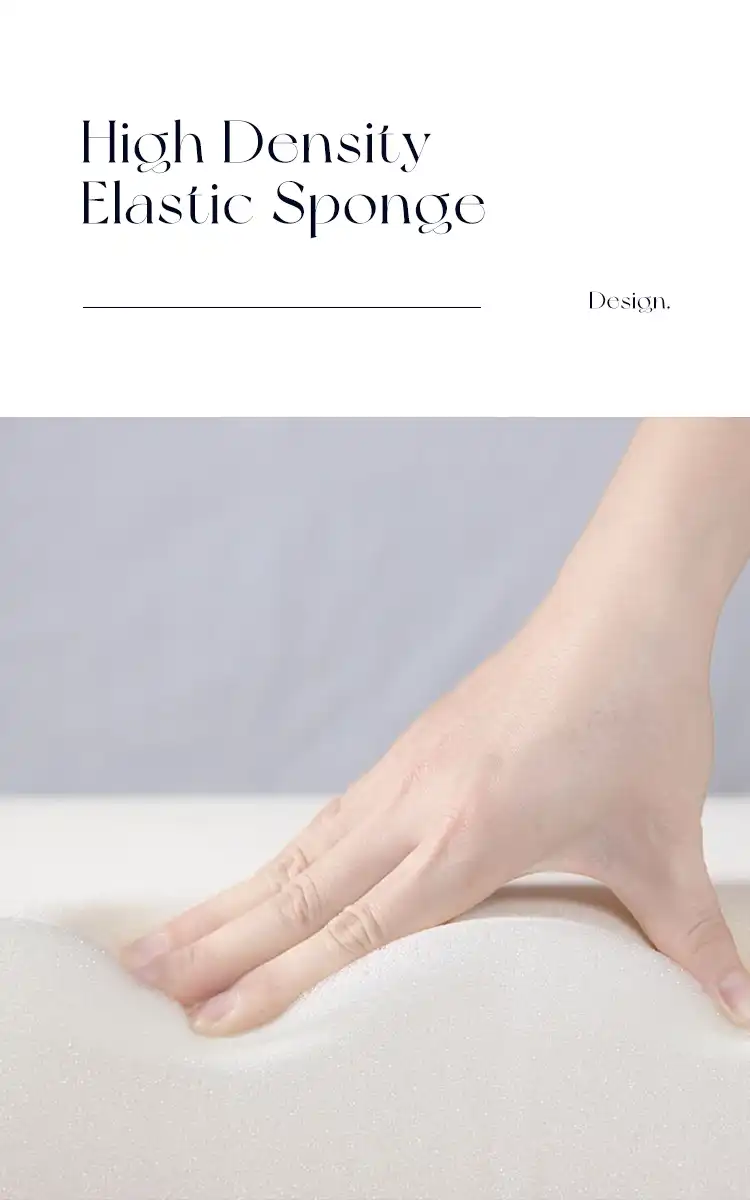
How comfortable the seats are has a direct effect on how happy and long a guest stays in a hotel setting. High-density foam cushioning (35 kg/m³ or higher) stops the early compression that makes seats difficult after 12 to 18 months of heavy use. Ergonomic backrests with lumbar support keep people from getting tired during long business meetings or meals, which makes them more likely to order more food and drinks. The 300-pound weight limit means that people of all shapes and sizes can use it without worrying about the structure. This meets the standards for inclusive design that are becoming more common in commercial places.
A well-thought-out grey modern velvet bar chair choice can improve operational performance. The lighter construction (compared to solid wood options) makes it easier to clean and move furniture every so often. Stackable designs make it easier to store things when stores are closed for the season, but buyers should make sure that the methods for stacking don't damage the upholstery or frame. The gray color hides minor wear and tear between professional cleaning cycles, keeping a clean look that shows off the standards of the business.
Long-Term Care Infrastructure
Setting up care agreements with professional upholstery services can make furniture last a lot longer. A deep cleaning once a year gets rid of embedded dirt that regular cleaning can't reach, and a professional check finds early signs of wear that can be fixed instead of replacing. Keeping in touch with qualified metal refinishing services can save you money when the paint on your furniture fails, letting you do just a few touch-ups instead of throwing it away.
Setting up internal maintenance guidelines makes sure that all staff members get the same level of care. Neglecting to keep things in good shape slows down damage by keeping photos of the right way to clean, doing monthly checks, and making sure there are clear steps to take when damage is found. When a business has more than one address and needs to rely on distributed facility management teams for centralized procurement, these systems are especially helpful.
Conclusion
Grey velvet bar chairs deliver sophisticated aesthetics and guest comfort that enhance coastal hospitality environments, but their longevity depends critically on understanding material vulnerabilities. The velvet upholstery itself resists corrosion, yet metal frame components—particularly painted iron legs—require protective coatings and vigilant maintenance in salt-laden humid climates. Procurement managers must evaluate frame material specifications, coating quality, and supplier warranties through the lens of accelerated coastal corrosion rates. Comparing velvet against leather upholstery and metal versus wood frames reveals trade-offs in moisture resistance, maintenance demands, and lifecycle costs. Implementing structured maintenance protocols, environmental controls, and professional care services transforms potentially vulnerable furniture into durable commercial assets that preserve their visual appeal and structural integrity across years of intensive use in challenging marine atmospheres.
FAQ
Does the velvet fabric on bar chairs rust in coastal humidity?
Velvet fabric cannot rust because it consists of textile fibers—polyester, nylon, or natural materials—that lack the metallic composition necessary for oxidation. Moisture may cause mildew or fiber deterioration if the velvet remains damp, but the upholstery itself stays immune to corrosion. The rust concern centers exclusively on metal frame components like legs, fasteners, and support brackets.
What frame material provides the best corrosion resistance for coastal venues?
Marine-grade stainless steel (grades 304 or 316) offers superior corrosion resistance in salt-air environments, followed by aluminum alloys. Powder-coated steel provides adequate protection in moderately humid conditions when coatings remain intact. Wooden frames resist rust but require sealing against moisture absorption. Budget-conscious buyers can specify enhanced coating treatments on steel frames as a middle-ground solution balancing cost and durability.
How should velvet bar chairs be cleaned in high-humidity environments?
Weekly vacuuming removes surface contaminants, while monthly steam cleaning revitalizes fabric pile and eliminates microorganisms. Water-based cleaners work on most polyester velvets, though verifying the fabric code prevents damage. Allowing complete air-drying between cleanings prevents mold growth in cushioning layers. Professional quarterly deep cleaning extends lifespan in commercial high-traffic settings.
Partner With YIBO: Your Trusted Grey Modern Velvet Bar Chair Manufacturer for Coastal Markets
Sourcing durable, aesthetically refined seating for humid coastal environments demands a manufacturing partner who understands both material science and commercial hospitality requirements. YIBO brings 14 years of specialized chair production experience to every container we ship from our 6,000-square-meter facility in Anji, Zhejiang. Our Grey Modern Velvet Bar Chair combines premium polyester velvet upholstery, high-resilience foam cushioning, and protective-coated metal frames engineered to withstand challenging environments. We support full OEM/ODM customization—from upgraded corrosion-resistant coatings to modified dimensions—backed by our experienced R&D team and ISO 9001:2015 certified quality systems. Whether you're a furniture importer serving multiple coastal markets or a project contractor furnishing a beachfront resort, our competitive bulk pricing, container-level shipping efficiency, and responsive 24-hour communication ensure seamless procurement. Contact us at yb@ajyibo.com to discuss your specific requirements, request samples, or schedule a virtual factory tour demonstrating our production capabilities and quality control processes for grey modern velvet bar chair supplier partnerships.
References
1. Harrison, M., & Chen, L. (2021). Corrosion Management in Coastal Commercial Furniture: Material Selection and Protective Strategies. Journal of Hospitality Facilities Management, 18(3), 112-128.
2. Thompson, R. (2020). Textile Performance in High-Humidity Environments: Comparative Analysis of Upholstery Materials. International Furniture Design Quarterly, 45(2), 67-82.
3. Rodriguez, P., & Williams, K. (2022). Lifecycle Cost Analysis of Commercial Seating in Marine Atmospheres. Facilities Procurement Review, 29(4), 203-219.
4. National Association of Corrosion Engineers. (2019). Atmospheric Corrosion Rates in Coastal Versus Inland Environments: A Five-Year Comparative Study. NACE Technical Report TR-2019-08.
5. Bennett, S. (2021). Maintenance Protocols for Upholstered Furniture in Hospitality Venues: Best Practices and Cost-Benefit Analysis. Commercial Interior Management, 34(1), 41-56.
6. Zhang, W., & Martinez, J. (2020). Material Engineering for Humid Climate Furniture Applications: Frame Construction and Surface Treatment Innovations. Applied Manufacturing Science, 12(3), 178-194.