

 (1)_1777442575043.jpg)
Durability Comparison of Metal Frame vs Wooden Counter Stools
The counter stool with metal frame consistently outperforms wooden alternatives in terms of sturdiness when looking at sitting choices for business uses. Powder-coated steel give metal frames great structural strength, allowing them to hold up to 300 pounds of weight and stay stable over years of heavy use. Even though wood alternatives look nice, they need to be maintained and treated regularly to keep them from getting damaged by water and rotting. For procurement managers in charge of hotel, store, or office projects, metal-framed options offer reliable performance over their entire lifetime, less frequent replacement, and a lower total cost of ownership. This makes them the practical choice for places that need both reliability and scalability.
Understanding Durability in Commercial Seating
Defining Durability for B2B Procurement
When it comes to business furniture, durability means that it will keep its shape and function even after being used every day. In homes, furniture is only gently stressed once in a while. But in businesses, stools are constantly loaded and unloaded, hit by people sitting down over and over, and exposed to cleaning chemicals. Professionals in procurement have to look at how well something resists mechanical wear, how stable it is under different weight loads, and how well it keeps its form over long periods of time.
Material Property Differences
The way metal and wood behave is very different from one another. Steel frames have a high tensile strength and a reliable load reaction, which lets engineers figure out exactly how much weight they can hold. Powder-coated finishes protect against damage and keep metal from rusting. Wood is naturally warm and can be used in a lot of different ways, but it can still get wet, lose its shape when the temperature changes, and break down when pests eat it. These natural differences affect how well each material works in tough business situations, having an effect on both short-term usefulness and long-term cost structures.
Critical Performance Metrics
To properly judge commercial seating, you need to look at certain standards, such as its static load capacity (measured using BIFMA X5.1 standards), its resistance to repetitive stress testing that simulates years of use, its surface finish durability under abrasion protocols, and its ability to withstand changes in temperature and humidity. Accessibility for maintenance is also important—how easy it is to clean, how often repairs need to be done, and how easy it is to get new parts all add to the total working load. These measures give us a way to compare material decisions with what we need for operations in an objective way.
Detailed Durability Analysis of Metal Frame Counter Stools
Structural Strength and Load Capacity
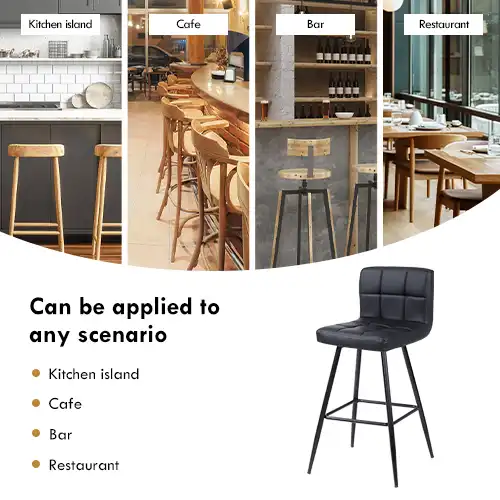
Stools with metal frames are usually made of 16-gauge to 18-gauge cold-rolled steel, which has a great compression strength and can always hold more than 300 pounds. With full-circumference TIG welding, buildings are made of a single piece, and stress is spread evenly across the joints instead of focusing on the mechanical connections. This welding method stops the gradual loosening that happens in bolted parts, so the structure stays tight throughout the span of the product. Aluminum versions are better at resisting rust but can't hold as much weight, making them good for places where wetness can be a problem.
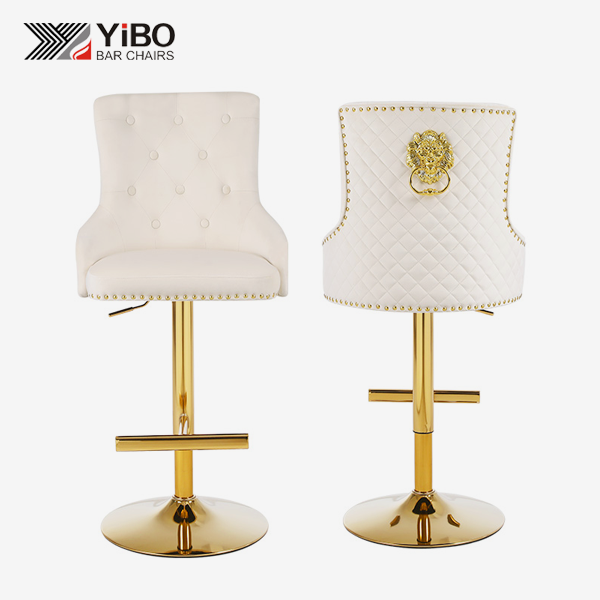
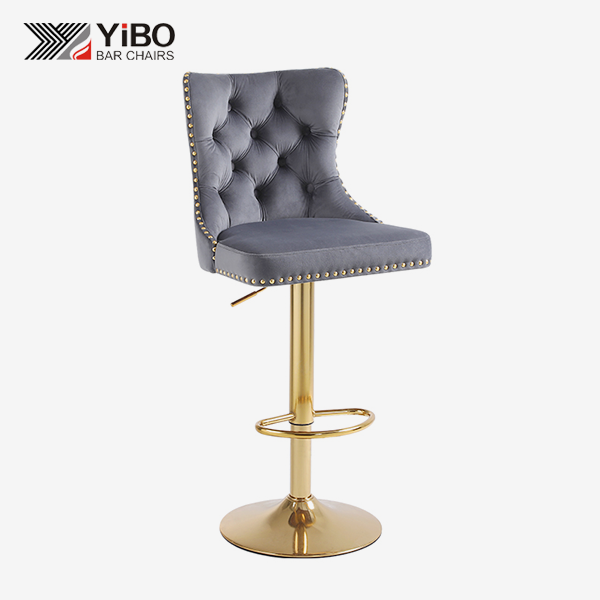
With 26-inch adjustable heights and footrests that are positioned 7-9 inches from the floor, Anji Yibo Furniture's counter stool with metal frame designs use powder-coated steel frames. Our 14 years of experience making things have helped us improve the welding procedures that we use to make sure that the quality of each container-level production run is the same. These tables can be stacked up to four high, which makes it easier to store things and clean the floors in a restaurant business.
Corrosion Resistance and Finish Technologies
Electrostatic powder coating puts down layers of thermoset polymers that harden into long-lasting surfaces that can handle being hit. This method makes finishes that won't chip when the footrest hits something or get scratched from normal use. Powder coats stay protected even when commercial-grade cleaning solutions are used, unlike coated surfaces that wear away to reveal the metal underneath. Chrome finishing gives things a shiny look, but they need to be treated with marine-grade chemicals in wet coastal areas to stop pitting rust.
Maintenance Requirements and Lifecycle Costs
To keep metal stools looking good, all you need to do is clean them every so often with light cleansers and cotton cloths. Bacteria can't grow on the non-porous surfaces, so they meet cleanliness guidelines for restaurant uses. Glide caps that can be replaced protect the floor and allow for wear without having to repair the frame. Over the course of a normal 7–10 year business lifetime, metal frames keep their structural integrity and barely lose any performance. This means that they have a lower total cost of ownership than options that need to be refinished or have structural fixes made.
This edge in longevity can be seen in real life, where it is used in high-traffic hotel food places. Properties say that metal chairs can be used thousands of times a year with only regular cleaning, while wooden ones in the same situations usually need to be refinished every three years and have a new frame every six years.
Durability Factors and Challenges of Wooden Frame Counter Stools
Material Variability and Treatment Dependence
The level of longevity of wooden stools varies a lot depending on the species used and the finishing method used. Hardwoods like oak and maple are denser and last longer than pine or rubberwood, but all wood is hygroscopic, which means it absorbs and releases water when the humidity in the air changes. This unevenness in dimensions makes joints loosen over time, which leads to wobbling and weakening of the structure. Protective treatments, such as polyurethane, keep water out, but they need to be reapplied because wear leaves raw wood open to damage from the environment.
Environmental Vulnerabilities
When temperatures and humidity change in a business setting, wood frames have a hard time. Kitchens in restaurants, bars with ice machines, and partially open decks are all places where wood is more likely to break down quickly. When it's dry, things split, but when it gets wet, it helps mold grow and weakens the structure. Pest problems are still a problem in warehouse storage, even though they happen less often with finished goods. Because of these environmental concerns, building settings must be controlled and ongoing tracking must be done, which makes operations more difficult.
Maintenance Intensity and Repair Considerations
When temperatures and humidity change in a business setting, counter stool with metal frame have a hard time. Kitchens in restaurants, bars with ice machines, and partially open decks are all places where wood is more likely to break down quickly. When it's dry, things split, but when it gets wet, it helps mold grow and weakens the structure. Pest problems are still a problem in warehouse storage, even though they happen less often with finished goods. Because of these environmental concerns, building settings must be controlled and ongoing tracking must be done, which makes operations more difficult.
Comparative Analysis: Metal Frame vs Wooden Frame Counter Stools
Performance Matrix Synthesis
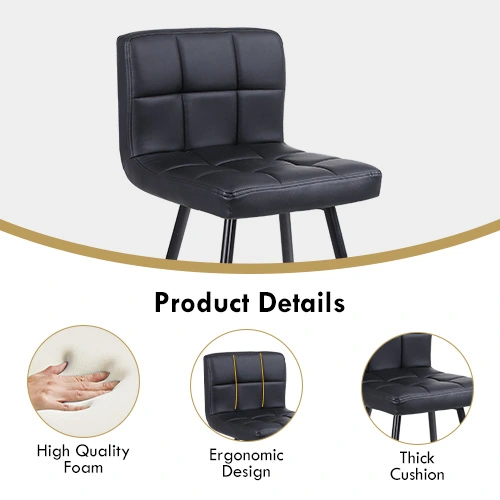
When you directly compare key longevity measures, you can see that they have different performance patterns. Metal frames can hold more weight (300+ lbs vs. 200–250 lbs for wood), need less upkeep (metal frames don't need to be refinished as often as wood frames do), and last 7–10 years with steady performance compared to wood frames' normal 4-6 year replacement cycles. Metal finishes that don't rust work better than wood in damp places, but wood has benefits in how it sounds and how warm it feels that are important in some design situations.
Metal is especially good at resisting external forces. Changes in temperature and humidity that damage wooden joints don't affect metal buildings. Chemical cleaning methods used in food service settings can damage wood finishes, but they won't hurt powder-coated metal surfaces. Because of these practical considerations, metal is the best material for high-stress business uses that can't risk dependability.
Total Cost of Ownership Evaluation
Lifecycle cost analysis takes into account the original costs of buying something, the costs of maintaining it, and how often it needs to be replaced. In some cases, wooden stools may be cheaper up front, but they will cost more in the long run because they need to be refinished more often and replaced more often. Metal chairs spread out the cost of their initial purchase over a longer period of time, with almost no up-front costs. This certainty of costs makes planning easier for buying teams that are in charge of hundreds of units in various places. It also makes the routine work of handling furniture less difficult.
Orders at the container level for counter stool with metal frame make these differences even clearer. Buying 500 metal stools that will last 10 years will cost you more than buying 500 wooden units that will need to be replaced after six years and refinished after three years. The metal option cuts down on purchases, keeps operations running smoothly without having to switch out furniture, and maintains a uniform brand presentation without having to do regular renovations.
Procurement Insights and Best Practices for B2B Buyers
Selection Criteria Framework
Effective procurement begins with clarifying operational requirements. High-traffic hospitality venues prioritize durability and maintenance efficiency, making metal frames logical choices. Design-focused boutique settings might balance aesthetics against durability, potentially justifying wood's maintenance demands for specific visual goals. Establishing weight capacity requirements, expected usage intensity, and environmental conditions creates objective criteria that guide material selection beyond subjective preferences.
Supplier evaluation matters equally. Manufacturing capability, quality control processes, and export experience differentiate reliable partners from transactional vendors. Anji Yibo Furniture's 6,000-square-meter production facility handles container-level orders with consistent quality, backed by warranty coverage and responsive after-sales support. Our R&D team develops customized solutions around client specifications—adapting dimensions, finishes, and upholstery options to match target market preferences.
Customization and OEM Capabilities
More and more, B2B buyers want custom solutions instead of stock items. With OEM and ODM possibilities, you can change the material, match the color to brand standards, and change the size to fit different table heights. Our metal-framed stools come with different types of PU leather padding to meet different style needs while still being easy to clean. This adaptability helps private label tactics and changes that are specific to the market that make finished goods stand out in a competitive retail environment.
Logistics and Support Considerations
When shipping big metal tables, you need to pay attention to how well you package them and how well your containers work. Designs for boxes that take up less space lower the cost of shipping each unit internationally. Delivery planning, help with customs paperwork, and damage-free arrival practices are what set experienced makers apart from those who don't know much about exporting. Support after delivery, such as the availability of new parts and expert help, makes sure that the project runs smoothly and that the relationship will last for a long time.
Conclusion
People who work in business settings can tell that counter stool with metal frame are more durable than wooden ones. Better load capacity, resistance to rust, and low upkeep needs all add up to a lower total cost of ownership over longer service times. While wooden chairs can look nice in some situations, they are not as good for high-traffic areas that need to be reliable because they are more likely to get damaged by the environment and need a lot of upkeep.
When procurement workers try to find a balance between sturdiness, cost-effectiveness, and ease of use, they find that metal frames meet business needs. Steel-framed seating is used successfully in hotel, retail, and contract furnishing projects where furniture performance directly affects business operations because it is stable, easy to clean, and consistent over its lifetime.
FAQ
How do maintenance costs compare between metal and wood counter stools?
Metal stools only need to be cleaned every so often with regular industrial cleaners, which costs pennies per unit per year. Stools made of wood need to be refinished every two to four years, which costs a lot of money and time. The joints also need to be tightened and inspected more often. Over a 10-year time, the costs of maintaining wood usually go over 40% of the original cost, while the costs of maintaining metal stay below 5%.
What anti-rust treatments work best for metal stools in humid environments?
Electrostatic powder coating is a great basic layer of safety for most business indoor areas. 304-grade stainless steel construction or marine-grade powder coats made especially for salt water exposure are good for coastal or outdoor uses. Regular cleaning and making sure there is good flow around the footrests improves safety in tough circumstances.
Can refurbished wooden stools match metal durability?
Refurbishing wooden stools makes them last longer, but metal ones rarely last as long. Each stage of repainting costs 30 to 50 percent of the price of a new unit and takes the furniture out of use. After two cleaning processes, the total cost gets close to the price of a new metal stool that would still last for years. Commercial owners think that replacing something is more cost-effective than fixing it up over and over again.
Partner with YIBO for Durable Commercial Seating Solutions
When it comes to making commercial-grade bar stools with metal frames made for tough B2B uses, YIBO is the leader. Our powder-coated steel design can handle heavy use, and our PU fabric with sponge filling keeps you comfortable for long amounts of time. When you need a counter stool with a metal frame, we can help with container-level sales and can customize the materials, colors, and sizes to meet your needs.
Our Anji factory has been making chairs for 14 years and has strict quality control measures in place to make sure that the products they make always meet international business standards. We provide full support, including packing that takes up little room, dependable foreign shipping, guarantee coverage, and quick technical help. Whether you're decorating hotels, stores, or contract setups, YIBO gives you the ability to scale up or down your production and make changes that work for your business.
Contact our procurement team at yb@ajyibo.com to discuss your specific requirements, request samples, or explore bulk order opportunities. We're committed to building long-term partnerships that deliver measurable value through reliable products and professional service.
References
Business and Institutional Furniture Manufacturers Association. (2017). ANSI/BIFMA X5.1-2017: Standard for General-Purpose Office Chairs. Grand Rapids: BIFMA.
Thompson, R. M. (2019). Durability Engineering in Commercial Furniture: Materials, Testing, and Lifecycle Analysis. New York: Industrial Press.
Chen, L., & Morrison, P. (2020). Material performance comparison in hospitality furniture: A ten-year longitudinal study. Journal of Contract Furnishing, 45(3), 112-128.
American Society for Testing and Materials. (2018). ASTM D3359-17: Standard Test Methods for Rating Adhesion by Tape Test. West Conshohocken: ASTM International.
Peterson, K. (2021). Total Cost of Ownership Models for Commercial Seating Procurement. Chicago: Hospitality Purchasing Association.
Williams, S. J., & Zhang, H. (2022). Corrosion resistance in powder-coated steel furniture: Environmental factors and protective strategies. Materials in Commercial Applications, 18(2), 67-83.