

 (1)_1777442575043.jpg)
Leather Upholstered Bar Stool Vs. Fabric Counter Stools: Which Is Better?
The choice between a leather upholstered bar stool and cloth counter stools for your industrial project relies on your working setting and long-term business goals. Leather furniture usually lasts longer, is easier to clean, and looks better, making it perfect for high-traffic dining places and high-end store spaces. Fabric choices, on the other hand, let more air pass through, can be customized more, and are often a cheaper option for controlled office settings or projects that need a lot of different designs. Both materials have come a long way in terms of performance and durability. The best choice depends on how long you want it to last, how easy it is to clean, how it looks, and the total cost of ownership across your supply chain.
Understanding Leather Upholstered Bar Stools and Fabric Counter Stools
Material Composition and Structural Foundation
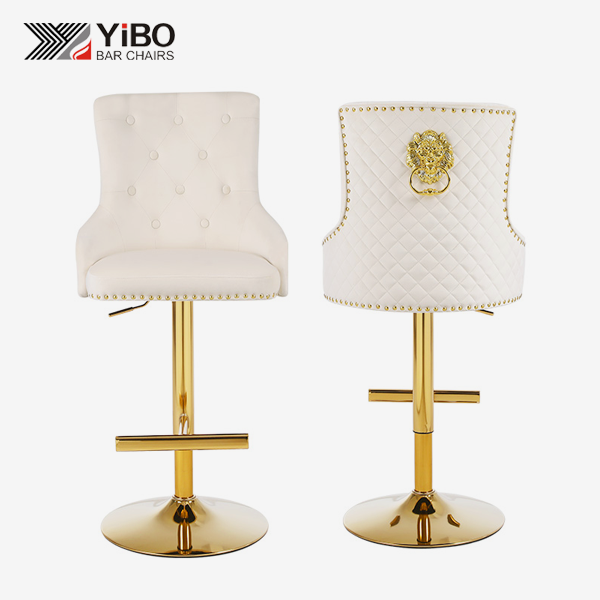
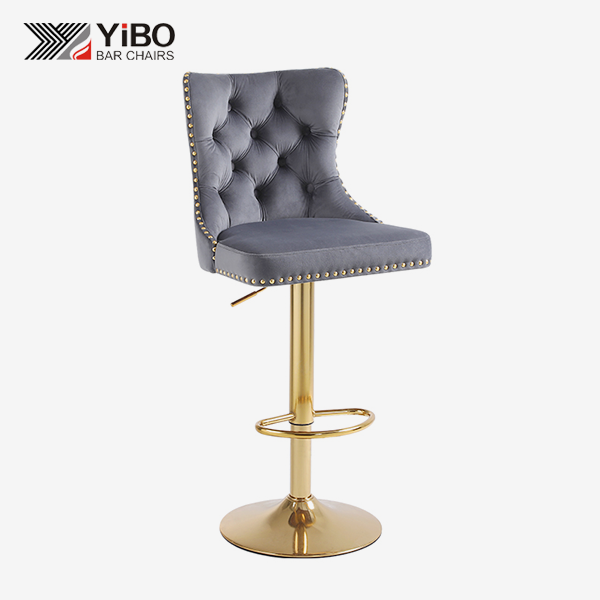
The way bar seating is built has a direct effect on how well it sells. The science of fabric and structural stability are combined in a well-designed leather upholstered bar stool. In the making process at Anji Yibo Furniture, we use siamese hardwood that is between 1.0 cm and 1.2 cm thick. This gives the furniture a stable base that doesn't bend when stressed over and over again. This base holds high-density sponge filling that stays flexible even after thousands of sitting cycles. This solves a common problem in the industry: seats that sag too soon in places with a lot of movement.
Our PU leather padding, which is 0.8 mm thick, strikes a perfect balance between surface toughness and comfort to the touch. This is important because lighter materials tear easily when they are pulled apart laterally, while too much thickness makes it hard for them to breathe and makes them bend in ways that don't make sense. Using semi-PU leather gives you the slippery qualities you need for places that serve drinks while keeping the cost down compared to full-grain leather options. Fabric bar stools, on the other hand, are made from a variety of fabrics, ranging from commercial-grade polyester mixes to natural fiber combinations. Performance fabrics like Crypton or Sunbrella have chemical processes that make them stain-resistant. Traditional fabrics like linen, cotton, and fake silk, on the other hand, care more about how they look and how easy they are to clean.
Evolution of Commercial Seating Materials
Understanding how materials change over time helps buying pros guess how they will perform in the future. Leather furniture came from high-end shops where natural hides were seen as a sign of wealth and longevity. Full-grain leather keeps the whole structure of the hide, and over time it gets a sheen that many designers like. Top-grain leather has its surface fixed, which gives it a more regular look that works for brands that have stores in more than one place. Modern manufactured replacements came about in the car and flight industries, which needed materials that were better than real leather in certain ways, like being resistant to UV light and chemicals.
Fiber engineering has made a big difference in the technology of fabric seats. Early commercial fabrics tore easily when they were worn down, but newer fabrics use solution-dyed fibers that attach color at the molecular level, so they don't fade when exposed to UV light. Performance fabrics can now pass the Martindale rub test more than 100,000 times, making them as durable as leather in some situations. Because of this growth in technology, buying teams can now choose materials for places where leather used to be the norm. This opens up more design options without affecting the needs of operations.
Key Comparison Criteria for Leather vs Fabric Bar Stools
Durability and Lifecycle Performance
To judge durability of leather upholstered bar stool, you can't just look at claims of long life; you have to look at a number of different ways something could fail. When used as directed, high-quality PU leather furniture fights surface wear well and keeps its good looks for tens of thousands of sitting cycles. The main weakness is hydrolysis, which happens when polymers are exposed to water and break down, especially in wet places. Our production process uses hydrolysis-resistant formulas that have been proven to work in rapid aging tests. This makes sure that the performance is the same in a wide range of market conditions, from seaside places in the Mediterranean to tropical resorts.
How long a fabric lasts depends a lot on how it was made and what fibers are used. Polyester mixes that are tightly woven and have a plastic backing don't pill and keep their shape longer than natural fibers that are freely knitted. Performance fabrics that have been treated with fluorochemical or silicone-based protectants can easily wipe up spills, but these treatments wear off over time and need to be reapplied every so often. In hotel bars or restaurants, this means knowing that when choosing fabrics, you need to fit the expected change rates with the material specs. A cloth that works well in a small hotel room with light foot traffic might wear out quickly in a sports bar with a lot of foot traffic.
Maintenance Demands and Cleaning Protocols
Maintenance efficiency has a direct effect on running costs that go beyond the cost of buying the equipment. When it comes to daily cleaning, leather surfaces are very helpful. Most spilled drinks, food leftovers, and general dirt can be cleaned up with a wet cloth. This makes it easy for front-of-house staff to keep sitting areas clean quickly during service times. This makes cleaning easier, which cuts down on the time and work that needs to be done. Our chosen 0.8mm PU leather has finish treatments that make it resistant to common stains like coffee, wine, and acidic mixes, so you don't have to use special cleaning products.
Furniture made of fabric is harder to clean and maintain. Some spills won't stick to treated performance fabrics if you clean them right away, but liquids that get into the fibers need to be extracted and cleaned by a professional. Food gets stuck in the weaves of fabrics, making places for germs to grow and smells to form. Commercial businesses have to follow stricter cleaning plans that include deep extraction or steam cleaning on a regular basis. This makes operations more difficult and costs more. When making buying choices, these differences in continued upkeep should be taken into account, especially when figuring out the total cost of ownership over the projected five to seven-year lifetime of a product in challenging business settings.
Design Flexibility and Aesthetic Customization
Aesthetic flexibility affects how a brand is expressed and how it stands out in the market. When it comes to style, leather furniture tells a story about luxury, longevity, and classic appeal. The material naturally fits places that want to look high-end or have a retro-industrial look. There aren't as many color choices as there are fabric choices, but the ones that are there are standard neutrals like black, dark brown, cream, and cognac that go with a lot of different color patterns. Different types of leather have different textures, ranging from smooth aniline finishes to patterns that look like foreign hides or building designs.
Fabric choices for leather upholstered bar stool give designers a lot more freedom in how they make things. Textile production lets you match colors, combine patterns, and change textures in almost infinite ways, from smooth microfibers to bouclés with lots of different textures. This flexibility is especially helpful for hotel groups, store concepts that need to make sure that all of their locations match the brand colors exactly, and designers who want to make statement pieces that support room themes. When factories like ours have ODM capabilities, they can integrate custom fabrics. This helps private label tactics, in which importers create their own designs to gain a competitive edge in the market. With the larger color range, designers can choose chairs that can be neutral background elements or bold focus points, based on the needs of the project.
Procurement Insights: Which Upholstery Fits Your Business Needs?
Cost-Efficiency Analysis for Bulk Orders
When you do strategic buying, you have to look at cost patterns that go beyond unit prices. Bar stools with leather seats usually have higher starting costs because they are harder to make and require more materials. Quality PU leather furniture goes through extra steps during the production process, such as precise cutting to reduce waste, careful stretching to get rid of surface flaws, and precise stitching with specs like our 6x16mm screw assembly that makes sure the structure lasts a long time. Orders of a container or more profit from economies of scale. However, because of the way the raw material market works, leather prices are less flexible than fabric prices.
Fabric bar stools are often less expensive to buy, especially if you choose normal commercial-grade fabrics instead of high-performance fabrics. This cost advantage grows in big projects where budget limits mean getting as many seats as possible with the money that is available. However, repair processes must be included in a full cost study. If cloth chairs need to be replaced every three to four years and leather ones last seven to ten years, the amortized cost structure changes in a big way. Lifecycle costs should be modeled by procurement professionals who work with multi-unit hotel or retail chains. These costs should include the initial purchase, maintenance labor, cleaning supplies, and the number of times something needs to be replaced. This will help them find the most cost-effective solutions that are in line with operational realities and capital replacement schedules.
Vendor Selection and Quality Benchmarking
When you evaluate a supplier, you look at their ability to make things, their quality control methods, and their export skills. Established furniture makers with specific knowledge in seats offer important benefits, such as improved production methods, established quality control points, and experience managing the supply chain. Our factory in Anji is a hub of industry knowledge where part suppliers, skilled workers, and the infrastructure for production all work together to make the environment better. This regional concentration makes it possible to take samples quickly, make changes that fit your needs, and scale up or down safely to meet container-level order numbers while keeping quality high across production runs.
Comparing the quality of a product to well-known names gives you useful starting points. People expect residential-grade goods from companies like Restoration Hardware and West Elm, but business requirements need higher longevity standards. Contract furniture providers that work with hotels and businesses set more useful performance standards, such as BIFMA certification compliance, which proves the safety and sturdiness of the structure through standard testing procedures. Our ISO 9001:2015 certification shows that we follow structured quality management that is in line with international standards. Additionally, our TB 117-2013 fire safety compliance meets important safety requirements for business setups. Supply chain risks can be reduced by making sure that licenses are valid, asking for detailed information about materials like foam density and leather thickness, and visiting the factory or having a third party check it out before placing big orders.
Industry-Specific Application Considerations
In different business settings, success standards are different. In hotel bars and restaurants, there are a lot of people using the space, so there are a lot of sitting changes every day, spills of food and drinks, and different types of people using the space, which creates a lot of different stress patterns. Leather furniture is better in these places because it doesn't stain as easily and is easier to clean. Being able to quickly wipe down surfaces between guests keeps things clean and keeps things looking nice during service times. Additionally, leather's natural antibacterial qualities lower worries about germ transfer, which is becoming more and more important in hotel operations after a pandemic.
Breakout rooms and company bars in the office are more controlled settings with modest use and little food service contact for leather upholstered bar stool. These settings let you choose cloth specifications that put comfort first for long periods of time spent sitting and style that fits with your company's brand. Breathable fabrics keep people cooler during long meetings or group work sessions. This makes them more comfortable compared to leather surfaces, which can feel warm or sticky in climate-controlled spaces. When it comes to retail showrooms and commercial lobbies, upholstery is often chosen based on how the store wants to position its brand. For example, high-end stores tend to choose leather because of its high-end associations, while modern boutiques might choose bold fabric patterns that make Instagram-worthy moments that bring in customers and social media followers.
Final Recommendations and Best Use Cases
Optimal Scenarios for Leather Bar Stools
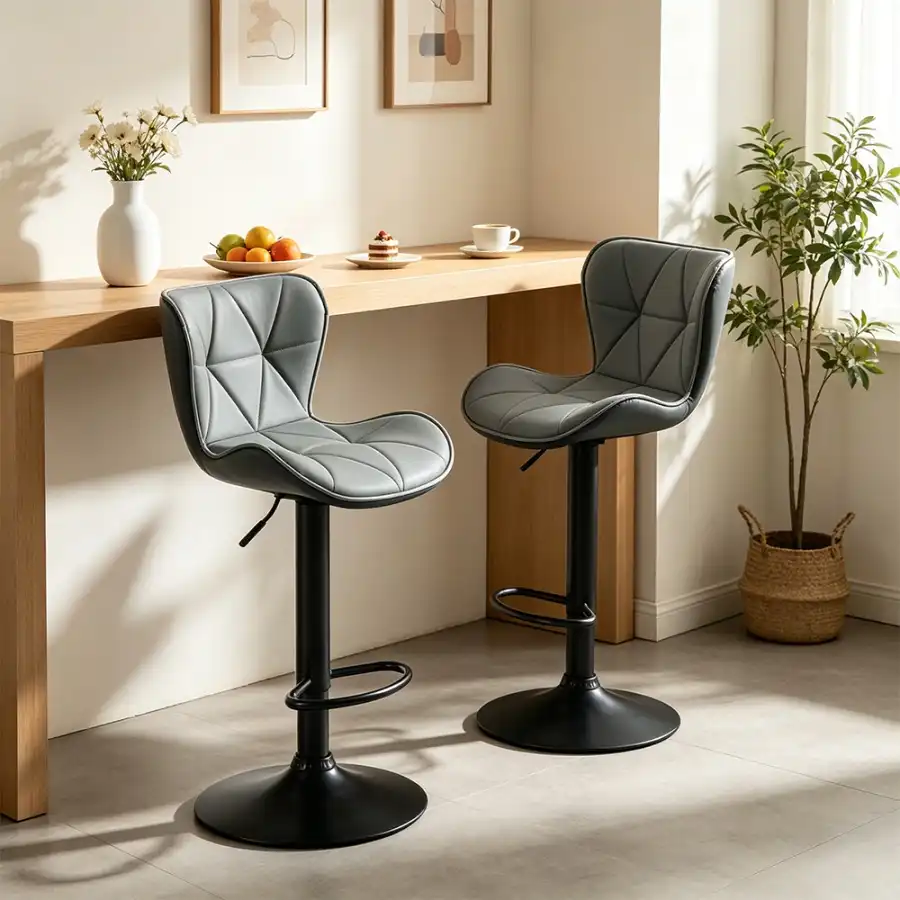
Leather furniture works great in busy industrial settings where sturdiness and low upkeep are key to running a successful business. Leather is durable enough to handle spills, wear, and multiple cleaning processes, which is great for nightclubs and drink bars that get a lot of foot traffic at night. When properly stated, the material doesn't break down when exposed to alcohol or acidic mixing spills, and it keeps its good looks for long periods of time. High-end steakhouses and fine dining restaurants use leather's connection with luxury to strengthen their premium branding. They do this by making interior stories where every element communicates quality and class.
Hotel halls and business areas that cater to international visitors need furniture that looks great even though it's constantly being used by different types of people. Different-sized people, different-textured clothes, and personal things can be put on leather surfaces without showing wear patterns that show up quickly on fabrics. The ease of sanitation handles cleanliness concerns that are very important in hotel operations, allowing for quick changes between guests while still upholding health standards. Leather sitting goes well with wood flooring, brass faucets, and other classic design elements that express stability and permanence in corporate executive dining rooms and private clubs that want to stick to traditional looks.
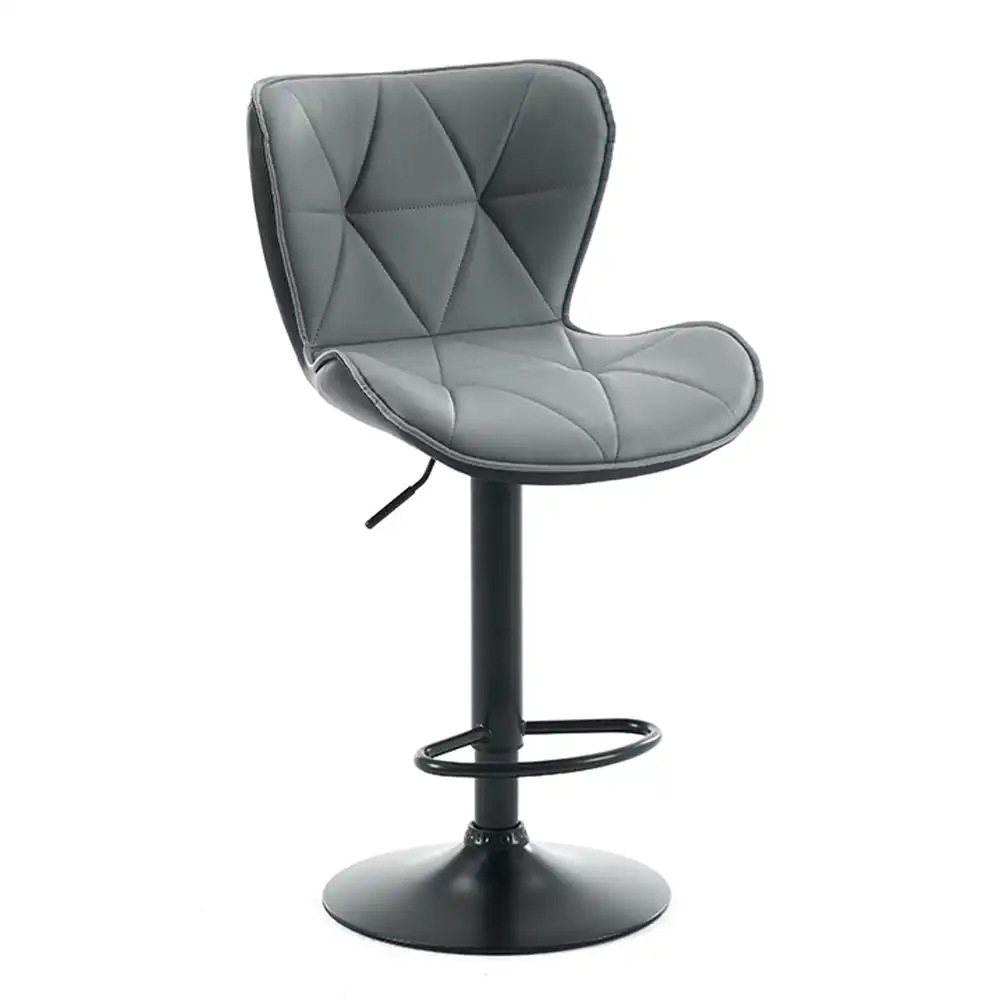
Our YB-510 type is a good example of specs that are perfect for these tough uses. The heavy-duty metal frame is structurally stable and can hold up to 300 pounds, so it can be used by a wide range of people and still meet BIFMA approval standards. Height devices that can be adjusted from 34 to 42 inches allow for design freedom in both counter and bar height uses. This makes stocking simpler for operators who run more than one idea. The 360-degree turn seat with built-in footrest makes sitting for long amounts of time more comfortable and makes getting in and out of small spaces easier, which is common in urban settings. There are many color choices, such as black, brown, and cream, which make it easy to match different internal color schemes while keeping the specifications the same. This makes restocking and upkeep easier.
Ideal Applications for Fabric Counter Stools
Fabric seating for upholstered bar stool works well in controlled settings where comfort and design freedom are more important than long-lasting sturdiness. Fabrics that breathe and have softer surface textures make workplaces like cafeterias and break rooms that don't get a lot of use more comfortable for workers during meal breaks and casual talks. Being able to choose custom fabrics that match company color schemes strengthens brand identity throughout the workplace, making visual stories that flow from the welcome area to the working space.
Boutique hotels and other design-forward hospitality concepts that want to create unique looks use fabric's pattern and material options to make furnishings that stand out in competitive markets. Statement furniture becomes the focus of places that look good on Instagram, which boosts social media interaction and natural marketing. Residential-style restaurant ideas that aim to make people feel like they're at home find that fabric seats makes the space more welcoming and warm, which makes people want to stay longer and come back again. Fabric seating is used in university student centers, library rooms, and other educational spaces to make study areas that are comfortable for long periods of time and encourage academic activities.
Budget-conscious projects that need as many seats as possible but don't have a lot of money to spend find that fabric standards allow for bigger furniture packages than leather options at the same level of investment. This fact about the economy affects new restaurant ideas, franchising growth, and value-oriented hotels and resorts where operating efficiency and traffic numbers are more important for making money than posing as a luxury brand. Fabric has lower repair costs when specs take into account its short projected lifecycles. This is helpful for seasonal settings like outdoor covered areas or temporary installs.
Emerging Trends and Future-Proofing Strategies
As customer standards and business responsibility programs change, sustainability factors become more important in purchasing choices. Concerns about animal health and the impact on the environment make people look closely at where leather comes from. This has increased the demand for open supply lines and moral production methods. New types of leather made from pineapple fiber, mushroom mycelium, and cactus are some examples of innovative options that could change the requirements for business furniture. These materials promise to be just as durable and attractive as other materials while also being more environmentally friendly. However, their current price and supply make them hard for many people to use.
Material science innovations keep making fabric technology better. Solution-dyed recovered polyester meets the performance standards of fresh fabrics while using post-consumer trash, which helps achieve the goals of the green economy. Antimicrobial solutions that use silver ions or natural substances meet cleanliness needs without using chemicals that break down over time. Nanotechnology-based stain resistance builds molecular walls that are better than standard fluorochemical solutions and don't harm the environment like PFAS chemicals do.
Through unique product creation, OEM and ODM skills allow for strategic difference. Importers and wholesalers who serve regional markets can ask for specific combos of frame finishes, seat materials, and changes to the dimensions that make goods that can't be found in standard catalogs. By giving customers unique patterns, this customizing helps private label tactics that build brand value and lower price-based competition. Our research and development (R&D) team helps make samples from drawings, studies different markets, and comes up with popular goods that fit regional tastes. This way of working together turns sellers into strategic partners who help the market succeed instead of just price-competing vendors.
Conclusion
In the end, the choice between leather and cloth seating for a leather upholstered bar stool relies on the project's functional needs, aesthetic goals, and lifetime cost factors. Leather is more durable, easier to clean, and more expensive, making it a good choice for high-traffic business areas and high-end ideas. Fabric is easy to work with, comfortable, and doesn't cost a lot of money. It's great for controlled office settings and projects that need to be customized a lot. For buying to go well, the qualities of the materials must meet the expected use patterns, upkeep needs, and brand positioning strategies. Specifications will continue to change because of new materials and green trends. Purchasing professionals will have to find a balance between traditional performance standards and changing customer expectations and environmental responsibilities in foreign furniture markets.
FAQ
How does the durability of PU leather compare to genuine leather in commercial settings?
Quality PU leather specified for commercial applications often outperforms lower-grade genuine leather in specific metrics. Our 0.8mm PU leather with hydrolysis-resistant formulations withstands intensive cleaning cycles and moisture exposure better than untreated natural leather. Genuine full-grain leather develops patina and character over time, which some venues value aesthetically, but requires more careful maintenance. The choice depends on desired aesthetic evolution and maintenance capabilities rather than assuming genuine leather automatically provides superior performance.
What foam density specifications should procurement teams require for commercial bar stools?
High-density foam ranging from 35kg/m³ to 50kg/m³ prevents premature sagging under point loads in commercial applications. Standard residential-grade foam collapses quickly under intensive use, creating comfort issues and requiring early replacement. Our sponge filling specifications ensure resilience through thousands of seating cycles, maintaining consistent comfort throughout expected product lifecycles of five to seven years in demanding hospitality environments.
Can fabric bar stools meet hygiene standards required in food service environments?
Performance fabrics with antimicrobial treatments and bleach-cleanable specifications meet health code requirements when maintained through established protocols. However, leather upholstery provides simpler compliance through surface sanitization without liquid penetration concerns. Facilities with rigorous hygiene requirements including healthcare or institutional food service typically favor leather or commercial-grade vinyl over textile options due to cleaning efficiency and documentation simplicity during health inspections.
Partner with YIBO for Your Commercial Seating Solutions
Anji Yibo Furniture Co., Ltd. has been making specialized furniture for 14 years and can help you with your business sitting tasks. We know what the performance needs of foreign markets serving the hotel, retail, and business sectors are because we are an experienced leather upholstered bar stool maker. In Anji, China, which is known as the furniture manufacturing hub, our 6,000-square-meter factory mixes high-tech tools with skilled workers to make sure that all of our container-level orders get the same high-quality work. We support OEM and ODM customization, which lets private label development happen with changes to materials, sizes, and styles that are in line with what the local market wants. Our quality control systems, which include ISO 9001:2015 approval and BIFMA compliance, make sure that the goods we sell are safe and last a long time. Contact our experienced sales team at yb@ajyibo.com to discuss your specific requirements. We provide professional quotations within 24 hours and welcome factory visits during international exhibitions including upcoming appearances at High Point Market and Cologne Furniture Fair.
References
Hayward, Charles. Furniture Upholstery and Refinishing: A Comprehensive Guide to Commercial Seating Construction. Sterling Publishing, 2018.
American Society of Interior Designers. Commercial Furniture Specifications: Material Performance Standards for Hospitality Applications. ASID Professional Publications, 2020.
Nielson, Karla J. Interior Textiles: Design and Developments for Commercial Environments. Wiley Publishing, 2019.
Business and Institutional Furniture Manufacturers Association. ANSI/BIFMA X5.1 Testing Standards for Commercial Seating Performance. BIFMA Technical Standards, 2021.
Patterson, Michael. Leather Chemistry and Manufacturing: From Natural Hides to Synthetic Alternatives. Academic Press, 2017.
Thompson, Rebecca. Sustainable Procurement Strategies for Contract Furniture: Lifecycle Analysis and Material Selection. Routledge Interior Design Series, 2022.