

 (1)_1777442575043.jpg)
Golden Bar Stool Care: 5 Tips to Prevent Scratches and Tarnish
Preserving the lustrous appearance and structural integrity of metallic-finished seating requires deliberate care strategies. Golden bar stools, characterized by their polished metal frames and luxurious aesthetic, demand maintenance protocols that address both surface protection and durability. Commercial environments subject these pieces to constant handling, moisture exposure, and cleaning agents that can compromise their finish. Understanding proper care techniques extends product lifespan, maintains visual appeal, and protects your procurement investment while ensuring consistent quality across hospitality, retail, and office installations.
Understanding the Challenges in Maintaining Metallic-Finished Seating
Because of how they are made, golden bar stools are very different from other furniture when it comes to how they should be maintained. The external factors affect their gold-toned finishes in different ways, depending on whether they were made using Physical Vapor Deposition (PVD), electroplating, or powder coating.
Commercial areas with a lot of foot traffic pose a number of risks. Throughout the day, humidity levels change, which causes condensation that makes rust form faster on metal surfaces that aren't covered. Pollutants in the air, especially in urban dining settings, leave behind residues that make finishes look dull over time. A lot of touch with customers moves oils and acids from the skin, making tiny erosion patterns that show up as wear over time.
Another big problem is cleaning products that aren't used correctly. For general surface care, abrasive cleaners often have bits in them that scratch metal finishes. Solutions containing ammonia can chemically react with some types of coatings, changing the color or breaking down the finish. A lot of building managers speed up wear and tear by using goods made for different types of materials.
Within months, the effects of not doing upkeep start to show. Scratches on the surface that don't seem important at first let water in, which causes rust below the surface. Tarnish starts in small areas and spreads to cover whole parts of the structure. What starts as an issue with how something looks turns into a structural problem that needs to be fixed right away, which causes problems with processes and costs a lot of money.
Tip 1: Implement Proper Cleaning Techniques to Protect Surface Integrity
To keep the shiny finish of golden bar stools, you need to know which cleaning methods will protect surfaces instead of damaging them. Daily upkeep is very different from deep cleaning once a month, and knowing the difference keeps damage from happening by accident.
Daily Surface Maintenance
In business settings, cleaning should be done regularly after each work time. Soft microfiber cloths mixed with pure water can be used to wipe away dust and fingerprints from surfaces. The very fine fibers pick up dirt without scratching, and clear water doesn't leave behind mineral layers that stain. If you want to keep the finish consistent, wipe along the grain of any smooth metal parts.
Places that serve food or drinks should clean up spills right away so that waste doesn't build up. One teaspoon of light, pH-neutral dish soap per quart of warm water is how much to mix. Use a soft cloth to apply it lightly and only on the affected areas. Rinse with a clean, wet cloth and dry right away with a separate microfiber towel. This three-step process gets rid of impurities without leaving behind any film or water.
Periodic Deep Cleaning
Deep cleaning every so often once a week or twice a week gets rid of buildup that daily care misses, and this routine is essential for maintaining the reflective appeal of a golden bar stool in high-touch environments. Metal-specific cleaners, like those made for brass or stainless steel, are light but efficient. Follow the manufacturer's directions for how to use these products, which usually call for a thin coat, a short time of contact, and then a thorough rubbing with clean cloths.
Avoid major finish damage by testing cleaning products on small, unseen areas before using them all over. Put a little on the bottom of the seat base or the inside of the footrest, wait 24 hours, and look for changes in color or texture. This safety measure finds formulations that don't work well together before they damage surfaces that people can see.
When buying in bulk from more than one place, making standard cleaning procedures helps keep things consistent. Recording accepted goods, how they should be used, and how often they should be done makes people accountable and makes training staff easier. Some manufacturers, like well-known ones like Anji Yibo Furniture, give maintenance instructions that are special to the way they finish their products. This makes sure that the right care is given for their unique building methods.
Tip 2: Prevent Physical Damage Through Strategic Use Planning
The main thing that breaks golden bar stools is hitting them with something solid. Strong building makes things last, but careful placement and safety measures make them look brand new for a much longer time.
Placement Considerations
Space planning lowers the number of collisions that happen. Keep at least 18 inches of space between the backs of stools and walls or partitions so that customers can move around without touching them. Place bar stools so that there is 24 to 30 inches of room between each seat. This way, stools next to each other won't hit each other while they're being used. Having enough space between things also makes them easier to get to and improves the customer experience.
Pathways with a lot of traffic need extra care. Do not put stools in places where workers or staff often walk by with full trays. Contact can happen even with careful steering, and repeated small strikes cause wear that can be seen. Setting up clear walkways away from sitting areas will protect your investment and make things run more smoothly.
Protective Enhancements
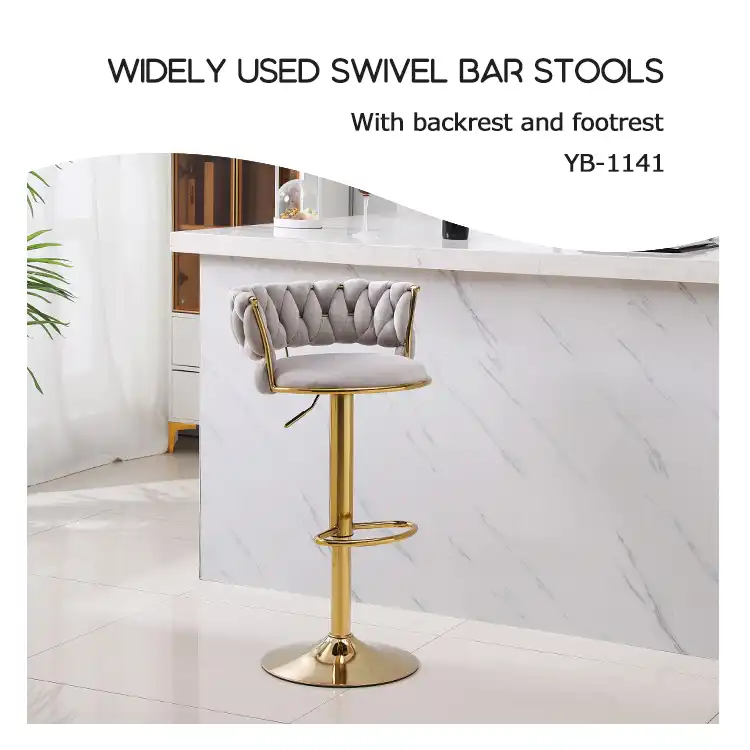
The 220g velvet upholstery on high-end types like YIBO's YB-1141 does more than just look good; it also protects. This denser cloth padding takes the force that would have gone to the frame parts otherwise. The normal sponge padding under the velvet adds extra noise absorption, which protects both the stool and the person sitting on it.
Floor safety should be given the same amount of thought. Quality golden bar stools have a 385mm plating round chassis that evenly spreads weight. Adding felt pads to the base contact points keeps the floor from getting scratched and reduces vibration. These cheap additions protect expensive floor installations, which is especially important in high-end settings with marble or hardwood floors.
Staff training is the last part of the safety plan. Teach your staff to use the structure parts of stools instead of the moving seats to move around. Show the correct way to stack models that are meant to be stored, making sure to stress that error during stacking creates pressure points that damage finishes. Damage patterns that form from repeated bad handling can be stopped with short training lessons.
Tip 3: Master Effective Storage and Transit Handling
Exposure to the environment when golden bar stools are not being used often does more damage than when they are being used. Using the right shipping and storage methods will keep things in good shape from the time they are manufactured until they are installed and during yearly breaks.
Storage Environment Control
Climate-controlled keeping stops the buildup of moisture that causes tarnish to form. Relative humidity should stay between 40 and 50 percent to avoid mist and too much dryness, both of which can damage furniture. Stable temperature is just as important—changes in temperature cause metal to expand and shrink, which can weaken the bonding of finishes over time.
Protective coverings keep dust from settling and unexpected hits from happening while things are being stored. Covers made of breathable cloth let air flow while blocking particles. Plastic covers that trap moisture and cause mist should not be used. When stacking is necessary, put protection padding between units and limit the height of the stack to keep lower pieces from getting damaged by compression.
Transit Protection Standards
Transit is a very dangerous time for buying managers who order large amounts (container-level). Good makers use special packaging that takes into account the risks that come with shipping goods across foreign borders. YIBO's packing method, which includes two pieces in a box that is 80×47×52.5cm, is based on space-efficient design that keeps things from moving around inside the containers while they're being shipped across the ocean.
After delivery, set up routine checking procedures to follow before taking shipments. Check at least 10% of the units from different box places inside the container. Check for flaws in the finish, frame alignment, and the state of the fabric. Keep track of any problems with photos and let sellers know within the time limits agreed upon in the contract to protect the guarantee.
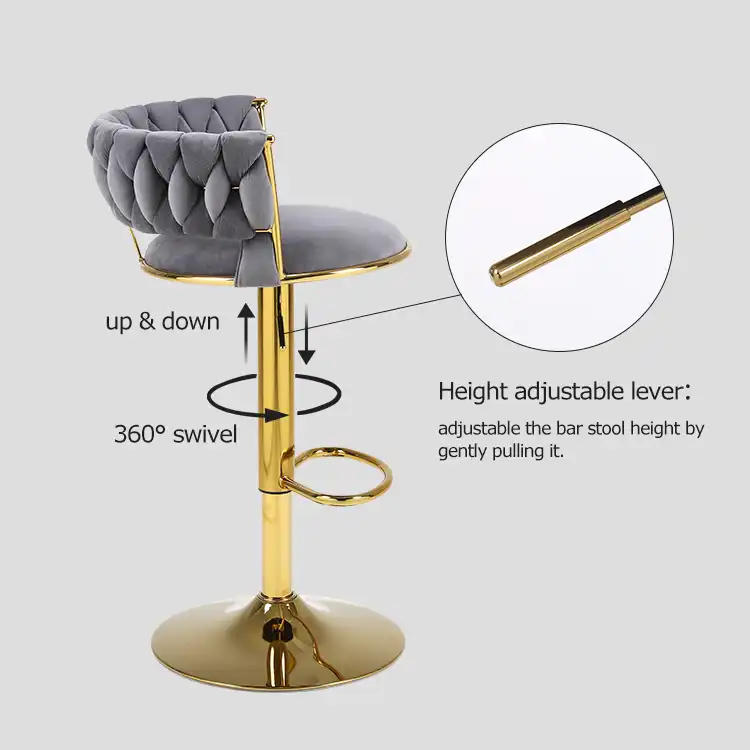
Adjustable types have a 330# secondary air rod system that needs special transport security. These hydraulic parts have seals that can't handle changes in temperature and pressure while they're being shipped. Reliable sellers package these models with extra padding around the mechanical parts to protect them from shipping damage that causes them to break down early.
Tip 4: Establish Regular Inspection and Maintenance Protocols
Monitoring that is done proactively finds new problems before they get too big to handle. Structured inspection processes change upkeep for golden bar stools from managing problems as they happen to planning operations ahead of time.
Visual Inspection Schedules
Visual checks should be done once a week in high-contact places where wear builds up, and for a golden bar stool, this means paying special attention to areas prone to friction from shoes and clothing. Check the sides of seats where people slide on and off to see if the finish is wearing away or the fabric is getting worn. Check the surfaces of the footrests. On industrial models, the semi-circular footrest and iron handle design is constantly in touch with shoes, which wears down protection coatings over time.
Pay close attention to the frame parts. Welds and joining points are places where stress builds up and can cause problems with the structure. If you see cracks in the paint near the joints, that usually means there is a problem that needs to be fixed. Checking the tightness of movable parts stops them from moving, which speeds up wear in many systems.
Testing the technical functions should be part of detailed checks that happen once a month. Move the height-adjustment parts all the way to the bottom and listen for strange sounds that could mean they need to be oiled or that the insides are wearing down. Spin swivel systems make sure that the parts can turn freely without getting stuck. To test the weight capacity, slowly apply pressure and watch for bending or movement that could mean the structure is breaking down.
Maintenance Documentation
By keeping review logs, you can turn individual views into data that shows trends. Write down specific results along with times and places visited to help find patterns. When several units in the same area show the same amount of wear, it's time to make changes to the surroundings or the way they're used instead of fixing each one individually.
Digital paperwork is especially useful for businesses that have more than one address. Take pictures of noticeable wear patterns and share them across sites so that other places can look for similar problems that are starting to show up. This way of working together keeps problems from getting so bad that they affect all of your furniture.
Supplier Partnership Value
Building ties with manufacturers who offer help after the sale is a big plus that goes beyond the initial purchase. Anji Yibo Furniture and other suppliers with 14 years of specialized experience know how their products tend to break down and can give specific upkeep advice.
As a result of these kinds of partnerships, warranties that cover problems with the way the product was made are common. Understanding the terms of the contract helps you correctly group problems. For example, figuring out whether a finish failure is due to material flaws or poor care changes how the problem is fixed and who pays for it.
Tip 5: Prioritize Quality Materials and Design Features During Procurement
The best way to keep golden bar stools in good shape starts before you buy it, by choosing materials and designs that are naturally resistant to damage. Buying decisions made during the original sourcing phase decide how often a product needs to be maintained over its lifetime.
Material Composition Matters
Corrosion protection and finish lifetime are greatly affected by metal base construction, and for a golden bar stool, this is a critical consideration because the gold tone must remain vibrant without tarnishing or flaking. Stainless steel grades 201 and 304 are more resistant to rust than regular carbon steel, especially in seaside or high-humidity areas. PVD titanium plating has a hardness value of about 2000 HV, which is much harder than regular spray paint finishes that are easy to scratch when used normally.
The quality plate chassis's 1.1mm thickness gives it structural strength and stops it from bending. While thinner gauge materials may lower the cost of production, they create flex patterns that put stress on finish coats, which can cause them to crack and wear out faster than expected. When talking to sellers about buying, asking about specific material grades and thicknesses helps you find goods that are made to last in the business world.
Ergonomic Design Reduces Maintenance
Because it supports proper use, well-designed seating naturally gets less damage over time. Adjustable heights between 30-38 inches allow for a variety of counter and bar setups. This means that fixed-height models don't have to be stacked incorrectly or fixed up in a way that doesn't work properly. Commercial-grade units can hold up to 300-pound weight capacity, which keeps the structure from getting too stressed and causing upkeep problems.
Specifications for cushions have a direct effect on both comfort and longevity. When you mix 220g velvet with regular sponge padding, you get sturdiness that keeps its shape memory over thousands of uses. Lower quality foam forever contracts, making areas that aren't level, which increases stress and speeds up frame wear. When you buy upholstery, make sure you get commercial-grade materials by asking for exact specs.
Supplier Reputation and Infrastructure for Help
When judging a maker, you have to look at more than just the product specs. Size of the facility shows how much it can hold. For example, YIBO's factory room is over 6,000+ square meter, which shows that it can handle large orders at the container level. The quality of the equipment affects how consistent the finish is. Facilities with cutting-edge technology and trained workers can make finishes that are more regular and last longer.
OEM and ODM skills show that you can make changes to meet your needs. Buyers who need specific sizes, different fabric colors, or different base finishes should work with makers whose R&D teams can accommodate these needs. This adaptability keeps things from getting worse when normal goods are forced into situations where they need to be changed.
Long-term support equipment is just as important. International trade shows like the Canton Fair and the Guangzhou Furniture Fair show that suppliers are interested in the market and confident in their products. Those who want to expand into international markets, like those planning future events in Germany and the US, have growth patterns that show they can keep doing business together.
Conclusion
To take care of golden bar stool pieces with a chrome finish, you need to know the specific problems these pieces can have in business settings. Five strategies—the right way to clean, avoiding physical damage, following storage and handling rules, doing regular inspections, and buying things with quality in mind—combine to make a complete plan that keeps both looks and function.
When procurement professionals use these methods, they protect their investments and make sure that the quality of all of their processes is the same. The link between original sourcing choices and ongoing repair needs shows how important it is to work with experienced makers who build durability into their goods. When specifications, care, and supplier knowledge all come together, metallic bar stools have a long service life that makes them worth using in unique business areas.
FAQ
How Often Should Commercial Bar Stools Receive Professional Cleaning?
High-traffic dining places should have professional deep cleaning done every three months in addition to the daily maintenance done by staff. In places with less traffic, this can be done every six months instead. Professional services use special tools and chemicals to get rid of built-up leftovers without harming finishes. This restores the surface's state between cleanings.
What Products Should Be Avoided on Gold-Finished Furniture?
Do not use steel wool, abrasive powders, or cleaning tools that scratch surfaces. Glass cleaners with ammonia, bleach, and acidic cleaners like lemon juice or vinegar should not be used on golden bar stool finishes because they can damage the finish chemically. Always test the product's fit in a small, hidden spot before applying it all over.
Can Scratched Finishes Be Restored Without Complete Refinishing?
Metal polish products that are applied with soft cloths in circle motions can often get rid of small scratches on the surface. Professional repair is usually needed for damage that goes deeper and through multiple layers of paint. Manufacturers may offer restoration services or be able to suggest skilled refinishers who are familiar with their unique finishing methods. This way, the guarantee coverage is still valid, even if you try to fix it yourself.
Partner With YIBO for Premium Golden Bar Stool Solutions
Anji Yibo Furniture Co., Ltd. has been making specialized furniture for 14 years and is ready to help you with your business sitting needs. Our 6,000-square-meter facility, which is based in Anji, Zhejiang, China's furniture making hub, is where we make our golden bar stools. We mix traditional craftsmanship with modern production methods to make them.
Our YB-1141 model is a great example of the quality-focused method we've been talking about in this guide, and it serves as our flagship golden bar stool offering for high-end hospitality and residential projects. It has 220g velvet padding, strong 330# secondary air rods, and a precision-engineered 385mm×1.1mm plating frame that is made to last in a business setting. You can choose the materials, sizes, and finishes that fit your market placement because we offer full OEM and ODM design.
In addition to high-quality products, we also offer the relationship infrastructure that B2B buying needs, such as responsive 24-hour contact, space-saving container packing, and full warranty support. Our experienced team gives you the stability and dependability that long-term business relationships need, whether you're furnishing a small hotel or managing supplies for several stores.
You can email us at yb@ajyibo.com to talk about your unique needs, get full specifications, or set up a visit to our facility. Read on to learn how working with a well-known golden bar stool maker can turn purchasing from something you have to do to something that can help your business.
References
Johnson, M. & Williams, R. (2021). Commercial Furniture Maintenance: Best Practices for Hospitality Environments. International Hospitality Institute Press.
Chen, L. (2020). "Surface Treatment Technologies in Modern Furniture Manufacturing." Journal of Applied Materials Science, 45(3), 287-301.
Anderson, P. (2022). Procurement Strategies for Durable Commercial Furnishings. B2B Publishing Group.
Thompson, K. (2019). "Corrosion Prevention in Metallic Furniture: A Comparative Analysis." Furniture Design & Technology Quarterly, 12(2), 156-170.
Rodriguez, S. & Lee, H. (2023). The Complete Guide to Hospitality Furniture Specifications. Commercial Design Institute.
Mitchell, D. (2021). "Life Cycle Cost Analysis of Commercial Seating Investments." Facilities Management Review, 38(4), 412-428.