

 (1)_1777442575043.jpg)
Why Elegant Bar Stools are the Secret Ingredient to a Luxury Home Bar?
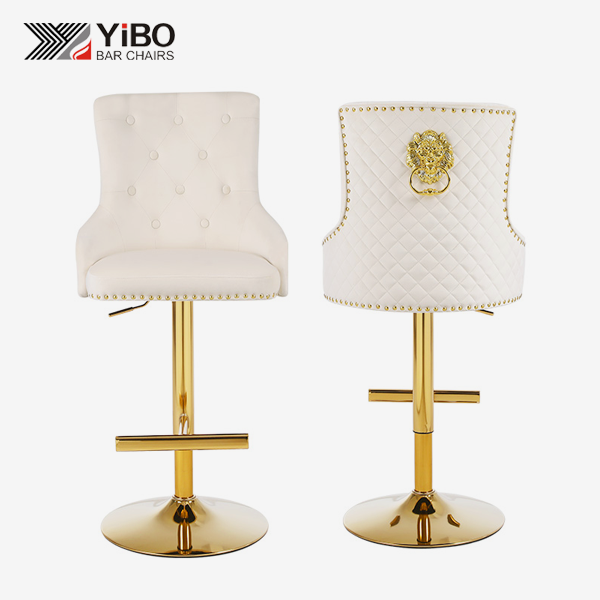
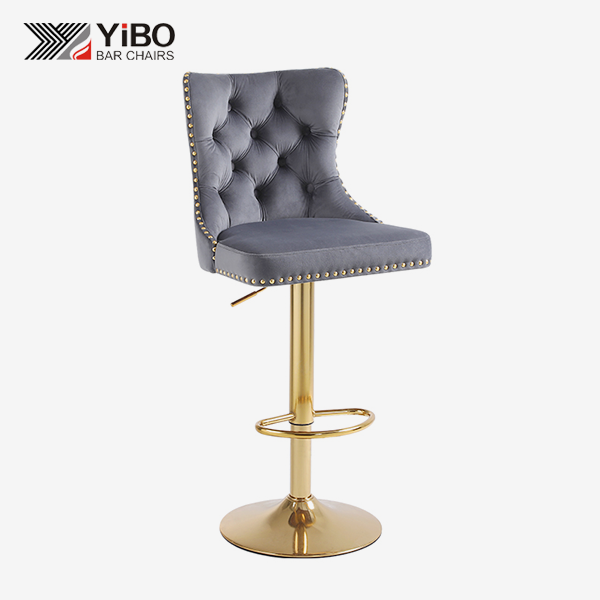
One important but often ignored part that can turn a regular home bar into a high-end haven is the seating, and elegant bar stools serve as the centerpiece of this transformation, blending refined aesthetics with ergonomic comfort for extended social gatherings. An upscale place to drink and have fun starts with high-quality bar stools made with fine materials, careful attention to ergonomics, and a sophisticated sense of style. These pieces of furniture are more than just useful; they set the mood, show off your style, and make sure your guests are comfortable during long social events. When buying professionals and interior designers put a high priority on quality seating solutions, they buy pieces that are both aesthetically pleasing and long-lasting. This creates spaces where every detail exudes luxury.
Understanding Elegant Bar Stools: Definition and Core Benefits
What Distinguishes Premium Bar Seating from Standard Options?
When expertise, high-quality materials, and smart design come together, you get superior bar seats. Unlike mass-market options that are put together with simple joints and light frames, these pieces are made from kiln-dried hardwoods that have a moisture content managed between 8 and 12%. This keeps them from breaking over decades of use. Metal parts are made with heavy-gauge steel that is at least 1.5 mm thick and are often finished with a PVD covering that keeps them from rusting in damp bars. Commercial-grade fabrics with a rating of more than 40,000 Martindale cycles are used for the seating. This makes sure that the fabric won't wear down quickly in high-traffic areas.
Core Advantages for Commercial and Residential Applications
The value proposition covers a lot of different areas that are important for B2B buying plans. Mortise-and-tenon joinery is strong because it is strengthened with corner blocks. This is very different from lower-quality goods, which are put together with staple guns. For cushioning, high-resilience foam with a density value of at least 35 kg/m³ is used. This kind of foam keeps its form and comfort over years of daily use. These specs are important for places like restaurants and bars where the seats are constantly under pressure, as well as for private projects where long-term value supports higher costs. The visual effect is also very important—sleek profiles go well with open-plan designs and don't add too much visual clutter, which solves the problem of how to fit counter seats into interior design plans that flow well.
Material Excellence and Customization Capabilities
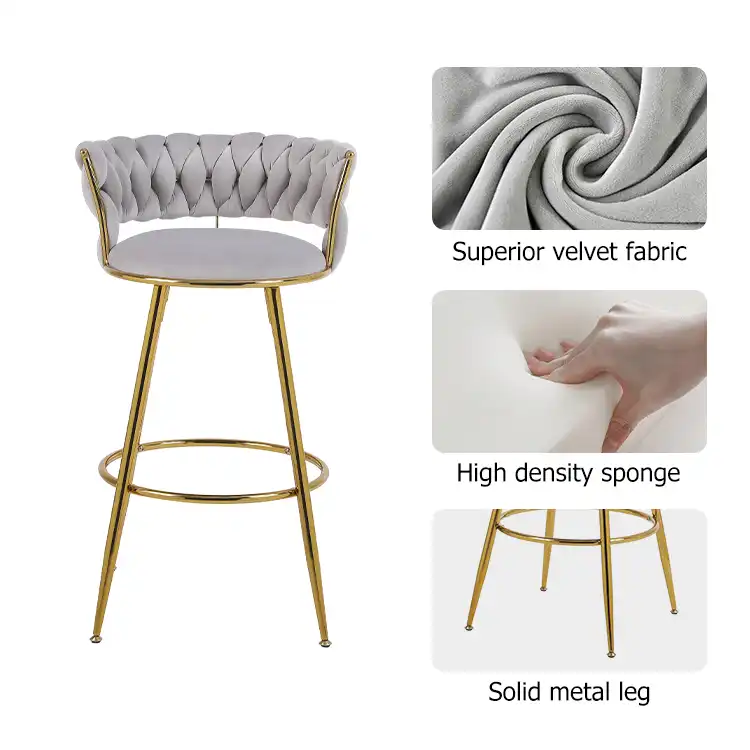
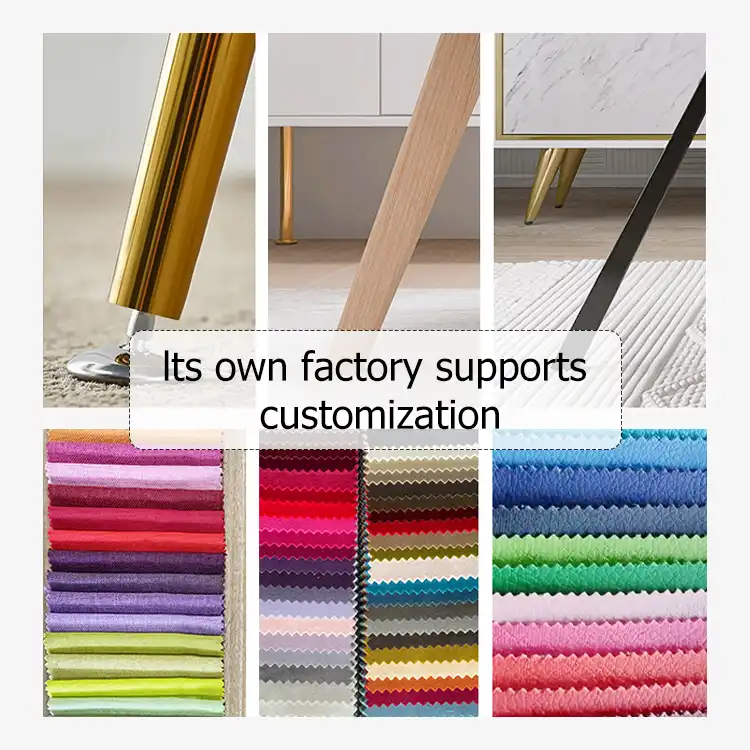
The group is defined by high-end products. Top-grain aniline leather gets more interesting as it ages while still being structurally sound. Electroplated finishing on metal frames keep them from rusting. Velvet fabric choices come with hydrophobic treatments and stain-repellent technology that meets Crypton standards. This is important for places that serve food and drinks. Customization options meet the needs of a wide range of markets. For example, changing colors, sizes, and finishes can help purchasing teams match products to specific brand identities or regional aesthetic preferences. This supports OEM and ODM strategies that are necessary for international distribution.
How to Choose the Perfect Elegant Bar Stools for a Luxury Home Bar?
Ergonomic Standards and Spatial Considerations
Choosing the right seats takes careful planning of dimensions. By industry standards, there should be 25 to 30 cm of space between the top of the seat and the bottom of the bar. This allows for plenty of legroom. Bar-height models are 75–80 cm tall, while counter-height models are 65–70 cm tall. The average seat width is 38 to 40 cm, which is a good balance between ease and space-saving. Traffic flow must be taken into account by procurement professionals; leaving 60 cm between stool centers keeps people from being squished and increases capacity. Specifications for weight ability are very important. High-end models support at least 136 kg, which means they can fit a wide range of body types and meet safety standards.
Before making a final choice, buyers should think about how they want to use the product, and for elegant bar stools, this means balancing aesthetic appeal with practical factors like seat height, back support, and footrest placement. In hospitality settings, backless designs encourage people to move around, while in private settings, backed designs encourage people to talk for longer periods of time. Swivel mechanisms make things easier to get to, but they need strong ball-bearing systems that can handle 100,000 turn rounds or more. The placement of the footrest affects your balance. Putting circle rings 18 to 20 cm below the seat makes it easier on your legs after long periods of sitting.
Material Selection and Design Cohesion
Long-term visual value is protected by matching the choice of materials to the general design themes. Hardwoods like walnut and oak look great in traditional high-end settings, while brushed stainless steel goes well with modern simplicity. The choice of upholstery strikes a mix between how it looks and how easy it is to clean. In low-traffic home areas, leather develops a patina. Synthetic performance fabrics, on the other hand, work better in business settings that need to be cleaned often. Sustainability factors are becoming more important in buying decisions. Materials and labels that are eco-friendly appeal to markets that care about the environment without lowering quality standards.
Supplier Evaluation and Risk Mitigation
Project success depends on having reliable production companies. Procurement teams should check the production capacity. Facilities that are bigger than 6,000 square meters and have their own tools show that they can handle orders at the container level. Export knowledge is very important; sellers who know about ANSI/BIFMA X5.1 safety standards and how to ship goods internationally lower the risk of not following the rules. The terms of the warranty show how confident the maker is in the product; full covering for structural parts and finish integrity protects the investment. Quick and easy ways to communicate and answers to questions 24 hours a day make projects run more smoothly. This is especially important when organizing large custom orders that come from different time zones.
Top 5 Types of Elegant Bar Stools to Elevate Your Luxury Home Bar
Classic Wooden Stools with Backs
Designs made of lumber that have curved backrests and turned legs will always look good. With their solid weight and warm natural materials, these pieces hold up standard high-end bars. Solid construction means it will last for generations, and paint and finish choices let you match it to your other cabinets. Procurement benefits include easy upkeep and a wide draw to a wide range of demographics.
Modern Metal Frame Stools with Cushioned Seats
Designs that combine sleek metal frames with cushioned seats combine modern style with ergonomic comfort. The YB-1141-1 type, which is made of high-quality stainless steel and stands 35 inches tall and can hold 300 pounds, is stable thanks to its weighted feet and careful engineering. With ordinary sponge padding and plush fabric, soft cushioning makes for comfortable long-term use. Quality control is ensured by hand-assembling, and quick place setup is made possible by easy installation. Built-in circle footrests make them more useful, and the fact that you can change the colors makes it easier to match your brand.
Swivel Bar Stools for Enhanced Mobility
Rotating systems make things easier to get to and encourage social contact, which is especially important in residential settings, and for elegant bar stools, a smooth swivel function adds a layer of sophistication that guests appreciate during cocktail hours. Premium swivel parts have auto-return features that keep the look regular when not in use, which is important for keeping things looking neat in high-end dining settings. These designs need to be built to last. Class-4 gas lifts in flexible forms will work reliably for 5 to 7 years of daily use.
Minimalist Backless Designs for Space Efficiency
Streamlined shapes make it possible to fit more seats in smaller spaces. Backless models help traffic flow and reduce visual weight, which is useful in small bar layouts where space is limited. Even though the design is simpler, the structure of the premium models is still strong thanks to their reinforced bottoms and high-quality materials. These choices work with purchasing plans that put an emphasis on business places' density and turnover.
Customizable Designer Options for Exclusive Projects
Customized seating meets the needs of particular design and branding requirements. High-end home projects and high-end dining ideas are set apart by custom sizes, finishes, and upholstery designs. For these solutions to work, producers need to have dedicated research and development (R&D) departments with teams of 10 or more people who can support full-process customization from idea to production. The investment sets the company apart from competitors and raises the value that people think it is worth, which supports charging more in target markets.
In these areas, choices about what to buy should be in line with operational needs and how the company wants to place itself in the market. When buying something for a business, reliability and ease of upkeep are important, but when buying something for a home, comfort and good looks are more important. Understanding these differences helps you get the most out of all job types.
Maintaining Elegance: Cleaning, Durability, and Care Best Practices
Material-Specific Maintenance Protocols
To keep the structure's appearance and functionality, specific care methods are needed. Dusting hardwood floors once a week with microfiber cloths and using furniture shine with natural oils every three months are both good ideas. To keep metal frames shining, clean them gently with pH-neutral solutions instead of rough chemicals that damage protection coats. Velvet furniture needs special care. Regular cleaning with upholstery accessories gets rid of dust and dirt before it gets into the fibers, and spills should be cleaned up right away with manufacturer-approved stain treatments.
Extending Lifespan in Diverse Environments
How to take care of leather depends on what kind of finish it has. Aniline leathers need to be condition every six months with items made just for natural finishes to keep them from drying out and cracking. Protected leathers can handle more rough cleaning, but they still need gentle care on a regular basis. Performance fabrics treated with Crypton or similar technologies don't stain naturally, but they do need to be professionally cleaned every so often to keep up with standards of look in high-traffic business settings.
Situations in operations have a big effect on repair needs. Places that host events should clean up a few spots every day and do a deep clean every three months, coordinating with professional cleaning services. For residential installs, longer intervals are okay, but preventative care is still a good idea—felt glides protect the floor and keep metal from rusting from being exposed to wetness. Schedules for structural inspections should include fixing bolts every three months and checking weight-bearing parts once a year. This is especially important for swivel systems and adjustable-height assemblies.
Longevity is affected by environmental factors, and for elegant bar stools, this means positioning them away from harsh sunlight and maintaining stable indoor humidity to preserve both upholstery and metallic finishes. Putting seats away from direct sunlight keeps fabrics from fading and leather from drying out. Controlling the humidity between 40 and 60% keeps oak from swelling or shrinking. When planning the site and managing the building over time, these things are taken into account. This way, practical best practices protect the investments made in buying.
Warranty Coverage and After-Sales Support
Knowing what the maker promises protects the value of your purchase. Full guarantees that cover structural flaws, finish wear, and component failure show that the seller trusts you and make it easier to solve problems. For commercial-grade goods, terms usually last between three and five years, but there are different rules for each type of material. Before completing orders, procurement workers should make sure that they understand the full scope of coverage, including the cost of labor for repairs, the availability of replacement parts, and reaction times. When service needs arise, manufacturers who offer specialized after-sales support, such as expert help and answering questions 24 hours a day, seven days a week, keep operations running smoothly.
Where and How to Buy Elegant Bar Stools: Sourcing Guide for B2B Clients?
Evaluating Market Options and Supplier Capabilities
B2B buying teams have to deal with complicated source environments. Retail outlets offer instant access, but they don't offer bulk discounts or the customization options that are needed for big projects. Even though wholesale platforms offer better unit economics, they often skimp on quality assurance and help after the sale. Direct connections with manufacturers offer the best value because they offer reasonable prices, the ability to customize, open quality control, and reliable supply chain management.
Specialized manufacturers based in well-known furniture-making places have clear benefits. Anji, Zhejiang is the best place in China to make chairs. Companies like Anji Yibo Furniture Co., Ltd. have been focusing on this industry for 14 years, which has helped them improve their production methods and build strong networks for getting materials. Their more than 6,000-square-meter facilities, which are full of high-tech machinery, allow them to complete orders at the container level. Their experienced research and development (R&D) teams help make products fit the needs of regional markets in more than 70 export destinations.
Critical Procurement Considerations
Lead times have a big effect on how projects are planned. Standard product orders usually take 30 to 45 days to make and check for quality, but based on the specifics, special orders can take up to 90 days. When setting delivery dates, procurement workers should take into account the time it takes to clear customs and the length of time it takes for ocean freight to get to North American ports (about 25 to 35 days). Reliable makers keep in touch with customers throughout the production process and give them information that make it easier to work with larger project schedules.
Total cost efficiency is based on how well logistics work. Suppliers that offer combined shipping and skilled freight partnerships lower the costs and risks of damage during transport. Space-saving packing designs make the best use of containers, which has a direct effect on how much it costs to ship each unit of a large order. These practical details, which are often missed when evaluating suppliers for the first time, have a big effect on the total cost of the project and its ability to make money.
Compliance and Quality Assurance
Imports of furniture are controlled by international safety standards and rules on ecology. When goods come into the U.S. market, they have to pass the ANSI/BIFMA X5.1 structure testing standards and the California CAL 117 fire-retardant standards for padded parts. Maintaining licenses and testing records helps with customs clearance and lowers the risk of not following the rules. Static load testing (with a capacity of at least 136 kg), stability analysis on inclined planes, and cross-hatch testing for finish adhesion should all be part of quality control procedures to make sure that goods meet the high standards of the luxury market.
Protecting procurement assets means forming relationships with manufacturers that show they know how to sell, communicate well, and are committed to working together for a long time. Regular attendance at industry shows like the Canton Fair, the Guangzhou Furniture Fair, and future foreign events in Germany and the USA shows that a company is interested in the market and coming up with new products. This helps customers find reliable suppliers who are ready to work with them for a long time.
Conclusion
When it comes to luxury settings, high-quality materials, ergonomic design, and a refined sense of style come together in premium bar seats. When you make buying decisions that go beyond simple comparisons—looking at things like structure specs, manufacturing capabilities, and the dependability of the supplier—you end up with investments that last for a long time and look good for a long time. Choosing the right elegant bar stools from experienced makers is important for creating places that impress guests and work well for business. This is true whether you're decorating a high-end hotel or a private residence. In competitive luxury markets, the key to successful buying is finding the right mix between design sophistication, useful usefulness, and cost-effectiveness.
FAQ
What seat height works best for luxury home bars?
The best height for sitting relies on the size of the counter. Standard counters are 90 to 95 cm high, and counter-height stools are 65 to 70 cm high. Bar-height tables that are 100 to 110 cm high need stools that are 75 to 80 cm high. Leaving 25 to 30 cm of space between seats provides comfortable legroom and good posture, which is especially important for long periods of sitting, which are popular in high-end entertainment venues.
Should luxury bar stools include backrests?
The choice strikes a mix between personal tastes in style and the need for functionality. Backless designs offer back support that is perfect for home settings where people want to sit and talk for a long time. Backless models work well in business settings that value visual clarity and customer change. Many buying plans use both types, putting stools with backs at talking points and ones without backs along the middle stretches to make the best use of room and offer a wide range of user experiences.
What are typical lead times for custom bulk orders?
Standard production takes 30 to 45 days, which includes making the product, checking its quality, and getting it ready to ship. Depending on how complicated they are, custom specs like unique sizes, finishes, or padding can make the process take an extra 60 to 90 days. Shipping goods by water from outside of North America takes an extra 25 to 35 days. Manufacturers with a lot of experience give thorough production schedules and regular updates. This makes it easier to coordinate with larger project schedules and makes sure that time-sensitive works can be delivered on time.
Partner with YIBO for Premium Elegant Bar Stools Manufacturer Solutions
With 14 years of experience, Anji Yibo Furniture Co., Ltd. has been making high-quality bar chairs for demanding B2B customers around the world. Our handcrafted, stylish elegant bar stools have soft padding, high-quality velvet fabric, and features that make them easy to install. They can also be customized to meet OEM and ODM needs. With a production area of more than 6,000 square meters and shipping experience in more than 70 countries, we can fulfill container-level orders on time and with the best quality control in the business. Our skilled R&D team answers technical questions within 24 hours and can handle large orders with cheap prices and full warranty coverage. Get in touch with yb@ajyibo.com right away to get samples, talk about special orders, or find out how our elegant bar stools for sale can improve your next high-end project while also making your supply chain more efficient.
References
Interior Design Standards and Guidelines, Fourth Edition – Professional handbook detailing ergonomic specifications and spatial planning standards for residential and commercial bar seating applications.
ANSI/BIFMA X5.1 Standard for Office Furniture Testing – American National Standards Institute guidelines establishing safety and durability requirements for commercial seating products.
The Luxury Home Bar Design Manual – Comprehensive resource exploring material selection, spatial configuration, and aesthetic principles in high-end residential bar installations.
Commercial Furniture Procurement Best Practices for Hospitality Industries – Industry whitepaper analyzing supplier evaluation criteria, quality assurance protocols, and supply chain management strategies for large-scale hospitality projects.
Textile Performance Standards for Contract Interiors – Technical reference detailing Martindale abrasion ratings, stain resistance technologies, and maintenance requirements for commercial-grade upholstery fabrics.
Global Furniture Export Market Analysis 2023 – Trade research publication examining international sourcing trends, regulatory compliance requirements, and emerging supplier relationships in the B2B furniture sector.