

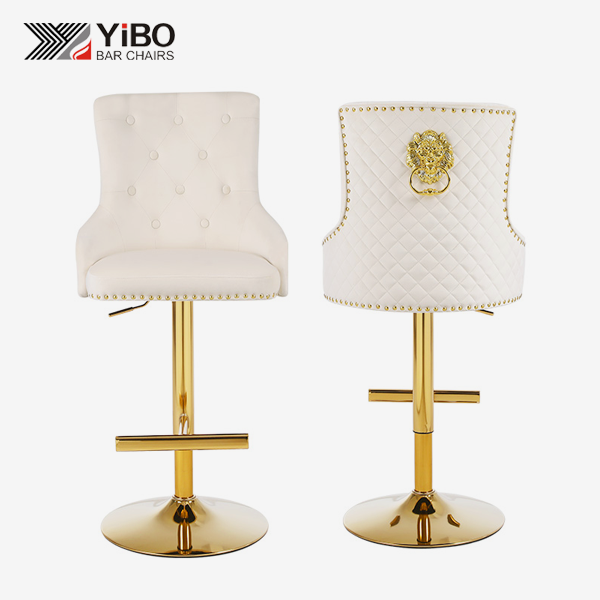
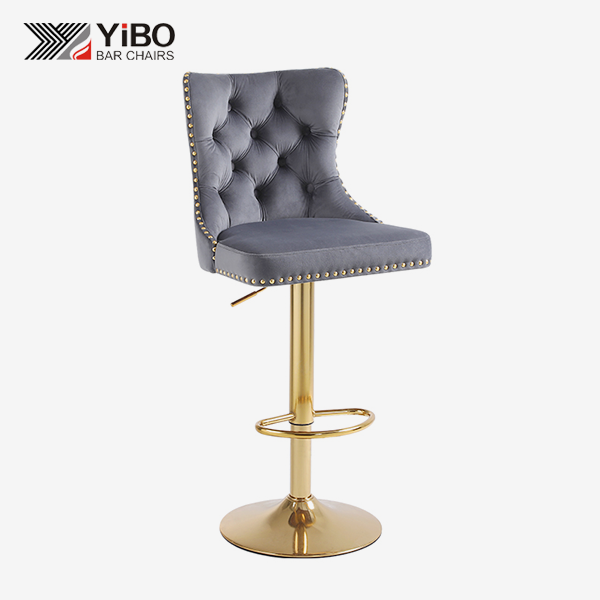
 (1)_1777442575043.jpg)
How Do Coffee Bar Stools Create Comfortable Cafe Seating Areas?
Coffee bar stools create comfortable cafe seating areas by strategically balancing ergonomic support, spatial efficiency, and aesthetic appeal tailored to the unique behaviors of coffee drinkers. Unlike traditional bar seating designed for alcohol venues, these specialized stools accommodate the forward-leaning posture typical of laptop users and espresso enthusiasts while optimizing floor space in high-traffic urban cafes. The right stool selection directly influences customer dwell time, repeat visits, and overall brand perception by addressing critical comfort factors including proper seat-to-counter height ratios, material resilience against acidic spills, and visual coherence with interior branding.
Understanding the Role of Coffee Bar Stools in Cafe Comfort
Identifying Core Seating Challenges in Commercial Cafes
It's always hard for cafe owners to make seating areas that are both comfortable and profitable while also making customers happy. In high-end urban areas with limited space, furniture needs to be designed to fit as many people as possible without losing comfort. A lot of shops have trouble with guests who aren't happy with their seats leaving early because they're too uncomfortable. There is a lot of variation because of basic design mistakes in stool choice.
There are several ways that bad stool design can show up and hurt business success. When the seat height is wrong, customers have to perch or lower their feet without the right support, which is not comfortable. Materials that aren't right for business use wear differently, giving items an untidy look that hurts the brand's image of quality. Designs without backs that are meant to get people to leave quickly may turn off people who want to work for 30 minutes, and designs with too many cushions may not be able to handle the cleaning rules needed in food service settings.
Ergonomic Principles That Enhance User Experience
The science behind how to make cafe chairs comfortable is based on how the body's dimensions match up with those of furniture. The standard in the industry is for 10 to 12 inches of space between the seat area and the edge of the table. This lets you drink and type with your elbows naturally positioned without putting stress on your shoulders. This height makes cafe chairs different from their bar-height cousins, which are meant for standing and talking. It takes into account the forward lean that comes with drinking coffee and working on a laptop.
The setting of the footrest is also very important for long-term comfort. Quality stools put the footrests about 7 to 9 inches below the seat. This lets your weight be spread out, which keeps your legs from getting tired after long stays. Customers can easily enter and leave, and the floor stays neat when the chairs aren't being used thanks to swivel devices with memory return features. A seat level of 14 to 16 inches gives your thighs enough support without getting in the way of your blood flow, which is important for people with different body types in foreign markets.
Real-World Impact on Customer Engagement
Leading specialty coffee shops have shown that strategic stool upgrades have led to measurable improvements in customer satisfaction metrics. One chain in Seattle saw a 23% rise in average customer dwell time after replacing metal stools without backs with ones with lumbar support and ergonomic shapes. Since people stayed longer, they spent more money on extra drinks and food each time they visited.
European cafe owners have had success with models that can be adjusted in height to fit different counter configurations and customer tastes. This adaptability is especially useful in places that serve both breakfast and lunch, with lower dining counters for people who want to eat and higher brew bars for people who want to work on their laptops. Being able to change how seats are arranged helps businesses run more efficiently during busy times while still providing enough comfort to keep customers coming back.

Comprehensive Guide to Coffee Bar Stools: Materials, Types, and Design Trends
Material Selection for Durability and Maintenance
The choice of material has a big impact on both how long cafe seating investments last and how much they cost to run. Each choice has its own benefits that make it better for different business settings and style preferences.
When properly cared for, hardwood frames made from kiln-dried ash or walnut will always look good and hold up well. To keep these materials from warping in hot cafes, the moisture level needs to be kept between 8 and 12%. Wood is warm, which appeals to people who want to experience real handmade things. However, it still needs to be maintained every three months to keep the finish quality.
Powder-coated steel used in metal construction makes it very durable even when a lot of people walk on it. Coatings with a thickness of 60 to 80 microns make surfaces that don't chip and can be cleaned every day with commercial cleaners. Tubular steel frames work best in places with a lot of stuff that needs to be moved around quickly and cleaned often. The industrial style goes well with the modern, simple branding styles that are popular in third-wave coffee culture.
Upholstery selection for coffee bar stools requires careful consideration of both tactile experience and cleanability. Contract-grade fabrics must exceed 50,000 double rubs on Wyzenbeek testing for commercial certification. Solution-dyed acrylics and performance vinyls resist staining from coffee spills and tolerate bleach-based cleaning without color change. Leather offers a superior tactile experience but requires stain-resistant treatments and regular conditioning to maintain appearance in beverage-service environments.
Functional Types and Ergonomic Benefits
The market for cafe seating includes a number of different types of stools, each designed to meet different operational needs and customer preferences.
Models that are adjustable and come with gas lift mechanisms are flexible enough to fit a wide range of counter heights and user preferences. These rooms are used for a variety of things. In the morning, they serve breakfast, and in the afternoon, they host coworking meetings. Because the mechanics are so complicated, quality standards must be followed. Cheap gas cylinders break down quickly in industrial use, which raises safety issues and costs money to replace.
Swivel stools make the experience better for users by making it easier to get in and out of a chair without having to drag it across the floor. Memory return devices reset seats instantly to face forward, which reduces the amount of work that needs to be done by staff to keep things in order. This feature is especially useful in places that care a lot about how they look, where visual uniformity helps the brand look more professional.
When compared to adjustable options, fixed-height options offer more structural stability and require less maintenance. These designs work well for dedicated cafe counters with standard sizes, where long-term dependability and simplicity are more important than flexibility. Because there are no working parts, the effective lifespan is longer and the total cost of ownership is lower.
Backrest configurations have a big effect on how comfortable you feel and how much space you use. Low-back designs support the lower back during long laptop sessions without getting in the way of your view or taking up more space on the floor. Backless models make the best use of space and encourage moderate dwell times, which are ideal for places with a lot of foot traffic. Full-back choices are good for lounge-style ideas where customers stay for longer periods of time, which fits with business plans that focus on serving food along with drinks.
Current Design Trends Shaping Market Preferences
The way modern cafes look is a reflection of larger societal shifts toward being real, eco-friendly, and interactive stores. The modern industrial style is still popular. It has neutral color schemes, exposed metal frames, and wood accents that look like they've been worn down. This design language expresses ideals that are focused on craft and appeal to people who like specialty coffee.
People who want warmth without a lot of extraneous detail are drawn to rustic minimalism. Using simple, clean-lined wooden stools with natural finishes makes spaces that are both modern and traditional feel more welcoming. This style fits with brand stories that focus on handcrafted quality and connecting with the community.
Reinterpretations that honor famous silhouettes while using modern materials and manufacturing methods are another way that mid-century modern styles are changing. The tapered legs, molded plywood seats, and soft curves give this piece a classic beauty that will never go out of style. This protects design investments against quickly becoming outdated in terms of style.
Coffee Bar Stools vs Alternatives: Making Informed Seating Decisions
Evaluating Comfort and Durability Factors
Professionals in procurement need to regularly check how well different seating choices meet the needs of a business cafe. Standard kitchen stools don't always have the structural support they need to be used by a lot of people. Most residential-grade units don't have corner blocks or high-density foam cores, which keep the structure from breaking too soon when users' weights change and the unit is used a lot.
Coffee bar stools designed for commercial use have certain improvements that make them worth the additional money. ANSI/BIFMA X5.1 testing methods show that frames can support standing loads of more than 300 pounds thanks to their stronger joinery and thicker-gauge materials. Upholstery uses high-density polyurethane foam that is rated at least 2.5 pounds per cubic foot. This type of foam keeps its shape over thousands of seating cycles, while regular foam would flatten and lose its shape.
Durability includes more than just structural factors. It also includes factors like finish robustness and ease of upkeep. The finishes on commercial stools are specially made to fight acids from coffee and fats from dairy products that would damage regular finishes. When choosing materials, keep in mind that professional cleaners that are used every hour will damage furniture and coatings made for homes.
Style Appropriateness and Customer Experience Enhancement
The way furniture looks in relation to a brand's image has a direct effect on how customers see the brand and where it stands in the market. Generic kitchen stools are a practical way to sit, but they don't show the intentional selection that makes a cafe experience memorable, not just a transaction for a drink. When cafe stools are purposely designed, they become real representations of a brand's values. For example, handcrafted wood details can show artisanal craftsmanship, while sculptural metal forms can show modern efficiency.
The swivel feature enhances guest experience by facilitating social interaction and environmental awareness for coffee bar stools. Users can easily transition between focused laptop work and casual conversation with baristas or neighboring patrons. This subtle yet functional detail supports positive emotional responses that drive repeat visitation. Stationary stools serve better in venues where directing attention toward windows or performance bars supports specific experiential objectives.
Adjustable versus Fixed-Height Considerations
Height adjustability adds flexibility that works for a variety of body types and counter configurations. This is especially helpful in places with different bar heights or furniture that can be set up in different ways. The mechanical benefit comes at the cost of more work and a higher starting cost. Gas lift cylinders need to be inspected and replaced every so often, which creates ongoing operational issues that aren't present in fixed designs.
Fixed-height buildings are more reliable and work well with high-volume business methods. Not having any adjustment processes gets rid of possible failure spots and makes cleaning routines easier. When choosing between these two options, procurement teams have to think about how the venue is set up and the types of customers that will be coming. They also have to weigh operational flexibility against long-term maintenance commitments.
Upholstery Analysis: Leather versus Fabric Performance
It looks like high-end furniture is made of leather, and it's also useful in business settings. A beautiful patina forms on good leather over time, and it ages naturally instead of breaking down. When treated with the right sealants, the material's natural resistance to absorbing liquid makes it very good at keeping hot drinks from spilling. Maintenance needs to include regular cleaning and fixing of spills, as well as strict training for staff and clear rules.
Performance fabrics designed for commercial use offer appealing options that strike a good mix between comfort, durability, and ease of upkeep. Modern textile technologies use processes that make them less likely to stain and tight weaves that stop liquids from getting thru while keeping the fabrics' ventilation and soft feel. Fabric choices give you more color and pattern options that help you reach your branding goals. Cleaning protocols are easier to follow than leather maintenance because they only need to be vacuumed regularly and spot treated with approved solutions every so often.

Procurement Insights: Sourcing the Best Coffee Bar Stools for Your Business
Essential Wholesale Purchasing Factors
Total cost of ownership over the expected lifecycle of a product is an important part of successful procurement strategies that go beyond unit pricing. Cost-effectiveness comes from weighing the initial investment against how long something lasts, how often it needs to be maintained, and how often it needs to be replaced. Spending more up front on high-quality building usually pays off in the long run thru longer service life and less downtime.
When managing container-level orders and keeping consistent inventory for operations in multiple locations, supplier reliability is very important. Established makers have shown they can handle repeat orders while keeping the specifications the same. This makes sure that as cafe portfolios grow, the products look and work the same. Production capacity and clear lead times make it possible to plan accurately for remodeling projects and holiday launches.
Professional suppliers are set apart from opportunistic vendors by quality assurance protocols. Manufacturers with a good reputation show proof that their products meet safety standards for things like static load capacity, stability, and material fire ratings thru third-party testing. Reports from factory checks and inspections give you a clear picture of how things are made and how quality control works. This keeps you safe from expensive mistakes and legal problems.
Customization Options Supporting Brand Differentiation
Because cafes are very competitive, they need furniture that supports their unique brand positioning instead of generic off-the-shelf solutions. Because OEM and ODM are available, sizes, materials, finishes, and padding can be changed to perfectly match interior design ideas and working needs. Custom color matching makes sure that colors work perfectly with existing palettes, and unique design elements make visual signatures that are hard for competitors to copy.
Customizing materials lets you choose environmentally friendly options like FSC-certified woods and recycled metals, which are values that environmentally conscious customers are increasingly appreciating. Fabrics from large libraries let you choose the texture and design that best fits your brand, whether you want vintage-inspired florals or modern geometric weaves.
Dimensional changes are made to account for different counter heights and space limitations that often happen in remodeled historic buildings or small shops in cities. Customized footrest placement, seat depth adjustments, and back height changes improve ergonomics for a wide range of users, from quick-service commuters to long-term remote workers.
Sustainable Procurement and Eco-Friendly Options
Environmental responsibility has gone from being a niche issue to something that customers and company buying teams expect of every business. The building of eco-friendly stools uses hardwoods that were harvested in a way that doesn't harm the environment. These hardwoods are approved by forestry management programs that make sure they are used responsibly. Options made from reclaimed wood have real character and keep materials out of landfills.
Metal parts made from recycled materials are better for the environment and don't affect how well they work in structures. Powder coating methods that use low-VOC formulas keep production effects on air quality to a minimum while still providing long-lasting finishes. Upholstery fabrics made from natural fibers or recycled polyester are environmentally friendly choices to textiles made from oil.
Packaging and shipping are also important parts of sustainable buying. Optimized container loading cuts down on shipping times and the carbon emissions that come with them, and space-efficient packaging cuts down on waste. Companies that show they have complete environmental management systems are more likely to meet their sustainable goals, which are becoming a bigger factor in buying decisions.
Strategic Supplier Partnership Benefits
Long-term relationships with reliable coffee bar stools manufacturers deliver benefits extending beyond individual transactions. Established partnerships streamline communication through shared understanding of expectations, specifications, and quality standards. Trusted suppliers evolve into strategic partners who contribute to business growth through design insights, market trend intelligence, and proactive problem-solving.
Warranty coverage and quick after-sales support protect against problems that come up out of the blue and keep operations running as smoothly as possible. Comprehensive warranty terms that show the manufacturer's confidence in the quality of the product lower the risk of big furniture purchases. Technical help that is easy to reach and replacement parts that are easy to find make sure that maintenance problems are fixed quickly.
Verified seller qualifications, such as business licenses, export certifications, and plant inspection reports, lower the risk of buying something and make the due diligence process easier. Established makers with experience in foreign trade know what paperwork is needed, how to ship, and what quality standards are expected in different markets. This makes it easier for businesses to do business across borders.
Maintaining Coffee Bar Stools for Longevity and Comfort
Material-Specific Cleaning Protocols
Building repair plans that work know that different types of materials need different care methods to keep their look and strength. Leather furniture needs to be dusted once a week and conditioned once a month with pH-neutral items that keep the leather soft without leaving behind any residue. If you clean up spills right away, the liquid won't have time to soak in and cause stains or speed up the breakdown. A deep cleaning by a professional once a year restores the look and gets rid of dirt that has built up in seams and cracks.
Taking care of fabric furniture starts with vacuuming it every day with the right tools that get rid of surface dirt without hurting the fibers. Once a week, use manufacturer-approved solutions to clean up new stains. These solutions lift soil without setting stains or harming protected treatments. Steam cleaning or pressure washing every three months restores the look and gets rid of deep-down dirt, making the appearance last much longer than options that aren't cleaned as often.
Wiping wood parts every day with slightly damp microfiber cloths gets rid of surface dust and small spills without exposing the wood to too much water. Furniture oil that is made for the type of finish should be applied once a month to keep the wood healthy and protect it from outside influences. If you clean up liquid spills right away, you can avoid water rings and finish damage that hurt the look and strength of the structure.
Every day, you should wipe down metal frames with a damp cloth to get rid of dirt and grime on the surface and stop buildup that can harbor bacteria in food service areas. Scratches or chips in powder coating that need to be fixed to stop corrosion from getting worse are found thru regular checking. Specialized cleaners that keep the shine of stainless steel parts while getting rid of fingerprints and watermarks are helpful.
Preventative Maintenance Strategies
Preventative maintenance programs make furniture last a lot longer and keep new costs from coming up out of the blue, which can mess up budgets and operations. Systematic inspections done once a month find new problems before they get so bad that they need to be replaced right away. In standard inspections, frame joints are checked for looseness, hardware is made sure to be tight, fabric is checked for tears or excessive wear, and adjustment mechanisms are made sure to work properly.
When regular checks find loose fasteners, they are fixed right away. This keeps joints from coming apart, which would cause the structure to fail. Tightening things up at the right time only takes minutes, but it stops damage that would require expensive repairs or replacement before it's time. Protective glides on stool bases need to be checked often and replaced when they get worn. This keeps the floor from getting damaged and keeps the stool stable on uneven floors that are common in older buildings.
Upholstery condition monitoring identifies wear patterns that inform rotation strategies that spread use across inventory to make deterioration rates more even. Strategic movement increases the total lifespan of the fleet by keeping high-traffic areas from breaking down too soon, while units that aren't being used stay clean. This method gets the best return on furniture investments while keeping look standards high.
Correlation Between Maintenance and Customer Satisfaction
Customers see and value operational excellence and brand pride when furniture is well taken care of. Clean seating makes a good first impression, which affects whether or not someone buys something and how long they stay in a store. Instead, damaged or worn-out furniture shows that it hasn't been taken care of, which hurts customers' views of quality and sends them to rivals.
Compressed foam, frames that wobble, or damaged upholstery that loses its comfort have a direct effect on the customer experience and the likelihood that they will return. People consciously and subconsciously judge the quality of the seats, and how comfortable they are affects their mood and willingness to return. Systematic repair protects the investment's value promise throughout its service life by keeping the comfort features that drew customers in the first place.
Consistent maintenance helps the brand's image across multiple locations, where different furniture conditions make things confusing for customers. Standardized procedures make sure that every location gives the same level of quality, which backs up what the brand says it will do and supports its expensive image. This operational discipline sets professional operators apart from less serious competitors who can't keep up with standards.
Conclusion
Coffee bar stools are an essential component of successful cafe design, which strikes a balance between customer ease and operating efficiency. Strategic selection that takes into account ergonomics, the durability of the materials, and how they look all support business goals that range from quick service to long-term coworking spaces. Instead of just looking at the original price, procurement teams need to look at a wide range of factors, such as the quality of the structure, the ability to customize it, the reliability of the provider, and the total cost of ownership. Systematic maintenance plans keep both the functionality and the good looks of furniture, which protects investments and keeps customers happy. When you choose the right stools, they become silent helpers of great experiences that encourage return trips and brand loyalty in tough hospitality markets.
FAQ
What seat height works best for standard cafe counters?
Standard 36-inch-high cafe counters look great with counter-height stools that have seat surfaces 24 to 26 inches above the floor. This arrangement keeps the 10–12-inch space that keeps knees from bumping into each other and supports a comfortable elbow position for drinking and using a laptop.
How do swivel versus stationary stools impact high-traffic cafes?
Swivel stools with memory return devices make it easier for customers to enter and leave the store while automatically keeping the floor neat. Stationary choices are more reliable over time and have fewer moving parts that need to be maintained. They are good for very high-volume settings where simplicity makes operations easier.
Can manufacturers customize dimensions for unique counter heights?
Manufacturers with a good reputation and OEM skills often change the seat heights, widths, and back arrangements to fit different counter sizes and ergonomic needs. This adaptability comes in handy when working with counter heights that aren't standard or when remodeling a space that has unique architectural limitations that need custom solutions.
What differentiates commercial-grade from residential stools?
Commercial units have frames that are reinforced, high-density foam cores, and contract-grade upholstery that has been proven to survive a lot of use by the public. They meet strict safety standards, such as having a static load capacity of 300 pounds or more and stability testing that isn't found in home products that break quickly in business settings.
Partner with YIBO for Premium Coffee Bar Stool Solutions
International furniture buyers looking for dependable coffee bar stools suppliers in China's Anji furniture hub can turn to YIBO, which has been making specialized furniture for 14 years. Our building is more than 6,000 square meters and is vertically integrated. It has specialized metalworking operations and full quality control systems that make sure that production standards are the same for all orders at the container level. With scalable capacity and on-time delivery, we ship to 70 countries every month to help hospitality distributors, commercial contractors, and wholesale importers. Our professional research and development (R&D) team works together on OEM and ODM projects, making changes to materials, finishes, sizes, and upholstery to fit your brand's positioning and needs. Every production run goes thru strict testing procedures, such as BIFMA-standard load testing and stability checks. Check out our selection of commercial-grade seating options that are built to last, ergonomically made to be comfortable, and look modern. You can email us at yb@ajyibo.com or go to ajyibo.com to get detailed catalogs and personalized quotes that will help you stay ahead of the competition in the tough cafe market.
References
1. Miller, J. & Thompson, R. (2021). Commercial Furniture Design: Ergonomics and Durability in Hospitality Environments. New York: Interior Design Press.
2. Chen, L. (2022). "Material Performance in High-Traffic Food Service Seating." International Journal of Furniture Engineering, 18(3), 245-267.
3. Anderson, K. (2020). The Coffee Shop Design Manual: Creating Profitable Third-Place Environments. London: Hospitality Architecture Publishing.
4. Roberts, S. & Martinez, E. (2023). "Ergonomic Factors Influencing Customer Dwell Time in Specialty Coffee Venues." Journal of Commercial Interior Research, 12(2), 112-134.
5. Williams, P. (2021). Contract Furniture Procurement: Best Practices for Hospitality Buyers. Chicago: Commercial Design Institute.
6. Zhang, W. (2022). "Sustainability and Durability in Contemporary Cafe Furniture Manufacturing." Asian Furniture Studies Quarterly, 9(4), 78-96.