

 (1)_1777442575043.jpg)
How Do Brown Bar Stools Enhance Hotel and Restaurant Interiors?
Brown bar stools have become an indispensable element in creating memorable hospitality experiences, offering far more than simple seating. These versatile pieces blend seamlessly into diverse design schemes while providing practical benefits that matter to commercial spaces. Their warm, neutral tones create inviting atmospheres that encourage guests to linger, while their ability to conceal everyday wear and stains significantly reduces maintenance demands in high-traffic environments. Beyond aesthetics, quality brown seating solutions deliver exceptional durability and comfort, making them a strategic investment for hotels, restaurants, and bar areas seeking to balance visual appeal with operational efficiency.
Understanding Brown Bar Stools in Hospitality Interiors
Defining Commercial-Grade Seating in Earth Tones
People who work in the hospitality business need furniture that looks good and works well in tough situations. A certain type of furniture is elevated seats in earth-tone finishes, which come in colors like cognac, walnut, espresso, and mocha. Unlike household units, industrial units have to meet strict standards for durability, like being able to hold more than 300 pounds and being used every day. The frames are usually made of kiln-dried lumber, the cushions are made of high-density foam, and the finishes are made to fight water, alcohol spills, and UV damage. At Anji Yibo Furniture Co., Ltd., we make every piece with 1.0-1.2 cm thick Siamese hardwood, 3.8 cm of sponge filling, and 0.8 mm half-PU fabric. This makes sure that the furniture is both comfortable and long-lasting.
Material Combinations That Deliver Performance
Different types of materials are used for different purposes. To keep things stable, wood frames made from rubberwood or oak look nice and are naturally warm. In places with a lot of moisture, like brewery tasting rooms or bars by the pool, metal bases, especially powder-coated steel bases, last a very long time. The choice of furniture is just as important. Real leather ages well and gains character, while performance fabrics treated with stain-resistant coats make upkeep easier. Our 6000-square-meter factory puts a lot of emphasis on the quality of the materials it uses. Each part is chosen to meet foreign standards, such as BIFMA approval.
Advantages for High-Traffic Commercial Environments
When running a hotel or restaurant, you have to deal with special problems that require careful furniture selection. When it comes to upholstery, dark earth tones naturally hide spills and wear patterns that lighter colors show right away. This feature alone lowers the number of times furniture needs to be replaced and keeps the look consistent over time. The psychological effect is just as important. Warm color schemes make places feel welcoming, where people feel at ease and like they can talk to anyone. Having the right lumbar support and footrests in the right places are examples of ergonomic design features that make guests more comfortable when they are eating or talking for long amounts of time. Our mechanisms can be adjusted to fit different counter heights, and the ability to swivel 360 degrees makes it easier for people to talk naturally.
Categorizing Options for Procurement Decisions
Knowing the different types of products that are out there helps procurement professionals match products to specific operational needs. Backless designs make the best use of room and boost foot traffic in quick-service restaurants. Full-back types with seats are good for high-end restaurants that want to make sure their guests are comfortable while they eat slowly. For long periods of time, padded saddle seats are better for your back, and wooden surface chairs are easier to clean for casual eating. Adjustable mechanisms make the furniture more flexible by letting operators use a single SKU for bar counters, kitchen islands, and community tables. This makes it easier to keep track of inventory and place bulk orders.

Design Principles and Trends – How Elevated Seating Elevates Ambiance
Classic Design Applications in Traditional Settings
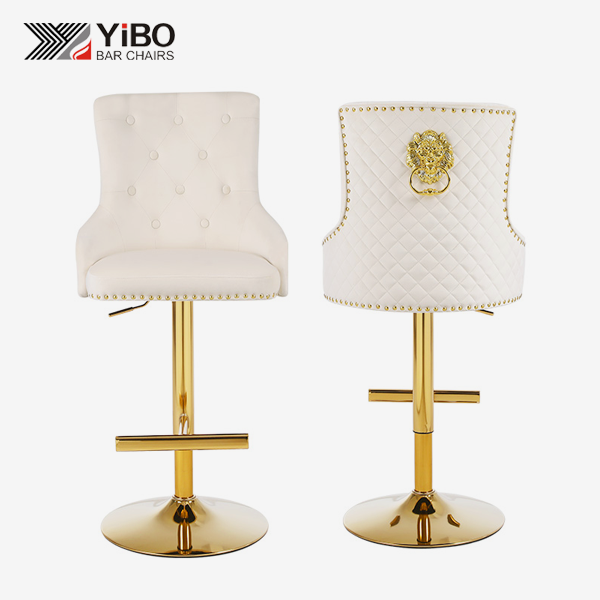
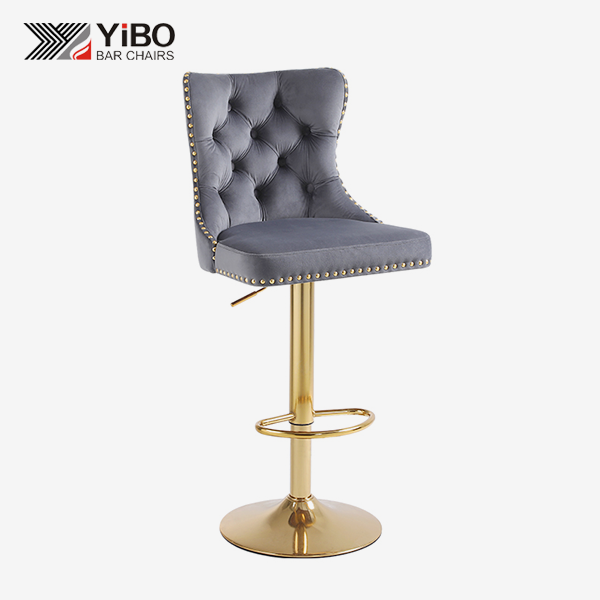
Traditional hospitality venues benefit from seating that references heritage aesthetics while meeting contemporary performance standards, and Brown bar stool designs with leather upholstery paired with rich mahogany or walnut finishes create sophisticated ambiance appropriate for steakhouses, hotel lounges, and wine bars. The design language references history without feeling dated, appealing to patrons seeking elevated dining experiences. Turned legs, nailhead trim, and quilted fabric add visual interest and perceived value. These style cues communicate attention to detail that guests associate with quality service and memorable experiences.
Rustic and Industrial Aesthetic Integration
More and more, industrial elements are being used with natural materials in modern hospitality design. When you combine reclaimed wood floors with blackened metal frames, you get a real, casual look that appeals to modern eaters. This method works especially well in brewpubs, farm-to-table restaurants, and small hotels that want to show they care about the environment. Distressed finishes and obvious wood patterns give furniture personality while keeping the useful qualities of darker tones. The visual weight of solid building suggests that it will last, which unconsciously reassures guests of quality and stability.
Modern Minimalist Approaches for Urban Venues
Hotels and restaurants in cities that want to attract wealthy people often use cleaner lines and more refined proportions. Slim shapes with curved legs make things look lighter while still keeping the structure strong. Earth-tone color schemes that are all one color add depth without being too much for sparse rooms. The simplicity lets the architecture and food take center stage, while the furniture just does its job and doesn't draw too much attention to itself. This restraint needs to be made with the utmost accuracy. Our 14 years of specialized knowledge make sure that the proportions and finishes meet the high standards of modern design.
Coordinating with Interior Design Elements
When designing a room, it's important to think about how the seats will fit in with the rest of the space. How earth-tone finishes look and work in a room depends on the type of countertops, flooring, and lighting that are used. Natural wood frames look great with tables made of natural wood, and seats made of marble or concrete feel great next to warm wood. The temperature of the lighting affects how colors are seen. For example, warm LED lighting brings out the orange hues in darker finishes, while cooler lighting brings out the gray notes. Texture contrast keeps things from getting boring. Putting together smooth leather seats with rough-hewn wood bases or shiny metal details makes the experience more interesting to touch and improves the guest experience.
Comparative Analysis – Choosing the Right Solution for Your Business
Material Selection: Wood versus Metal Foundations
The choice of frame material affects both how it looks and how well it works. The natural beauty of solid wood and its sound-absorbing qualities make it a good choice for busy eating rooms. Wood can take small hits without damaging the surface, stays at a nice temperature no matter the weather, and can be refinished if necessary. Metal frames are better at supporting weight and keeping their shape, so they don't warp in damp places. Powder-coated finishes come in almost infinite colors and are more durable than painted wood when it comes to chipping. Our factory has separate production lines for both types of materials, and we use special tools to make sure that the quality of all container-level orders is the same.
Upholstery Considerations for Commercial Longevity
The choice of seat surface has a direct effect on how often repair needs to be done and when to replace the seat. Over time, top-grain leather gets a nice sheen, but it needs to be conditioned every so often and may show wear in places that get a lot of use. Performance synthetics made for use in hotels are better at resisting stains and are easier to clean. Many current PU materials look a lot like leather and cost a lot less, which makes them appealing for projects that need to stay within budget. Fabric options let air flow and give designers more freedom, but they need to be deep cleaned more often. For commercial use, the 0.8mm half-PU upholstery we use is the best combination of durability, comfort, and ease of maintenance.
Functional Features: Swivel, Adjustability, and Ergonomics
Operational features significantly impact guest satisfaction and space flexibility, and Brown bar stool designs incorporate several key functional elements. Swivel mechanisms facilitate conversation and ease of entry while reducing furniture movement that can damage flooring—full 360-degree rotation requires quality bearing assemblies capable of thousands of cycles without wear or noise. Height adjustability accommodates varying counter configurations and guest preferences, though it adds mechanical complexity requiring robust construction. Fixed-height systems offer greater stability and simplified maintenance. Ergonomic factors including seat depth, backrest angle, and footrest placement affect comfort during extended seating sessions. Our engineering team applies anthropometric data to ensure designs accommodate the diverse body types common in international hospitality markets.
Aesthetic Impact: Visual Weight and Spatial Perception
How people see and interact with spaces is affected by color psychology and visual weight. Darker finishes make large spaces feel more personal and defined by making them feel more grounded. They look good with light walls and ceilings because they create a good contrast that helps the eye move around. Lighter earth tones keep things warm while keeping open, airy spaces that are good for cafes and breakfast areas during the day. Because brown tones are neutral, they go with a wide range of seasonal decor and changing brand names. This protects the value of your furniture purchase as design trends change. This adaptability is especially important for hotel groups that are in charge of several sites each with its own brand positioning.
Procurement Strategies for Bulk Purchasing
Establishing Quality Criteria for Commercial Applications
Clear performance specifications are the first step to effective procurement. Commercial-grade seats must meet or beat BIFMA standards, which are used to show that the structure is strong thru standard testing procedures. Weight capacity ratings should include safety gaps above what is expected to be used. For business uses, we suggest ratings of 400 to 500 pounds, even tho most people don't weigh that much. The list of materials should include the type of wood, the density of the foam (in kg/m³), the thickness of the upholstery, and the finish. Manufacturers of good products give detailed technical specs and material certifications so that you can make smart comparisons. As part of our quality control, we use a spectrophotometer to check the consistency of the colors, cross-hatch to check the adhesion, and drop tests that simulate years of operational stress.
Evaluating Supplier Capabilities and Reliability
Choosing a supplier has effects that last longer than just the original cost of the buy. If suppliers can meet project deadlines for container-level orders, that depends on their manufacturing capacity. Our plant sends multiple containers every month, which makes sure that production can be scaled up for big hospitality projects. For foreign purchasing, export experience is very important because logistics are complicated, customs paperwork is complicated, and compliance rules need expert knowledge. We've worked with 70 different countries and have a lot of experience with a wide range of shipping logistics and regulatory environments. Communication infrastructure is also important. Dedicated account managers and 24-hour response promises keep project completion steps from being held up, which can cost a lot of money.
Customization Capabilities and OEM/ODM Services
Customized solutions that fit specific brand names and space limitations are becoming more and more important for hospitality projects. Changes to the dimensions are made to fit different counter heights or limited space. Customizing upholstery lets you match colors exactly to brand rules or to match other parts of the room. Some structural changes that could be made are brand embossing, custom frame designs, or interaction with building systems. Our research and development team, which is made up of more than 10 skilled workers, helps make samples from client drawings and creates goods that are specific to the market. With this ability, sellers can become strategic partners who can help property portfolios meet changing brand requirements.
Cost Optimization Through Strategic Ordering
Procurement efficiency directly impacts project profitability, and Brown bar stool orders benefit from container-level purchasing that maximizes freight economies and enables factory pricing advantages. Mixed container capability allows movement of diverse product ranges while maintaining volume cost structures. Long-term supply agreements provide price stability and production priority during peak periods. Space-efficient packaging innovations reduce shipping volumes—our 2-piece carton configuration (55x49x44cm) optimizes container utilization while maintaining product protection. When procurement teams communicate clearly about lead times and inventory availability alongside these factors, they can effectively manage cash flow and project timelines.

Maintenance and Longevity – Caring for Seating in Commercial Settings
Material-Specific Cleaning Protocols
To get the most out of their lifespan, different materials need different kinds of maintenance. Using microfiber cloths to dust wood surfaces and furniture and shine with UV inhibitors every once in a while are both good ideas. Stay away from too much moisture, which can make finishes cloudy or help mold grow in joints. Metal frames only need to be cleaned with a damp cloth, and the welds and fasteners should be checked for tightness every so often. Leather furniture should be cleaned once a week to get rid of dirt and dust, and pH-neutral conditioners should be used every three months to keep the leather from drying out and breaking. Our half-PU upholstery is easy to clean; spills can be removed with mild detergents, and the material doesn't stain easily with things like coffee, wine, and food oils.
Establishing Preventive Maintenance Schedules
With proactive care, small problems don't turn into expensive repairs. Hardware should be checked for tightness once a month, especially the bolts that connect seats to frames. The 6x14mm screws we recommend should work fine in normal use, but they should be checked every so often. Swivel gears need to be oiled once a year to keep them running smoothly and stop them from wearing out too quickly. Welds and joints on footrests should be checked for cracks that could mean fatigue stress. Upholstery seams should be checked for thread separation and fixed right away, before small problems get worse. Setting up repair logs helps find trends that can be used to guide future purchases and warranty claims.
Addressing Common Damage and Wear Patterns
Commercial furniture will always need to be fixed when it gets worn out. Furniture markers or touch-up lines that match the original colors can often be used to fix scratches on wood's surface. More serious gouges might need to be fixed by a professional or hidden by careful placement. Metal frame chips can be fixed with spray paint that matches, which keeps steel parts from rusting. If you catch upholstery tears near seams early, they can often be stitched back together, making the item last longer. After years of use, it's normal for cushions to lose some of their shape. Buying new foam inserts is a cheaper option than replacing the whole unit. To figure out when it's more cost-effective to refurbish something rather than replace it, you have to compare the cost of replacement with the cost of repairing it.
Extending Investment Value Through Strategic Interventions
Maximizing the life of furniture saves capital investments and keeps operations running smoothly. Routines for rotating goods spread out wear so that high-use areas don't break down faster than others. Protective measures like chair glides keep the floor from getting damaged and keep the frame from getting stressed from moving around a lot. Controlling the climate keeps the humidity level steady, which keeps wood from changing sizes and leather from breaking down. Accidental damage can be avoided by teaching staff the right way to handle things while they are cleaning. When these practices are paired with good initial purchasing, business furniture can last longer than ten years. This greatly increases the return on investment and lowers the number of times it needs to be replaced.
Conclusion
Strategic seating selection significantly influences hospitality success through guest experience, operational efficiency, and long-term cost implications, and Brown bar stool choices are central to this equation. Earth-tone elevated seating offers exceptional versatility, concealing wear while creating warm, welcoming atmospheres across diverse design contexts. Material quality, ergonomic design, and production accuracy determine whether furniture meets demanding commercial requirements or becomes a costly liability requiring premature replacement. Procurement should evaluate aesthetics alongside durability, supplier capability, and maintenance requirements. As the hospitality market grows increasingly competitive, furniture decisions become strategic differentiators affecting guest satisfaction, operational cost, and brand positioning in crowded markets.
FAQ
What lifespan should I expect from commercial-grade seating?
If you take care of your quality business units, they should last between 7 and 10 years in normal restaurant settings. Lifespan depends on how often it is used, how well it is maintained, and how well it was built in the first place. In places with a lot of foot activity, like airport bars, service may last less time, while in private hotel lounges, it may last longer than ten years. Longevity is increased by buying from experienced manufacturers who use commercial-grade materials and building methods.
Are earth-tone finishes suitable for moisture-prone environments?
Moisture efficiency depends on the choice of material. Wood frames that are sealed and synthetic fabric can handle the normal amount of wetness that comes from being in a hotel room. Metal frames and marine-grade upholstery fabrics work well in coastal areas or by the pool. No matter what material you choose, moisture-related damage can be avoided by making sure there is enough airflow and cleaning up spills quickly.
Can I customize dimensions and finishes for brand consistency?
Reliable manufacturers offer a wide range of customization options to meet the needs of any brand. Standard services include changing the sizes, matching the colors of the fabric and frames, and adding logos. Different manufacturers have different minimum order amounts for custom specs. Usually, container-level orders allow for full customization at a fair cost premium.
Partner with YIBO for Your Commercial Seating Solutions
For 14 years, Anji Yibo Furniture Co., Ltd. has been making specialized furniture for the hospitality industry. They are a trusted supplier of Brown bar stools for projects in 70 countries. In our 6,000-square-meter building, we use both high-tech tools and skilled labor to make seating options that look good and last for a long time. We know that foreign buyers need more than just goods. They also need partners they can trust to provide consistent quality control, flexible production capacity, and on-time container delivery. Thru joint development processes, our OEM/ODM services turn your design ideas into goods that are ready for the market. Whether you're buying furniture for a small hotel, a group of restaurants, or a business project, our team is here to help you with technical questions and quick responses. You can email us at yb@ajyibo.com or go to ajyibo.com to talk about your specific needs, ask for samples, or learn more about how our manufacturing skills can help your hospitality projects with stylish, cost-effective seating options.
References
1. Anderson, M. & Roberts, K. (2021). Commercial Furniture Selection for Hospitality Environments: A Procurement Guide. Hospitality Design Press.
2. Chen, L. (2020). "Material Performance Standards in High-Traffic Seating Applications." Journal of Furniture Engineering and Design, 15(3), 112-128.
3. Morrison, T. (2022). Color Psychology in Restaurant Interior Design: Evidence-Based Approaches. Culinary Space Publications.
4. Peterson, R. & Williams, S. (2019). "Lifecycle Cost Analysis of Commercial Seating Investments." Hospitality Facilities Management Quarterly, 8(2), 45-62.
5. Thompson, J. (2023). Sustainable Procurement Strategies for Hotel Furniture: Balancing Quality and Cost. International Hospitality Institute.
6. Zhang, W. & Liu, H. (2020). "Manufacturing Standards and Quality Control in Export Furniture Production." Asian Furniture Manufacturing Review, 12(4), 78-94.