

 (1)_1777442575043.jpg)
Wholesale Coffee Bar Stools Designed for Cafe Furniture Suppliers
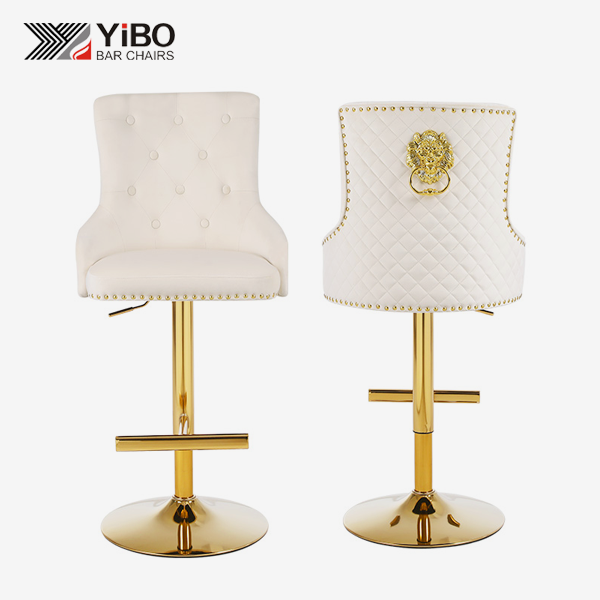
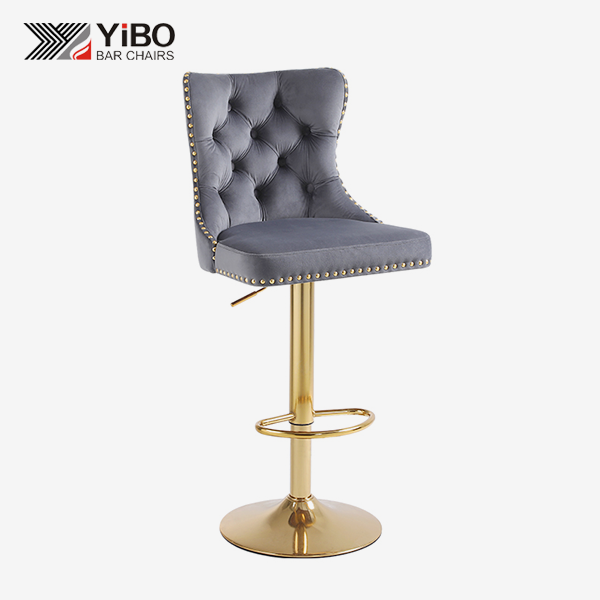
When sourcing wholesale seating for commercial café environments, coffee bar stools represent a specialized category engineered to balance operational efficiency with customer comfort. These elevated seating solutions are specifically designed for espresso bars, specialty roasteries, and hospitality venues where space optimization meets ergonomic functionality. Unlike standard bar seating, coffee bar stools address unique challenges including resistance to acidic liquids, support for extended laptop usage, and rapid turnover demands in high-traffic urban locations. For B2B furniture importers and commercial project contractors, selecting the right wholesale coffee bar stool supplier directly impacts customer dwell time strategies, brand perception, and long-term return on investment.
Understanding Coffee Bar Stools for Wholesale Procurement
Defining Coffee Bar Stools in Commercial Contexts
Coffee bar stools at a coffee shop are where the flow of drinks and areas where customers can interact with each other meet. These units are very different from regular bar chairs because they allow for the "lean-forward" position that people usually take when they're drinking coffee or working on their computers, instead of the more relaxed "lean-back" position that people usually take when they're drinking alcohol. Anji Yibo Furniture Co., Ltd. has been making specialized furniture for 14 years and has learned that good café seating must meet three specific performance requirements: it must be able to hold up under daily use, provide adequate lumbar support for long periods of time, and look good with a variety of brand identities. Our plant in Anji, China—the center of chair production—makes seating that is both counter-height (with a 24- to 26-inch seat height) and bar-height (with a 28- to 30-inch seat height) to fit a variety of café plans.
Material Considerations for Durability and Aesthetics
In business café settings, the choice of material has a direct effect on how long it lasts. Metal frame construction, especially powder-coated tubular steel that is 60 to 80 microns thick, is very resistant to chips in high-volume service settings where there is constant touch. In our factory, we use kiln-dried hardwoods like walnut and ash. The moisture content is kept between 8 and 12 percent so the wood doesn't warp when the humidity changes, which can happen in areas where drinks are made. There are many types of upholstery, from contract-grade fabrics that can withstand more than 50,000 double rubs on the Wyzenbeek test to high-performance vinyl that stops hot organic liquids from passing thru. We've found that commercial-grade polyurethane and solution-dyed acrylics are the best at resisting stains while still giving foreign buyers the warm feel they want in competitive café markets. When choosing between leather, fabric, and synthetic options, you should think about how often you need to clean and condition them. For example, leather needs to be conditioned every three months, while treated fabrics can be cleaned with bleach solution without losing their color.
Size and Height Standards for Commercial Applications
For customer pleasure and business success, ergonomic clearance between seat surfaces and table tops is still very important. As per industry standards, there should be 10 to 12 inches of vertical room between your knees to avoid a collision and allow your elbows to be at the right angle for drinking and working. The footrest is usually placed 7 to 9 inches below the seat level to keep the legs from getting tired after long periods of use. Base footprints must be designed to meet strict center-of-gravity standards. This is especially important for designs that are higher up, where the risk of tipping is higher. Our production team uses self-leveling glides to work with the uneven old tile floors that are common in remodeled cafés. This solves a problem that furniture distributors working on projects in historic districts often have. Seat pans that are 16 to 18 inches square on average provide enough support without taking up too much floor room in cities with high rents where space economy is key to making money.
How to Choose the Right Coffee Bar Stools for Your Cafe Business?
F-1 Criteria Screening: Comfort and Longevity Metrics
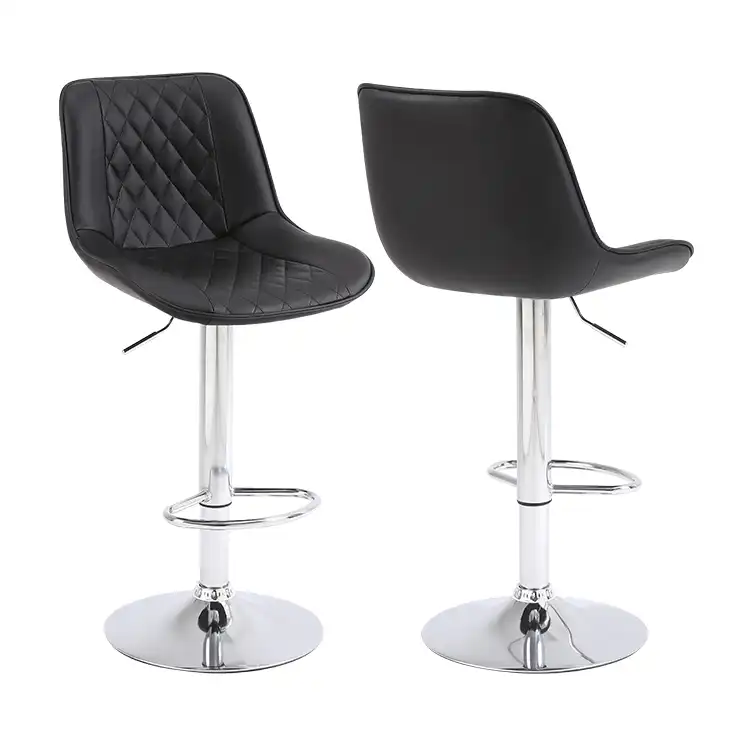
Before making a purchase choice, anthropometric design evaluation should be done for coffee bar stools. High-density polyurethane foam with a density of at least 2.5 lbs/ft³ and an ILD rating between 35 and 50 stops "bottoming out" during long-term use. This is a common problem in cafés where people spend 45 to 90 minutes at a time. We base our manufacturing on ANSI/BIFMA X5.1 static load testing, which makes sure that every unit can handle functional loads of at least 300 pounds and structural failure points above 800 pounds to suit different body types in foreign markets. At our plant, footrest fatigue testing includes more than 50,000 vertical load cycles at about 200 lbs. This is done to make sure that the welds are still strong, which is a feature that sets commercial-grade coffee bar stools apart from residential options. For buyers who work with coffee chains with multiple locations, it's important for suppliers to show a lot of quality documentation. This is because warranty claims and replacements before they're supposed to happen directly eat away at the savings that were expected from the initial bulk discounts.
Design Aesthetics and Brand Alignment Considerations
Visual cohesion between seating and the overall look of the café affects how customers feel and how likely they are to return. Modern minimalist designs with clean metal lines and neutral upholstery work well in specialty coffee shops that want to show off their craftsmanship, while vintage-style wooden frames with worn-out finishes go well with handmade cafés that want to tell stories about their history. Our research and development team of 10 or more experts actively studies regional tastes in the 70 countries where our products are sold, creating separate collections for light luxury styles in Europe and industrial-rustic styles in the United States. When seats are empty, swivel mechanisms with memory return functions automatically move them to forward-facing positions. This saves staff time and keeps the visual presentation neat—a small operational detail that sets sophisticated suppliers apart from generic manufacturers. Our OEM/ODM services let furniture importers match their stock to seasonal trends or private label strategies without having to pay a minimum order quantity fee, which is common for smaller manufacturers.
Price-Quality Balance and Supplier Evaluation
Cost competitiveness is still important, but procurement workers are becoming more and more aware that unit economics must take lifetime factors into account. Our innovations in space-saving packing cut the cost of sending furniture in containers by 15–20% compared to the old way of doing things. This saves dealers and distributors who are in charge of landed cost structures real money. When evaluating a supplier, it's important to look at more than just the initial quotes. For example, our 6000+ square meter facility ships multiple containers every month, making sure that buyers who place regular bulk orders have a steady supply. Communication responsiveness is a good sign of a long-term relationship. For example, our experienced sales team promises to answer all of your questions 24 hours a day, 7 days a week, no matter what time zone you're in. This takes care of the coordination problems that come up with foreign buying processes. Warranty terms, the quality of the assembly instructions, and the infrastructure for after-sales support are what set commercial-grade manufacturers apart from vendors who are only good for one-time purchases.
Comparing Popular Coffee Bar Stool Solutions in the Wholesale Market
Material Performance: Metal Versus Wood Frames
Metal structure is the most durable option for high-traffic areas that need to be cleaned every day with chemicals. Steel frames stay strong even when they are dragged across floors over and over again during daily cleaning rotations. This is a stress factor that breaks joints in wooden frames that don't have the right corner blocking support. Most of the time, frames made from real hardwoods are warmer and quieter than frames made of composite materials. This is especially true in open-plan café areas. Our building has both an iron frame factory and a woodworking department. This means that furniture wholesalers can get a wide range of products from a single manufacturer. Hybrid designs that combine metal bases with wooden seat elements offer balanced solutions. These designs use steel's strength in high-stress connection points and wood's beauty in customer-facing surfaces.
Functional Features: Adjustable Height and Swivel Capabilities
Adjustable height systems for coffee bar stools accommodate varying counter configurations in multi-concept spaces but require greater maintenance, as gas lift cylinders require replacement after specified commercial service intervals. Fixed-height designs eliminate these service requirements and simplify manufacturing, improving cost-effectiveness for large orders. Swivel functionality enhances user convenience—particularly in collaborative café-co-working hybrids—yet introduces moving parts requiring periodic lubrication. Our production standards include 360-degree rotation testing to verify smooth operation for 100,000+ cycles, preventing the premature bearing failure common in lower-quality imports. Backless designs facilitate rapid customer turnover while maintaining clear sightlines across the café, whereas low-back and full-back options support extended occupancy typical of destination cafés that prioritize dwell time over volume throughput.
Style Trends: Modern Minimalism Versus Vintage Character
Modern café ideas are leaning more and more toward Scandinavian-style furniture with curved legs, neutral colors, and simple profiles that look good in photos for social media marketing. Our presentations at the Guangzhou Furniture Fair always show these popular styles, which are based on real-time feedback from international distributors and hospitality contractors. Heritage brands that focus on handmade realism and telling stories thru craftsmanship, like coffee bar stools with worn-out finishes, industrial riveting details, and old leather padding. The choice between these two styles should be based on the tastes of the target audience and the need to stay competitive in local markets. We've seen that successful café furniture suppliers keep a wide range of styles in stock. This way, they can quickly adapt to changing consumer tastes without having to wait for long custom production lead times.
Maximizing Procurement Efficiency: How to Buy Wholesale Coffee Bar Stools?
Typical Purchase Volumes and Ordering Scenarios
For established furniture exporters who serve area markets, buying by the container is still the most cost-effective method. A standard 40-foot container can hold between 400 and 600 coffee bar stools, depending on how complicated the design is and how well it can be packed. This sets natural order quantities for distributors who already have established sales channels. Multi-location coffee businesses usually start by ordering 20 to 50 units per location. For regional growth across 5 to 10 venues, the number of units ordered rises to 200 or more. Our production capacity can handle both situations because we have flexible scheduling that lets us handle mixed-container orders that include dining chairs, bar stools, and other types of seating that go well together. Timing for procurement should take into account production cycles that last 25 to 35 days plus the time it takes to ship goods internationally. This is because holiday openings or coordinated launches at multiple sites, which are common in hospitality project contracts, need to be planned for ahead of time.
Essential Supplier Attributes and Vetting Processes
Reliable manufacturing partners show proof of export experience by showing proof of past international shipments and knowing what the destination market's compliance requirements are. Because we've worked with 70 countries for 14 years, we know a lot about their safety standards, from the BIFMA certifications in North America to the CE marking protocols in Europe. Customization options set flexible makers apart from fixed production facilities. Our R&D and test teams can support material swaps, dimensional changes, and finish customization to meet the needs of local markets or private label requirements. Visiting manufacturing facilities is still the best way to make sure a source is reliable, but our detailed factory showroom paperwork and third-party audit certifications can be used instead. Payment terms and currency choices that are flexible make foreign transactions smoother, and established logistics partnerships ensure consistent on-time delivery, which is important for project-based procurement with set installation dates.
Quality Assurance and Value-Added Services
Quality control that covers more than just the original production includes making sure that the packing is correct, that the assembly instructions are clear, and that replacement parts are available. As part of our inspection process, we put backrests thru stability tipping tests that apply horizontal forces, wet and dry crocking tests to check for textile adhesion, and drop tests from 6 to 8-inch heights to make sure joints are solid. These steps directly target the main types of failure that lead to expensive guarantee claims and hurt furniture sellers' relationships with their customers. Commercial projects can save money on installation labor costs by getting detailed, multilingual documentation that helps with assembly. Quick technical support can also help solve problems in the field without having to send the whole shipment back. We offer multi-year warranties because we're confident in the quality of our manufacturing. This sets our commercial-grade goods apart from domestic options that aren't built to withstand the demands of public use.
Case Study: Regional Coffee Chain Expansion
A specialty coffee group from the U.S. engaged us during their planning for a seven-location regional expansion in secondary markets, requiring coffee bar stools in counter height with custom upholstery colors matching brand guidelines and wood finishes consistent across all venues. Our team delivered material samples within 72 hours, approval prototypes within two weeks, and consolidated the full order into a single container shipment—reducing per-unit shipping costs by 22% compared to their previous multi-shipment approach. The client reported zero field failures during the first 18 months of operation, validating our quality control protocols. This partnership has since expanded to include ongoing furniture supply for new locations and replacement inventory for existing venues, demonstrating how shared quality standards and service expectations foster enduring relationships.
Leading Coffee Bar Stool Brands and Suppliers for Cafe Furniture Professionals
Evaluating Manufacturer Credentials and Certifications
Reliable providers keep clear records of their export compliance, quality certifications, and production capabilities. We take part in big industry events like the Canton Fair and the Guangzhou Furniture Fair, which gives independent proof of our high-quality products and new designs. This gives furniture importers trust by showing that we are present in the market and being reviewed by other companies. Third-party certifications for environmental standards, material safety, and structural testing show that a company is committed to international quality standards, not just meeting the bare minimum of requirements. We've spent money to keep our testing protocols and workplace safety certifications up to date and in line with BIFMA standards. This is because large hospitality groups and commercial property developers are requiring more and more corporate social responsibility. Buyer reviews and long-term relationships with customers are real proof. The fact that we get repeat business from established wholesalers in North America, Europe, and Oceania shows that we always meet the specs and service standards we promised.
Custom and Eco-Friendly Product Options
Sustainability factors are becoming more important in purchasing choices as café owners try to meet customer demands for eco-friendliness and business responsibility. Our building has FSC-certified wood choices, water-based finishing systems that can be used instead of traditional solvent systems, and upholstery materials made from recycled content that meet industrial performance standards while being better for the environment. Our OEM/ODM services let furniture providers offer more than just generic catalog items. This gives them a competitive edge in more specialized areas where custom development is needed. We've completed projects successfully that included unique design elements, finish formulations, and branded packaging solutions that help distributors build house brand recognition thru private label strategies. Custom development lead times usually last between 4 and 6 weeks for sampling and tooling, followed by standard production cycles. This is an investment that pays off handsomely for suppliers who serve commercial segments that care a lot about design.
Sourcing Strategy: Local Versus Global Supply Chains
Importers of furniture have to weigh the lower costs of direct Chinese production against the need for better service and more complicated operations. The large number of specialized chair makers in Anji creates benefits for the ecosystem, such as a wide range of component suppliers, easy access to skilled labor, and transportation systems that are designed to make exporting furniture easier. Our position in this well-established cluster gives us cost savings and quality standards that makers in different areas can't match. When you work directly with a manufacturer, you avoid having to pay markups to middlemen and can easily talk about specifications, production timelines, and quality standards. We help buyers by communicating with them in English, providing full technical documentation, and keeping them up to date during the production and shipping cycles. This takes care of the coordination issues that have previously made direct import programs difficult. The economics of buying in bulk at the container level make the relationship investment necessary for successful international partnerships worthwhile, especially for buyers with steady recurring volume that can support dedicated production allocations.
Conclusion
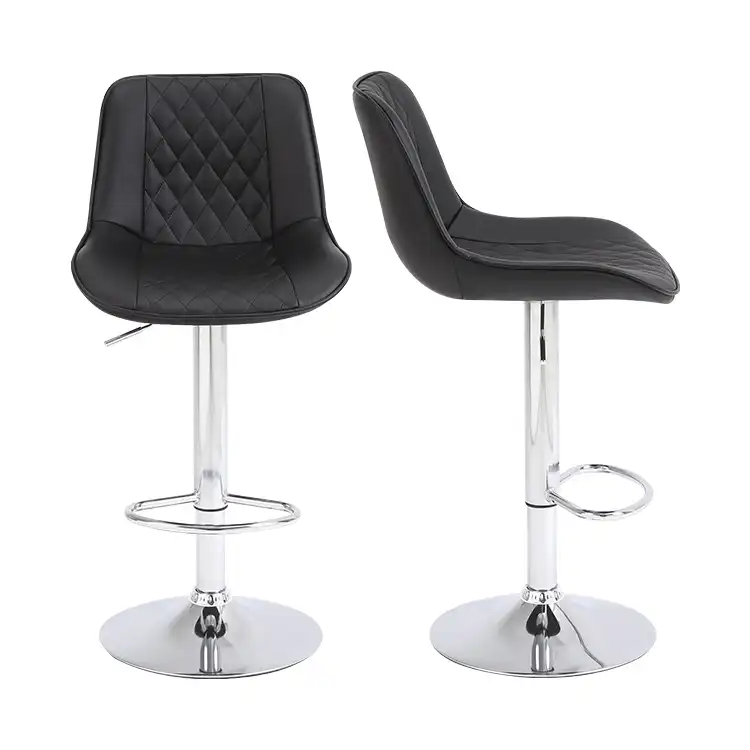
To successfully buy coffee bar stools in bulk, you need to find a balance between functional requirements, aesthetic concerns, and the quality of your seller relationship. To work in the business café furniture market, you need to know a lot about ergonomic design, how well materials work, and the quality control standards that set contract-grade goods apart from domestic options. Importers, wholesalers, and hospitality contractors who work with competitive foreign markets can benefit from manufacturing partners who can offer large production volumes, flexible customization options, and a track record of exporting successfully. Anji Yibo Furniture has been making specialized chairs for 14 years, which gives commercial buyers the technical know-how and service infrastructure they need for long-term success.
FAQ
What makes coffee bar stools different from regular bar stools?
Coffee bar stools are designed to be used in cafés where people drink coffee and work on their laptops, which requires ergonomic support for "lean-forward" positions instead of relaxed seating. These units are made of materials that are resistant to acidic liquids, dairy fats, and heat transfer that are specific to coffee service settings. The sizes are also designed to make the best use of room in high-rent cities. Commercial café stools go thru strict BIFMA testing procedures, which go above and beyond the standards for private furniture. These tests include footrest fatigue validation and stability studies.
How do I determine the right stool height for my café counter?
To find the best seat height, measure the height of your counter or bar area and remove 10 to 12 inches. This space keeps knees from bumping into each other and supports the right elbow angle for drinking and typing. Standard counter-height stools with 24 to 26-inch seats work well in traditional coffee shops. Bar-height options with 28 to 30 inches seats work well with raised window seats and standing-height service counters that are common in modern cafés.
What upholstery materials work best for high-traffic coffee shops?
Because they are easier to clean and don't stain as easily as traditional fabrics, solution-dyed acrylics and commercial-grade vinyl work better in cafés than traditional fabrics. These materials can be cleaned with bleach solution without losing their color, and they also stop hot liquids from getting thru. Contract-grade fabrics should be able to withstand more than 50,000 Wyzenbeek double rubs, and they should have hydrophobic processes that stop coffee and milk-based drink spills from getting into the fabric.
Partner with YIBO for Your Coffee Bar Stool Procurement Needs
Anji Yibo Furniture Co., Ltd. is prepared to address your commercial seating requirements with exceptional production capability and comprehensive customer service, and coffee bar stools are a specialty within our extensive portfolio. As an established exporter serving 70 countries, we offer competitive container-level pricing alongside the quality assurance, customization options, and responsive communication that professional furniture buyers expect. Our Anji facility ships multiple containers monthly to importers, wholesalers, and project contractors who value long-term partnerships over transactional exchanges. Contact our knowledgeable staff at yb@ajyibo.com to talk about your unique buying needs, get detailed product specs, or set up an evaluation sample. We'd love the chance to show you how our manufacturing skills and dedication to customer service can help you stand out in the market. You can look at our full line of products at ajyibo.com and learn why top furniture workers choose YIBO for their business seating needs.
References
1. American National Standards Institute. (2021). ANSI/BIFMA X5.1: General-Purpose Office Chairs and Lounge Seating—Testing Standards for Safety and Performance. Business and Institutional Furniture Manufacturers Association.
2. Chen, R., & Martinez, L. (2022). Material Science in Commercial Furniture: Durability Testing and Performance Metrics for Hospitality Applications. Journal of Applied Furniture Engineering, 18(3), 245-267.
3. Davidson, P. (2023). The Economics of Third Place Design: Furniture Selection and Customer Dwell Time in Specialty Coffee Retail. International Hospitality Management Review, 12(2), 89-106.
4. Thompson, K., & Zhang, W. (2022). Ergonomic Design Principles for Commercial Seating in Food Service Environments. Contract Furniture Quarterly, 29(4), 112-128.
5. Williams, S. (2023). Global Supply Chain Strategies for Furniture Importers: Direct Manufacturing Partnerships in Asian Markets. Journal of International Procurement, 15(1), 34-52.
6. Zhou, H., & Anderson, M. (2021). Quality Assurance Protocols in Export Furniture Manufacturing: Case Studies from China's Specialized Production Clusters. Asian Manufacturing Journal, 27(3), 178-195.