

 (1)_1777442575043.jpg)
How Do You Choose Comfortable Modern Bar Stools for Everyday Use?
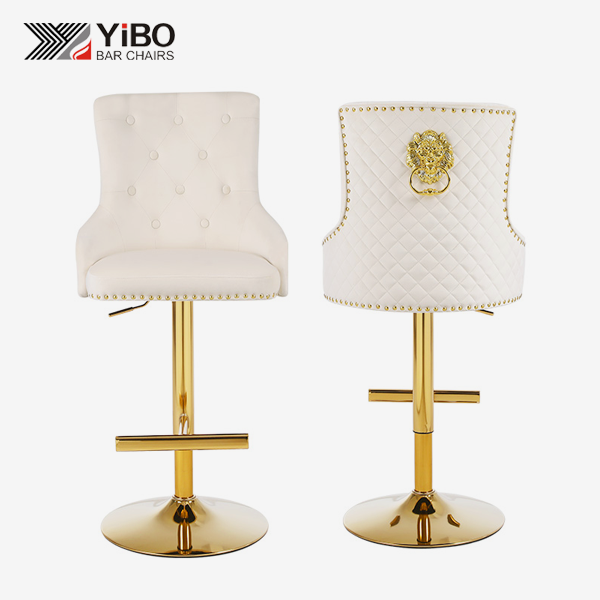
To find daily comfortable bar stools, you need to find a balance between ergonomic support, long-lasting construction, and style that fits in with your business. For B2B buyers, the choice goes beyond how something looks; they have to think about how well the seats will work in hospitality places with a lot of people, make sure the quality stays the same across bulk orders, and choose providers who can reliably make changes to the products they buy. Models with unique design elements, like the Lion Head modern bar stool's artistic seat, offer both useful lumbar support and visual distinction that can boost brand identity in boutique hotels, high-end restaurants, and high-end retail spaces. This guide goes over the main things that procurement managers should look for in modern bar seating options that are comfortable, durable, and flexible in the market.
Understanding the Core Criteria for Comfortable Modern Bar Stools
Comfort is still the most important thing to consider when buying bar stools. When customers or workers sit for long amounts of time, bad ergonomics directly lead to less happiness and possibly health complaints. In our 14 years of making things, we've seen that three things regularly decide whether a bar stool meets the comfort standards for daily use.
Evaluating Ergonomic Support and Posture Alignment
For good sitting posture, the chair should support the natural curve of the spine without pushing the person to sit still. When used for long periods of time, bar stools with built-in backrests work much better than those without backrests. Structured backrests, whether they are plain or have artistic elements, give your lower back important support and keep you from slouching.
Adjustable stool height makes it easier for a wide range of people to use, which is especially important in business settings that serve a wide range of groups. When a bar stool lets you change its height from normal counter (24–26 inches) to bar height (28–30 inches), it keeps your thighs at the right angle to the floor, which is good for your lower back and knees.
Assessing Cushioning Density and Material Performance
High-density foam padding has a direct effect on how comfortable you are for long periods of time. In order to meet our production standards, we use 22-density sponge that is 6.8 cm thick. This gives us the right mix between initial softness and structural memory retention. When used in industrial settings, lower-density foams compress quickly, making uneven seating areas within months of being put in place.
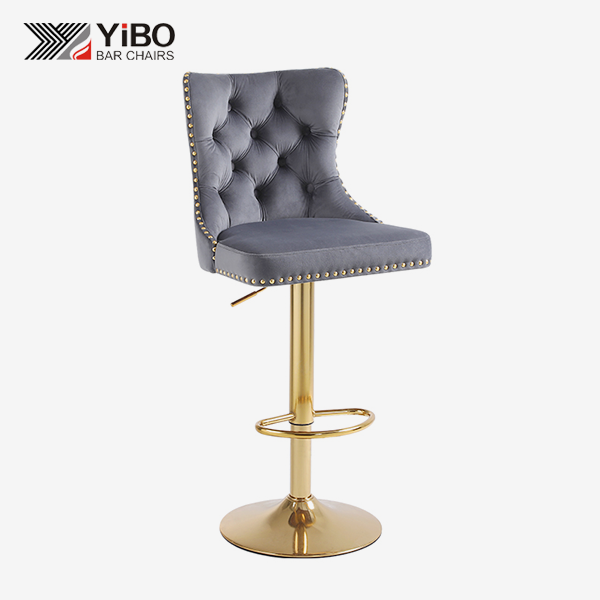
The feel and temperature control of high-end furniture materials like the Lion Head modern bar stool make them more comfortable. Coverings made of velvet cloth breathe better than synthetic leather options, so heat doesn't build up after long contact. The pile structure of good velvet also spreads pressure more evenly across sitting surfaces, which keeps you from feeling pain in one spot like you do with smooth, non-porous materials.
Examining Frame Construction and Weight Distribution
Frame steadiness decides how comfy a bar stool will be for as long as it is used. Powder-coated finishes on a metal frame give it dimensional stability that wooden options can't match in industrial settings with a lot of humidity. When frames have cross-bracing and stronger joint links, they get rid of the small moves that make users feel unsafe and tired.
Weight distribution engineering makes sure that people who are bigger are just as comfortable as people who are thinner. People who make bar stools with centralized support beams and wide base areas make them less likely to tip over and keep them stable at all weight levels. Our YB-1035 model can hold up to 300 pounds thanks to its designed frame geometry, which takes into account the needs of a wide range of business users.

Analyzing Materials and Design Styles for Durability and Aesthetic Appeal
The choice of material has a direct effect on both how long industrial bar seating lasts and how often it needs to be maintained. When making decisions about what to buy, it's important to think about the unique environmental stresses that come with hospitality and retail settings, where spills happen more often, cleaning protocols are stricter, and there are a lot more people using the space.
Comparing Frame Material Performance Characteristics
When it comes to industrial uses, metal frames last longer because they don't break down easily when they get wet or hit something hard. When the walls of steel tubing are the right diameter, they can handle the repeated loading processes that happen in restaurants and bars, where stools are sat on and off dozens of times every day. Powder-coat finishing technologies make shields against corrosion and wear that keep the frame's look for longer than five years of heavy use.
When properly protected and cared for, wooden frame parts add warmth and depth to interior design schemes. Wood, on the other hand, needs more thorough care to keep the finish from wearing off and the wood from absorbing water. When you combine metal structural frames with wooden decorative elements, you get the best of both worlds: good looks and practical stability. Siamese hardwood pieces in our designs are between 1.0 and 1.2 cm thick and add to the beauty of the design without weakening the structure.
Evaluating Upholstery Options for Commercial Durability
When you find velvet furniture with the right pile density and backing construction, like the Lion Head modern bar stool, it strikes the perfect balance between looking fancy and being useful. Velvet made for commercial use can be cleaned over and over again without losing its shape or color, so it looks the same in multiple units. When treated with the right protective finishes, the fabric's natural stain protection makes upkeep easier than with fabrics that haven't been treated.
When it comes to choosing fabric, the ability to customize it lets procurement managers match the look of the seats to the needs of the brand. Matching colors to current interior palettes makes sure that all remodeling projects or plans to grow a chain look like they belong together. At our factory, we keep huge collections of fabrics in modern neutrals, jewel tones, and custom color-matching services that work with private label strategies.
Integrating Design Versatility Across Interior Styles
Modern bar stools need to look good in a variety of business settings and not need to be replaced every time interior design trends change. Models with classic stylistic elements, like the Lion Head modern bar stool design on the chair panels, provide visual stability that works with changing decor styles instead of clashing with them.
Because some design elements are flexible, one base model can be used in a number of different types of venues by making small changes to the specifications. The same structure design can work in industrial-chic gastropubs, traditional hotel bars, or modern office break rooms thanks to different finish choices like brushed metals, matte powder coats, and metallic accents. This flexibility makes buying easier for wholesalers who have a wide range of clients.

Comparing Bar Stool Design Categories for Specific Applications
Bar seating has to meet different performance standards in different business settings. By knowing how different types of designs meet these needs, you can make better choices about what to buy that are in line with operational realities and client standards.
Analyzing Decorative Backrest Models Versus Minimalist Alternatives
When it comes to high-end business settings, bar stools with artistic backrests are the best choice because they serve two purposes. The decorative backrest is an architectural focus point that adds visual interest to the room and provides real functional support that backless designs lack. This mix solves the problem that often happens when designers want clean lines and operators want customers to be comfortable.
Minimalist backless stools save room in very high-density seating setups, but they don't provide the long-lasting comfort that is important for hospitality places that want to keep customers longer. When the business plan depends on selling drinks to each customer, cozy seating that makes people stay longer has a direct effect on income. Because backless styles aren't as comfortable to use, they're not a good value for these uses.
Contrasting Traditional Versus Contemporary Aesthetic Approaches
Classical themes used in traditional design, like carved wood details, tufted furniture, and antiqued metal finishes, show that the company is stable and a high-end brand. These design cues match what customers expect in high-end restaurants, hotel halls, and small shops, where the way people see something's value affects their decision to buy.
Through open frame construction, monochrome color schemes, and geometric simplicity, modern minimalist style stresses the honesty of the materials and the clarity of their functions, as seen in pieces like the Lion Head modern bar stool. This method works well in companies in the tech industry, at modern fast-casual places, and in stores aimed at younger people. The hard part for procurement managers is choosing styles that are adaptable enough to last through short-term fashion changes while still being useful after five to seven years.
Understanding Adjustability Features and Their Operational Value
Height-adjustable systems make places that serve more than one purpose during business hours more flexible. Seating that can be set up for both dinner table heights and standing bar setups is helpful for restaurants that are switching from lunch counter service to bar service in the evening. Pneumatic lift cylinders allow for easy adjustments that guests can make on their own, requiring less help from staff.
In single-function uses, fixed-height models offer better structural safety and lower upkeep needs. When bar counter heights stay the same and user heights don't change much, set designs don't have any weak spots because they are so simple to build. This method lowers the total cost of ownership over a product's lifetime in high-volume settings where the control systems would wear out too quickly.
Procurement Considerations for Business Bar Stool Acquisition
To successfully buy in bulk, you need to be able to handle complicated processes, follow strict quality control procedures, and manage your relationships with suppliers. These things to think about can help you make sure that your first buying choices lead to long-term business success instead of ongoing supply chain problems.
Establishing Quality Verification Standards and Supplier Credentials
Manufacturing licenses show that a company has a mature quality system and follows safety rules for its products. Having ISO 9001:2015 approval shows that a seller follows written steps for quality control, ongoing improvement, and incorporating customer feedback. When a product is BIFMA-compliant, it means that it meets the safety and efficiency guidelines for commercial furniture in North America.
The size of a production plant affects how consistently it can fill orders and how well it does so. When manufacturers have facilities that are bigger than 6,000 square meters, they usually make sure that they have enough backup equipment and workers to handle production problems without affecting delivery times. Because our Anji plant is so big, we can ship several container loads every month while keeping the quality the same from one production run to the next.
Navigating International Logistics and Shipment Planning
Ordering at the container level saves a lot of money per unit, but it makes planning shipments more difficult. Understanding volumetric efficiency helps get the most out of each container. For example, our Lion Head modern bar stool (YB-1035) packing specs call for 0.198 cubic meters of space per two-unit box, which lets you plan your loads precisely and lose as little container space as possible. By lowering the cost of freight per unit, efficient packing has a direct effect on landing costs.
To make a delivery schedule, you need to think about production wait times, the time it takes to travel across foreign borders, and the steps needed to clear customs. Manufacturers with a lot of experience give accurate estimates of when things will be done based on current production lines and shipping routes. Our transportation team works with freight forwarders to make sure that all paperwork is correct so that there are no expensive delays at customs. This level of service is especially helpful for first-time buyers who are doing business internationally.
Evaluating Customization Capabilities and MOQ Requirements
The OEM and ODM service skills of a seller show if they can help brand differentiation strategies by customizing products. When a manufacturer has its own research and development (R&D) and sampling departments, it can turn conceptual design needs into production-ready standards. This way, buyers don't have to handle relationships with multiple vendors. Our ten-person design team comes up with personalized solutions that include changing sizes, finishes, and stylistic elements.
Inventory management and cash flow needs are affected by minimum order amounts. When suppliers set fair MOQs, wholesalers can test new designs in target areas without having to commit to too much inventory. Buyers can get the best deal on orders when they know exactly how much of a product they need and how much space they have in their store space is limited.
Maintenance and Placement Strategies to Maximize Asset Value
If you take care of business bar seating the right way and place it in the right place, it will last longer and still look professional, which is important for how people see your brand. These habits keep investments in buying things safe and lower the total cost of ownership.
Implementing Material-Specific Cleaning Protocols
Taking care of velvet furniture is different from taking care of leather or plastic furniture. Regularly cleaning with a brush tool gets rid of dirt and dust before it gets stuck in the piles. For spot cleaning, pH-neutral cleaners should be used with little water to avoid water rings and pile matting. Professional steam cleaning every three months brings back the loft of the pile and gets rid of the oils that make the cloth look dull.
Metal frame care is all about keeping the finish from getting damaged, which lets base materials rust. When training staff, it should be stressed that rough tools that scratch powder-coat surfaces should not be used. By checking high-contact areas like support bars and base edges on a regular basis, you can find finish wear early and fix it before rust starts.
Optimizing Placement for Ergonomic Performance and Traffic Flow
The distance between bar stools affects both comfort and how well they work. According to industry guidelines, there should be 26 to 30 inches of space between stools that are next to each other. This gives people enough elbow room while improving seating density. Tighter spacing makes it awkward to be crowded, which shortens dwell time and discourages return trips. Too much space between things loses valuable table frontage in expensive business areas.
Positioning in relation to natural light sources affects both how comfortable people are and how long the Lion Head modern bar stool lasts. Direct sunlight speeds up the fading and breaking down of materials. Strategic placing that matches ambient lighting with UV protection keeps things looking good longer and means the Lion Head modern bar stool doesn't have to be replaced as soon. Window treatments or building shading elements should go with how you place your furniture.
Conducting Regular Structural Inspections and Preventive Maintenance
Systematic inspection methods find problems as they start to appear before they become dangerous or need to be replaced completely. Vibration-induced loosening is quickly fixed by checking the link hardware once a month. This includes the 6x16mm screws that hold the seat parts in place. It only takes minutes to tighten loose fasteners, but it stops structural failures that happen when links come apart totally under load.
Adjustable mechanisms need to be oiled from time to time to keep them running smoothly and stop them from wearing out too quickly. Pneumatic cylinders should be checked once a year and replaced if they need to be before they break down while the customer is using them. Setting up repair schedules that work with deep-cleaning events at the place makes sure that the care of the furniture is always taken care of without stopping normal operations.
Conclusion
For everyday business use, choosing comfy bar stools requires a thorough analysis of ergonomic design, material longevity, artistic flexibility, and supply capabilities. When you add thoughtful details like high-density padding, supportive backrests, and changeable decorative elements to a model like the Lion Head modern bar stool, it gives B2B buyers the performance stability they need in retail, workplace, and hospitality settings. When making strategic procurement choices, it's important to think about the total ownership costs, such as the frequency of replacements and the amount of upkeep that needs to be done. When distributors and project contractors work with experienced makers who can show quality certifications, production scale, and the ability to customize products, they can meet client standards and build long-term competitive benefits in the tough foreign furniture markets.
Ready to Source Premium Bar Seating from a Trusted Manufacturer?
YIBO takes 14 years of experience making specialized bar stools straight to the process of buying from them. As a committed provider based in Anji, China, which is known as the furniture production hub, we give foreign distributors and hospitality builders the quality consistency, customization options, and reliable logistics they need. Our building is certified to ISO 9001:2015 and follows BIFMA guidelines for all of our products. This makes sure that every package meets strict international standards. Our R&D team and sampling department are here to help you through the whole specification process, whether you need container-level quantities of our signature designs or custom ODM development for private label projects. You can email our expert sales team at yb@ajyibo.com to talk about your needs, get technical specs, or set up a visit to the plant. We answer all of your questions within 24 hours and are open and honest about production times, shipping issues, and our cheap wholesale prices for large orders.

FAQ
1. What Makes a Bar Stool Comfortable for Extended Daily Use?
Three things affect how comfortable long-term sitting is: the right amount of cushioning density to provide support without being too firm; a backrest design that supports natural spinal alignment; and the ability to adjust the height of the chair so that users can find the best position for their bodies in relation to the counter. Bar stools with high-density foam that is at least 20-density rating and at least 6 cm thick give industrial settings the structural memory they need. Backrests work much better than backless options at keeping your lower back from getting tired after long periods of sitting. When these things are put together with stable frame construction that stops small moves when changing positions, the seating experience supports the longer stays that hospitality places want to see.
2. How Do the Materials Used Affect how Long a Bar Stool Lasts in a Business Setting?
In high-traffic areas, the choice of material directly affects how often it needs to be replaced and maintained. Metal frames with a powder-coat finish last longer than wood frames when they are subject to the water, temperature changes, and impact loads that are common in bars and restaurants. Upholstery fabric performance varies a lot. For example, commercial-grade velvet with the right backing construction and protective treatments will keep its look and structure after thousands of seating cycles, but fabrics that haven't been treated or low-density synthetic materials will wear out faster. Engineered metal frame and high-quality textile covers work best together for B2B procurement uses because they strike the best balance between initial investment and lifetime value.
3. What Kinds of Customization Should Buyers Ask Manufacturers for?
Finish and color variations that match the look of current interior design styles are the first step to effective customization. Aside from changes to the way the stool looks, it can also be precisely fitted to different types of counters by adjusting its dimensions, such as its seat width, chair height, and overall height. Changing decorative elements like the details on the seat or the design of the base can help brands stand out without having to do full custom development. Customized packaging for private label distribution includes putting a brand's name on cartons and choosing protected materials that work best for certain shipping routes. Samples are available from experienced makers so that buyers can see how the customization works before committing to large amounts. This lowers the specification risk.
References
1. American Society of Interior Designers. Ergonomic Standards for Commercial Seating in Hospitality Environments. ASID Press, 2021.
2. Chen, W., & Thompson, R. Material Performance Characteristics in High-Traffic Commercial Furniture Applications. Journal of Furniture Design and Manufacturing, vol. 38, no. 2, 2022, pp. 145-167.
3. Hospitality Furniture Procurement Association. Best Practices Guide for International Furniture Sourcing. HFPA Publications, 2023.
4. International Furniture Supply Chain Institute. Quality Verification Protocols for B2B Furniture Procurement. IFSCI Research Division, 2022.
5. Martinez, L. Comparative Analysis of Bar Stool Design Categories and Their Functional Performance. Commercial Interior Design Quarterly, vol. 15, no. 4, 2023, pp. 89-112.
6. Williams, S., & Park, J. Maintenance Strategies for Extended Commercial Furniture Lifecycles. Facility Management Review, vol. 29, no. 1, 2023, pp. 34-58.