

 (1)_1777442575043.jpg)
How long do upholstered dining chairs last?
Picture this scenario: you've just hosted a wonderful dinner party, and as your guests leave, you notice the fabric on your dining chairs looking worn and faded. You wonder whether it's time to replace them or if they can last a few more years. This common dilemma faces homeowners everywhere, and understanding the lifespan of Upholstered Dining Chairs can save you both money and frustration while ensuring your dining space remains inviting and comfortable. Well-made Upholstered Dining Chairs typically last between 10 to 15 years with proper care and maintenance, though this timeframe varies significantly based on construction quality, usage patterns, and maintenance practices. High-end chairs with premium fabrics and solid hardwood frames can extend their lifespan to 15-25 years or more, while budget-friendly options may only survive 3-7 years before showing significant wear. Understanding these timelines helps you make informed purchasing decisions and plan for future furniture investments accordingly.
What Determines the Lifespan of Upholstered Dining Chairs?
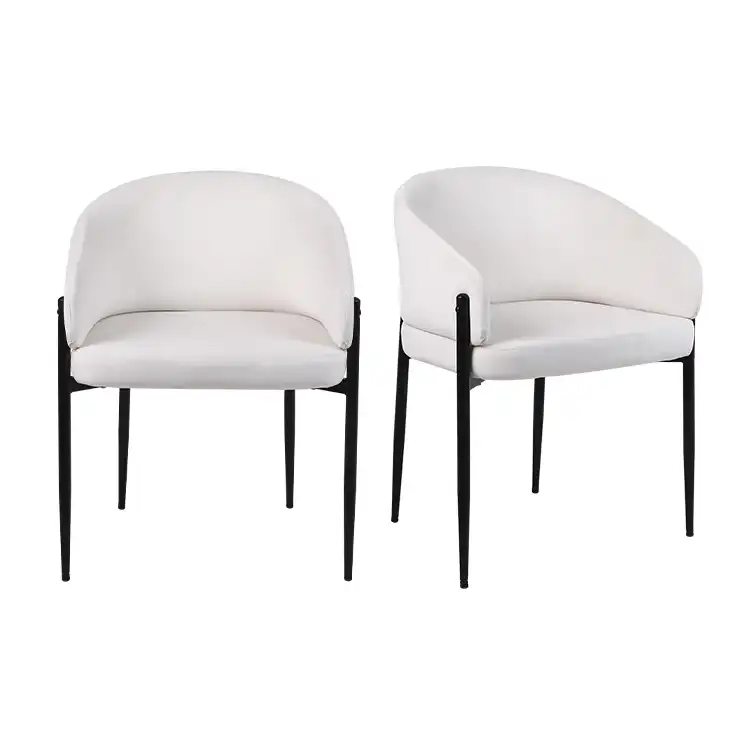
The longevity of your Upholstered Dining Chairs depends on several interconnected factors that work together to either extend or shorten their useful life. Quality construction forms the foundation of durability, as chairs built with solid hardwood frames, reinforced joinery, and high-density foam cushioning naturally outlast those assembled with particleboard and lightweight materials. Dining chairs take considerable abuse as they're constantly being pulled in and out, leaned against, and sliding across floors, so the legs need to handle significant stress. The metal frame structure in Modern Upholstered Curved Dining Chair designs provides exceptional stability and weight distribution, ensuring the chair maintains its structural integrity even after years of daily use. Frame material represents perhaps the most critical element in determining chair longevity. Solid wood frames, particularly those made from hardwoods like oak, maple, or beech, provide unmatched durability and can support repeated stress without loosening or breaking. Metal frames, such as those found in contemporary designs, offer excellent strength-to-weight ratios and resist warping or cracking that can afflict lesser materials. The joinery method also matters tremendously—chairs assembled with mortise-and-tenon joints, corner blocks, and wooden dowels significantly outperform those held together merely with staples or weak adhesives. When evaluating potential purchases, always examine how the chair is constructed beneath the upholstery, as this hidden framework ultimately determines whether your investment lasts a decade or requires replacement within just a few years.
-
Frame Construction and Material Quality
High-quality dining chairs prioritize construction over material because they endure constant action and stress. The frame serves as the skeleton of any Upholstered Dining Chairs, bearing the weight of users while maintaining structural stability through countless sitting cycles. Modern Upholstered Curved Dining Chair models typically feature iron metal frames that provide superior strength compared to wooden alternatives, particularly when designed with proper cross-bracing and reinforcement at stress points. These metal frames resist the loosening that commonly affects wooden chairs over time, as they don't expand and contract with humidity changes or develop the joint separation that can compromise wooden construction. The weight capacity of a chair directly correlates with frame quality and construction methods. Dining chairs tend to wear down more quickly when the weight capacity is exceeded, making it essential to select chairs designed for your household's needs. Premium manufacturers specify weight capacities of 300 pounds or more, indicating robust construction capable of handling diverse users without premature failure. The thickness of frame members, quality of welds or joints, and overall engineering approach all contribute to this capacity. Contemporary designs often incorporate curved elements that distribute weight more evenly across the frame, reducing stress concentration at any single point and extending the chair's functional lifespan considerably.
-
Upholstery Fabric Selection and Durability
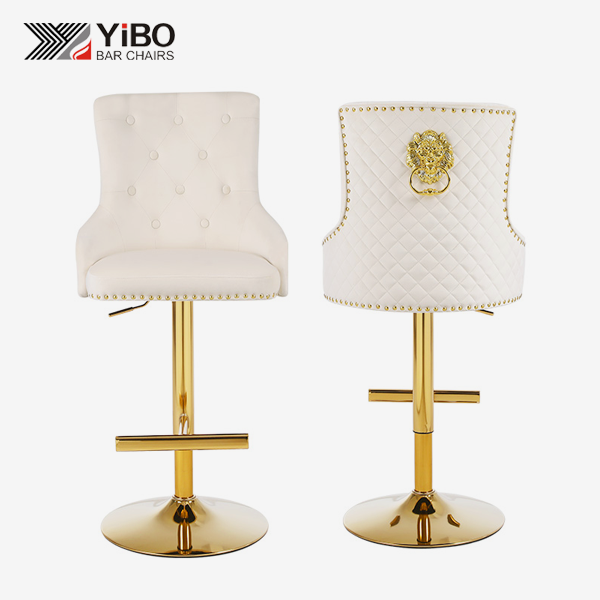
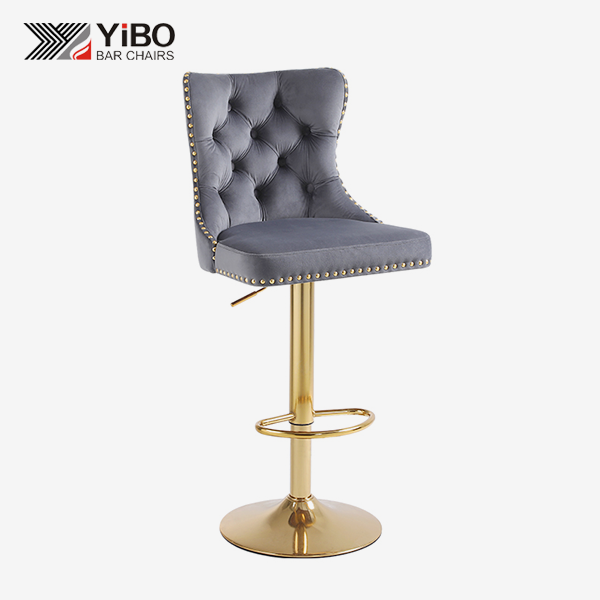
The fabric covering your Upholstered Dining Chairs plays a dual role in determining longevity—it must withstand physical abrasion while resisting stains, fading, and moisture damage that can destroy its appearance and structural integrity. Natural fabrics like cotton and linen offer comfort and breathability but typically show wear more quickly than synthetic alternatives, particularly in high-traffic dining environments. Velvet upholstery, such as the luxurious velvet featured in premium Modern Upholstered Curved Dining Chair designs, provides an elegant appearance and surprising durability when properly treated, though it requires more careful maintenance than performance fabrics. Modern performance fabrics have changed the game for upholstered furniture, as these specialty textiles are water-repellent, stain-proof, and hold up to heavy use without losing their softness and comfort. While performance fabrics command higher initial prices, they dramatically extend the usable life of dining chairs by resisting the spills, stains, and wear that typically necessitate reupholstering after just a few years. Leather and faux-leather options present another durable alternative, offering easy cleanup and resistance to most household damage, though they may crack or peel over time if not properly conditioned. When selecting Upholstered Dining Chairs, consider your lifestyle carefully—households with young children or frequent entertaining benefit enormously from stain-resistant fabrics that maintain their appearance despite inevitable accidents. Fabric density and weave pattern significantly impact durability as well. Tightly woven fabrics with high thread counts resist snagging and wear better than loose weaves, while fabrics with protective treatments can repel liquids and stains that would otherwise penetrate and permanently damage untreated materials. The diamond pattern design featured in many contemporary chairs not only provides visual interest but can also disguise minor wear patterns that would be obvious on plain fabrics. Regular professional cleaning every 12-18 months helps maintain fabric integrity and appearance, potentially adding years to the chair's attractive lifespan even if the underlying structure remains sound.
How Usage Patterns Affect Chair Longevity?
Upholstered chairs typically need reupholstering every 5-10 years under average use, though this varies widely based on quality and usage patterns. The frequency and manner in which you use your Upholstered Dining Chairs dramatically impacts their lifespan, with daily use in busy households accelerating wear compared to occasional use in formal dining rooms. Families who eat most meals at the dining table, use chairs for homework or work-from-home activities, or frequently entertain guests will naturally see faster deterioration than those who primarily use their dining area for special occasions. Children present particular challenges, as they may lean back in chairs, climb on them, or subject them to rougher treatment than adults typically would. Commercial environments place even greater demands on dining chairs, requiring construction specifically designed for high-frequency use. Restaurants, hotels, and corporate dining facilities might see individual chairs used dozens of times daily, compressing cushions, stressing frames, and abrading fabric at accelerated rates. The Commercial Durable Series offered by experienced manufacturers addresses these demanding applications through reinforced construction, commercial-grade fabrics, and enhanced cushioning that maintains comfort and appearance despite intensive use. Understanding your usage patterns before purchasing helps ensure you select appropriately constructed chairs that will meet your actual needs rather than failing prematurely.
-
Maintenance Practices That Extend Chair Life
Proper maintenance represents one of the most controllable factors in extending the lifespan of your Upholstered Dining Chairs. Regular vacuuming removes dust, crumbs, and debris that can abrade fabric fibers and work into cushioning, causing premature wear and breakdown. Using the upholstery attachment on your vacuum cleaner weekly prevents particle accumulation while maintaining the fabric's fresh appearance. Immediately addressing spills prevents stains from setting and moisture from penetrating into cushioning where it can promote mold growth or structural degradation. Blotting rather than rubbing spills prevents fabric damage while lifting the liquid before it can cause permanent discoloration. Professional cleaning services provide deeper cleaning that removes embedded soil and refreshes fabric appearance, ideally performed annually or biannually depending on use intensity. These services use specialized equipment and solutions that clean without over-wetting or damaging delicate fabrics, extending the time before reupholstering becomes necessary. Rotating chairs periodically ensures even wear distribution, particularly important in sets where certain positions receive disproportionate use. Protecting chairs from direct sunlight prevents fading and fabric deterioration, while using chair pads or cushions during messy activities provides an extra protection layer that shields the permanent upholstery from damage.
-
Signs Your Upholstered Dining Chairs Need Replacement
If chair legs are uneven, the upholstery is beyond repair, or chairs are uncomfortable, consider getting a new set. Recognizing when chairs have reached the end of their useful life helps you plan replacements before catastrophic failure occurs. Structural issues manifest as wobbling, creaking sounds when sitting, or visible separation at joints—all indicators that the frame can no longer safely support users. Attempting to continue using structurally compromised chairs risks injury and should prompt immediate replacement regardless of the upholstery's condition. Upholstery deterioration takes various forms, from obvious tears and holes to subtler issues like fabric thinning, permanent staining, or persistent odors that cleaning cannot eliminate. Cushion flattening that no longer provides adequate comfort or support indicates foam breakdown that cannot be remedied without complete reupholstering. When multiple chairs in a set show significant wear, replacing the entire set often makes more sense than attempting to match individual replacement chairs, ensuring consistent appearance and quality throughout your dining area. However, if the frames remain structurally sound, reupholstering represents a cost-effective alternative that can extend chair life substantially while updating the fabric to current preferences.
Maximizing Your Investment in Quality Upholstered Dining Chairs
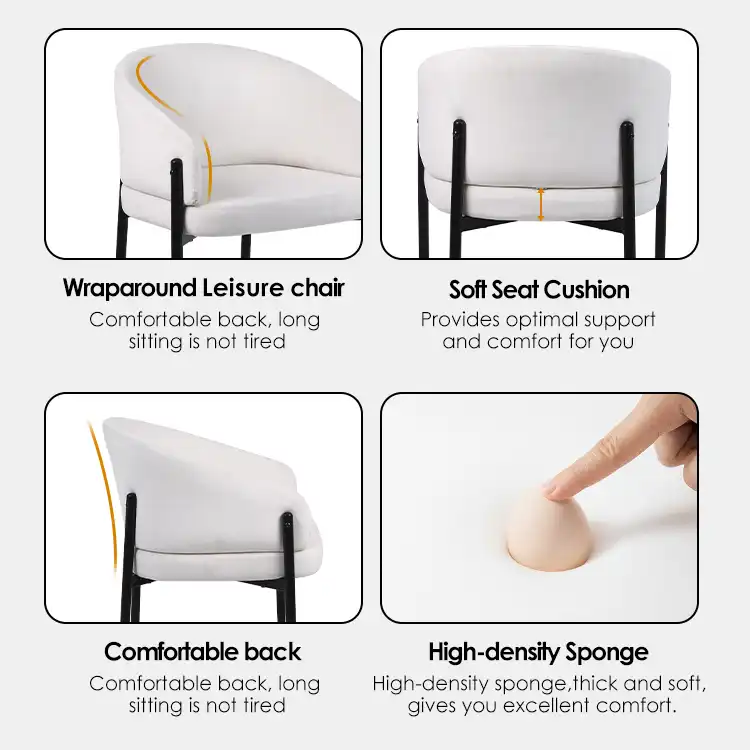
Investing in high-quality Upholstered Dining Chairs from the outset provides the best long-term value, as premium construction and materials dramatically extend usable lifespan while reducing the need for repairs or premature replacement. When evaluating potential purchases, examine construction details carefully—lift the chair to assess weight and stability, inspect frame materials and joinery methods, and evaluate fabric quality through touch and appearance. Manufacturers with extensive experience, such as those with 14 years specializing in chair production, bring refined expertise to every aspect of design and construction, resulting in products that balance aesthetic appeal with functional durability. Modern Upholstered Curved Dining Chair designs exemplify how contemporary engineering enhances traditional chair concepts through ergonomic shaping that provides superior lumbar support and comfort during extended sitting. The curved backrest design naturally conforms to the human spine, reducing fatigue and discomfort that can make lower-quality chairs unpleasant after just 20-30 minutes of use. This ergonomic consideration, combined with substantial cushioning and proper seat height, transforms dining chairs from merely functional pieces into comfortable seating that encourages lingering conversation and extended meal enjoyment. The contemporary design aesthetic featuring diamond patterns and luxurious velvet upholstery creates visual impact while maintaining the practical durability necessary for daily use.
-
Choosing Between Different Upholstery Styles
Fully upholstered chairs provide maximum comfort and visual softness but require more maintenance than partially upholstered alternatives. All-upholstered dining chairs typically last 10-15 years, while dining chairs with just upholstered seats can last 10-20 years, partly because the reduced fabric area means less material exposed to wear and potential damage. Fully upholstered designs work beautifully in formal dining rooms or spaces where comfort takes priority, while partially upholstered chairs suit active households where cleaning concerns outweigh the desire for complete softness. The Modern Upholstered Curved Dining Chair strikes an effective balance, featuring strategic upholstery placement that maximizes comfort where contact occurs while exposing durable structural elements. Mixed-material designs incorporate both upholstered and non-upholstered elements, offering practical advantages for many households. The exposed metal frame in contemporary designs requires only occasional wiping to maintain its appearance, while the upholstered portions provide comfort where needed most. This approach concentrates maintenance efforts on smaller upholstered areas while the frame contributes visual interest through its finish and form. Additionally, some manufacturers offer removable, washable covers that simplify maintenance dramatically, though these options may compromise the tailored appearance that permanent upholstery provides. Consider your household's specific needs, maintenance preferences, and aesthetic priorities when selecting among these various upholstery approaches.
-
The Role of Manufacturer Expertise and Quality Standards
Selecting Upholstered Dining Chairs from established manufacturers with proven track records significantly increases the likelihood of receiving products that meet or exceed expected lifespans. Companies specializing in chair production, particularly those operating for over a decade, have refined their designs through continuous feedback and improvement, eliminating weak points that caused premature failure in earlier models. These experienced manufacturers understand how chairs actually perform in real-world conditions rather than just laboratory testing, resulting in practical durability that withstands the specific stresses dining chairs encounter daily. Quality certifications and compliance with international standards provide additional assurance of durability and safety. BIFMA certification, for instance, indicates that chairs have undergone rigorous testing for structural performance, stability, and durability under standardized conditions that simulate years of normal use. ISO 9001 certification demonstrates that the manufacturer maintains consistent quality management systems ensuring every chair meets established specifications. These certifications cost manufacturers significant time and money to achieve, but they provide consumers with objective third-party verification of quality rather than relying solely on manufacturer claims. When comparing options, prioritize manufacturers who invest in certification and testing, as this commitment to quality typically extends throughout their entire operation.
Understanding Reupholstering as an Alternative to Replacement
Reupholstering existing Upholstered Dining Chairs presents a viable alternative to complete replacement when frames remain structurally sound but fabric has deteriorated beyond acceptable appearance or function. Reupholstery provides an excellent way to refresh furniture or update older pieces while keeping their original quality intact. Professional reupholstering typically costs 40-60% of new chair prices, making it economically attractive for high-quality pieces whose frames justify the investment. The process involves stripping existing fabric and padding, repairing any minor frame issues, installing new cushioning if necessary, and applying fresh upholstery fabric selected to meet your current preferences and needs. However, reupholstering makes sense only when the underlying chair merits the investment. Chairs with solid wood or quality metal frames, proper joinery, and good original construction justify reupholstering, while budget chairs with particle board frames or weak construction should simply be replaced. Additionally, consider whether the chair's style remains appropriate for your space—updating fabric cannot change fundamental design elements, so chairs whose form no longer suits your aesthetic should be replaced rather than reupholstered. For cherished pieces with sentimental value or exceptional original construction, reupholstering preserves these qualities while updating appearance for contemporary use.
Conclusion
Quality Upholstered Dining Chairs last 10-15 years on average, with premium construction extending this to 15-25+ years through superior materials and design. Understanding the factors that determine longevity—frame construction, fabric selection, usage patterns, and maintenance practices—empowers you to make informed purchasing decisions and properly care for your investment. By selecting well-constructed chairs from experienced manufacturers and maintaining them appropriately, you ensure your dining area remains comfortable, attractive, and functional for many years to come.
Cooperate with Anji Yibo Furniture Co., Ltd.
As a China Upholstered Dining Chairs manufacturer with 14 years of specialized expertise, Anji Yibo Furniture Co., Ltd. delivers exceptional Modern Upholstered Curved Dining Chairs that combine ergonomic comfort with enduring quality. Located in Anji, Zhejiang—the hometown of chairs—our 6,000+ square meter facility employs skilled craftsmen and advanced equipment to produce High Quality Upholstered Dining Chairs exported to 70 countries worldwide. We support OEM and ODM customization through our professional R&D team, offering competitive China Upholstered Dining Chairs wholesale pricing and space-saving packaging that demonstrates our responsibility to customers. Our China Upholstered Dining Chairs supplier services include comprehensive warranties, experienced sales support providing answers within 24 hours, and Upholstered Dining Chairs for sale at attractive Upholstered Dining Chairs price points that deliver fantastic value without compromising quality. Contact us at yb@ajyibo.com to discuss your requirements and discover why businesses worldwide trust our China Upholstered Dining Chairs factory for their seating solutions.
References
1. Campbell, M. "Furniture Construction and Longevity: A Professional's Perspective." Interior Design Quarterly.
2. Patterson, R. "Upholstery Materials and Their Performance Characteristics." Furniture Manufacturing Today.
3. Thompson, J. "The Economics of Furniture Replacement versus Restoration." Home Furnishings Review.
4. Wilson, S. "Quality Standards in Contemporary Chair Manufacturing." International Furniture Association Journal.