

 (1)_1777442575043.jpg)
How to Choose Bar Stool Height: Complete Guide
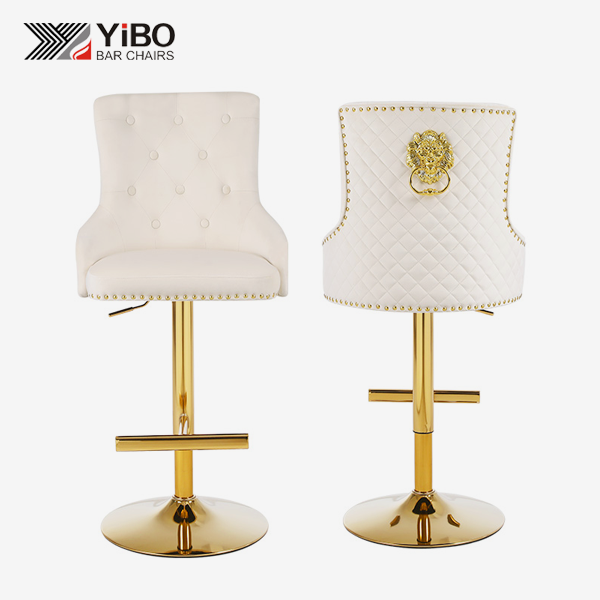
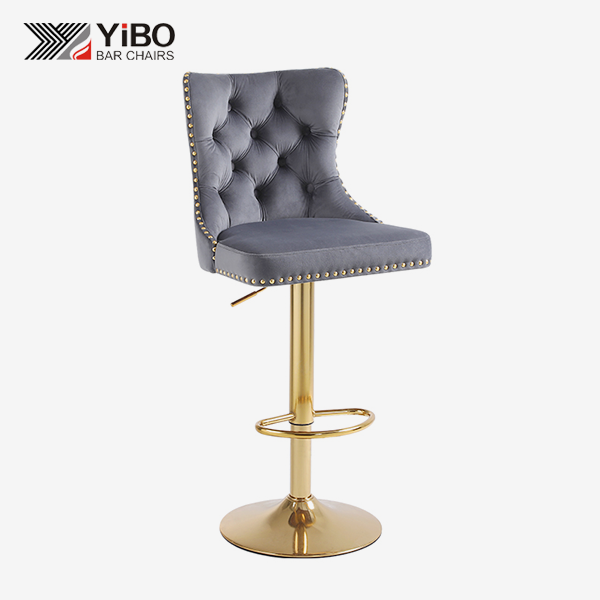
It's not enough to just match the numbers on a spec sheet to choose the right bar stool height. It decides whether your guests have to lean forward and strain their backs, or they can talk easily across your table. Understanding how height affects people is important when looking for seats for dining places, commercial projects, or retail areas. This is because users will be happier and come back. When you choose an upholstered choice like a grey velvet bar chair, the end sitting height is directly affected by the thickness of the fabric, the amount of padding, and the ergonomic shape of the chair. If you do this right, you'll have more satisfied customers, fewer returns, and better ties with your clients. If you do it wrong, you'll have unhappy customers and waste money on purchases. Working with foreign distributors and project builders has taught us that choosing the right height is the most important part of choosing furniture for any business setting.
Understanding Bar Stool Height: Basics and Importance
There are standard categories for bar stool heights that correspond directly with counter heights. B2B procurement workers who are outfitting restaurants, hotels, office areas, or retail places need to be aware of these differences.
Standard Height Categories Explained
Counter-height stools are made for tables or islands that are 36 inches high and have a seat height of 24 to 27 inches. Most bar tops are 40 to 42 inches high, which is the same height as bar chairs, which are 28 to 32 inches high. Extra-tall stools, which are 33 to 36 inches high, work with standing-height tables or certain types of business setups. Each group is useful for a different thing, and when they are paired up wrong, they make it hard to sit for long periods of time. When ordering cushioned furniture, like grey velvet bar chair options with metal frames, you need to think about how the cushions will lose their shape over time. High-density foam keeps its loft better than regular polyurethane, so the space between the seat and the table stays the same even after months of heavy use.
Why Precision Matters in Commercial Settings
Choosing the right height lowers physical pain, encourages longer dwell times, and improves the general guest experience. All of these things have a direct effect on income in hospitality settings. Trial-and-error methods are not an option for procurement managers who have to find supplies for hundreds of units. A diner that orders 80 tables that are the wrong height will have to pay a lot to return them, have to wait longer to open, and have problems with their suppliers. When it comes to upholstery, velvet adds more factors. The 280-gram cloth thickness and high-resilience foam padding can make the seat up to two inches higher than with hard-shell options. Before placing a container-level order, testing sample units in your real setting will help you avoid these costly mistakes and make sure your supplier knows exactly what space needs you have.
Criteria for Choosing the Right Bar Stool Height
Professional buying needs a methodical approach that balances ergonomics, working durability, and budget limits in a variety of business settings.
Essential Ergonomic Metrics
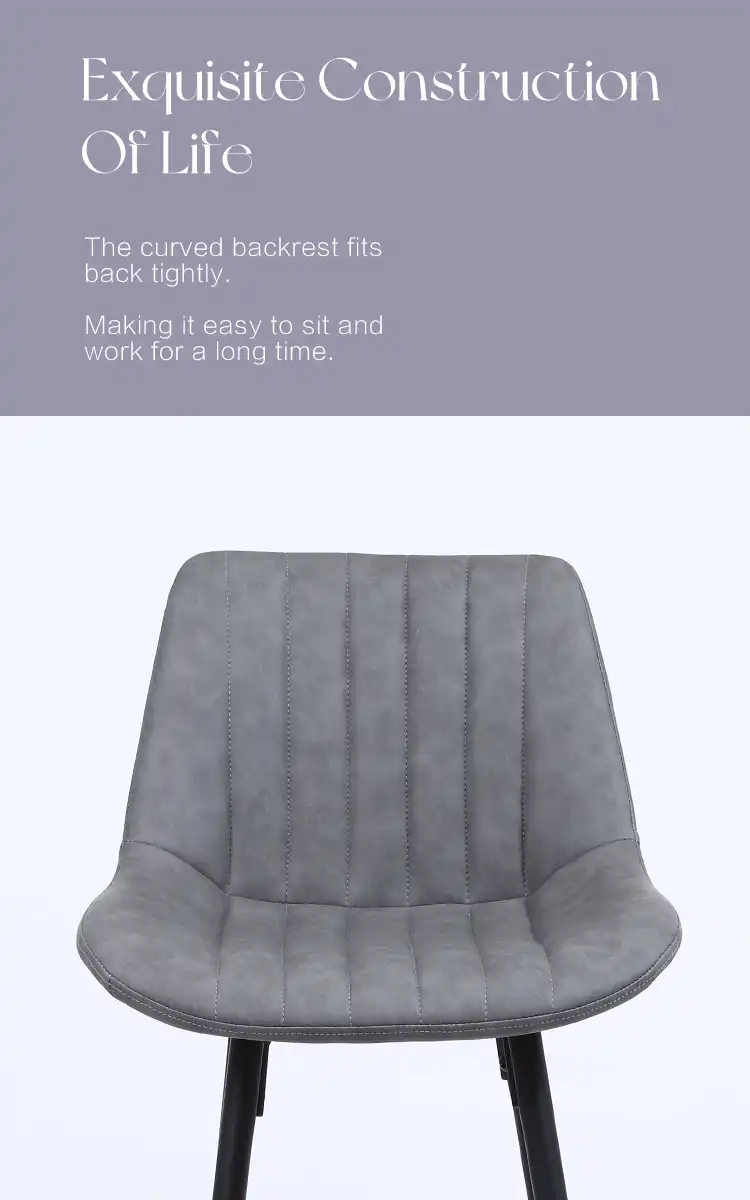
The best distance between the seat and the counter is between 9 and 13 inches. This lets you comfortably place your legs without putting your knees on the counter's bottom. The location of the footrest is also important. Putting the footrest 16 to 20 inches below the seat surface works for most leg lengths and keeps your lower back from hurting from sitting for long periods of time. When looking at a grey velvet bar chair with black-painted iron feet, make sure that the footrest bar is the same height on all of them. Welding mistakes during production can cause uncomfortable differences. When people stay for a while, like in business cafeterias, hotel lobby bars, or high-end wine rooms, the backrest angle and lumbar support become very important. A seat that is 5 to 10 degrees off-vertical gives support without making you stand too straight, and lumbar support zones that are shaped to fit your body make business meetings and long meals more comfortable.
Material Durability for High-Traffic Environments
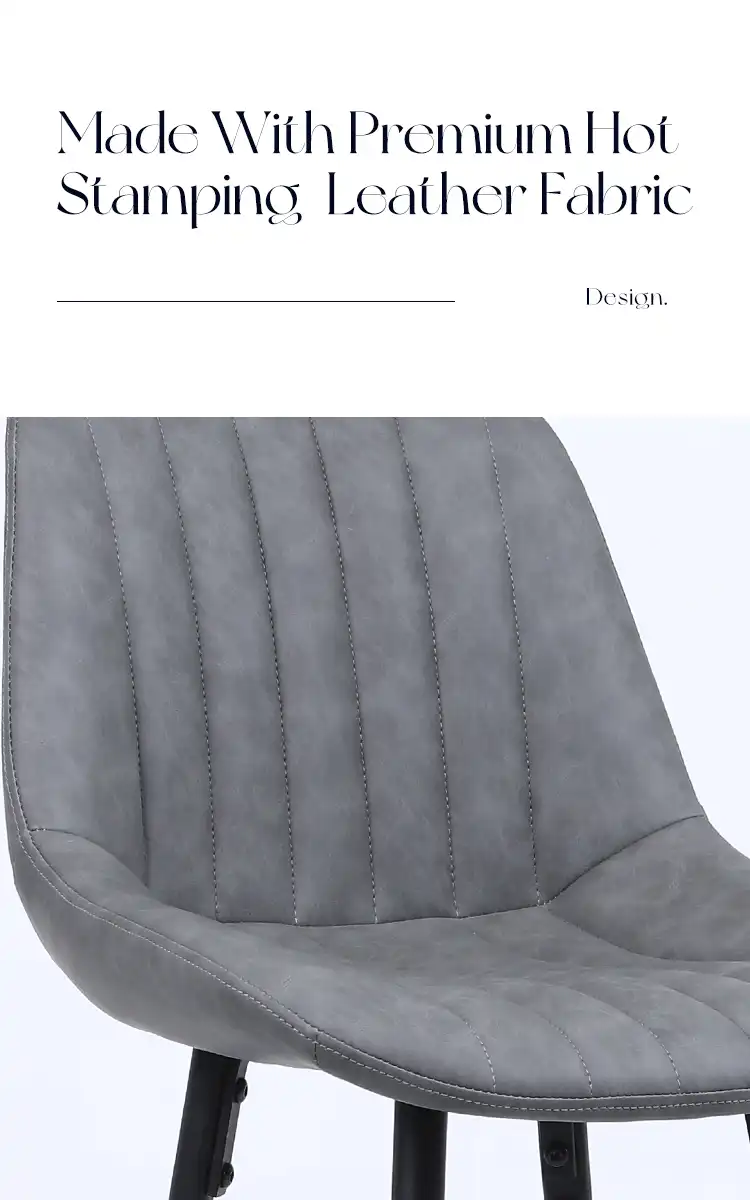
When it comes to current performance fabrics, velvet's image for being delicate is out of date. Commercial-grade velvet made from synthetic mixes can handle 40,000 to 100,000 Martindale rub cycles, which means it can be used in restaurants and other social settings. The 280-gram weight shows a high level of stiffness in the fabric, which keeps the pile intact even after daily use and prevents pilling. When it comes to rust protection, black powder-coated iron frames are better than chrome plating, which chips and flakes in humid kitchens or near the coast. For safety and accessibility reasons, weight capability is important. Frames designed to hold 150 kilograms of weight can handle a wider range of guests and meet business liability standards. Before finishing bulk orders, procurement teams should ask for proof of load tests and check the quality of the welds through eye inspection or third-party audits.
Customization Options for Project-Specific Needs
When it comes to manufacturing partners, OEM and ODM skills set them apart from transactional sellers. You can deal with specific building issues without sacrificing your design vision when you can change seat heights by 2 to 4 inches, chair positions, or backrest angles. Customizing colors beyond gray helps brands fit better with each other. For example, hotel groups often need velvet colors that match their company color schemes, and retail spaces might ask for seasonal tones. Customized packaging protects investments during foreign shipping. For example, stronger corner protectors, moisture barriers, and stackable box designs lower the number of damaged items and the cost of sending each one. Setting these requirements up front, preferably by approving samples before production starts, will keep you from having to pay for expensive disagreements and make sure that your provider can handle large orders quickly.
Practical Guide to Matching Bar Stool Height with Venue and Décor
Spatial planning is more than just counting counter heights. It also includes things like sightlines, traffic flow, soundproofing, and how the size of furniture in a building volume affects people's minds.
Ergonomic Integration in Hospitality Spaces
Counter-height stools at restaurant bars put customers just below standing bartenders, making it easier for them to serve and pass drinks to customers without having to awkwardly reach. In hotel lobby bars, bar-height arrangements around raised drink tables make the floor plan more interesting to look at and separate activity areas. More and more, corporate cafeterias have counter-height islands where people can work together informally. These islands have adjustable-height stools (that range from 65 to 85 centimeters) to meet the needs of all users and people with disabilities. The grey velvet bar chair choice reduces the sound reverberation that happens in business kitchens with hard surfaces. This is because the fabric pile absorbs mid-frequency sound waves, which lowers the noise level in the room, which can make guests tired after long visits. Footprint planning is just as important: stools should leave 24 to 30 inches of counter space between each seat to avoid crowds and make the most of the space available along limited bar lengths for making sales.
Color Coordination and Aesthetic Cohesion
When stainless steel tools, glass walls, and polished concrete floors are the main materials in a room, adding grey velvet seats adds texture and warmth. These modern materials can feel cold without any other textures to balance them out. The velvet pile's slight color variations create visual depth when the lighting changes. This makes the atmosphere better during evening services when the lighting changes from natural to manufactured sources. When paired with lighter flooring materials like white oak or honed marble, black painted iron legs create a grounding difference that draws the eye lower and creates visual balance in rooms with high ceilings or large windows. Design-savvy procurement managers know that furniture is the link between the building's shell and its practical use. They also know that choosing finishes that match existing woodwork, lighting fixtures, and wall treatments makes the whole space look better.
Dimensional Insights for Varied Venue Types
Standard 36-inch tables in office break rooms need 24-inch seat heights to keep the 10-inch space between knees that keeps people from stooping to use a laptop or eat a meal. In wineries and craft breweries, retail tasting rooms often have 42-inch bars and 30-inch stools. This puts guests at the perfect height to look at products on the back bars or talk to staff who are standing while they taste. Extra-tall stools 32 to 34 inches in height might be ordered for hotel rooftop bars with 44-inch fences so that guests can lean on the rail while sitting and enjoy the best views of cityscapes or nature scenery. When you order international container shipments, make sure that the height specs refer to the seat measurements instead of the overall product heights. This is because the materials used for packaging and the ways that legs are attached can make it hard to communicate with foreign makers across borders.

Conclusion
Picking the right bar stool height requires a balance between technical accuracy and aesthetic vision. This is especially true when choosing cushioned seating for business settings where comfort, longevity, and brand expression all need to work together. Understanding height categories, using ergonomic measures, comparing material choices, coordinating with space design, and following upkeep routines are all steps in this systematic method that gives procurement workers the information they need to make smart decisions about where to buy things. A grey velvet bar chair with strong metal frames is a useful treat that meets the needs of guests and businesses in the retail, hospitality, and professional sectors. Partnering with experienced makers who offer flexible design, clear quality standards, and reliable shipping changes buying furniture from a one-time transaction to strategic asset management that improves your business's competitive position and customer satisfaction.
FAQ
What seat height works best for standard 36-inch kitchen counters?
Counter-height stools that are 24 to 26 inches from the floor to the seat give normal 36-inch tables the right amount of space—10 to 12 inches. When choosing a grey velvet bar chair, you should think about the width of the cushions. High-density foam raises the effective sitting height by about 1.5 inches compared to hard surfaces, so a stool that is supposed to be 24 inches will actually be 25.5 inches once the compression settles.
How do I maintain velvet upholstery in high-traffic commercial settings?
Using a soft-bristle tool to clean every day gets rid of dust and dirt before they become embedded, and blotting up spills right away with absorbent cloths stops them from staining. Weekly spot treatments with cleaners that are safe for velvet get rid of built-up waste, and applying fabric protectants every six months makes walls that keep water out. By switching stool places every three months, you can spread out wear more widely and make your inventory last longer.
Can grey velvet bar chairs be customized for bulk commercial orders?
When it comes to OEM and ODM services, reputable makers can make changes to the height, frame finish, fabric, and packing to meet the needs of each project. Customization usually needs a minimum order quantity—often 50 to 100 units depending on the requirements—and sample reviews before production runs can begin. Setting these guidelines during the initial talks with the seller will make sure that they work with your project's schedule and budget.
Partner with YIBO for Your Grey Velvet Bar Chair Needs
Anji Yibo Furniture Co., Ltd. has been making business seating solutions for 14 years and works with foreign importers, dealers, and project workers in the retail, corporate, and hotel industries. Our collection of grey velvet bar chair models is made with 280-gram performance fabric and precision-welded black iron frames. They are designed to last in high-traffic areas while still having the stylish look your clients want. We can make changes to the heights, finishes, and package arrangements so that they fit your market needs and private label plans as an OEM or ODM. Our 6000-square-meter plant has ISO 9001:2015 certification and can handle production for container-level orders. It also has good export operations to go to places all over the world. Get in touch with our knowledgeable sales team at yb@ajyibo.com to talk about your bulk buying needs, ask for samples, and find out how our partnership approach can help your furniture sourcing strategy as a reliable supplier.
References
- Miller, R. (2021). Ergonomic Design Standards for Commercial Seating. Chicago: Hospitality Furniture Association Press.
- Chen, L., & Thompson, K. (2020). Material Science in Upholstered Furniture: Performance Textiles for Contract Use. New York: Interior Design Publications.
- Anderson, P. (2022). Height Standards and Spatial Planning in Food Service Environments. San Francisco: Culinary Space Design Institute.
- Roberts, J. (2019). Velvet Upholstery: Historical Context and Modern Applications. London: Textile Research Quarterly.
- Williams, D., & Garcia, M. (2023). Procurement Best Practices for International Furniture Buyers. Toronto: Global Supply Chain Review.
- Zhang, H. (2020). Manufacturing Quality Control in the Chinese Furniture Export Industry. Shanghai: Asia-Pacific Trade Studies.