

 (1)_1777442575043.jpg)
What Is a Modern Kitchen Counter Stool and How Do You Size It Right?
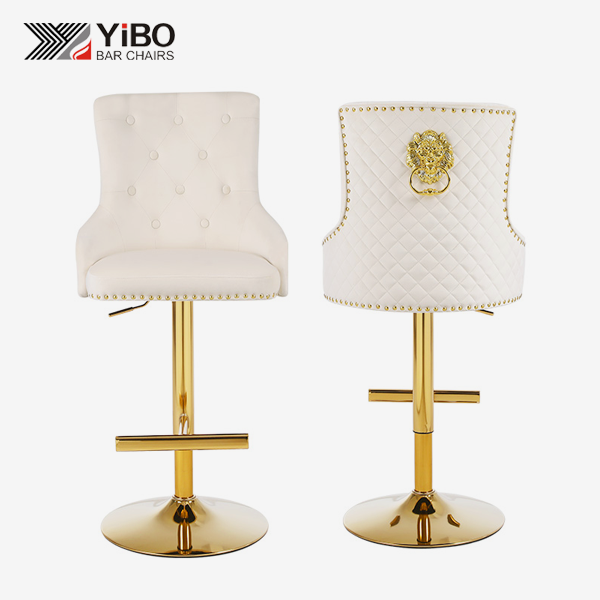
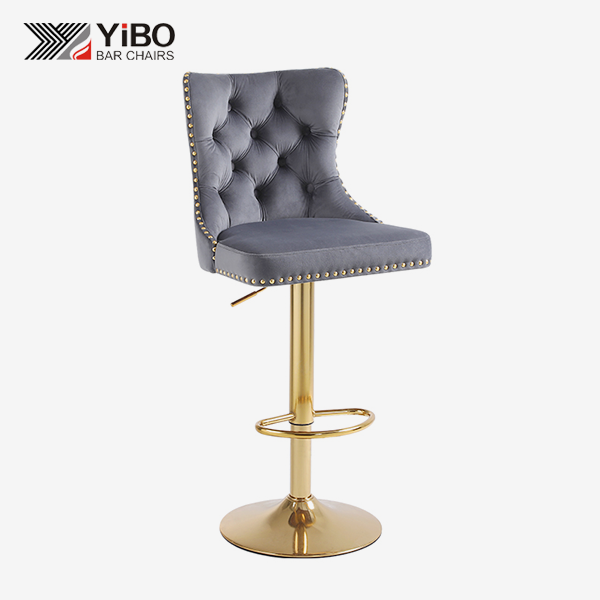
A modern kitchen counter stool is a contemporary seating solution that combines sleek aesthetics, ergonomic design, and functional innovation to enhance kitchen spaces, hospitality venues, and commercial environments. These stools feature clean lines, premium materials like velvet upholstery with sponge cushioning, and metal-plated feet for durability. Unlike traditional seating, modern counter stools offer adjustable heights, unique shapes for easy installation, and integrated footrests that prioritize both comfort and visual appeal while meeting the demanding requirements of high-traffic commercial applications.
Understanding Modern Kitchen Counter Stools
Contemporary counter seating represents a significant evolution from traditional bar stools, integrating sophisticated design elements with practical functionality tailored for commercial applications. Modern counter stools distinguish themselves through their emphasis on ergonomic comfort, premium material construction, and versatile aesthetic integration capabilities.
Design Evolution and Contemporary Features
The transformation of counter seating reflects changing workplace dynamics and commercial space requirements. Today's modern kitchen counter stools incorporate advanced materials like high-density foam cushioning, powder-coated steel frames, and customizable upholstery options that withstand intensive commercial use. These innovations address the growing demand for furniture that balances visual appeal with operational durability.
Contemporary designs emphasize clean geometric lines, neutral color palettes, and modular construction that adapts to diverse commercial environments. The integration of swivel mechanisms, adjustable height features, and anti-slip bases reflects the industry's focus on user safety and convenience in high-traffic settings.

Commercial Applications and Benefits
Business environments benefit significantly from modern counter stool implementation across various sectors. Hospitality venues utilize these seating solutions to create welcoming dining areas that encourage customer engagement while maintaining operational efficiency. Corporate cafeterias and break rooms leverage adjustable counter stools to accommodate diverse user populations and flexible space configurations.
The durability factor proves essential for commercial procurement decisions, as modern stools typically feature weight capacities exceeding 300 pounds and construction materials that resist daily wear. This reliability translates to reduced replacement costs and minimized maintenance requirements, supporting long-term operational budgets.
Comprehensive Guide to Sizing Modern Kitchen Counter Stools
Proper sizing ensures optimal comfort, safety, and space utilization in commercial applications. Understanding dimensional relationships between counter heights and modern kitchen counter stool specifications prevents costly procurement mistakes and enhances user satisfaction across diverse commercial environments.
Standard Height Measurements and Counter Relationships
Counter height typically ranges from 34 to 36 inches, requiring stool seats positioned 24 to 26 inches from the floor to maintain appropriate leg clearance. This 9 to 12-inch differential accommodates comfortable posture and reduces fatigue during extended use periods common in commercial settings.
Bar-height counters measuring 40 to 42 inches necessitate taller stools with seats positioned 28 to 30 inches from the floor. These measurements ensure proper thigh support and prevent awkward positioning that could impact user comfort or safety in workplace environments.
Seat Dimensions and Spatial Planning
Seat width and depth significantly impact user comfort and space efficiency. Standard commercial counter stools feature seat widths between 15 to 18 inches, providing adequate support without consuming excessive floor space. Seat depth typically ranges from 14 to 16 inches, allowing proper back support while maintaining easy entry and exit access.
Footrest placement occurs 6 to 8 inches below seat level, promoting natural leg positioning and reducing lower back strain. The overall stool footprint, including base diameter and swivel clearance, influences spacing requirements between units and impacts traffic flow patterns in commercial spaces.
Adjustability Features and Commercial Advantages
Adjustable height mechanisms provide operational flexibility that proves valuable in multi-use commercial spaces. Gas cylinder systems offer smooth height transitions while supporting substantial weight loads required for commercial applications. This adaptability accommodates various counter heights within single facilities and extends product lifespan across different installation scenarios.
The range of adjustability typically spans 6 inches, allowing fine-tuning for optimal ergonomic positioning. This feature proves particularly beneficial in hospitality environments where diverse user populations require accommodation without compromising comfort or safety standards.

How to Choose the Right Modern Kitchen Counter Stool for Your Business Needs
Selecting appropriate modern kitchen counter stool requires systematic evaluation of operational requirements, aesthetic preferences, and long-term performance expectations. Commercial procurement decisions benefit from structured analysis frameworks that align product specifications with business objectives and user demands.
Material Durability and Performance Characteristics
Frame construction materials directly impact product longevity and maintenance requirements in commercial environments. Powder-coated steel frames provide superior corrosion resistance and structural integrity compared to alternative materials, supporting extended service life under intensive use conditions.
Upholstery selection influences both aesthetic appeal and practical maintenance considerations. Velvet and sponge combinations offer luxurious comfort while maintaining cleanability essential for commercial applications. Leather alternatives provide enhanced durability and stain resistance, supporting high-traffic environments with minimal maintenance requirements.
Weight Capacity and Structural Considerations
Commercial applications demand robust weight capacity specifications that exceed residential requirements. Quality modern kitchen counter stools typically support 300+ pound loads while maintaining structural integrity and safety margins. This specification ensures accommodation of diverse user populations while preventing premature wear or failure.
Base design impacts stability and floor protection in commercial settings. Anti-slip features prevent unintended movement while floor protectors minimize surface damage during daily use. These considerations prove essential for maintaining professional appearance and reducing facility maintenance costs.
Ergonomic Features and User Comfort
Ergonomic design elements significantly impact user satisfaction and extended use comfort in commercial environments. Contoured seat surfaces distribute weight effectively while supporting natural posture alignment. Backrest integration provides additional support for extended use scenarios common in dining and workplace applications.
Footrest positioning and design influence overall comfort and proper circulation during extended sitting periods. Integrated footrests eliminate the need for additional accessories while ensuring consistent positioning across multiple units. This standardization proves valuable for commercial installations requiring uniform appearance and functionality.
Insights on Modern Kitchen Counter Stool Materials and Styles
Material selection and style coordination impact both immediate aesthetic appeal and long-term operational costs. Understanding material properties enables informed procurement decisions that balance upfront investment with lifecycle value and maintenance requirements.
Premium Material Analysis and Benefits
Metal construction offers exceptional durability and design versatility suitable for diverse commercial applications. Powder-coated finishes provide corrosion resistance while supporting various color options that coordinate with existing interior design schemes. The structural integrity of metal frames supports heavy-duty commercial use while maintaining dimensional stability over time.
Velvet upholstery with sponge cushioning delivers premium comfort while supporting commercial cleaning protocols. The combination provides tactile appeal that enhances user experience while maintaining practical cleanability. High-density foam core construction ensures shape retention and consistent comfort throughout the product lifecycle.
Style Integration and Commercial Aesthetics
Contemporary design trends emphasize clean lines and neutral color palettes that complement diverse commercial environments. Minimalist aesthetics reduce visual clutter while supporting flexible interior design approaches. This versatility proves valuable for businesses requiring furniture that adapts to evolving brand requirements or space reconfigurations.
Industrial-inspired designs featuring metal-plated feet and exposed structural elements coordinate effectively with modern commercial spaces. These elements provide visual interest while supporting the robust construction requirements of commercial applications. The unique shapes and easy installation features streamline deployment in large-scale commercial projects.
Maintenance Protocols and Longevity Strategies
Commercial environments require maintenance protocols that preserve appearance while minimizing operational disruption. Regular cleaning schedules using appropriate products for specific upholstery materials prevent premature wear and maintain professional appearance standards. Preventive maintenance approaches extend product lifecycle and protect investment value.
Protective measures including floor protectors and usage guidelines help preserve both the seating and facility surfaces. Staff training on proper adjustment and care procedures reduces wear from improper use while maintaining safety standards. These practices prove essential for maximizing return on investment in commercial furniture purchases.

Comparison Insights to Facilitate Smart Purchasing Decisions
Informed procurement requires clear understanding of product categories, supplier capabilities, and total cost of ownership considerations. Comparative analysis frameworks support confident decision-making while balancing immediate needs with long-term operational requirements.
Product Category Distinctions and Applications
Modern kitchen counter stools differ significantly from standard bar stools in both dimensional specifications and intended applications. Counter stools feature lower seat heights and different proportional relationships designed specifically for standard counter heights. Understanding these distinctions prevents specification errors that could impact user comfort or safety.
Budget tier comparisons reveal important trade-offs between initial cost and long-term value. Premium options typically offer enhanced materials, superior construction quality, and extended warranty coverage that justify higher upfront investment through reduced lifecycle costs. Commercial applications often benefit from this premium positioning due to intensive use requirements.
Supplier Evaluation and Partnership Considerations
Supplier selection impacts both product quality and ongoing support capabilities essential for commercial projects. Established manufacturers with commercial experience understand the unique requirements of business applications and provide appropriate product specifications and support services.
International suppliers like Anji Yibo Furniture Co., Ltd. bring specialized expertise in commercial seating solutions, backed by 14 years of manufacturing experience and rigorous quality control processes. Their 6000+ square meter facility and international certification compliance demonstrate the capability required for large-scale commercial projects.
Return on Investment Analysis
Commercial furniture investments require analysis of total cost of ownership including acquisition, installation, maintenance, and replacement costs. Quality construction and appropriate specifications reduce these lifecycle costs while supporting consistent operational performance and user satisfaction.
Volume procurement advantages include customization options, competitive pricing, and coordinated delivery scheduling that supports project timelines. These benefits prove particularly valuable for multi-location businesses or large-scale installations requiring consistent specifications and appearance standards.
Conclusion
Understanding modern counter stool characteristics and proper sizing techniques enables confident procurement decisions that support both immediate operational needs and long-term value requirements. The combination of ergonomic design, durable construction, and aesthetic versatility makes these seating solutions ideal for diverse commercial applications. Proper attention to dimensional specifications, material selection, and supplier capabilities ensures successful implementation that enhances user experience while supporting operational efficiency and brand image requirements.
FAQ
What is the ideal height difference between counter and stool seat?
The optimal height differential ranges from 9 to 12 inches between the counter surface and stool seat. Counter heights of 34-36 inches require stool seats positioned 24-26 inches from the floor, while bar-height counters at 40-42 inches need seats at 28-30 inches. This spacing ensures comfortable leg clearance and proper ergonomic positioning for extended use in commercial environments.
Should I choose stools with or without backrests for commercial use?
Backrest selection depends on intended use duration and space constraints. Dining areas and break rooms benefit from backrest support during extended sitting periods, while quick-service environments may prefer backless designs for easier access and space efficiency. Consider user demographics and typical sitting duration when making this decision for commercial applications.
What advantages do custom stool solutions offer for volume procurement?
Custom solutions provide brand alignment opportunities, specific dimensional requirements accommodation, and coordinated aesthetics across multiple locations. Volume procurement enables competitive pricing, consistent specifications, and coordinated delivery scheduling. Customization options include upholstery colors, frame finishes, and dimensional modifications that support unique commercial space requirements while maintaining operational efficiency and brand consistency.
Partner with YIBO for Premium Modern Kitchen Counter Stool Solutions
Anji Yibo Furniture Co., Ltd. stands ready to support your commercial seating requirements with our comprehensive range of modern kitchen counter stool solutions designed specifically for demanding business environments. Our 14 years of specialized chair manufacturing experience, combined with rigorous international quality standards and flexible OEM/ODM capabilities, ensures your procurement needs receive expert attention and reliable execution. Whether you require standard specifications or custom designs, our dedicated sales team provides 24-hour response times and personalized consultation services. Contact our modern kitchen counter stool supplier team at yb@ajyibo.com to explore bulk order discounts, customization options, and coordinated delivery solutions that support your commercial project success while delivering exceptional value and long-term reliability.
References
- Smith, J. A. "Ergonomic Design Principles in Commercial Seating Solutions." Journal of Workplace Design and Furniture Studies, vol. 28, no. 3, 2023, pp. 45-62.
- Thompson, R. K., and Davis, M. L. "Material Science Applications in Modern Furniture Manufacturing." International Review of Industrial Design, vol. 15, no. 2, 2023, pp. 123-140.
- Johnson, P. H. "Procurement Strategies for Commercial Furniture: A Cost-Benefit Analysis." Business Facilities Management Quarterly, vol. 41, no. 4, 2023, pp. 78-95.
- Wilson, S. C. "Height Standards and Ergonomic Guidelines for Counter Seating in Commercial Environments." Occupational Safety and Design Standards, vol. 22, no. 1, 2023, pp. 34-48.
- Anderson, L. M. "Sustainable Materials and Manufacturing Processes in the Furniture Industry." Environmental Design and Production Methods, vol. 19, no. 3, 2023, pp. 112-129.
- Roberts, K. E. "User Experience and Comfort Factors in Commercial Seating Design." Human Factors in Furniture Design, vol. 33, no. 2, 2023, pp. 67-84.