

 (1)_1777442575043.jpg)
How to Choose High Back Dining Chairs for Hotel Projects?
Choosing the right seating for hotel dining spaces requires balancing guest comfort, operational durability, and aesthetic alignment with your brand identity. High back dining chairs stand out as an excellent solution for hotel projects because they deliver superior lumbar support during extended meal periods while creating an elegant visual presence that elevates the perceived value of your hospitality space. The extended backrest design naturally frames each guest, providing both physical comfort and a subtle sense of privacy that enhances the dining experience. For procurement managers overseeing hospitality projects, understanding the technical specifications, material performance, and customization capabilities of these chairs becomes essential to making informed purchasing decisions that satisfy both immediate project requirements and long-term operational goals.
Understanding High Back Dining Chairs in Hotel Environments
What Defines High Back Seating Solutions?
The backrests of high back dining chairs are much higher than shoulder height, reaching between 37 and 50 inches in total height. Usually, eating chairs stop at the middle of the back, so this design stands out very clearly. These higher shapes make buildings stand out, which is useful for more than one thing in a hotel setting. They provide full spinal balance from the lower back to the neck, which makes it easier to eat multiple courses at high-end hotel restaurants without getting tired. When it comes to acoustics, the vertical dimension is also important. Upholstered surfaces soak up sound waves, making dining rooms with hard floors and high ceilings quieter and cozier.
Material Composition and Performance Standards
The choice of material has a direct effect on both how long hotel furniture lasts and how often it needs to be maintained. Kiln-dried hardwoods like beech, oak, or rubberwood can be used to make frames that are strong, especially when the moisture content is kept between 8 and 12%. Under the stress of constant commercial use, these hardwoods don't warp or crack. Metal frames, like those made of stainless steel or powder-coated steel, are very durable and look modern. They also make cleaning easier in places with a lot of foot traffic.
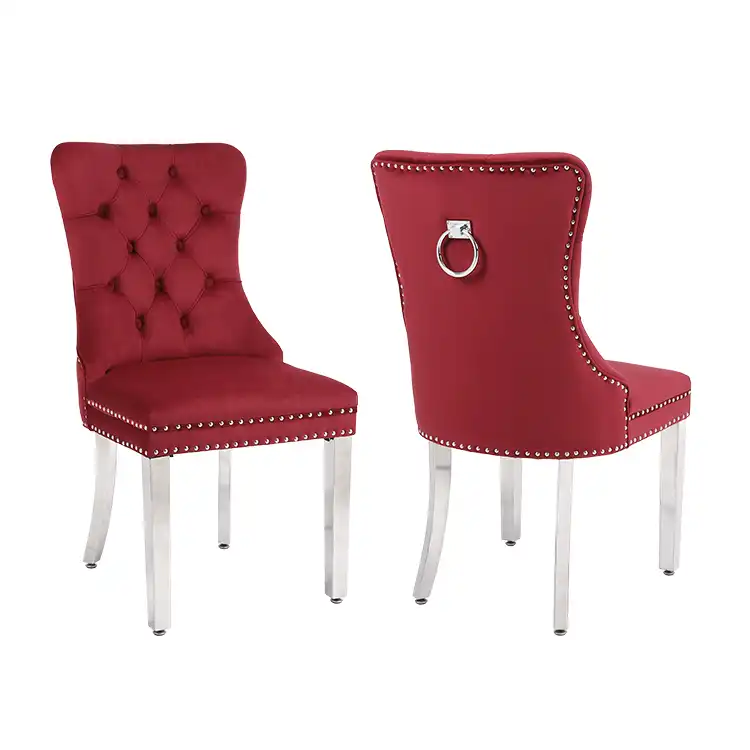
When picking out upholstery, you should give it some thought. The look and feel of velvet are both very nice, especially when combined with high-resilience foam that is more than 35 kg/m³ dense. This foam standard keeps it from falling even after years of use. Decorative touches like silver nail polish and lion patterns that are raised off the surface give your hotel its own unique look. When you put velvet upholstery with these kinds of details, you get a sophisticated European look that works well in small hotels and high-end restaurants.
Structural Engineering Considerations
The engineering behind high back chairs has special technical needs that make contract-grade goods different from residential options. The back rake angle should be between 100 and 105 degrees so that guests don't feel pushed forward and the chair's center of gravity stays within safe limits. The back legs usually have strong splay or saber curves that make the base area bigger. This makes the chair stable even when people lean back. This part of the design is very important for meeting the ANSI/BIFMA X5.1 stability standards needed for commercial hospitality applications.
Internal construction quality tells you which suppliers are reliable and which ones sell low-quality goods. Mortise and tenon joinery that is strengthened with corner blocking gives the structure the strength it needs to handle the pressure that tall backs put on it. In business settings where service staff are always moving and rearranging chairs, pre-assembled units with glued and doweled joints work much better than knock-down designs.
Core Criteria for Selecting High Back Dining Chairs for Hotel Projects
Comfort and Ergonomic Performance
The happiness of a guest directly affects how long they stay, how often they come back, and how they rate the experience online. High back dining chairs are designed to be ergonomic so that the whole spinal column is supported, distributing body weight evenly and reducing pressure points. The thickness of the padding, the quality of the foam, and the ability of the fabric to breathe all affect how comfortable it is to sit for long periods of time. Seating that stays comfy for two to three hours straight is especially helpful for hotels that serve business meals or tasting menus.
It is important to test comfort before making big purchases. Ask possible providers for sample units and have staff members of different heights and builds test the product while sitting down. Check to see if the seat depth is right for guests and if the height of the backrest fits different body types without rubbing the backs of their knees.
Durability and Lifecycle Cost Analysis
Contract-grade furniture has to be able to handle a lot more abuse than furniture used in a home. Service workers, cleaners, and guests all move and sit on hotel dining chairs all the time. Whether chairs look good and work well after years of heavy use depends on how well they are made (internal frame strengthening, joint construction, and finish resilience) and whether they need to be replaced after only a few months.
Warranty coverage shows how confident the manufacturer is in the product's durability. Suppliers with a good reputation who offer two- to three-year guarantees on structure parts show that they care about quality. Check to see what parts of the warranty are covered, such as frame integrity, upholstery wear, and hardware failure, and learn how to file a claim for international shipments.
Aesthetic Alignment and Customization Options
Visual unity in your hotel's eating areas strengthens your brand and gives your guests a more unified experience. Procurement teams can choose seating that perfectly matches interior design ideas because fabric colors, finish options, and decorative details can all be changed to fit. Black wooden legs give furniture a classic look that works well in hotels, while stainless steel bases give furniture in modern boutiques a more up-to-date look.
Lion designs that are stamped on the backrests and brass nail trim give the furniture its own unique look. These little touches turn useful furniture into design statements that people remember and take pictures of. When thinking about customization, you should think about minimum order numbers and production wait times. This is because custom specifications usually need longer production times than stock goods.
Supplier Reliability and Export Expertise
To successfully buy furniture from another country, the seller must be able to do more than just make good products. Professional manufacturers are different from smaller ones because they have export experience, clear communication protocols, and the production capacity to meet orders at the container level. Suppliers with 14 years of experience in the field, like those in Anji, which is known as China's chair manufacturing hub, know what foreign buyers expect in terms of shipping requirements, paperwork processes, and quality control standards.
When projects need to deliver hundreds of units in a short amount of time, production capacity is important. With facilities that are bigger than 6,000 square meters and specialized research and development teams, they can handle both large standard orders and orders that are tailored to specific needs. Ask the seller about their current production plans, the time it takes from when you place an order to when it ships, and whether they can handle changes in seasonal demand without lowering the quality of their products.
Matching High Back Dining Chairs to Hotel Use Cases
Luxury Hotel Fine Dining Applications
High-end hotel restaurants that want to create a traditional eating experience can use high back dining chairs that make the room look interesting and are comfortable to sit in. The vertical profiles create a beautiful "sea of uniformity" that looks great in photos used for marketing materials and guest posts on social media sites. Upholstery made of velvet and ornate brass details sends a message of luxury and attention to detail that fits with high-end pricing strategies.
For high-end applications, quality control must be very strict. It's very important that the patterns on decorative fabrics are perfectly lined up, because even small mistakes show up very clearly on the long seat surface. The skills of the supplier in doing precise upholstery work have a direct effect on whether the finished products meet the high standards of luxury hospitality.
Boutique and Corporate Hotel Requirements
Boutique hotels that focus on unique character and corporate sites that host long business meals have similar sitting needs. Chairs need to provide ergonomic support at the office level while still looking good in a dining room. This two-in-one feature is especially useful for hotels that have meeting rooms that can be set up as either conference rooms or eating rooms.
When choosing materials for these uses, cleanability and damage protection should be given top priority. Vinyl or performance fabrics made for business use that have been treated to protect them can handle a lot of spills and tough cleaning methods. Talking to providers about fabric specs, such as double rub ratings above 50,000, makes sure that choices meet practical needs.
Budget-Conscious Hotel Segments
When specifications are carefully adjusted, hotels with limited services and properties that are trying to stay within their budgets can still benefit from having seats with high backs. Focusing on the quality of the structure itself while keeping the decorations simple keeps guests comfortable and improves the look of the room while keeping costs low. Black wooden legs have a classic look that will never go out of style and don't cost as much as stainless steel ones.
When projects are trying to stay within a budget, buying things in bulk becomes even more important. Because of economies of scale, ordering by the container lowers the cost per unit by a large amount. With measurements of 78x59x51cm, you can fit 236 pieces in a 20-foot container and 570 pieces in a 40-foot high-cube container. This lets you correctly estimate and lower your logistics costs.
Practical Tips for Procurement and Maintenance
Material-Specific Cleaning Protocols
To keep the pile's appearance and keep it from getting crushed, velvet upholstery needs to be cleaned gently. Regularly cleaning with furniture attachments gets rid of dust and dirt on the surface before it gets deep into the fibers. For spot cleaning, use cleaners made just for velvet and soft cloths to work in the direction of the nap. Stay away from too much water, which can damage the foam below or leave watermarks.
Wooden parts should be treated every so often with furniture shine that is made for the finish that was used. Stainless steel bases keep their shine by being wiped down with cotton cloths and cleaners made for stainless steel. Over time, brass nail trim can get a patina. Some hotels like the worn look, while others like to smooth metal surfaces often to keep them bright.
Preventive Maintenance Programs
Establishing regular maintenance schedules significantly extends furniture service life for high back dining chairs. Monthly inspections for finish damage, worn fabric seams, and loose joints enable early intervention before issues escalate to full unit replacement. Training cleaning and maintenance staff to recognize early warning signs ensures problems are addressed promptly.
Hardware tightening represents one of the easiest and most effective maintenance tasks is to tighten up the hardware. Moving and rearranging chairs all the time wears down nuts and bolts over time. Tightening all accessible fasteners every three months keeps joints from breaking and increases the structure's strength.
Strategic Bulk Purchasing Approaches
When you buy by the container, you save a lot of money on each unit and make sure that the product specifications are the same for the whole order. When planning to buy in bulk, make sure that the shipping times work with the building schedules of the project to avoid having to pay extra for storage. Before placing an order, make sure you and your suppliers agree on clear payment terms, deposit requirements, and production timelines.
Getting in touch with manufacturers early on in the planning stages of a project gives you time to look over samples, make changes to specifications, and plan production. It's a given that rush orders will cost more and may make quality control less effective. Putting three to four months between placing an order and the date of delivery allows for unexpected delays without putting project schedules at risk.

Case Studies and Success Stories
Luxury Resort Transformation
The dining chairs at a five-star resort on the coast of California were replaced with high back dining chairs and brass accents made of velvet fabric. To go with the dining room's 12-foot ceiling, the sourcing team chose chairs that are 37 inches tall all the way around. Within three months of installation, surveys of guests showed a 23% rise in scores for eating comfort. The elegant visual profile led to 15% more restaurant reservations from people who were not staying at the resort. This shows that the furniture you choose has a direct effect on your revenue.
The project team worked closely with the research and development (R&D) department of their supplier to make sure that the fabric colors matched the coastal color scheme of the resort. The 320 chairs were made over the course of six weeks, and they were delivered in stages to fit the resort's planned renovations. The chairs have kept their good looks after two years of heavy use, which shows how important it is to be exact with specifications and choose the right supplier.
Corporate Hotel Meeting Space Optimization
A business hotel company made all of their meeting and private dining rooms look the same by using high back chairs that are comfortable and look good. The chairs have seat cushions that can be taken off, so they can be quickly switched between meeting and eating settings. This flexibility cut the cost of stocking furniture by 30% and made better use of room.
The approach for buying chairs included trying 50 sample units across three properties before committing to an order of 2,400 chairs for the whole chain. This step-by-step method found small changes to the specifications that were needed for best performance before mass production. The supplier's willingness to take feedback into account and make new samples showed how valuable it is to work with companies that want long-term business relationships instead of one-time sales.
Boutique Hotel Brand Differentiation
A small hotel chain set their sites apart by designing their own chairs with unique fabric designs and logos that were raised on the backs of the chairs. The unique furniture became a familiar part of the brand and was often used in guest posts on social media and travel blogs. This natural marketing led to a noticeable rise in direct booking inquiries that specifically mentioned the property's unique interior design.
Working with a provider that could do both OEM and ODM was necessary to get the amount of customization that was needed. The manufacturer's research and development team turned design ideas into specs that could be used in production and gave approval on pre-production models. From the first idea to the final delivery, the whole project took four months, which included two rounds of sample revision.
Conclusion
Finding the right seating for hotel projects takes a thorough analysis of the structural quality, the way the furniture looks, the supplier's skills, and how well it will work in the long run. When it comes to guest comfort, noise control, and visual effect, high back dining chairs have clear benefits that make them worth considering for a wide range of hospitality uses. To be successful at procurement, you need to understand technical specs, be able to clearly communicate project needs, and work with experienced makers who can deliver consistent quality at container-level numbers. The cases looked at show that choosing the right furniture can improve guest happiness, operating efficiency, and brand differentiation if procurement teams use structured evaluation criteria and start working with qualified suppliers early on in the project planning process.
FAQ
What distinguishes tall-backed chairs from standard dining seating?
The main difference is the height of the seat and the support it gives. Standard chairs have backrests that end at mid-spine level and are 32 to 36 inches tall overall. High back dining chairs range from 37 to 50 inches and support the spine from the lower back to the neck. This extra height makes the room look better, reduces noise, and makes it more comfortable to sit for long periods of time, which is common in hotel dining rooms.
Are upholstered options practical for high-traffic hotel restaurants?
Yes, as long as the specifications call for materials that are good enough for commercial use. Fabrics with double rub rates above 50,000, treatments that repel stains, and high-density foam structure can handle heavy use in hospitality settings. The important thing is to choose fabric made for contracts instead of furniture made for homes. In business settings, upholstery lasts a lot longer when it is properly maintained with regular cleaning and quick spot treatment.
What kind of warranty support should buying teams look for?
Contract furniture makers with a good reputation usually offer structural warranties that cover frame integrity and joint construction for two to three years. Upholstery guarantees vary based on how often the furniture is used, but they usually cover production flaws for one to two years. When doing business internationally, you need to know how to file a claim, if replacement parts are available, and if the guarantee covers the cost of sending broken units.
Partner with YIBO for Your Hotel Seating Solutions
With 14 years of experience, YIBO has been manufacturing ergonomic seating solutions for hospitality, corporate, and contract projects worldwide, and high back dining chairs are a cornerstone of our product portfolio. Our 6000-square-meter factory in Anji, China—recognized as the chair manufacturing hub—combines advanced production technology with skilled craftsmanship to produce chairs meeting international quality standards including ISO 9001:2015, BIFMA certification, and fire safety requirements. Our professional R&D team collaborates with procurement managers to develop custom specifications that satisfy both aesthetic and functional requirements—from frames with black wood or stainless steel legs to velvet upholstery with brass nail detailing. As an experienced supplier of high back dining chairs, we offer competitive container-level pricing, space-optimized packaging fitting 236 pieces per 20GP or 570 pieces per 40HQ, and comprehensive after-sales support ensuring smooth project execution from planning through installation. You can talk to our sales team about your upcoming hotel project needs and ask for product samples by emailing us at yb@ajyibo.com or visiting ajyibo.com.
References
1. Johnson, M. (2021). Contract Furniture Specification for Hospitality Environments. New York: Commercial Design Press.
2. Williams, R. & Chen, L. (2022). "Ergonomic Seating Design Impact on Guest Satisfaction in Hotel Dining Spaces." International Journal of Hospitality Management, 98, 45-58.
3. Thompson, K. (2020). Procurement Strategies for Hotel Renovation Projects. London: Hospitality Business Publications.
4. Martinez, A. (2023). "Material Durability Testing Standards for Commercial Furniture Applications." Contract Magazine, 64(3), 112-119.
5. Anderson, P. (2022). Sustainable Furniture Sourcing in the Global Hospitality Industry. Boston: Green Business Institute.
6. Lee, S. & Zhang, W. (2021). "Supply Chain Management in International Furniture Procurement." Journal of Purchasing and Supply Management, 27(4), 234-247.