

 (1)_1777442575043.jpg)
How to Clean and Maintain a Brown Wooden Bar Stool?
A bar stool needs to be cared for in a way that keeps it looking good and makes sure it lasts a long time. To take good care of something, you should know about the materials that went into making it, like the foam padding, wooden base, and semi-PU fabric. You should also clean it according to the directions so that water damage, stains, and early wear don't happen. In business settings, durability is important, and these wooden tables will continue to be useful in restaurants, stores, and offices as long as you wipe them down gently, keep the humidity level in check, and check on them every so often.
Understanding Black Wooden Bar Stools: Materials and Common Issues
Because of this, wooden furniture made for raised surfaces looks good and lasts a long time, which makes them necessary in both work and home settings. When buying people look at this type of furniture, they need to know what materials are used and what problems could occur. This helps them choose the best place to get it.
Wood Types and Construction Quality
Picking the right wood and putting it together properly are the most important steps in making furniture that will last. Oak is tough and doesn't scratch easily, so it's good for areas that get a lot of use. Walnut comes in many colors and isn't too dense or too light. This makes it both strong and attractive. Because maple's grain patterns are uniform and it takes stains evenly, it's easy to make changes to fit your needs.
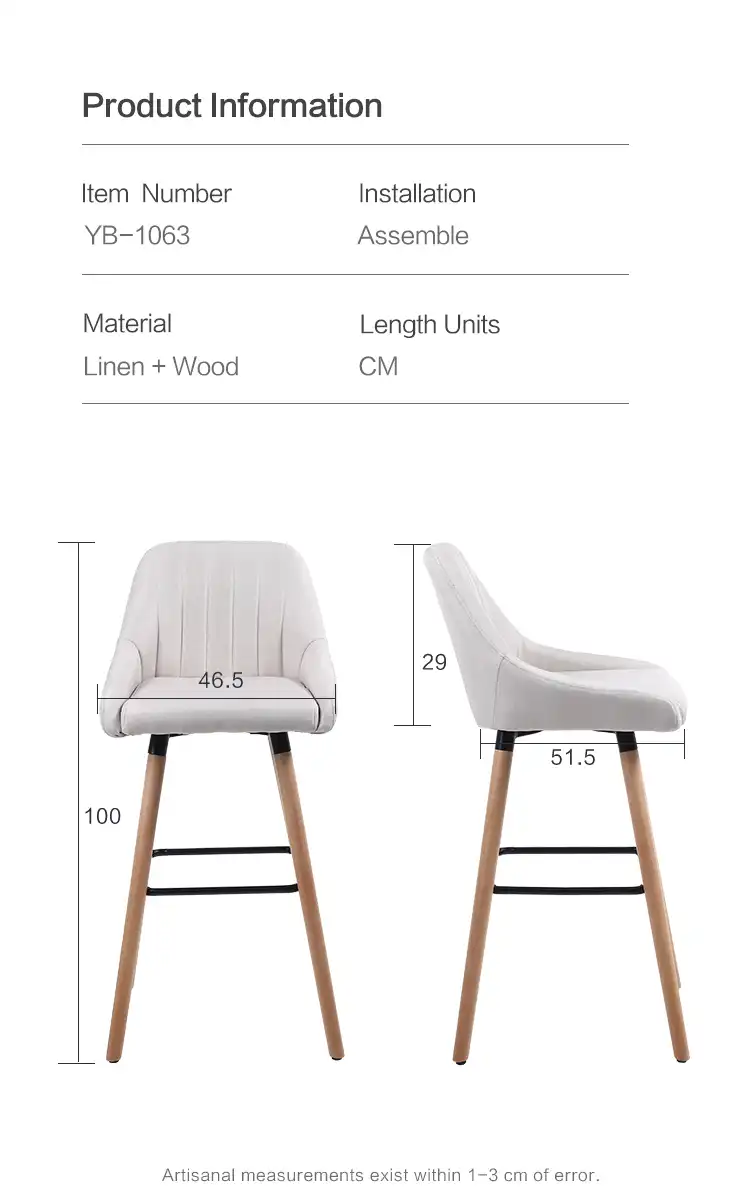
When we make things at Anji Yibo, we use Siamese plywood that is between 1.0 and 1.2 centimeters thick. Along with keeping the weight low, this keeps the sizes fixed, which makes shipping easy. This layered design is better than solid wood ones because it doesn't warp as easily. This is especially helpful when moving units from one weather zone to another.
Finish Treatments and Their Commercial Impact
Surface treatments determine both how long an appearance will last and how much upkeep is needed. Conversion varnish makes a barrier that is catalyzed and resistant to heat and alcohol spills, which is very important in bar and restaurant settings. Sealants made of polyurethane are very good at keeping out water, so wood doesn't expand and break joints in damp places.
Our goods' black color comes from deep-penetrating stains that don't fade as quickly as surface-applied colorants. This choice in manufacturing lessens the visible effects of UV light and normal wear, so business applications can go longer between refinishing cycles.
Common Deterioration Patterns
There are known stressors that affect wooden seats in business settings of wooden bar stool. When condensation gets through protected finishes, it causes spots of discoloration called water rings. Belt clips, bags, and cleaning tools can leave scratches on your skin. When weight is put on a joint over and over again, especially on units with swivel mechanisms or changeable height systems, the joint can become loose.
When procurement teams know about these wear patterns, they can set realistic replacement schedules and maintenance practices. After 14 years of manufacturing in 70 countries, we've found that proactive care increases usable life by 40–60% compared to reactive replacement methods.
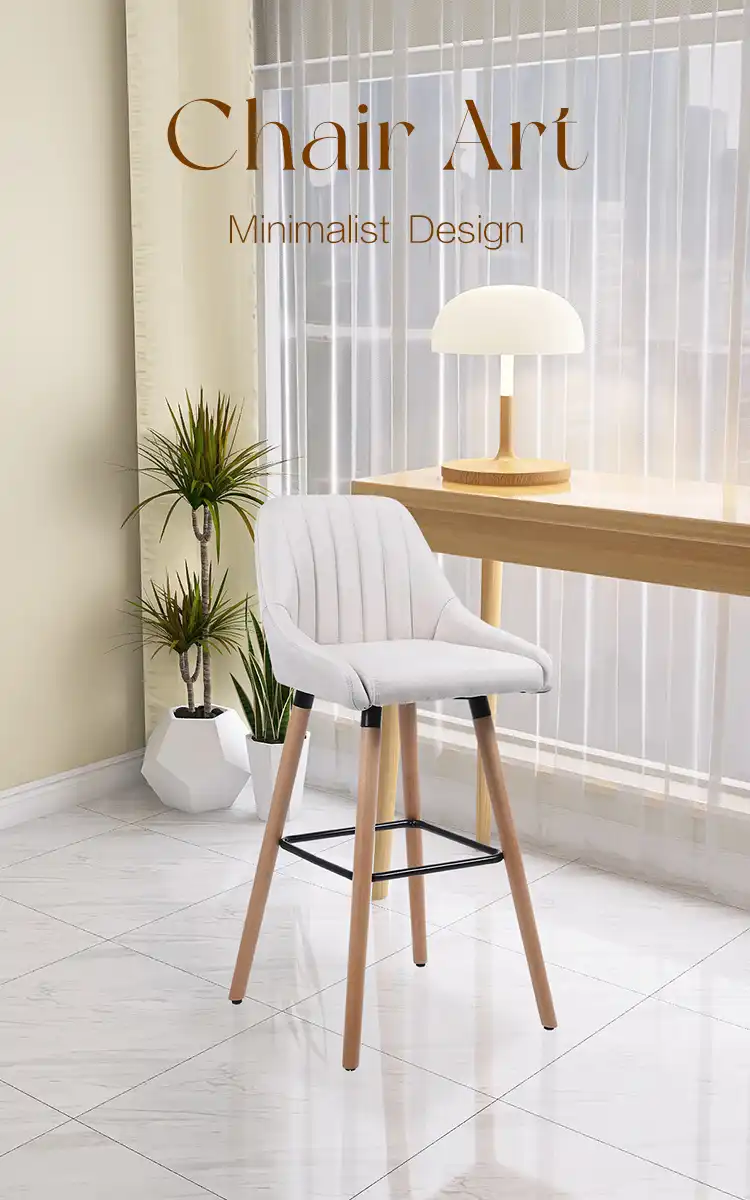
Effective Cleaning Methods for Black Wooden Bar Stools
Systematic cleaning saves both the wooden parts and the upholstered surfaces, keeping the furniture's good looks and structural integrity during large-scale deployments.
Daily and Weekly Cleaning Protocols
Dry dusting with microfiber cloths, which pick up dust without scratching protective finishes, is the first step in routine upkeep. This easy step keeps gritty particles from building up and wearing down surfaces over time. Cleaning should be done once a week using pH-neutral cleaners that have been dampened according to the manufacturer's instructions, which is usually one part cleaner to ten parts water.
Our seats have 0.8mm half-PU fabric that needs extra care. Instead of rough cleaning, use gentle circular motions on this material instead of full-grain leather. Use soft cloths to wipe up spills right away to keep liquid from getting into the 3.8 cm sponge filling below. If you let water get into the foam core, bacteria will grow and cause long-lasting smell problems.
Deep Cleaning for Commercial Environments
Deep cleaning cycles once a month are good for places that get a lot of visitors. Mild dish soap and warm water should be mixed together and tested on small areas before being used all over. Use a cloth that has been wrung out—too much water is the main cause of wood damage in cleaning tasks. To keep from getting streaks, work in small areas and go with the direction of the wood grain.
Cleaners with ammonia can damage protection finishes and dry out wood fibers, so stay away from them. In the same way, stay away from silicone-based products that build up and need to be removed by an expert. For organic spots, our R&D team suggests oxygen-based cleaners because they get rid of discoloration without using harsh solvents that damage the material.
Targeted Stain Removal Techniques
Different pollutants need different ways of dealing with them on wooden bar stool. Gentle degreasing products can be used on grease with cotton swabs to stop it from spreading. An easy way to get rid of water rings is to rub a paste made of baking soda and water on the spot until the color fades. For ink marks, you need to use isopropyl alcohol on cotton pads and dab the marks instead of rubbing them to keep the color from spreading.
The main idea behind all stain removal is to keep chemicals and moisture from staying on the spot for too long. Stains don't have time to set when you act quickly, and controlled application saves the material around the stain. This method works especially well when taking care of multiple units in different places, since consistency and efficiency have a direct effect on running costs.

Maintenance Practices to Prolong the Life of Black Wooden Bar Stools
Strategic maintenance increases the useful life of something while keeping the aesthetic standards that make the original purchase costs worth it. Structured maintenance plans that take into account environmental factors and mechanical stress are needed for commercial deployments.
Environmental Control and Placement Strategies
Wood reacts quickly and easily to changes in the weather. Keeping the relative humidity between 40 and 60% stops the processes of expansion and contraction that cause joints to become loose and finishes to crack. Putting seats away from direct HVAC vents and windows reduces temperature changes that speed up wear and tear.
In places where food is served and there is a kitchen nearby, make sure there is enough air flow to keep grease from building up and heat damage from happening. Even though our goods have finishes that are resistant to heat, long-term exposure to temperatures above 140°F still breaks down protective layers. When planning a facility, strategic placement helps keep the look of all the places that people use consistent so that things don't need to be replaced too soon.
Routine Inspection and Minor Repairs
Inspections every month find problems before they get so bad that the whole unit has to be replaced. Check the four 6x14mm screws that hold the seat assemblies in place and tighten them to the torque levels recommended by the maker. If the seams on your furniture are coming apart, it means that either the material is wearing out or the way it's being used is going beyond what was intended.
When it comes to swivel models, joint stability needs extra care. Use a food-grade lubricant on moving parts every six months to keep them running smoothly and keep bearing surfaces from wearing down. This easy step stops the grinding action that causes noise complaints and speeds up the breakdown of the machine.
Protective Finishing and Seasonal Care
Protective processes that are used again and again keep the wall between the wood and outside stresses in place. You can protect the finish below with a layer of paste wax that fills in small scratches. Use it twice a year in places that don't get a lot of use and three times a year in places that do. Not a high gloss, but a low sheen. A high gloss will bring out the small scratches that are sure to show up in a business setting.
It can be hard to deal with some changes in scenery. It gets dry inside during the winter, so adding moisture to the air is important to keep joints from shrinking. Because it is so hot in the summer, coastal or subtropical markets may need to clean out the air. We check the quality in a 6,000-square-meter area. At the Anji facility, performance is checked in climate chambers to make sure it works in a variety of weather situations. The procurement teams are more likely to trust deployments in different areas.
Conclusion
In order to take good care of wooden furniture, you need to know how the wood works, follow the right cleaning methods, and keep up with regular inspections of Wooden bar stool. When you combine good construction (like stable plywood, enough padding, and long-lasting upholstery) with regular care, the furniture will last longer and look better, which is especially important in business settings. It is important for procurement decisions to weigh the initial specs against the total cost of ownership, taking into account things like how hard the upkeep will be, how much it will cost to refinish, and how well the supplier can help. Strategic sourcing from experienced manufacturers with tested quality systems and the ability to make changes to the product makes it possible to handle inventory well and make sure that the product works the same way everywhere it's used. These rules make sure that wooden seating stays a good purchase that pays off over time in the competitive retail, office, and hospitality markets.
FAQ
Addressing common maintenance challenges and questions empowers facility managers and procurement teams to maximize asset value and maintain consistent quality standards across commercial deployments.
How frequently should commercial wooden seating be deep cleaned?
Deep cleaning frequency depends on usage intensity and environmental factors. High-traffic bars and restaurants benefit from monthly deep cleaning cycles, while office breakrooms with moderate use can extend this to quarterly intervals. The critical factor is visible soil accumulation—establish cleaning triggers based on appearance standards rather than rigid schedules. Our durable finishes tolerate frequent cleaning when proper techniques and pH-neutral products are used, making responsive maintenance preferable to neglectful approaches that allow permanent staining.
Can oil-based products be safely used on these finishes?
Oil-based conditioners suit unsealed wood but create problems on finished surfaces. The conversion varnish and polyurethane sealants we apply during manufacturing form non-porous barriers that prevent oil absorption. Surface application leaves residue that attracts dust and creates slip hazards. Water-based products formulated for finished wood provide appropriate maintenance without these complications. When refinishing becomes necessary after years of use, consult finishing professionals regarding oil-based options during bare wood preparation stages.
What causes joint loosening, and how can it be prevented?
Mechanical stress from weight loading and movement gradually loosens fasteners. Humidity fluctuations causing wood expansion and contraction accelerate this process. Preventative measures include semi-annual screw tightening using appropriate torque specifications—overtightening strips threads and under-tightening allows continued movement. Strategic placement away from humidity sources reduces environmental stress. When loosening persists despite proper maintenance, inspect for wood fiber compression around fastener holes, which may require professional repair involving wood filler or fastener relocation.
How should units be stored during venue renovations or seasonal closures?
Proper keeping keeps things from getting damaged when they're not being used. Before putting something away, clean it very well to get rid of any dirt or germs that could stain it permanently or attract bugs. If you don't want to hurt the foam cushioning, don't stack more than four units high. Keeping the relative humidity between 40 and 60% in climate-controlled storage stops wood from moving and finishes from breaking. Instead of plastic sheets, which trap wetness and help mold grow, cover with fabric that lets air pass through. These safety measures make sure that units can go back into service without needing to be reconditioned. This protects procurement investments during building changes.
Partner With YIBO for Premium Wooden Bar Stool Solutions
Anji Yibo Furniture Co., Ltd. has been making high-quality wooden seating for 14 years and is a good choice for procurement workers who need to find reliable options. Our black bar stool designs are made with Siamese plywood, ergonomic foam padding, and long-lasting half-PU fabric to create styles that are both strong and stylish. We've been in business for a long time and serve 70 countries, so we know how complicated foreign bulk orders can be. That's why we offer full support from the initial specification through delivery and service after the sale.
Our research and development (R&D) skills allow for a lot of customization in terms of sizes, finishes, and materials, which helps with private label tactics and adapting to local markets. The 6,000-square-meter Anji facility keeps up with orders for whole containers and has competitive wait times. Our space-saving packaging also makes freight more cost-effective. Our ISO 9001 and BIFMA certifications show that our quality systems are reliable, and our experienced sales team responds to messages within 24 hours.
Procurement managers and distributors exploring Wooden bar stool manufacturers for hospitality, retail, or office projects benefit from our integrated approach combining product quality, manufacturing scalability, and service reliability. Contact our team at yb@ajyibo.com to discuss specific requirements, request customization samples, or obtain detailed quotations for your next project. We welcome the opportunity to demonstrate how our solutions address your operational needs while supporting long-term business growth.
References
1. Anderson, J., & Mitchell, R. (2021). Commercial Furniture Maintenance: Best Practices for Hospitality Environments. New York: Hospitality Press.
2. Chen, L. (2020). Wood Finishing Techniques for High-Traffic Applications. Journal of Furniture Manufacturing, 45(3), 112-128.
3. Daniels, K. (2022). Material Selection in Contract Furniture: A Procurement Guide. Chicago: Commercial Design Publishing.
4. Foster, M., & Zhang, W. (2019). Comparative Durability Analysis of Upholstery Materials in Commercial Settings. International Journal of Furniture Studies, 18(2), 203-221.
5. Henderson, P. (2023). The Complete Guide to Wood Care and Restoration in Commercial Spaces. London: Timber Trade Publications.
6. Wilson, S. (2021). Environmental Factors Affecting Wood Furniture Longevity in Climate-Controlled Environments. Furniture Research Quarterly, 37(4), 89-104.