

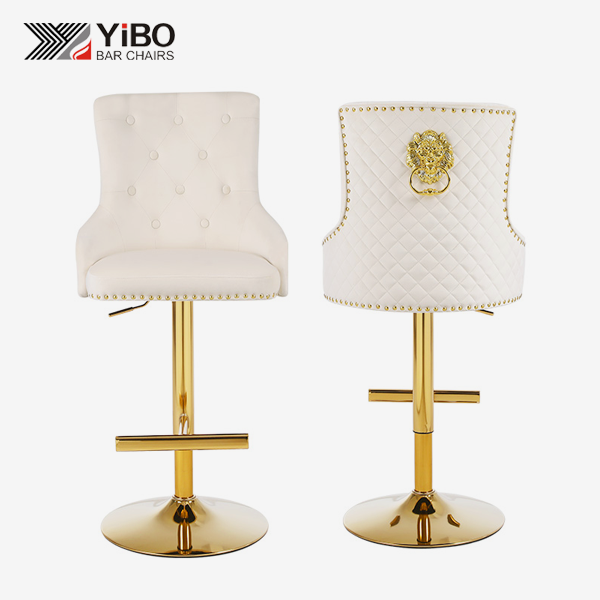
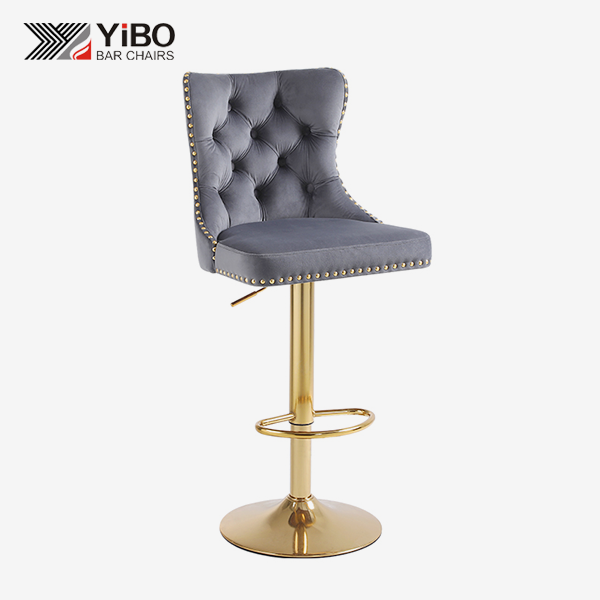
 (1)_1777442575043.jpg)
Important Things To Remember When Choosing A Metal Bar Stool
It's not enough to choose a metal bar stool that looks good; you also need to carefully consider how well it works, the quality of the materials, and how well it fits your needs. The shell shape metal bar stool stands out as a great choice for bars, hotels, restaurants, or office break rooms because of its unique bent shape that supports the lower back while still looking classy. This guide shows you the important things that will help you buy things in a way that saves you money and keeps its value over time. This way, your furniture investment will benefit both your customers and your bottom line.
Understanding Shell Shape Metal Bar Stools: Features and Benefits
In the last ten years, curved seating has changed the way business furniture is made because it looks so good in architecture. Unlike standard flat-backed options, these contoured units offer lateral support that keeps people from getting tired after long periods of sitting. This is a huge benefit in hospitality settings where customer dwell time directly affects revenue.
Ergonomic Design That Supports Extended Use
The unique curve of these stools is meant to look like a person's natural spine. They wrap gently around the user's waist to spread pressure evenly across their back and hips. This biological geometry solves a typical problem in bar seating: chairs that are too uncomfortable and make people leave sooner. The YB-1074 type, which is 74 cm tall, has a normal velvet cloth-covered shell and supportive foam that keeps its shape after thousands of sitting cycles. Cross-foot bases are stable and keep the chair from tipping over, even when people lean backward, which is something that risk management teams always make a priority when it comes to safety.
Metal Construction Advantages for Commercial Settings
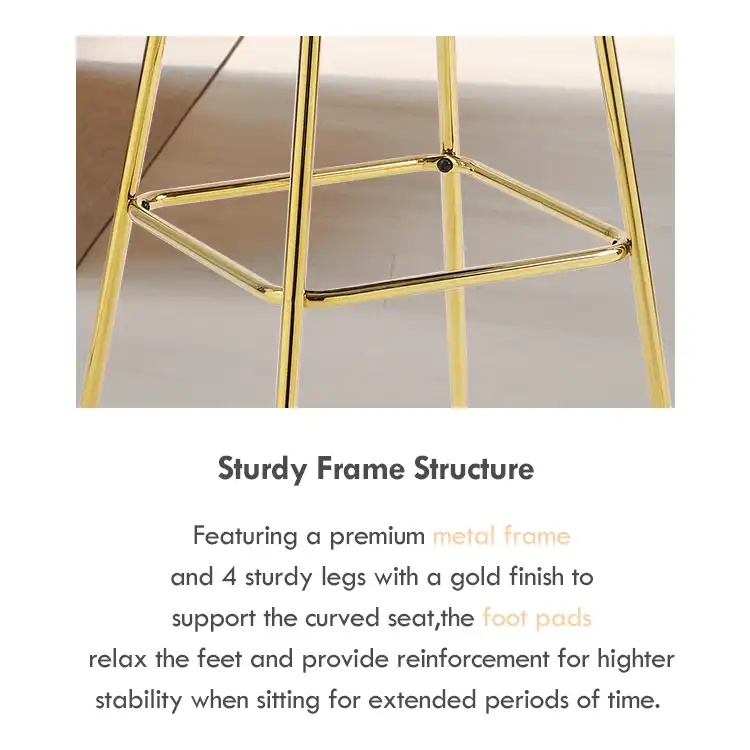
Metal frames have a lot of practical advantages that wooden ones just can't match. Our models' black-painted iron feet can handle damage from water, chemical spills, and the daily wear and tear that happens in busy bars. Metal stays strong even when it's put through the rough conditions of industrial use, while wood needs to be refinished on a regular basis and can splinter or crack when stressed. The powder-coated finish on good metal stools protects against fingerprints and smudges, lowering the signs of use that can make furniture look old before its time.
Space Efficiency and Aesthetic Versatility
Modern commercial areas often have trouble meeting the needs of both people and things. Metal bar stools solve this problem because they can be stacked and look light. Our units can be stacked up to two high, so you don't need separate storage rooms to quickly change the layout of rooms for events or cleaning. The sleek shape of metal legs makes spaces feel more open and bright, which is a psychological benefit that interior designers use to improve the experience of their customers.
How to Choose the Right Shell Shape Metal Bar Stool: Decision Criteria for Buyers
Procurement decisions carry long-term implications for operational costs, customer satisfaction, and brand perception. Walking through a systematic evaluation process helps you avoid the expensive mistakes that stem from focusing solely on initial purchase price.
Height Specifications Match Your Counter Dimensions
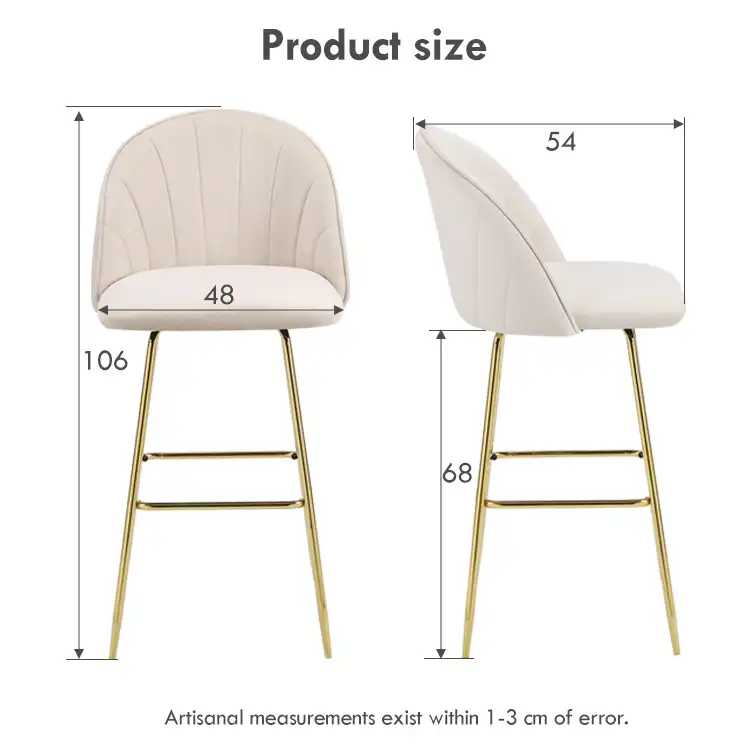
Counter height versus bar height represents one of the most common specification errors in furniture procurement. Standard counter heights typically measure 90-95cm from floor to surface, requiring seat heights around 60-65cm to maintain the optimal 25-30cm clearance that allows comfortable legroom and easy access. Bar heights generally reach 100-110cm, necessitating seat positions at 75cm or higher. Our 74cm heightened model fits perfectly with elevated bar surfaces, though confirming exact measurements before placing container orders prevents the costly scenario of receiving furniture that doesn't fit your existing infrastructure.
Load-Bearing Capacity for Diverse User Demographics
Weight capacity directly correlates with construction quality and longevity. Commercial-grade shell shape metal bar stools should support at least 150kg (330 lbs) to accommodate diverse patron sizes safely. This specification becomes particularly relevant for hospitality venues serving international clientele or locations where regulatory bodies mandate specific safety thresholds. The welded construction method used in quality manufacturing creates seamless joints that distribute stress across the entire frame rather than concentrating pressure at bolt points, where failure typically initiates in lesser units.
Material Selection for Environmental Conditions
Operating environment dramatically affects material performance. Coastal venues battling salt air require stainless steel components or marine-grade finishes to prevent oxidation, while inland locations can utilize standard steel with powder coating. The black painted iron construction we employ undergoes multi-stage treatment that begins with rust-preventive primer, followed by impact-resistant topcoat application. This layered approach extends service life even in humid environments where condensation regularly contacts metal surfaces.
Ergonomic Features That Enhance User Comfort
Beyond the shell backrest, additional ergonomic considerations influence patron satisfaction. Footrest positioning affects circulation and posture—our cross-foot design provides multiple placement options that accommodate different leg lengths naturally. Seat depth also matters: shallow seats (35-40cm) work better for quick-service environments where turnover is desired, while deeper options (40-45cm) suit establishments encouraging longer visits. The ordinary sponge cushioning in our models balances initial softness with long-term shape retention, avoiding the premature sagging that occurs in low-density foam alternatives.
These practical considerations form the foundation of smart procurement strategy. Understanding how each specification connects to your operational reality transforms furniture buying from a cosmetic decision into a strategic investment in customer experience and operational efficiency.
Procurement Strategies for Shell Shape Metal Bar Stools: Ensuring Cost-Effective Bulk Buying
Container-level purchasing introduces complexities beyond the transaction itself. Smart procurement extends beyond negotiating unit price to encompass the entire supply chain, from manufacturing oversight through final delivery.
Supplier Evaluation and Manufacturing Transparency
Partnering with established manufacturers rather than trading intermediaries provides several strategic advantages. At our Anji facility, we operate our own ironwork production, eliminating the quality variability and communication delays that occur when frame fabrication is outsourced to third parties. This vertical integration allows us to maintain consistent welding standards and implement modifications quickly when customization requirements emerge. Our 6,000 square meter facility houses both production and warehousing under one roof, streamlining the logistics chain that connects manufacturing to container loading.
Customization Capabilities and Brand Alignment
OEM and ODM services transform generic furniture into brand-aligned assets. Our R&D team works directly with buyers to modify dimensions, adjust upholstery materials, or alter finish colors to match existing interior schemes. This customization extends to packaging—private labeling and branded protective coverings reinforce your market positioning while products are still in transit. The sampling team can produce pre-production units for approval, allowing you to verify specifications before committing to full container orders. This approval process prevents the expensive scenario of receiving products that don't meet your exact requirements.
Logistics and Container Optimization
Shipping costs represent a significant portion of landed product cost, making packaging efficiency a key value driver for metal bar stool. Our packaging specifications demonstrate this principle: at 2 pieces per carton with dimensions of 75.5×43×65cm and a volume of 0.211 cubic meters per carton, we maximize container utilization while maintaining protection standards. This space-saving approach means you can fit more units per container, directly reducing per-unit shipping expense. Understanding these calculations helps you compare true landed costs rather than just FOB pricing—a distinction that can reveal thousands of dollars in difference when ordering multiple containers annually.
Payment Terms and Warranty Coverage
Contract negotiations should address payment structures that balance seller security with buyer cash flow management. Many experienced manufacturers offer flexible terms for established clients, though initial orders typically require deposit arrangements. Warranty coverage provides another negotiation point—our products carry manufacturer backing that addresses defects in materials or workmanship. Clarifying what constitutes normal wear versus warrantable defect prevents disputes later and demonstrates supplier confidence in their construction quality. The 24-hour response commitment we maintain ensures that questions or concerns receive prompt attention regardless of time zone differences.
Maintenance and Longevity: Best Practices for Shell Shape Metal Bar Stool Care
Proper maintenance extends furniture service life significantly while maintaining the appearance standards that reflect positively on your establishment. Developing systematic care protocols transforms furniture from a replacement expense into a long-term asset.
Cleaning Protocols That Protect Finishes
Metal finishes vary in their resistance to specific cleaning agents. Powder-coated surfaces tolerate most commercial cleaners well, though abrasive compounds or steel wool can scratch protective layers and expose underlying metal to corrosion. We recommend microfiber cloths with pH-neutral cleaners for daily maintenance, escalating to diluted degreasers only when necessary for sticky residue removal. The black painted finish on our iron feet benefits from occasional inspection for chips or scratches—touching up these areas with matching paint markers prevents rust initiation before it becomes visible. Velvet upholstery requires different care: regular vacuuming removes loose debris, while spot cleaning with fabric-appropriate solutions addresses spills before they set. Avoiding bleach-based cleaners preserves color vibrancy and fabric integrity.
Wear Pattern Recognition and Preventive Action
Facility managers with a lot of experience learn to use trends of furniture wear as early warning signs. The finish usually wears off first in the footrest areas because shoes are always on them. This regular wear and tear doesn't affect how they work, but it does let you know when you should refinish them to keep them in good shape. Weld points sometimes get stress cracks in units that are used a lot. These cracks show up as small gaps between frame parts. If you find these early, they can be easily fixed with welding before the joints break completely. Another gradual change is the compression of the seat cushion. If the thickness of the foam decreases significantly in areas that get a lot of use, it is much cheaper to replace the foam inserts than to buy new stools. This method to maintenance at the component level extends the useful life of metal frames, which can often last more than one upholstery refresh cycle.
Storage Practices That Preserve Structural Integrity
Seasonal sites or places that need to change how many seats they have must store their furniture correctly so that it doesn't get damaged when they're not using it. When you stack metal stools, you need to put something between them to keep the finish from transferring or getting scratched. While climate-controlled storage is ideal, it's not always possible. To keep metal feet from rusting, at the very least, keep stored furniture off of concrete floors and off of the ground. Covering stacked units with cloth that lets air pass through instead of plastic stops condensation from building up and keeps dust out. These simple rules make sure that when furniture comes out of storage, it is ready to use and doesn't need to be reconditioned before each season starts.
Conclusion
When picking metal bar stools for business settings, you have to think about a lot of things that go beyond how they look at first. Curved shell designs are better for your body, and high-quality metal construction means they will last and need little upkeep. This makes them a great deal for use in hotels, stores, and offices. To make a purchase go smoothly, you need to make sure that the stool meets your specific operating needs in terms of its height, its ability to hold the right amount of weight for your customers, and its finish's durability in your environment. By working with well-known manufacturers that allow customization, open communication, and clear quality control, buying furniture can be turned from a transactional good purchase into a strategic relationship. If you take care of your investment properly, it will last a lot longer, and the total cost of ownership will be much lower than what the original price comparisons might suggest.
FAQ
What height should I choose for metal bar stools?
Measure your counter or bar surface height and subtract 25-30cm to determine ideal seat height. Counter surfaces around 90cm pair with 60-65cm seats, while bar tops at 105-110cm require 75-80cm seat positions. Our 74cm model fits standard bar heights perfectly, though confirming your exact dimensions before ordering prevents fit issues.
How do cushioned metal stools compare to non-upholstered versions for maintenance?
Upholstered models like our velvet cloth seats provide superior comfort but require more intensive cleaning protocols. Non-upholstered metal seats wipe clean instantly and suit ultra-high-volume environments. The maintenance trade-off depends on your operational priorities—venues emphasizing patron comfort typically find the modest additional cleaning effort worthwhile.
Which metal types work best for heavy commercial use?
Steel construction with minimum 1.5mm wall thickness and fully welded joints provides the durability commercial environments demand. Our painted iron frames incorporate multi-layer protective coatings that resist daily wear. Avoid hollow tubing below 1.2mm thickness, which may dent or deform under heavy repeated use.
Partner With YIBO for Your Commercial Seating Solutions
YIBO brings 14 years of specialized chair manufacturing experience to your furniture procurement needs. As a shell shape metal bar stool manufacturer based in Anji—China's recognized furniture production hub—we control every production stage from metal fabrication through final quality inspection in our 6,000 square meter integrated facility. Our engineering team supports full OEM and ODM customization, allowing you to specify dimensions, upholstery materials, finish colors, and branding elements that align precisely with your market positioning. We ship containers globally each month, maintaining delivery schedules that support your project timelines reliably. Contact our procurement specialists at yb@ajyibo.com to discuss your specific requirements, request samples, or explore bulk pricing structures for container orders. Visit ajyibo.com to view our complete product catalog and discover why distributors, importers, and project contractors across 70 countries trust YIBO for commercial seating solutions that balance quality, value, and manufacturing reliability.
References
1. Miller, J. (2021). Commercial Furniture Specification: A Procurement Guide for Hospitality Professionals. Facilities Management Press.
2. Thompson, R. & Chen, L. (2020). "Material Performance in High-Traffic Seating Environments." Journal of Commercial Interior Design, 45(3), 112-128.
3. Anderson, K. (2022). Ergonomic Seating Design: Principles and Applications for Commercial Spaces. Industrial Design Publishing.
4. Williams, S. (2019). "Total Cost of Ownership Analysis for Commercial Furniture Procurement." Hospitality Asset Management Quarterly, 31(2), 45-61.
5. Rodriguez, M. (2023). Metal Finishing Techniques for Furniture Applications. Materials Engineering Institute.
6. Patterson, D. & Zhang, W. (2021). "Supply Chain Optimization in International Furniture Procurement." Global Trade and Logistics Review, 18(4), 203-219.