


 (1)_1777442575043.jpg)
How to Clean and Maintain a Velvet Mustard Yellow Counter Stool?
Following some simple steps will help you keep a velvet mustard yellow counter stool in good shape. These steps will protect the fabric's soft surface and bright color. Gentle dry-cleaning methods are used, and the clothes are touched up by professionals on a regular basis to fix problems like pile compression and dirt from the environment. Because velvet is made of cut-pile threads, it absorbs light in a way that no other fabric does. This traps dust particles deep inside the threads. This means that the normal ways of cleaning with water won't work for businesses. A good care plan includes cleaning with fabric accessories on a regular basis, treating spots with pH-neutral solvents, and keeping the humidity under control. This will protect the rich mustard color from UV damage and oxidative fading and make the product last longer.
Understanding Velvet Mustard Yellow Counter Stools
Core Material Characteristics and Performance Properties
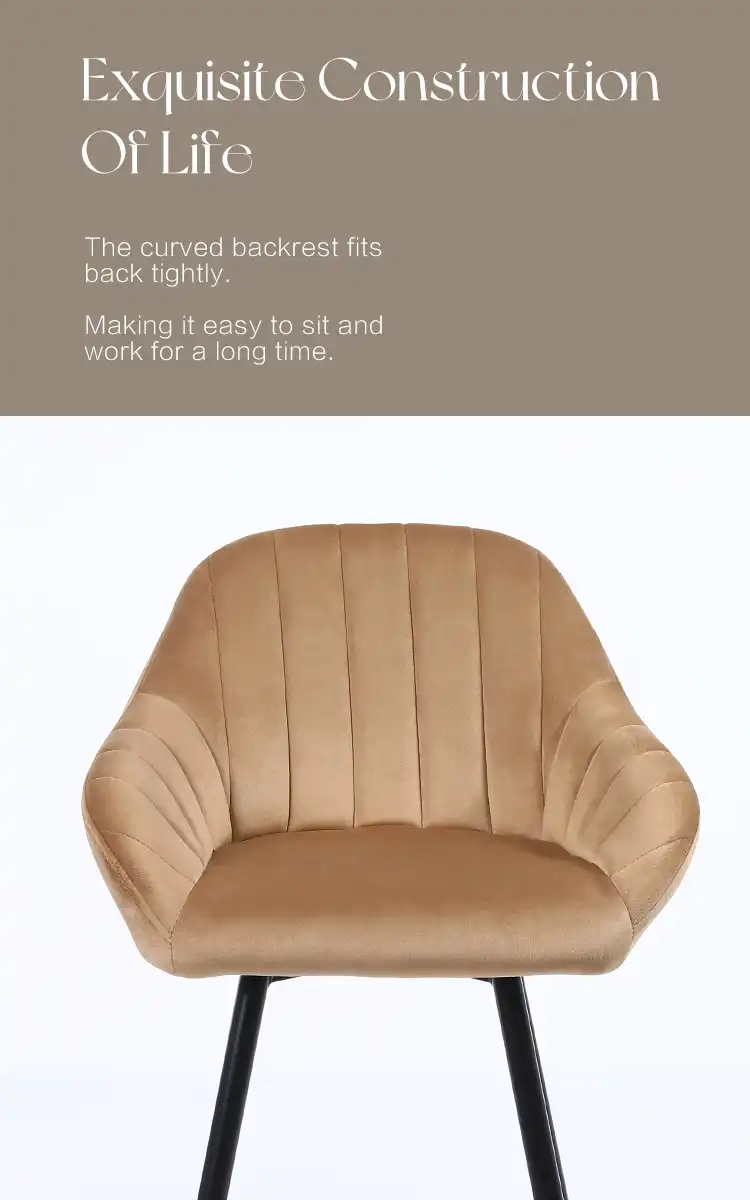
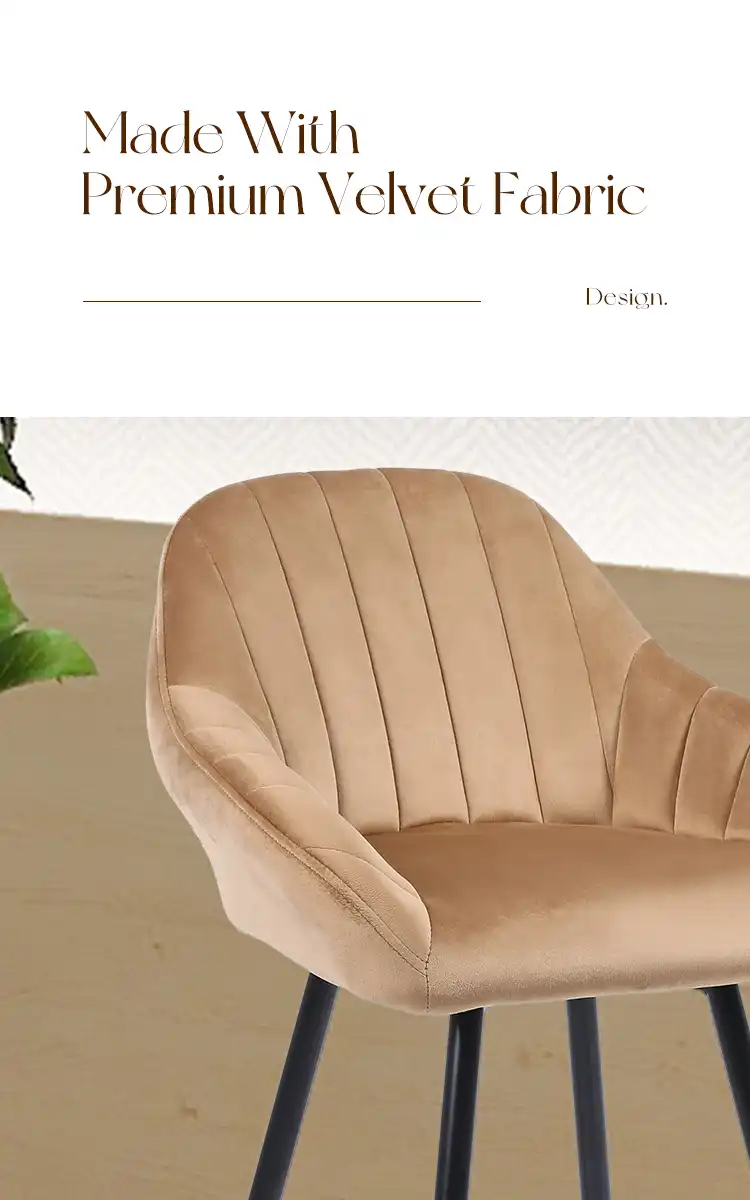
There are times when bar stools with velvet fabric made from fake or mixed fibers are more useful in a work setting. The material's thick cut-pile structure (vertical fiber ends form a horizontal nap) naturally lowers noise, which is helpful in hotel settings with hard floors. Keep commercial-grade velvet in good shape, and its pile weight should be between 350 and 450 grams per square meter. It should also last long enough for places with light traffic. Soda-dying or piece-dying can be used to make mustard yellow. This color breaks up neutral color schemes and keeps things from looking too dull. It does this without using bright main colors that might not go with the way brands are changing.
The base is just as important when you want to know how long something will last. Good bar stools have strong frames made of powder-coated steel, solid hardwood, or designed materials that can hold up to 330 pounds and stay stable even after many sit-stand cycles. The padding should be made of high-density foam with a density of at least 35 kg/m³. Most seats are 24 to 26 inches high, which is the same height as a 36-inch table top. This puts people at the best settings for eating or working with others. With this level of accuracy in measures, your back won't hurt, but it might not be ideal for long-term use in work settings.
The Psychology of Color in Commercial Environments
Mustard yellow is a smart choice when it comes to color psychology and room planning. The color is energetic like pure yellow, but it also has adult, well-balanced undertones from the brown spectrum pigments that were added. A study in environmental psychology found that bright yellows make the room feel two to four degrees warmer and make people more likely to talk to each other and come up with new ideas. All of these traits are very useful in places like hotel halls, co-working spaces, and relaxed dining areas, for example, with a velvet mustard yellow counter stool. The color's moderate intensity level keeps its beauty even after long viewing sessions, unlike bright colors that wear out the eyes.
Because velvet reacts to light in a unique way, these psychological effects are stronger. When the direction of light changes, the structure of the pile's fiber surfaces that reflect light change color in small ways. It has depth that flat-weave fabrics can't match because of this. It's important for places where furniture is the main design feature to have something interesting in the background other than a flat color. This three-dimensional quality keeps the color from looking flat or fake.
Common Maintenance Challenges in Commercial Applications
In a work setting, there are three main things that can damage silk furniture. Weight is put on the pile over and over again, which flattens the vertical threads and leaves behind permanent shiny spots that make the pile look less even. When dust, skin cells, and fibers from clothes fall into pile layers that are too deep to see from the top, this is called particle buildup. Over time, this makes the conditions rough, which makes the color less bright. It also speeds up fiber breaking. Right away, liquid pollution is dangerous because it stains things and makes them wet, which can hurt foam surfaces and help germs grow.
There are things that are more likely to break when they are mustard yellow. Both natural and man-made sources of UV light start photodegradation processes that turn yellow tones reddish or brownish after 18 to 36 months of free exposure. A lot of industrial cleaners have alkaline cleaners in them that mix with yellow dyes to change the color in a way that can't be fixed. Because some materials have these issues, buying teams have to compare the leather options for big pieces of furniture by how hard they are to clean.
Step-by-Step Cleaning and Maintenance Process
Pre-Cleaning Assessment and Preparation
Before starting to fix something, do a thorough eye check in a well-lit area. Check the sitting surfaces for single spots, pile compression patterns, and damage to the frame joints. Also, make sure the powered parts can move. Photograph the state of things as they were at the start of repair projects that involve more than one unit. You can then see how wear changes over time. It helps to plan replacements and show partners in the company that the maintenance process works with this knowledge.
To get the work area ready, remove any loose dirt from the surface with a soft brush. Use an upholstery brush with soft bristles made of natural horsehair or synthetic fibers and a 40–50 mm pile length to clean the velvet's surface without affecting the way the fibers are arranged. This mechanical preparation keeps little bits from getting stuck while the next steps of cleaning are being done. So, the threads don't rub against each other and wear out faster. Leave 36 inches of space around the equipment to make room for it and keep objects next to it from getting dirty.
Dry Cleaning Techniques for Routine Maintenance
To take good care of silk, vacuum draining is the most important thing you can do. Get rid of deep-down dirt and dust with furniture vacuums that have flexible suction settings set to medium power (about 70–80 air watts). This will not put too much stress on the pile. Follow the pile's direction and make overlapped passes that cover the whole area. Keep your speed steady at about 6 inches per second. In places with a lot of foot traffic, this should be done every two weeks. In places with average foot traffic, it should be done once a month. Depending on how fast the dirt builds up, change how often it happens.
Steam treatment is a good way to fix focused piles on a velvet mustard yellow counter stool without adding too much water, which can be a problem. Let the fabric breathe by putting the steamer 4 to 6 inches below the surface. This will help the fibers become loose. Right after you use steam, gently brush the pile back to where it was, standing upright. When you want to fix patterns of compression on the sitting surface before they become set, this method works great. To keep the foam layers below from getting too wet, steam sessions should last no more than 90 seconds per square foot.
Spot Treatment Protocols for Stain Management
Clean up spills right away to keep water from getting into the layers of padding. When you use a clean white microfiber cloth to block a new stain, move it from the sides to the middle so it doesn't spread. Don't rub it. Put on powders that soak up water, like cornstarch or store-bought dry-cleaning chemicals, and wait 15 to 20 minutes. After treating the material, lightly clean it to get rid of it and the dirt it picked up.
Before you clean surfaces that people will see that have set spots that need cleaners, do patch tests on parts that won't be seen. Professional dry cleaners made for synthetic materials can get rid of dirt that is made of oils, while pH-neutral enzyme cleaners can get rid of dirt that is made of proteins. Apply small amounts with clean applicators and blot right away to keep from getting too wet. In order to keep the pile going in the same direction, do not rub in a circle. This will leave treatment lines that can be seen. If you have a big mess like wine, ink, or chemicals, it's better to hire a professional upholstery cleaning service with special tools to get rid of it than to try to fix it yourself and risk damaging the furniture in the long run.
Professional Service Integration
If your business has a place that is used every day, hire someone to clean and keep the furniture once a year. Hot water filtration methods have been changed so that they can work with delicate fabrics. Mildew can't grow because these systems control the amount of water in the air and dry things fast. A professional service will also take care of structural parts that you can't do yourself. For example, they will tighten the frame, replace foam in pillows that has been damaged by compression, and use industrial cleaning tools to fix damage to the pile.
When you hire a professional, make sure that they are qualified by well-known groups in the field and that their insurance covers enough to pay for new furniture that has been fixed. Ask that the cloth be tested before it is used, and write down the rules about what cleaning products can be used, how much water can be in the cloth, and how long it needs to dry. Cheap furniture won't get broken by service providers who don't know what they're doing thanks to these written guarantees.
Maintenance Tips to Extend the Life of Velvet Mustard Yellow Counter Stools
Establishing Preventive Care Protocols
When it comes to saving money, preventative maintenance is better than fixing problems after they happen. To protect the cloth, use fluorocarbon-based repellents right after installation. These make molecular walls that keep liquids from getting into the cloth without changing how it feels or breathes. Follow these steps once a year after having a professional clean your home to keep the safe effects going. As long as they are used normally, work safety gear should last between 12 and 18 months.
The surroundings can be controlled in a big way to make things last longer. So that yellow colors don't break down too fast, move seats out of direct sunlight or cover windows with things that block UV rays. It's best to keep the relative humidity between 40 and 55% so that the pile doesn't dry out too fast and breaks apart, and so that bacteria can't grow. There should be enough filters (at least MERV 11) in commercial HVAC systems to get rid of flying particles that get on furniture and make it dirty more quickly.
Turnover plans make sure that all of the furniture in an installation, including the velvet mustard yellow counter stool, doesn't get worn down at the same time when there are a lot of similar units. Every three months, the pieces are moved around so that they don't get damaged from staying in one place for too long. This method works really well in restaurants, where people move around and sit in different places, so some seats get more use than others. This is because the waiters are closer to those seats. Staff changes can always be tracked with the help of simple floor plan notes that write down work schedules.
Training Cleaning Personnel for Specialized Care
How well the staff is taught is very important for the repair program to work. Making clear rules about what can be used for cleaning, how to use the tools, the right way to clean, and what can't be done is important. Teach people how to use a brush, a cleaning tool, and spot treatments the right way by giving them hands-on lessons. A lot of companies that sell business furniture, even ones with a lot of experience, offer training tools or in-person lessons as an added bonus for big contracts.
Take shots of normal signs of wear and damage that needs to be fixed to use as visual guides. The cleaning staff can quickly find problems with this standard evaluation tool. This way, the right steps can be taken before small problems turn into big ones that cost a lot to fix. Set up easy ways for workers to report damage and keep track of the repair work that needs to be done. This will hold people responsible and help the group learn more about how furniture works over time.
Structural and Mechanical Maintenance
Upholstery care is only a small part of the upkeep that needs to be done on whole stool pieces. To make sure the frame is stable every three months, look for stress cracks in the welded joints on the metal bases and make sure all the bolts are tight. Powder-coated finishes should be cleaned with pH-neutral soaps on a regular basis to get rid of acidic substances such as salt residue at the beach or chemical cleaners in food service settings. Once a year, furniture wax should be put on metal parts to protect the original coats and keep small finish flaws from rusting.
Certain moving parts, like swivel gears, height adjustment cylinders, and footrest brackets, need to be cleaned as directed by the maker. Most of the time, silicone-based lubricants work well for gas tank systems. For swivel bearings, lithium grease works well. Using the right oil keeps things from wearing out and makes sure they work smoothly, which is better for the user. When the units are serviced once a year, set aside about 15 minutes for full mechanical repair.
Conclusion
Strategic upkeep of velvet-covered counter-height seats has a direct effect on the total cost of ownership while keeping the nice looks that make the purchase price useful. The detailed care directions focus on dry cleaning methods, quick action for spills, professional service integration, and environmental controls. They take into account the special properties of velvet and the problems that come with yellow coloring. When buying furniture for businesses, people in charge of procurement should first think about how hard it is to keep clean and how much it costs. This is because following the right care steps greatly extends their useful lives while keeping their brand-appropriate looks. By comparing this material to other upholstery materials, you can find one that fits both your style tastes and the needs of the job. This lets you make decisions that are in line with the wants and resources of your company.

FAQ
1. How often should commercial velvet counter stools receive professional cleaning?
At least once a year, trained upholstery services should deep clean the furniture in moderately busy business spaces that are used every day. Restaurants and bars in hotel lobby areas that get a lot of foot traffic may need expert cleaning every six months to get rid of the dirt that has built up over time. Hire professionals at times when business is slow so that your furniture doesn't stay down for too long.
2. Can standard household cleaning products be used on commercial velvet upholstery?
A lot of all-purpose cleaners have bleaching agents, alkaline chemicals, or detergents that aren't safe for synthetic materials, so don't use them on them. These things could change the color for good, hurt the pile, or make dust build up, which would make it dirt faster. Buy cleaners that are pH-neutral and are made just for cleaning business furniture. Before you clean surfaces that will be seen, make sure the tools will work together in a way that won't draw attention to itself.
What indicators suggest velvet stools require repair or replacement?
If the furniture is unsteady because the frame is weak, the pile is permanently compressed, there are tears in the fabric that are longer than 1 inch, or the color fades so that each set looks different, these are all signs that something needs to be fixed. Since the damage is usually not too bad, you can fix it without spending a lot of money by getting it reupholstered or a few parts replaced. To save money, it might be smart to get a whole new unit when there is a lot of harm.
Partner with YIBO for Premium Velvet Counter Stool Solutions
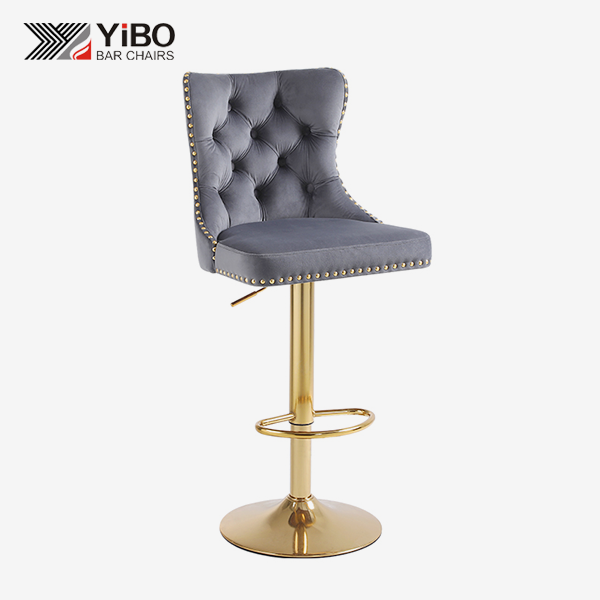
For business-grade plush chairs, Anji Yibo Furniture Co., Ltd. is the best place to go. They get things right because they've been making barstools and dinner chairs for 14 years. Our more than 6,000-square-meter plant in Anji, China, is known as the world's furniture-making center. To make sure that all of our container-level orders are of the same high quality, we use both high-tech tools and skilled workers. We know the issues that people from other countries have when they try to buy things. To help you stand out in the market, our full OEM/ODM services let you change the sizes, the materials, and the markings to fit your needs. The plush on each velvet mustard yellow counter stool has been checked for quality, and the high-density foam padding and powder-coated steel bases that can hold up to 330 pounds are built to last. Our professional transportation team makes sure that goods get to their destinations on time all over the world. We also save money on shipping by packing them so that there are only two pieces per carton, which takes up 0.179m³ of space. You can talk to our sales team about your specific needs by emailing yb@ajyibo.com. We can get back to you quickly, offer low prices for large orders, and make sure that your projects are fully manufactured. Find out why people from other countries buy, sell, and build businesses choose YIBO as their first choice for velvet mustard yellow counter stool.
References
1. Miller, S.R. & Thompson, K.L. (2021). Commercial Upholstery Maintenance: Best Practices for Hospitality Environments. Textile Care Institute Press.
2. Davidson, P.J. (2020). "Material Selection in Contract Furniture: Lifecycle Cost Analysis of Upholstery Options," Journal of Interior Design and Specification, Vol. 45, No. 3, pp. 112-128.
3. Chen, W. & Rodriguez, M. (2022). Color Psychology in Commercial Space Design: Evidence-Based Approaches. Environmental Design Research Association.
4. International Facility Management Association (2021). Furniture Maintenance Standards for Commercial Applications: Technical Guidelines.
5. Barrett, H.E. (2019). "Velvet Upholstery in High-Traffic Environments: Performance Testing and Maintenance Protocols," Textile Research Quarterly, Vol. 38, No. 2, pp. 67-84.
6. Yun, L. & Fischer, A. (2023). Supply Chain Strategies for Global Furniture Procurement: Quality Assurance and Vendor Management. International Trade Publications.