

 (1)_1777442575043.jpg)
How to Create a Luxe Home Bar with Golden Bar Stools?
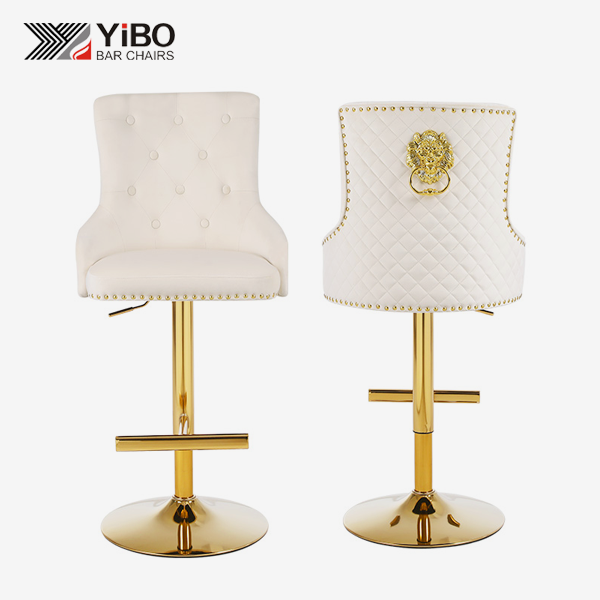
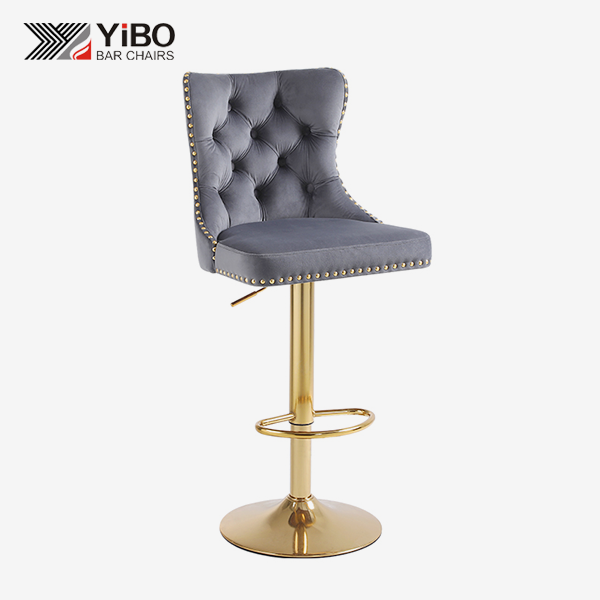
To make a fancy home bar, you should start by choosing seats that make a statement and center the room. Any bar area is instantly elevated from ordinary to extraordinary by using golden bar stools as both practical sitting and eye-catching focal points. These metal-finished pieces are perfect for high-end home projects and business hospitality settings because they combine classic beauty with modern design ideas. To make a cohesive, welcoming space, it's important to understand material quality, design cohesion, and space planning. If you're decorating a small hotel bar or a high-end home entertainment area, gold-toned furniture gives off an air of class that attracts picky customers.
Understanding Golden Bar Stools: Features and Benefits
What Defines a Premium Golden Bar Stool?
Metal frames that have been treated with special surface treatments make gold-finished bar seats a unique type of furniture. The base material is usually grade 201 or 304 stainless steel, which was chosen because it doesn't rust and is strong. Physical Vapor Deposition titanium plating and electrostatic powder covering are two different ways to treat the surface. Each has a different level of longevity. High-quality models have 220g silk fabric and standard density foam padding, which gives you balanced comfort without changing the slim look. The shiny metal look comes from careful electroplating processes that attach gold-colored coats to the metal base. This makes a finish that can stand up to daily use while still looking good.
Engineering Excellence Behind the Design
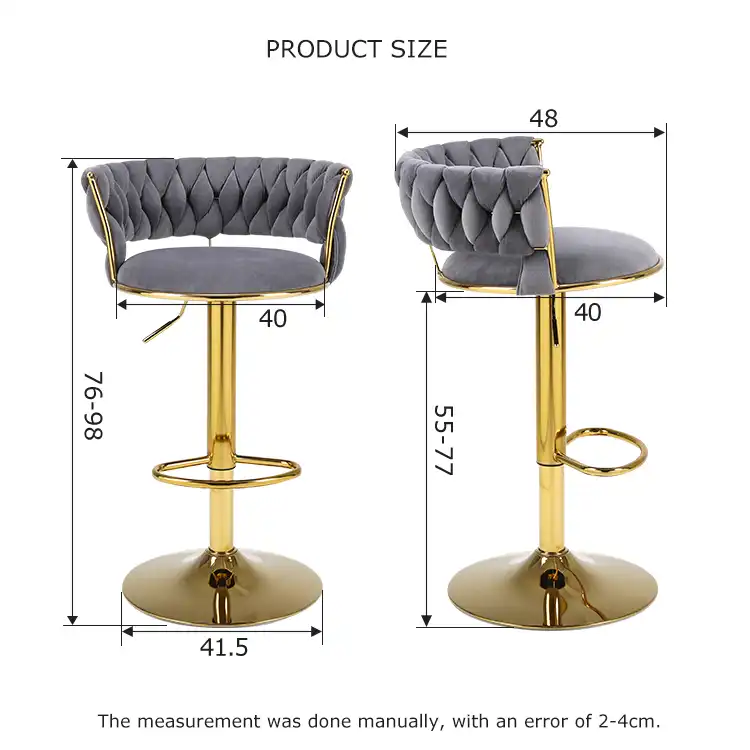
In business settings, the durability depends on the details of the building. A secondary air rod system with a grade of 330 makes it easy to change the height over an 8-inch range, so it can fit counters that are 30 to 38 inches high. The 385mm circular plating round frame, which is made to be 1.1mm thick, spreads weight out evenly while still looking light. Half-circle footrests with iron handles meet ergonomic needs by letting people rest their feet easily while keeping their stance. These engineering standards directly fix common problems like structures that aren't stable when leveraged, adjustment systems that wear out too quickly, and uneven weight distribution that damages floors.
Long-Term Value Proposition for Commercial Projects
It's helpful for procurement teams to know about success measures that affect the total cost of ownership. Good silver finishes can stand up to 24-hour salt spray tests, which make sure they can handle the humidity and cleaning chemicals that are common in bars. PVD titanium coats have hardness values of around 2000 HV, which makes them much less likely to scratch than regular spray paint. When surfaces are properly treated, they keep their color even across production runs and years of use, which is very important when replacing individual units in bigger systems. Commercial-grade models can take static loads of more than 300 pounds, which is good for high-traffic dining settings where people of different weights need to be safely housed.
Choosing the Perfect Golden Bar Stool for Your Home Bar Project
Style Categories and Design Integration
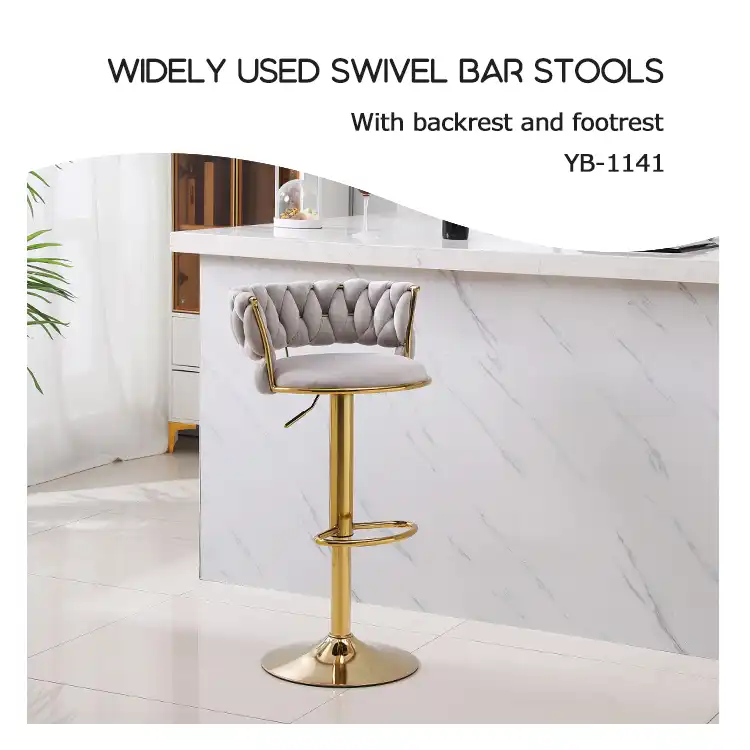
Metallic gold seating comes in a wide range of styles, from simple geometric shapes to elaborate silhouettes that look like they came from the past, and a golden bar stool exemplifies this versatility, offering everything from sleek minimalism to ornate vintage-inspired designs. Modern designs focus on clean lines, with thin metal legs and low-profile backrests that fit right in with high-end modern settings. Curved elements and tufted fabric are common in Art Deco versions, which are a nod to the glitz of the 1920s while still being durable and useful. The process of choosing should fit in with the general style of the room. For example, brushed gold finishes look good in industrial-chic rooms and mirror-polished surfaces look good in high-gloss modern rooms. When procurement professionals understand these differences, they can choose goods that go well with current design elements and color schemes for furniture.
Ergonomic Considerations and Seating Comfort
Height requirements have a direct effect on how happy users are and how well spaces work. Counter-height types with seat heights of 24 to 26 inches go well with 36-inch countertops and can be used in kitchen islands and casual eating bars. Bar-height models that are 28 to 30 inches high can fit standard 40- to 42-inch raised bars, making sure that your legs and arms are in the right places. The style of the backrest affects how comfortable it is to sit for long amounts of time. Low-back styles make it easier to move around and talk to other people, while mid-back styles with lumbar support make it easier to have longer chats. Cushion density is very important. High-resilience foam ranked above 45 kg per cubic meter keeps its form after thousands of sitting cycles, which isn't possible with lower-quality materials.
Material Quality and Maintenance Requirements
How the surface is treated decides how much care is needed and how long it will last. Titanium Nitride PVD coats are better at blocking UV rays, so they don't fade like cheaper options do after just a few months in the sun. Cross-hatch adhesion testing makes sure that coating bonds don't come apart when they're stressed, especially at places with a lot of motion, like seat edges and footrests. Choosing the right upholstery fabric affects how to clean it. For example, crypton-treated fabrics don't soak up liquid messes but let moisture vapor pass through, keeping you comfortable without absorbing spots. When purchasing in bulk, purchasing managers should ask for the results of the Martindale rub test. Ratings above 20,000 rounds show commercial-grade longevity, making the item suitable for use in hospitality settings where heavy use and daily cleaning are common.
Procurement Insights: How to Source Golden Bar Stools Effectively?
Evaluating Manufacturing Partners and Quality Assurance
To find high-end seats for business projects, suppliers must be carefully checked out beyond just looking good in a catalog. Companies like Anji Yibo Furniture have been making specialized furniture for 14 years and have 6,000-square-meter factories that can produce at the container level. This chart shows how much space is available for quality control and on-time delivery of large orders. As part of the verification process, BIFMA X5.1 or EN 12520 compliance testing should be done, along with drop tests and static load studies to make sure the structure is safe. Weld quality at footrest joints is a frequent place where things go wrong; full-weld seams last a lot longer than spot welds. Engineering teams can make sure that standards are met before committing to large-scale purchases by asking for test results and production samples.
Customization Capabilities and OEM Advantages
When buying in bulk, the specs often need to be changed to fit the needs of the market or the brand, and for a golden bar stool, this could mean adjusting the seat height for local counter standards, modifying the gold tone from bright polished to brushed antique, or specifying custom upholstery colors to match a chain's interior palette. Through ODM relationships, changes can be made to the color of the fabric, the size of the seats, and the tone of the finish to match regional fashion trends. In small bars, changing the base width or the position of the seat can help with space issues. Custom packing solutions lower the number of damaged packages during shipping while also making the best use of containers. For example, space-saving carton arrangements can cut the cost of handling by 15 to 20 percent for foreign shipments. Suppliers with dedicated research and development (R&D) teams can come up with unique designs that set their products apart in competitive markets. This gives wholesalers unique selling points that can't be found in standard stock options.
Logistics and International Shipping Considerations
Orders at the container level make it harder to make sure quality and shipping times are met. Reliable makers keep extra stock on hand and can change their production plans to adapt to changes in seasonal demand. Standard packing specs, like two units per 80x47x52.5cm carton, find a good mix between security and volume economy, with 0.197 cubic meters per pair. The average net weight of 17.7 kg per box affects how much freight is charged and how the goods must be handled. For customs clearance in North American and European markets, experienced importers provide a lot of paperwork, such as material safety data sheets and compliance licenses. With an average delivery time of 30 to 45 days from order confirmation to port arrival, you need to plan ahead. However, delays that affect project dates are kept to a minimum by well-established transport networks.
Maintenance and Care: Prolonging the Life of Golden Bar Stools
Daily Cleaning Protocols for Metallic Finishes
Gold-plated surfaces need gentle, regular care to keep their mirror-like shine. Soft microfiber cloths that have been dampened with a light soap solution can clear dust and fingerprints from a surface without scratching it. Abrasive brushes or acidic cleaners like vinegar-based products damage metal in a way that can't be fixed. In business settings with a lot of touch, wiping down surfaces every day keeps oils and residues from building up and dulling the shine of metal over time. Adjustable nylon glides that cover floors should also be checked on a regular basis. Worn glides cause uneven weight distribution, which puts stress on frame joints and damages hardwood or tile finishes.
Upholstery Care and Stain Management
Velvet and fake leather furnishings need to be cared for in different ways. Soft-bristle brushes should be used once a week on velvet surfaces to restore the nap direction and keep high-contact areas from getting matted. If you clean up spills right away by blotting them instead of rubbing them, the liquid won't get into the foam cores. To keep synthetic leather from breaking, it needs to be condition every six months. This is especially important in places where the temperature changes often. When commercial-grade fabric protectors are put on during the initial installation, they create hydrophobic shields that give you more time to get rid of stains. This means that wine or food spills that happen a lot in bars don't cause lasting damage.
Structural Inspections and Warranty Navigation
Critical stress points should be inspected every three months as part of proactive maintenance plans, and for a golden bar stool, this means checking the weld joints where the legs meet the seat ring, as well as the footrest attachments that bear repeated weight shifts. Height-adjustment systems need to be checked to make sure they work smoothly without grinding or slipping. Gas tank failures usually show warning signs like slowly losing height before they stop working altogether. Footrest connection points get stressed out from holding weight over and over again. Finding small cracks or loose welds early on keeps them from breaking in a big way while they're being used. Manufacturers with a good reputation will cover manufacturing flaws under a guarantee that lasts for two to three years for structural parts. Taking pictures of damage and keeping track of purchases makes filing claims easier and faster, and it makes sure that replacements come before inventory gaps stop operations.
Design Inspiration: Creating a Luxe Home Bar Atmosphere
Color Palette and Material Harmonization
Gold-toned seats is like gold in space compositions; it needs to be carefully coordinated with other elements in the room. When you mix warm gold finishes with deep jewel tones like emerald velvet, sapphire textiles, or burgundy leather, you get a rich, cozy atmosphere that makes you think of fancy drinking bars. On the other hand, brushed gold mixed with cool grays and whites creates a modern grace that works well in simple rooms. Natural materials, like wood tables or marble backsplashes, give a room a difference in texture that keeps metal from being too dominant. Due to the fact that gold surfaces reflect light, placing stools so that they can be seen in both natural and artificial light makes them look their best throughout the day.
Lighting Strategies to Enhance Metallic Accents
With the right lighting, golden bar stools can go from being just furniture to being focus points. Recessed ceiling spotlights set at a 30-degree angle make highlights that bring out the curves and depth of the metal. Under-the-counter LED strips with warm color temperatures around 2700K naturally go with gold tones and don't have the cold blue cast that comes with higher Kelvin ratings. Pendant lights with metal shades create a visual rhythm by echoing the finishes on stools at higher viewing angles. With dimmer controls, you can change the mood from a bright afternoon to a cozy evening, and the gold surfaces will reflect and diffuse light in a dynamic way as the levels change.
Spatial Planning for Functionality and Flow
For ease and traffic flow in bars, make sure there is enough space between things. Setting 24 to 30 inches of space center-to-center between stools gives you extra room without isolating yourself, and it works with normal types that have 15-inch seat widths. The overhangs on the counters should be 10 to 12 inches so that your knees don't touch anything and you can stay comfortable while sitting for long amounts of time. For small rooms, swivel bases make it easier to move around, while fixed types work well for lining up along walls. Placing the footrest 8 to 10 inches below the seat height works for people with average-sized legs and lower backs. This is something that buying teams should check when they are describing ergonomic needs.
Conclusion
Designing a fancy bar area with gold-finished chairs requires both an eye for style and knowledge of how to get things, and a golden bar stool serves as the perfect anchor piece when selected with attention to finish quality, frame stability, and ergonomic proportions. Knowing about the details of a material, like its PVD coatings and foam density rates, helps you make smart choices that combine how it looks with how well it works in the long run. Finding experienced makers with proven OEM skills and foreign logistics knowledge can help lower the risks that come with large orders while still letting you make changes that make your products stand out in the market. Following the right care steps will keep the original beauty and structural stability, giving you the best return on your investment over many years. By carefully combining these things—quality materials, ergonomic design, strategic lighting, and space planning—procurement professionals create places that are both appealing to end users and durable enough to meet strict business standards.
FAQ
Will gold finishes fade in high-traffic commercial bars?
Premium PVD titanium coats don't break down in UV light and keep their color even after years of being exposed to it. Cheaper spray-painted options break down quickly, so it's important to check the surface treatment method when buying.
What height adjustment range suits diverse counter configurations?
Good models have 8-inch adjustment spans that go from 30 to 38 inches, so they can fit both normal counter heights of 36 inches and raised bar surfaces that reach 42 inches. This gives you options for a wide range of fitting needs.
How do I verify structural safety for heavy commercial use?
Ask for proof that the product has been tested to meet BIFMA X5.1 standards and can withstand a 300-pound standing load and a drop test. Check the welds on the footrests. Full-seam welds are much more durable than spot-weld construction.
Can upholstery options be customized for specific markets?
Established makers back OEM relationships that let customers choose the fabric, change the color, and change the size. This adaptability lets them fit in with regional tastes in style and private label branding plans.
Partner with YIBO: Your Trusted Golden Bar Stool Manufacturer
YIBO has been making high-end chairs for 14 years, and they do business out of Anji, which is known as China's furniture production hub. Our 6,000-square-meter factory combines cutting-edge plating technology with skilled craftsmanship to regularly make container amounts that meet international quality standards. We are experts at making golden bar stools, and we can do both OEM and ODM. This means that you can choose the exact materials, styles, and sizes that your market needs. From the first idea to delivery, our engineering team is there to help with technical paperwork, compliance certifications, and models for you to look over. Space-efficient packaging cuts down on shipping costs and keeps goods safe while they're being shipped abroad. You can email our buying experts at yb@ajyibo.com to talk about bulk prices, custom development, or setting up visits to our facilities. Let our experience making things give you an edge over your competitors when it comes to providing top-notch luxury seats options.
References
Henderson, M. (2021). Commercial Furniture Specification: Materials and Durability Standards. Hospitality Design Publications.
Association of Contract Textiles. (2020). Performance Testing for Commercial Upholstery Fabrics. ACT Standards Manual, 7th Edition.
BIFMA International. (2019). ANSI/BIFMA X5.1-2017: General-Purpose Office Chairs—Tests. Business and Institutional Furniture Manufacturers Association.
Nielson, K. & Taylor, D. (2022). Interior Design: Practical Strategies for Teaching and Learning. Wiley Publishing, Chapter 12: Metal Finishes and Surface Treatments.
Zhang, L. (2020). Advances in PVD Coating Technology for Architectural Hardware. Journal of Materials Processing, Vol. 34, pp. 412-428.
Ramirez, C. (2023). Sourcing Strategies for International Furniture Procurement. Global Supply Chain Quarterly, Spring Issue, pp. 56-71.