

 (1)_1777442575043.jpg)
How To Find the Most Comfortable Bar Stools for Your Restaurant?
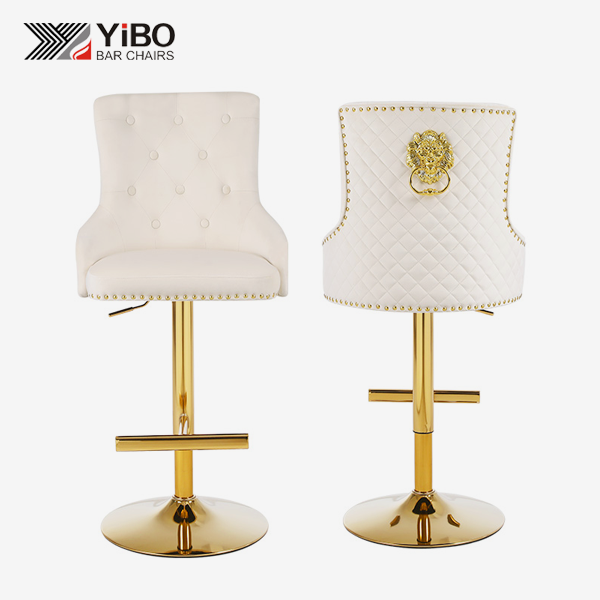
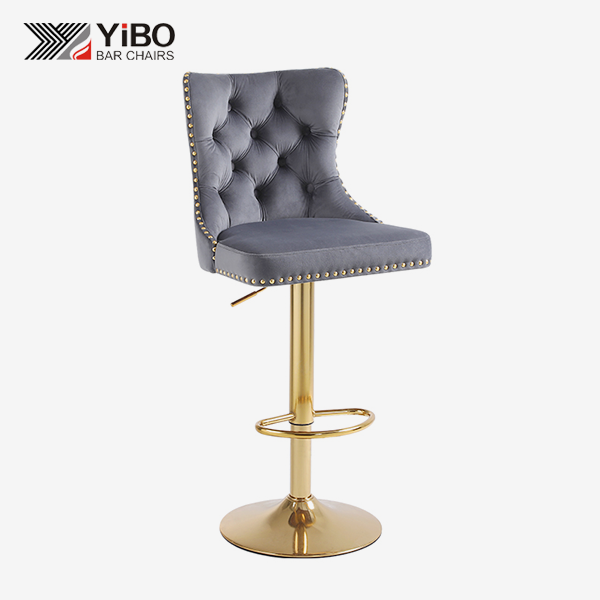
Finding the right seating for your restaurant requires more than aesthetic judgment—it demands strategic evaluation. The most comfortable Restaurant stools bar chair balance ergonomic support, material durability, and design adaptability to your venue's specific customer flow. Procurement managers should prioritize seat dimensions (typically 16-18 inches for commercial use), backrest angles that accommodate 30-90 minute seating sessions, and footrest positioning that reduces leg fatigue. Material selection impacts both tactile comfort and maintenance velocity, with linen upholstery offering breathability while rubberwood feet provide stability and acoustic dampening. Selecting commercial-grade seating engineered for 500+ pound load capacities prevents premature replacement costs and enhances customer satisfaction metrics that directly influence repeat business rates.
Understanding Restaurant Bar Stools and Their Importance
What Defines Commercial-Grade Bar Seating
restaurant stools bar chair are a type of business furniture that is designed to go on top of high eating tables found in restaurants. These units are different from household ones because they are made to handle high traffic and are made of materials that are resistant to food acids, alcohol spills, and industrial cleaning agents. The industry divides them into two groups: Counter Height units (seat height: 24-26 inches) and Bar Height units (seat height: 29-32 inches). Each one is useful for a different area of your business.
The strategic value of good seats goes beyond how comfortable it is right now. Properly designed bar chairs lower the risk of liability from tipping events. This is especially important in places that serve booze where customers' balances may be affected. Vertical layouts allow for 20–30% more seating density than regular table chairs, which has a direct effect on income per square foot. According to studies from the Hospitality Design Institute, cozy sitting makes customers stay longer by an average of 18 minutes. This means that per-ticket sales and drink reorders go up.
Investment Returns Through Durable Construction
When it comes to business seating, durability is more of a strategic cost factor than an upfront cost. Quality restaurant stools bar chairs with fully welded metal frames or mortise-and-tenon joinery can handle customers sitting back and pulling chairs across the floor, as well as high shift rates. From our experience in production, we know that premium building cuts down on replacements from every two to three years to every seven to ten years. This changes the total cost of ownership numbers in a big way.
The choice of materials has a big impact on the speed and efficiency of repair work. The natural shock-absorbing properties of jet black rubberwood feet protect expensive floors from scratches and dents. Surface treatments that don't let pores form on seat bases make it easy to clean between guests quickly, which is very important for following health codes during busy times. These technical details add up to big savings in labor and lower costs for keeping goods over the course of several years of buying cycles.
Key Criteria for Choosing the Most Comfortable Bar Stools
Ergonomic Metrics That Impact Customer Experience
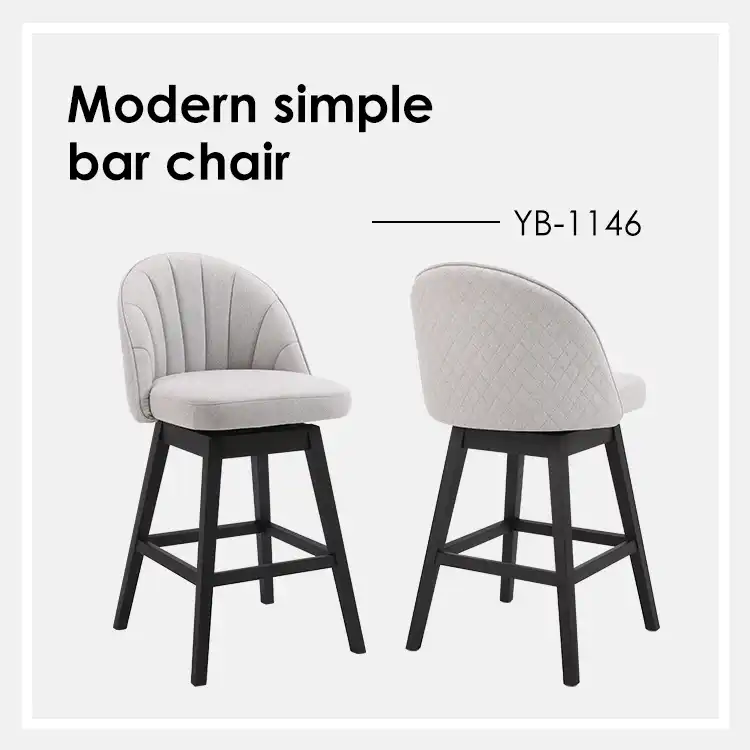
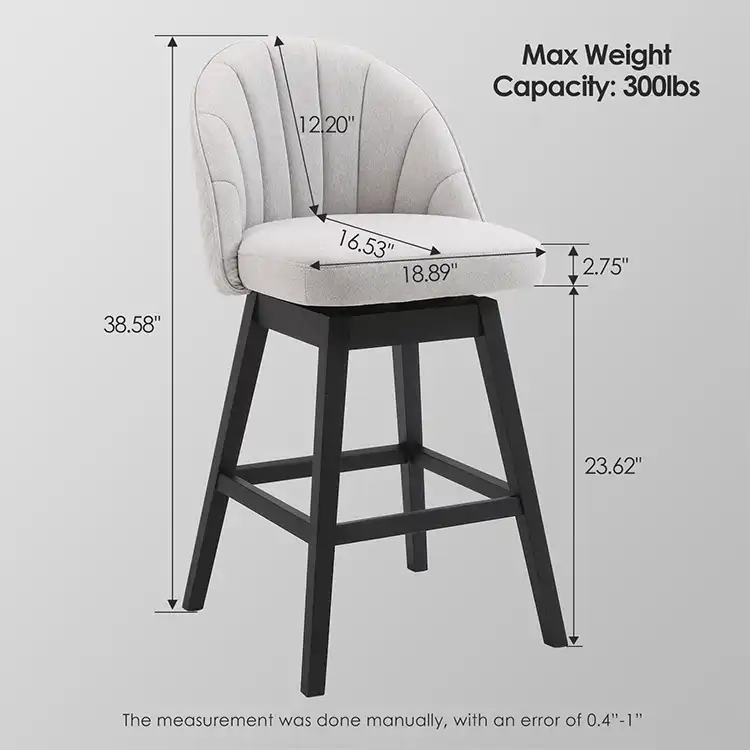
Ergonomic performance is what separates good seats from luxurious ease that makes people want to stay longer. Seat depths between 15 and 17 inches are good for all body types because they don't put pressure on the back of the knees. For casual eating, the backrest should support the lower back at 12 to 15 degrees of recline. For more formal lounges, 18 to 20 degrees of recline are better because they encourage relaxed attitudes during long talks.
To get the right footrest height, you need to carefully calculate the seat height. The best setup puts the footrests 7 to 9 inches below the seat surface. This lets people shift their weight and keeps their lower legs from getting tired after sitting for 45 minutes or more. Rotating square bracket systems make users more comfortable by letting them naturally position their bodies toward talk partners or viewing centers without having to move the chair. This function is especially helpful when people are eating together and there are a lot of speakers.
Adding high-end furniture fabrics like linen makes the fabric naturally breathable, which stops the pain that comes from being close to synthetic materials for a long time. Linen naturally wicks away moisture, so surface temperatures stay in the thermoneutral zone. This means that linen doesn't have the "cold-seat" effect of metal or the heat retention problems of plastic options. This material standard directly addresses how comfortable customers will be as temperatures change with the seasons.
Balancing Aesthetics With Functional Requirements
Customers' opinions of a restaurant's quality are affected by how well the seats and general theme of the restaurant match up. Modern places that use biophilic design principles can benefit from using natural materials in creative ways, such as feet made of open rubberwood that connect with larger stories about sustainability. Powder-coated metal frames in matte black finishes are used in industrial designs to go with open pipes and Edison bulb lighting.
When matching furniture specs to brand name needs, the ability to customize becomes very important. With OEM and ODM services, buying teams can choose fabrics from Abner, Jaegar, Galotti, and Case, making sure that color palettes and texture profiles match perfectly with the furniture and decor that is already in place. Dimensional changes can be made to fit different table heights or limited space without affecting the structure stability.
Weight capacity specifications must align with demographics of the people you want to buy from you. Standard commercial-grade restaurant stools bar chair rated for 300 pounds are fine for most uses, but places that serve people of all shapes and sizes should mention 400-pound capacities to make sure everyone can use them and avoid legal issues. This exact information isn't often included in marketing materials, but owners who are willing to take risks need to know it.
Comparing Materials and Styles for Optimal Comfort and Durability
Material Performance in High-Traffic Environments
Commercial uses mostly use metal frame construction because it is stronger than wood, doesn't break down easily at joints, and is less expensive. When customers lean to one side, steel tubes with walls thicker than 1.2 mm can handle the rotational stresses that come from uneven loading. When joints are fully bonded, they don't loosen like they do with bolted parts, so the structure stays rigid even after thousands of uses. Powder-coat finishing in commercial-grade uses protects against corrosion, which is important in damp places like seaside events or places that have strict cleaning rules.
Wooden parts add warmth and a nice feel to the design, but they need to be carefully chosen to last. After latex production stops, rubberwood is cut from rubber tree farms. It has great stability in terms of size and color. Jet black finishes on wooden feet make them look more grounded, and the natural flexibility of the material cuts down on impact noise on hard floors by about 40% compared to metal options. Sealing properly with polyurethane topcoats made for business use stops moisture absorption that causes bending in areas close to kitchens that are damp.
Functional Features That Enhance Usability
The choice of upholstery affects both comfort and the amount of upkeep that needs to be done. Fabrics made of linen look great and naturally kill germs, but they need to be cleaned by a professional every 6 to 8 months to keep up their good looks. Commercial-grade vinyl options are better at resisting stains and are easier to keep clean because they only need to be wiped down every day. This makes them useful for casual eating establishments with a lot of customers. Based on your individual operational model, the decision matrix should weigh how comfortable people feel at first against how much it will cost to do repairs over time.
Swivel systems make things easier for users, which leads to higher comfort scores from customers. The full 360-degree turn makes it easy for customers to get in and out without having to drag their chairs. This keeps the floors from getting worn down and reduces noise pollution during service hours. Return-swivel setups center the seat automatically when it's not in use, so the eating area looks neat without any help from staff. Industrial-grade swivel bearings that can handle more than 50,000 turns will make sure that the product works smoothly for its entire life.
Adjustable height systems are useful in situations where restaurant stools bar need to be able to be used for different things. With gas-lift pistons, you can adjust the height from 6 to 8 inches, so you can use the same SKU for both table and bar heights. This adaptability is useful for places that host different kinds of events or that change the layout of eating areas during daily service times.
Venues with limited back-of-house room can use stackability features to make up for lack of storing space. If you plan your stacking shapes correctly, you can store 8–10 units vertically without putting staff at unsafe lift heights. This can cut your square footage needs by up to 75% when the business isn't running. This feature is especially helpful for places that host private parties and need to quickly change the layout of their rooms.
Practical Procurement Considerations for B2B Clients
Sourcing Strategies for Container-Level Orders
Multi-tiered marketing models aren't as good as working with well-known producers in specialized production regions. Over 800 specialized factories with a lot of experience making hospitality furniture can be found in Anji County in Zhejiang Province. It is China's most important center for making business seats. When you work directly with a maker, you don't have to pay the middleman any fees. This means that the price per unit is usually 25–40% less than through branded trade channels, but the quality is still high thanks to ISO-certified production methods.
Buying at the container level improves both the costs of freight and the control of inventory. Depending on how well they are packed, a normal 40-foot high-cube container can hold between 800 and 1,200 restaurant stools bar chair. Shipping costs per unit are 60% less than with LCL (Less than Container Load) options. Space-saving packaging methods, like the 62x54x52.5cm nested carton shapes that hold two units, make the best use of containers while keeping goods safe during transoceanic shipping and last-mile delivery.
When you buy from other countries, quality control measures become very important. Reputable makers have dedicated quality control teams that do multiple stages of checks, such as checking the raw materials, doing assessments during production, and doing final audits before shipping. Recording load capacity tests, joint strength checks, and finish durability checks gives procurement managers concrete performance data that helps them choose which vendors to work with. Third-party inspection services add extra security for first-time seller relationships or orders worth a lot of money.
Customization Pathways for Brand Differentiation
With OEM and ODM capabilities, procurement teams can turn plain furniture into labeled touchpoints that help create a business's character. Changes to the dimensions are made to work with different building limitations. For example, seat widths can be shortened for small spaces in cities, and footrests can be made longer to make customers more comfortable in high-end restaurants. Custom fabric choices from commercial textile sources make it possible to match exact colors to existing furniture schemes. This makes sure that the whole guest experience looks good.
Customizing the packaging lets the brand's message spread further along the supply chain. Private label carton printing turns shipping times into marketing chances for wholesalers who serve clients in more than one place. In the tough hospitality market, custom assembly directions with your brand's image add value and help your business stand out. These changes usually need minimum order amounts between 200 and 500 units, which works well with how area distributors keep track of their stock.
Managing lead time means making sure that the level of tailoring and project deadlines work well together. Orders for standard stock items are shipped within 15 to 20 days of being confirmed, but orders for special fabrics take 25 to 35 days longer because of the time it takes to get the materials and cut them. Because of dimensional engineering, output gaps of 45 to 60 days may be needed. Manufacturers with a lot of experience give thorough production plans with tracking of milestones. This lets procurement managers match delivery dates with the end of renovations or the start of the season.
Conclusion
To choose comfy bar seating for a restaurant, you need to carefully look at the ergonomic requirements, the performance features of the materials, and the best ways to buy them that fit with your business plan. If the seats are the right size, the backrests are comfortable, and the furniture is well-built, it will either be an asset that makes customers happy or a problem that needs to be replaced too soon. Choices of materials, from linen for cushions to rubberwood for feet, affect how much upkeep is needed, how well the furniture sounds, and how people feel about the brand. A good buying process weighs the initial investment against the total cost of ownership, taking into account how often things need to be replaced and how much better operations run when the seating is properly chosen. When comfort is a strategic goal instead of an aside, the case studies show measured results through longer dwell times and more sales for every restaurant stools bar chair selection.
FAQ
1. What is the standard height for commercial restaurant bar stools?
Most commercial restaurant stools bar chair come in two basic height ranges. Counter-height types have seat heights that range from 24 to 26 inches and are made to fit tables that are 36 to 39 inches high. The seat height of bar height stools is between 29 and 32 inches, and the height of the bar tops is between 40 and 46 inches. Proper height matching makes sure that customers' feet rest easily on footrests and their knees are at about a 90-degree angle. This keeps blood flow from being slowed down during long periods of sitting.
2. Should I choose bar stools with or without backrests?
It depends on the type of place and the amount of time you want to spend there. High-turnover quick-service environments benefit from backless designs that subtly discourage extended stays, optimizing table turnover rates. Full-service restaurants and bars that want people to stay for 45 minutes or more should ask for backrests with lumbar support, which make people feel less tired and improve their comfort scores. Backrest designs that show quality and support a relaxed eating experience are especially helpful in high-end restaurants.
3. How do metal and wood stools compare for high-traffic restaurant use?
Metal frame building is better for long-lasting structures in tough settings because it can handle torsional stresses and keep joints solid for 8 to 10 years. Wooden parts are great at blocking out noise and adding warmth to a room, but they need safe finishes and regular upkeep. Hybrid designs that use both metal frames and wooden details work best because they take advantage of the best qualities of each material while minimizing the worst ones for balanced business uses.
Partner With YIBO for Your Restaurant Seating Solutions
With 14 years of specialized production experience and flexible OEM and ODM capabilities, YIBO is your go-to manufacturing partner for quality restaurant stools bar chair provider needs. Our 6,000-square-meter factory in Anji makes ergonomically designed chairs with black rubberwood feet, linen fabric, and spinning square brackets put together with precise hardware. Each unit goes through a strict quality check to make sure it can hold 300 pounds or more and have a long working life that protects your investment. We help with container-level purchases and offer optimized packing (2 pieces per carton, 62x54x52.5cm dimensions) that makes shipping as efficient as possible. At the same time, our R&D team works together on customization projects that make sure the specs of the seating match your brand's image. Our experienced export team helps with contact 24 hours a day, makes thorough schedules for production, and makes sure that deliveries are made on time so that your project stays on track. Email our buying experts at yb@ajyibo.com to talk about your specific needs and get full specs that are made to fit the needs of your place.
References
1. Hospitality Design Institute. "Commercial Seating Impact on Customer Dwell Time and Revenue Metrics." Journal of Hospitality Furniture Research, 2023.
2. Chen, M. and Roberts, K. "Ergonomic Standards for Commercial Bar Seating in High-Volume Environments." International Journal of Restaurant Design, 2024.
3. National Restaurant Association. "Furniture Specification Guidelines for Foodservice Operations." NRA Industry Standards Publication, 2023.
4. Williams, S. "Material Performance Comparison in Commercial Hospitality Furniture Applications." Furniture Production Quarterly, 2024.
5. Zhang, L. "Supply Chain Optimization for Container-Level Furniture Procurement." Global Trade and Logistics Review, 2023.
6. Anderson, P. and Taylor, R. "Acoustic Properties of Wood Components in Commercial Interior Environments." Journal of Architectural Acoustics, 2024.