

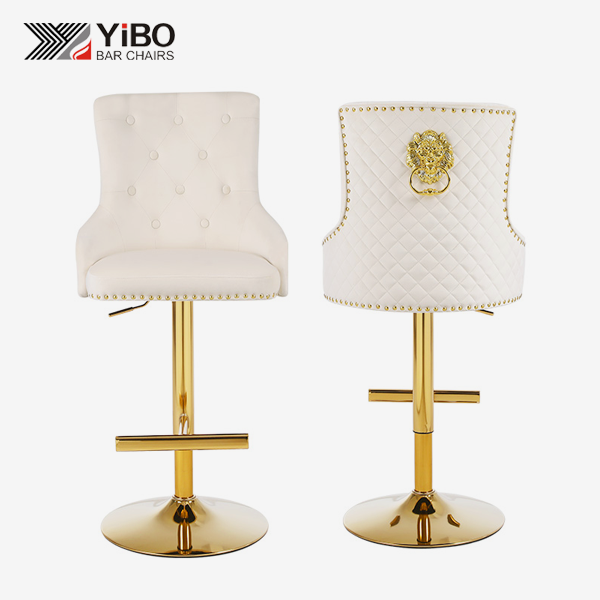
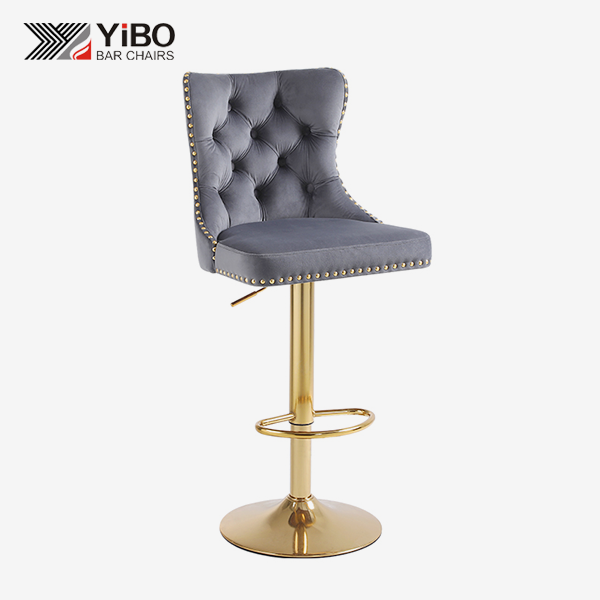
 (1)_1777442575043.jpg)
How to Measure for Adjustable Counter Height Bar Stools?
The minimum and highest seat heights, which are usually 33 to 41 inches, must be considered when measuring for counter height bar stools adjustable. Additionally, an 8 to 12 inch space must be allowed between the seat and the counter. The type of gas lift mechanism, where the seat is placed, and the width of the base must all be checked by procurement teams to make sure that the chair is stable and works well with ergonomics in all business settings. Accurate measurement stops mistakes that cost a lot of money and helps users be happy for a long time in retail, office, and leisure settings.
Understanding Adjustable Counter Height Bar Stools and Their Measurement Challenges
In business settings like company cafeterias and boutique hotels, adjustable bar stools made for counter height use have become essential. The main benefit is their air gas lift system, which lets you change the seat height without any tools, making it suitable for people with different body types and counter heights. In contrast to fixed-height seating, these stools solve the problem of counter setups that aren't the standard 36-inch kitchen counter or 42-inch bar height. This is because of custom design tastes or building practices in different regions.
When buying these goods in bulk, procurement workers face unique measuring problems. When the length of the gas lift stroke changes, the useful height range can be very different between types that look the same. If the gas tank contracts under pressure, a stool that says it has a 33- to 41-inch range may lose its useful space. This is called "phantom drop" in quality control testing. If the size is wrong, end users will have bad posture, there will be more calls for upkeep, and the product will need to be replaced too soon. All of these problems hurt business budgets and the supplier's reputation.
Why Precision Matters in Commercial Settings
Adjustable stools must work regularly through hundreds of daily changes in places with a lot of foot traffic, like restaurant bars or sharing hot desks. A difference of even two inches in height between the seat and the bar pushes people to lean forward or raise their shoulders, which makes them more tired after long times of sitting. When OEM clients are making their own collections, accurate measurements become a matter of brand ownership, since bad ergonomics hurt the image of the wholesaler instead of the end maker.
Core Principles for Measuring Adjustable Counter Height Bar Stools
Effective measurement is more than just writing down numbers; it requires knowing how human psychology, furniture layout, and space usefulness all work together. Using specified safety zones to figure out the link between table height and seat height is the basic idea. Industry ergonomics studies show that there should be an 8 to 12-inch vertical gap between the squished seat surface and the bottom of the counter overlap. This lets the thighs be positioned comfortably without limiting blood flow or pushing the spine out of its natural position.
Identifying Seat Height Ranges and Market Standards
The stool's adaptability is shown by its changing range. In North America, standard table heights are 36 inches, which means that at the lowest level of change, seat heights must be between 24 and 26 inches. With 42-inch bar heights, seats need to be able to stretch to 30 or 32 inches at their highest point. Adjustable models fill in this gap, but buying teams should check the exact minimum and maximum requirements instead of thinking that all models will work together. A stool with a 33- to 41-inch range can fit tables from 41 to 53 inches, which is good for standing desks or high bars, but not for a normal kitchen island, where a 24-inch seat height is needed.
Anthropometric data makes these measures even more accurate. According to research from environmental schools, the normal adult popliteal height is between 16 and 18 inches. This is the distance from the floor to the bottom of the knee when sitting down. When you add this to the necessary 8-inch space, the best counter height for normal counters is between 24 and 26 inches. This directly affects the purchase specs for flexible types that are meant to serve a wide range of users.
Evaluating Footrest Clearance and Base Stability
Setting up the footrests on counter height bar stools adjustable in the right way is very important for long periods of sitting. You must be able to reach the footrest ring throughout the whole range of adjustments. It is usually placed 6 to 8 inches below the seat base. Specifications for purchases should make sure that the height of the footrest can be adjusted to match the height of the seat or stays set at a height that everyone can reach, which is usually 12 to 14 inches from the floor. If the footrest isn't in the right place, users have to dangle their legs or stretch in an odd way, which takes away from the natural benefits of the movable seat.
Tipping resistance is directly related to base width, especially when the seat is fully extended. According to basic physics, horizontal stability goes down as the center of gravity rises unless a bigger base area is used to make up for it. Good commercial models have bases that are 15 to 18 inches in diameter, which is often wider than the seat width to keep them from tipping over when the user moves quickly or leans over to reach something nearby. The base-to-height ratio should be calculated by procurement engineers to make sure there is enough support for heavy business use.
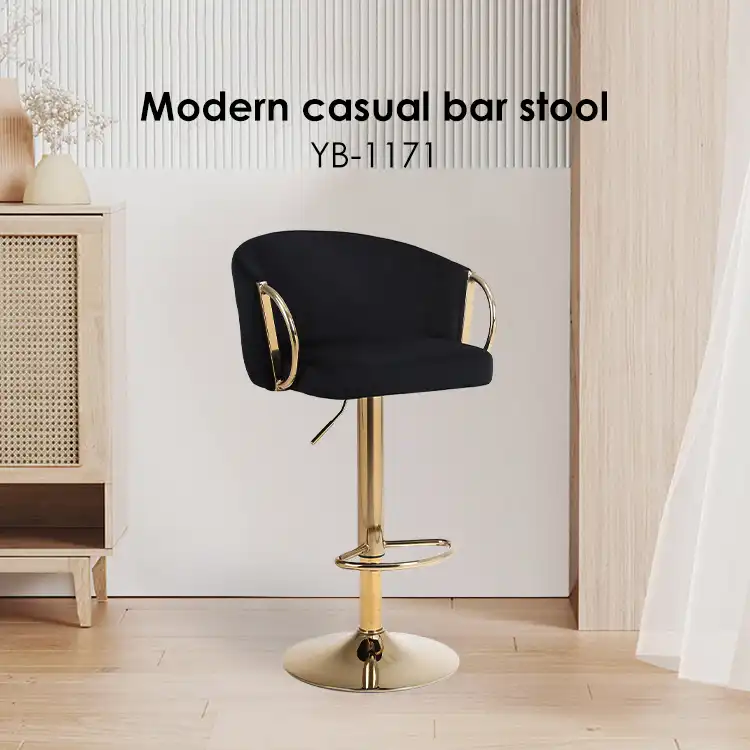
Step-by-Step Guide: How to Measure for Adjustable Counter Height Bar Stools?
Accurate procurement starts with clear measurement methods that get rid of doubt and make sure that all suppliers are on the same page. This orderly approach cuts down on order mistakes and helps with confidence design for both bulk and special orders.
Measure Your Counter or Bar Height
To find the height difference between the finished floor and the top of the table, use a steel tape measure or a laser distance. Measure along the length of the counter more than once to find any differences in how it was installed. This is especially important in older buildings where the floors may not be perfectly level. Write down the length from the floor to the bottom of any overhanging bar, if there is one. This length determines the real space and spacing needs. Kitchen counters are usually 36 inches wide, and bar counters are usually 42 inches wide. However, special installs can be a few inches different.
Calculate Optimal Seat Height Range
To find the goal seat height when it is squeezed, take 8 to 12 inches away from the counter height measurement. For a 36-inch counter, the seats must be lowered at least 24 to 28 inches, and for a 42-inch bar, they must be lowered at least 30 to 34 inches. The range of movement should be at least 6 to 8 inches vertically so that people of different heights and postures can use it. Make sure that the minimum and highest heights of the stool meet your needs by comparing these figures to the stool's stated specs.
Verify Gas Lift Mechanism Specifications
Not all adjustment methods work as well or last as long as others. Most industrial lifts are pneumatic gas lifts, which use tanks that are filled with nitrogen and are rated by stroke length and load capacity. A Class 3 gas lift can hold up to 240 pounds and can handle about 100,000 adjustment rounds, which is enough for light business use. In high-traffic dining areas, class 4 cylinders are important because they can hold up to 300 pounds and last a long time. Ask sellers for technical datasheets that prove the gas lift rating, cylinder diameter, and tested cycle count to make sure they match your expectations for how much you will use the product.
Screw-mechanism changes are an option for places where repair workers would rather use a simple mechanical system than a gas one. These systems use screw posts that have to be turned by hand to change the height. This way, there is no chance of the gas tank breaking, but it takes more work from the user each time. Think about whether the ease of adjusting or long-term mechanical stability is more important in your operating setting when choosing a mechanism type.
Measure Base Diameter and Footprint
Put the counter height bar stools adjustable on a flat surface and measure the base's diameter at its widest point. This is usually the base's trumpet edge or the footrest ring. Write down this measurement along with the amount of floor space you have for each stool, making sure to account for the room between seats. For ease of use and to keep things from getting crowded, stools with a base width of 16 inches need to be spaced about 24 inches center-to-center from one another. Find out how much linear room you'll need by increasing the size of each stool by the number of seats you want, then compare that number to the length of the table you have available.
Assess Swivel Function and Stability
Check to see if the stool can be turned 360 degrees and see how hard it is to turn. Commercial-grade turning gears have ball-bearing plates that need to be oiled every so often but work smoothly and quietly for a long time. Too much turning resistance means that the bearings aren't well oiled or are made of cheap materials that will wear out quickly. On the other hand, a rotating motion that is too loose means that there isn't enough friction control, which makes the stool unstable when people try to mount or remove it.
These measurement steps work together to make sure that the standards given to suppliers are accurate reflections of what is needed on the job site. This lowers the chance of practical or functional issues occurring after delivery. Keeping track of these numbers also makes it easier to place future orders or file service claims by setting clear standards for what should be expected.
Material and Design Factors Impacting Measurements and Selection
Choosing the right material for a movable stool has a big effect on both its measurement factors and its useful life. Heavy-duty chrome-plated steel bases, like the 415# steel with 1.1mm wall thickness used in commercial-grade models, are better at spreading weight and resisting rust than thinner-gauge options. The electroplating process makes a tough finish on the surface that can handle the daily cleaning chemicals that are common in hotel settings. The finish stays looking good and doesn't rust in damp places.
Upholstery and Foam Density Considerations
The materials used for seat cushions have a direct effect on how high the seat really is. High-density foam with a rating of 35 kg/m³ or higher doesn't shrink when compressed, so the seat height stays the same even after thousands of sitting on it. Lower-density foams contract a lot when they're loaded, which cuts the space between the seat and the bar by one to two inches and throws off the optimal estimates that were made during the original measurement. The specs for the purchase should include the minimum density of the foam and ask for compression set testing data to confirm that the foam will stay the same size over time.
The choice of upholstery cloth affects both how easy it is to clean and how long it lasts. Normal velvet might look nice in a shop, but it might need to be replaced more often in high-traffic business settings than industrial-grade vinyl or polyurethane coats. Standard tests like the Martindale abrasion test measure how long a fabric will last by simulating wear and tear. Fabrics used in business are approved for 30,000 rounds or more. By finding a good balance between how they look and how easy they are to clean, stools will keep their sizes and appearance for as long as they are used.
Design Elements Affecting Space and Ergonomics
When armrests are added, the stool's room size and how the user interacts with it change drastically. Gold-plated handles, which are found on high-end business models, offer extra support while mounting and dismounting, which is especially helpful for older users or people who have trouble moving around. Because chairs add width to the side, the minimum distance between stools next to each other needs to be increased by 4 to 6 inches. This is an important factor when figuring out how many people can sit at a set table length. When room is limited, procurement teams have to weigh the practical benefits of handles against the fact that they make it harder to fit as many people on a seat.
Having a backrest on counter height bar stools adjustable versus not having one affects both ease and space economy in the same way. Low-profile backrests support the lower back without making the stool's backward size much bigger. This means that stools can fit partly under table overhangs when they're not in use. By choosing this design option, the room looks cleaner and still has the support it needs. Armless designs make the best use of room and make it easy for people to move around quickly in quick-service restaurants, where business flow is more important than extended sitting comfort.
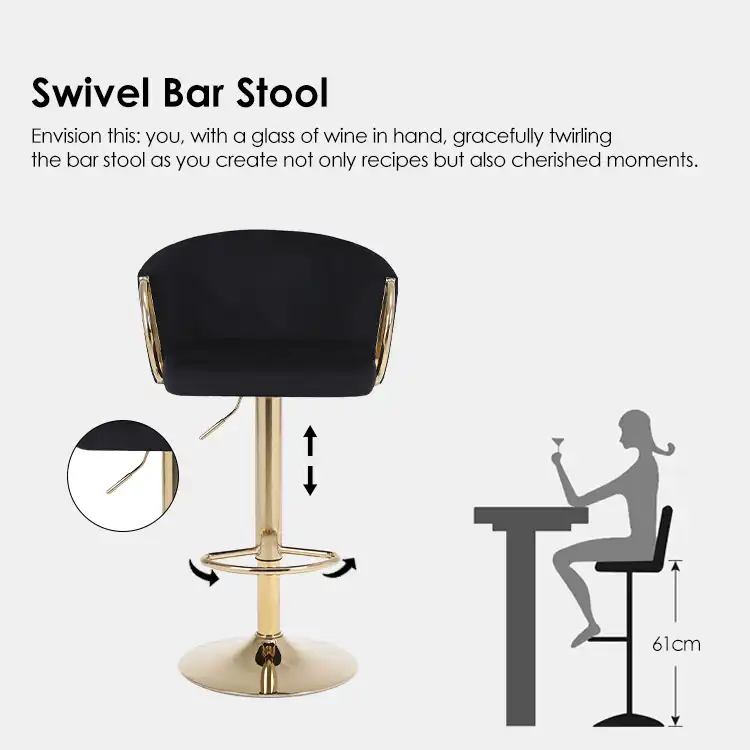
Procurement Tips: Ensuring Accurate Orders and Long-Term Satisfaction
To keep buying risk to a minimum, you need to be proactive about checking and have clear communication rules with your factory partners. Before buy orders are finalized, it's easy to understand what to expect by asking for full product datasheets that include measurement drawings, material specs, and gas lift ratings.
Sample Evaluation and Prototype Testing
Before placing orders for whole containers, procurement managers should ask for evaluation samples that are tested in the real world in the setting where they will be used. Place models at real counter heights and ask staff or test users for feedback on how comfortable they are, how easy it is to change, and how stable they are. To make sure that the published specs match the performance that was seen, measure the seat height in both the most extreme places while it is loaded. Take pictures of any problems you find and let the seller know about them, making sure they know you want them to fix or clarify the problem.
Checking samples also shows problems with the quality of the assembly that aren't shown in the standard sheets. Check that the weld on the base plate is strong, that the gas lift button works smoothly and doesn't get stuck, and that all the parts fit together correctly without any noise or play. These physical observations help set quality standards for large orders and give objective criteria for acceptance testing when the shipment arrives.
Communicating Customization Requirements for OEM Orders
When looking for private label or custom chair options, it's important to be able to communicate clearly using specific technical models. Not only list the overall sizes, but also important factors like the gas lift stroke length changes, the base diameter accuracy, and the foam compression limits. It should be made clear whether the measures are for when the seat is empty or when it is full, since the seat height can change by one to two inches based on the user's weight. Ask for pre-production models that include all of the customization options, like cloth choices, finish colors, and logo details, to make sure that the way the product is made matches the design purpose.
During the purchase negotiating step, talk about the specifics of the package. Designs for space-saving wrapping that stack multiple stools on top of each other or take apart parts lower the cost of shipping and lower the risk of damage during foreign transport. Make sure that the packaging has enough protected materials around weak spots like gas lift buttons and metal finishes. Also, check the dimensions of the cartons to make sure they will fit in your warehouse and receiving dock.
Warranty and Maintenance Support
Long-term happiness rests on quick and helpful customer service after the sale and a guarantee that covers everything. Manufacturers who make good products back their products with promises that last two to three years for structural parts and one year for gas lift systems. This shows that they are sure their products will last. Make sure you understand the warranty's repair part rules, especially for gas lift tanks that aren't compatible with generic parts. Find out if the provider keeps common wear items like footrest rings, swivel plates, and seat pillows in stock so that fixes can be made quickly and the equipment doesn't have to be taken out of service for long periods of time.
Maintenance paperwork, including lube plans, adjustment steps, and repair tips written in clear, translated language, should be sent with the first package. This paperwork gives on-site repair teams the power to handle small problems on their own, which means they don't have to rely on outside service providers as much and there are fewer interruptions to operations.
Conclusion
Accurate measurements of counter height bar stools adjustable are the basis of successful business-to-business buying. They have a direct impact on user comfort, operating efficiency, and total ownership costs. The people who work in buying reduce risk and make sure that products meet specifications by regularly checking counter heights, comfortable gaps, gas lift specs, and material quality. When buyers understand how measurement accuracy, material sturdiness, and design usefulness work together, they can choose chair options that will work reliably in tough business settings. Partnering with experienced manufacturers who offer detailed specifications, chances to test samples, and full warranty support changes procurement from a transactional activity into a strategic relationship that delivers long-term value in office, retail, and hospitality settings.
FAQ
What is the standard height range for adjustable counter stools?
When the seat is empty, the height of a good movable bar stool is usually between 33 and 41 inches from the floor to the top of the seat. This range can fit normal counter heights of 36 inches and bar heights of up to 42 inches, with the 8- to 12-inch space that should be left between the seat and the counter. Some specialized models go beyond this range to work with standing desks or other unique situations, so always make sure that the product specs match your needs.
How do I ensure compatibility with various counter heights?
Take a good measurement of the height of your counter and remove 8 to 12 inches to get the right seat height range. Pick stools whose lowest and highest heights can be adjusted so that they are within this range by at least one inch on each end. Ask providers for technical sketches that show the exact range of adjustments, and make sure that the gas lift stroke length can be changed enough to fit your largest and smallest users easily.
Are adjustable stools suitable for intensive commercial environments?
Heavy-gauge steel construction and Class 3 or Class 4 gas lifts on stools make them strong enough to survive heavy industrial use as long as they are properly kept. Check that the manufacturer's specs include results from sturdiness tests like 100,000-cycle gas lift tests and base load capacities of more than 300 pounds. Swivel plates should be oiled and weld joints should be checked and fixed on a regular basis to make sure they work well in high-traffic areas like offices and hotels.
Partner with YIBO for Precision-Engineered Adjustable Bar Stool Solutions
To meet the demanding standards of foreign buying workers, YIBO specializes in producing commercial-grade counter height bar stools adjustable for height. With 14 years of experience making comfortable seats for hotels, offices, and stores, you can be sure that every stool will meet the needs of your projects in terms of size, sturdiness, and ease of adjusting. Our 6,000-square-meter factory is in Anji, Zhejiang, which is China's most important furniture manufacturing hub. It uses both high-tech production tools and skilled labor to make sure that all container-level orders get the same high quality.
We offer full OEM and ODM customization, so you can choose the seat materials, end colors, base setups, and branding elements that fit with how you want to place your business in the market. Our research and development team works directly with procurement managers to make prototypes that meet all of your exact needs for comfort and style. These prototypes are backed by BIFMA approval and ISO 9001:2015 quality management systems.Contact our procurement specialists at yb@ajyibo.com to request technical datasheets, arrange sample evaluations, or discuss volume pricing for your next project. Visit ajyibo.com to explore our full range of adjustable seating solutions designed for demanding commercial applications.
References
Miller, J.D. and Thompson, R.K. (2021). Ergonomic Seating Design for Commercial Applications: Measurement Standards and Best Practices. International Furniture Design Institute.
American National Standards Institute. (2019). ANSI/BIFMA X5.1-2017: General-Purpose Office Chairs – Tests. Business and Institutional Furniture Manufacturers Association.
Chen, W. and Roberts, L. (2020). "Anthropometric Considerations in Adjustable Seating Design for Diverse User Populations." Journal of Workplace Ergonomics, 15(3), 142-159.
Global Furniture Procurement Association. (2022). B2B Procurement Guide: Quality Verification and Supplier Assessment for Contract Furniture. GFPA Publications.
Harrison, P.T. (2018). Material Selection and Durability Testing in Commercial Seating Manufacturing. Furniture Engineering Press.
European Committee for Standardization. (2020). EN 1728:2012+A1:2015 – Furniture: Seating – Test Methods for the Determination of Strength and Durability. CEN Technical Standards.