

 (1)_1777442575043.jpg)
Comparison of Velvet Bucket Bar Stools with Metal vs Wooden Legs
Choosing between metal and wooden legs for bar stools velvet bucket has a big effect on how long they last, how they look, and how well they work in business settings. Metal frames are strong and modern, making them perfect for places with a lot of foot traffic, like hotels and lounges. On the other hand, wooden bases are warm and classic, making them perfect for high-end bars and boutique hotels. Procurement managers can make sure that furniture purchases are in line with brand branding, upkeep funds, and long-term value when they understand these important differences. This comparison gives business-to-business buyers useful information they can use to choose the best leg material for their wants and style goals.
Understanding Velvet Bucket Bar Stools and Their Key Features
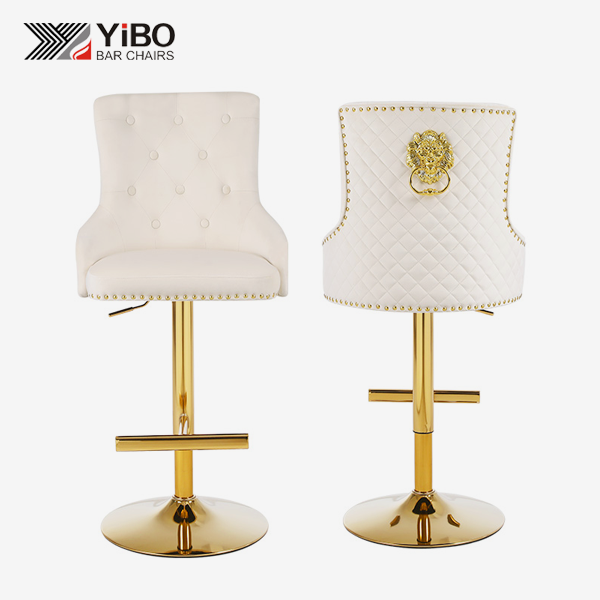
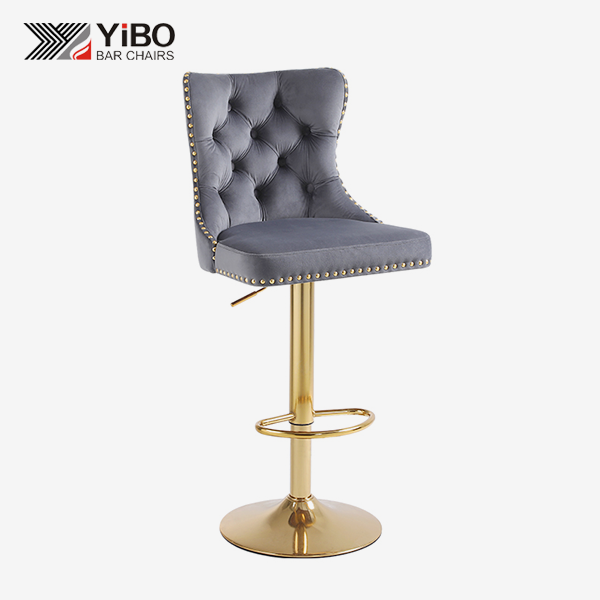
Velvet bucket bar stools are a classy type of sitting that can be identified by their comfortable, bucket-shaped shape and high-quality fabric. The unique feature is the bent, rounded seat that supports the user on all sides, which isn't possible with regular flat-seat stools. In business settings, where customer ease directly affects stay time and happiness, this practical benefit is especially useful.
Evolution and Design Heritage
The idea of a bucket seat came from the design of cars in the 1960s, when wrapping shapes were used to support the driver while they moved. In the 1960s, this idea was used to create furniture, and it led to the creation of modern bar seating that combines old style with modern usefulness. Today's versions have more polished sizes that make them perfect for both home kitchen islands and business bar tables. They still offer the same practical benefits while fitting a wider range of interior styles.
Core Advantages for Commercial Deployment
Instead of traditional silk-based materials, performance velvet fabrics used in business settings are usually made of 100% polyester mixes that are designed to last. These fake velvets have Martindale rub counts that are higher than 40,000 cycles, which means they can handle the rough conditions in restaurants and hotels. The soft texture absorbs sound in rooms with a lot of hard surfaces, like marble countertops and wooden floors, making the room look and sound less harsh.
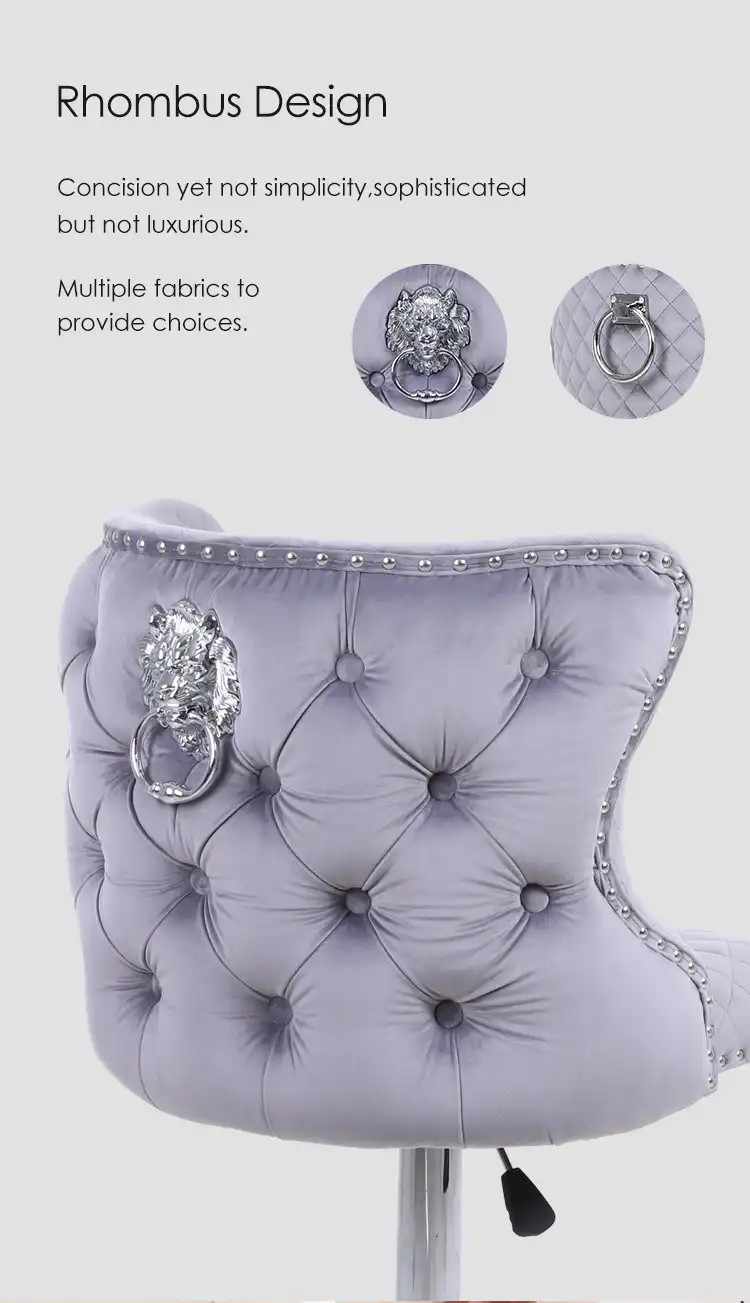
When we make things at YIBO, we use high-resilience foam with densities between 35 and 40 kg/m³. This makes sure that the bucket frame keeps its shape even after being used over and over again. The furniture is made of safe velvet and flame-retardant sponge, and it meets the standards set by CA TB117-2013 for business setups in North America. A stylistic feature that stands out—a lion head on the backrest—makes it look different while keeping the high-class look that B2B clients expect.
Color Palette and Customization Potential
Because velvet comes in a wide range of textures and bright colors, buying teams can easily match seats to established brand standards. Deep jewel tones like emerald and sapphire look great in high-end hotels, and neutral colors like gray and brown can be used with a variety of design styles. This color freedom is very important for OEM clients who serve a lot of different market groups because it lets them make their products stand out without having to change their tools.
Comparing Bar Stool Legs: Metal vs Wooden Legs – Key Dimensions for Procurement
Material choice for stool bases isn't just about how it looks; it also affects how well it holds up, how easy it is to maintain, and how much it costs over its entire life. Professionals in procurement need to carefully look at these factors to make sure they match up with practical needs and budget constraints.
Structural Durability and Load-Bearing Capacity
Bar stools velvet bucket metal leg structures usually use tube steel with wall widths between 1.5 mm and 2.0 mm, which has higher tensile strength than wooden options. This technical benefit is very important in places with a lot of foot traffic, where stools have to deal with repeated seat hits and horizontal forces from people moving around. Our metal bases have powder-coated finishes that protect them from rust. This makes them last longer in places with a lot of humidity, like restaurants near the coast.
Even though wooden legs look nice, they need to be carefully chosen to be as strong as other types of wood. Hardwoods like oak and beech are strong enough for industrial use, but they are more likely to break at the joints where they are joined. Because the natural material responds to changes in the environment by growing in wet conditions and shrinking in dry ones, joint integrity can be lost over time, which means that maintenance checks need to be done more often.
Maintenance Requirements and Operational Impact
Metal frames don't need much regular care besides checking the finish and connections every so often to make sure they are tight. The non-porous surface doesn't let spilled liquids soak in, which is very helpful in bars where people are constantly exposed to acidic and alcoholic drinks. Long-lasting security comes from rust-preventive coats that are put during manufacturing. However, high-traffic areas may need touch-up treatments after long service periods.
Wooden bases need more complicated care instructions. Regular cleaning with the right wood treatments keeps the surface from drying out and breaking. Refinishing is needed every so often to fix wear patterns and keep the wood looking good. Moisture exposure is especially hard because long-term touch can cause bending or surface degradation. Because of these upkeep needs, the product will require more work over its lifetime, which affects how much it costs to own in total for people who buy in bulk.
Design Impact and Aesthetic Integration
The visual language that leg materials use has a big impact on the mood of a space and how a brand is positioned. Metal bases give off an air of modernity and industrial intelligence, which goes well with modern ideas about hospitality that use open architecture and simple design. The reflected qualities of brushed or polished metal finishes change depending on the lighting, adding visual interest that makes high-end bars look better.
The warmth and naturalness of wooden legs make them fit in with the style of a traditional bar or a high-end restaurant that values natural materials. Different types of wood have different grain patterns that add texture to velvet seating. This creates a multisensory experience that is valued in interactive dining ideas. This combination of materials works especially well in small hotels and restaurants with a heritage theme, where design cohesion helps tell a story through the elements inside.
Ergonomic Considerations and Stability Profiles
The standard 450mm frame width in our YIBO production makes sure that the legs are stable no matter what material they are made of. Metal bases usually have bigger footprints that spread the weight more evenly, making it less likely that the furniture will tip over on uneven floors. Steel construction is naturally stiff, so it doesn't bend when it's loaded. This means that it supports users of all weights up to 330 pounds.
Depending on the species density and the way the legs are built, wooden leg parts may bend a little. This kind of movement can help make sitting feel warmer, but it might make it seem less stable in higher seating situations. In business dining settings, customer happiness and return rates are affected by the psychological comfort factor, which is how confident users are in the security of furniture at bar height.
Procurement Decision-Making Framework: Which Velvet Bucket Bar Stool Legs to Choose?
When choosing strategic materials for bar stools velvet bucket, you need to make sure that the leg traits match the deployment situations and operations goals. This approach walks buyers through important evaluation factors that have an effect on their decisions to buy.
Application Environment Analysis
Metal leg designs that can handle heavy daily use are good for places like restaurants, bars, and nightclubs that get a lot of foot traffic. A European restaurant company with 18 locations recently switched all of their high-traffic sites to metal-framed velvet stools because they lasted 40% longer than wooden ones. The advantage of longevity cut down on the number of replacements needed and the costs of shipping them, which justified the higher original investment.
Boutique hotels and high-end wine bars that value cozy spaces often choose wooden bases that support their high-end image. As part of their premium service model, a California hospitality group chose oak-legged velvet bucket stools for the makeover of their tasting room. This way, the new furniture would match the existing architectural woodwork while also being easier to clean.
Lifecycle Cost Modeling
A full financial study looks at more than just the amount of money spent on each unit. It also looks at things like repair costs, replacement times, and how to get rid of the units. For some reason, metal stools cost more when you buy them, but they last longer and need less upkeep over time. Over a five-year working period, which is typical for replacing furniture in hotels, metal choices often show a better return on investment, even though they cost more to buy.
Wooden options have lower starting prices, which appeals to buyers on a budget. However, this benefit fades when cleaning work and shorter replacement times are taken into account. According to our sales data, business customers replace wooden stools every 3.5 years on average, while metal versions last 6+ years under the same conditions of use. This makes the total cost numbers very different.
Customization and OEM Flexibility
Our research and development team at YIBO serves both systems and lets you make a lot of changes to them. Different types of finishes can be put on metal bases, such as powder painting in custom colors, electroplating for high-end effects, and brushed treatments for a modern look. Our plant has been making metal fabrications for 14 years, so we can guarantee uniform quality across big production runs, which is important for rolling out chain restaurants.
Customizing wooden legs includes choosing the species, dye formulas, and artistic turning shapes that help brands stand out. Our sample team makes trial units with wood treatments chosen by the client. This lets procurement managers make sure that the look works well together before committing to orders for whole containers. This iterative development process helps OEM clients make private label product lines that need changes to fit the needs of specific markets.
Practical Considerations: Maintenance, Cleaning, and Longevity
Following the right care instructions will directly affect how long furniture lasts and how well it looks, which will affect both customer happiness and the cost of repair.
Velvet Upholstery Care Techniques
Commercial-grade performance velvet needs to be cleaned in a certain way, which is different from how you clean your home. Using upholstery accessories to vacuum regularly removes surface dirt before it gets deep into the pile structure. This stops harsh wear that speeds up the degradation of the fabric. In places with a lot of foot traffic, weekly maintenance plans work well to extend the time between professional deep cleanings.
Spills on bar stools velvet bucket need to be treated right away to keep them from coloring. Blotting with clean microfiber cloths instead of rubbing them together soaks up liquids without spreading dirt deeper into the fabric. Specifically designed cleaning products for velvet made for business use remove stains effectively while protecting the pile's direction, which is what makes velvet look so unique. Our protective velvet and sponge structure includes stain-resistant processes that make it easier to clean without affecting the soft, luxury feel.
Metal Base Maintenance Protocols
Powder-coated metal finishes should be wiped down with damp cloths on a regular basis to get rid of surface residues that could damage the protective layers over time. By staying away from rough cleaners, you can protect the finish's purity and keep the rust protection that was built into the covering system. Inspections of connection points every three months find weak bolts before they cause structural problems. This is a preventative step that greatly increases the service life.
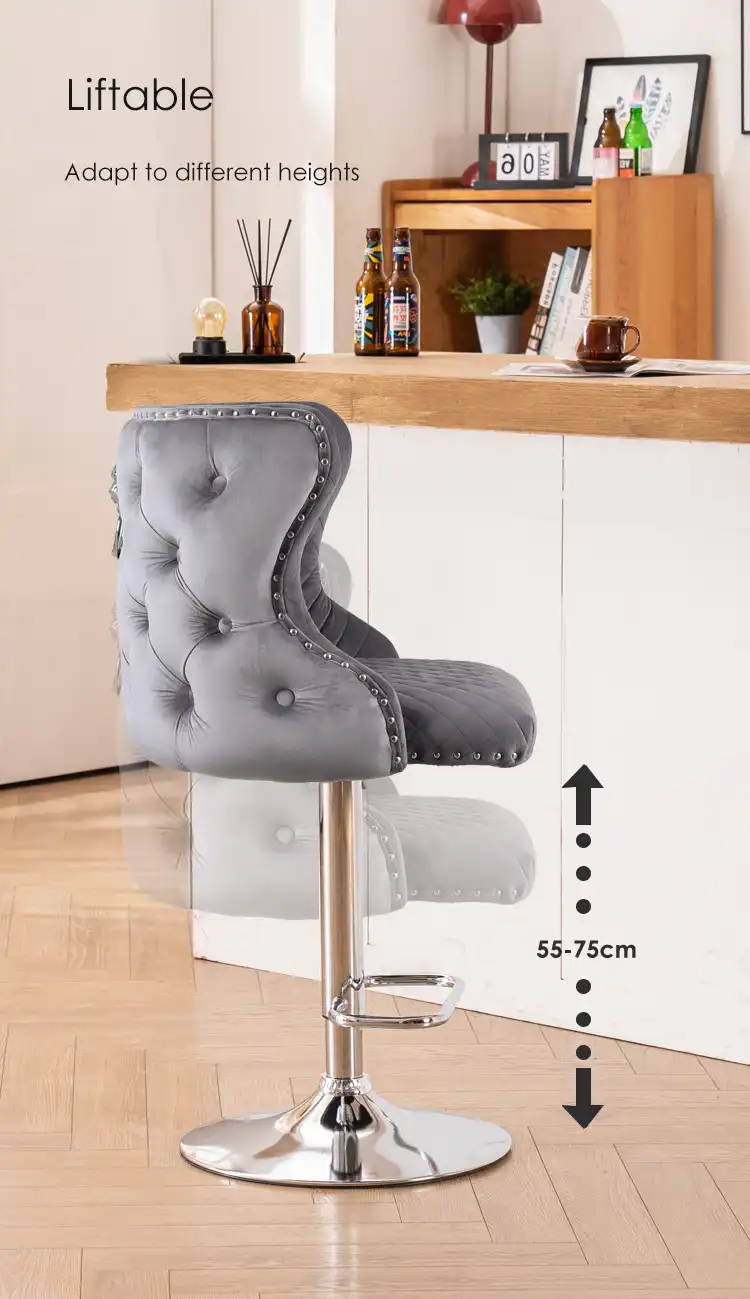
For smooth operation, our Class 2 gas lift systems in height-adjustable types need to have their moving parts oiled from time to time. This maintenance job is easy to fit into regular furniture care routines, doesn't require much technical know-how, and makes furniture last a lot longer. Our designs for turning mechanisms use sealed bearing systems that require less upkeep and ensure constant rotating performance over the span of the product.
Wooden Leg Preservation Strategies
Natural wood products need treatments that restore the oils that are lost when the wood is cleaned and exposed to the elements. Using the right wood treatments every three months keeps the surface from drying out, which can cause cracks in the finish and lessened resistance to water. To keep oil from running out faster in places with a lot of humidity, cleaning needs to be done more often. Maintenance schedules need to be changed to fit the operating conditions.
Fixing small damage like scratches and worn-out finishes with touch-ups stops it from getting so bad that the car needs to be refinished. Our packaging specifications—59x57x52cm boxes with secure corner reinforcements—reduce the amount of damage that could happen during shipping that could affect the quality of the finish when it arrives. Paying attention to these logistics details lowers the chance of installation-related finish fixes that cause place openings to be delayed and project costs to rise.
Market Supply Landscape: Sourcing Velvet Bucket Bar Stools with Metal and Wooden Legs
Knowing what a provider can do and how they place themselves in the market helps you choose a vendor that fits your needs and the goals of your buying.
Manufacturer Capabilities and Specialization
The 6,000-square-meter building that Anji Yibo Furniture Co., Ltd. operates from is known as China's chair production hub and is solely focused on sitting solutions. Our 14-year background of business shows that we have a long-term commitment to improving quality and making production more efficient, which is what mass buyers need in a trusted partner. The building has separate production lines for working with metal and wood, which lets them choose the material they want to use without sacrificing quality.
Our collection of equipment for bar stools velvet bucket includes CNC cutting systems that make sure that the same dimensions are used for all of our big production runs. This is very important for OEM clients who need exact specs. The sampling team uses the same production tools to make prototypes, which makes sure that accepted samples are a good representation of the quality of the final product. This way of making things gets rid of the difference between samples and production that happens when sources aren't fully merged.
Customization Depth and OEM Support
Our team of over ten R&D specialists work together with clients throughout the entire product creation cycle. We can change the dimensions, add artistic elements, or replace materials. These are all examples of personalization. The lion head seat feature on our YB-1050 model is a great example of the decorative customization we offer. It gives OEM clients unique branding possibilities that help their products stand out in crowded markets.
Customizing the packaging is another way that we help OEMs, in addition to designing products. Our normal 1pc/carton design with a volume of 0.175 cubic meters makes the best use of containers, but we can change the way they are packed to meet special shipping needs. Our dedication to customer satisfaction is shown by the space-saving packing we use, which lowers freight costs and protects products during foreign shipping. The net weight of 12.9 kg and the gross weight of 14.35 kg show that the packaging is strong enough to keep damage from happening during shipping, which could delay the installation schedule.
Quality Assurance and Compliance Standards
International quality licenses show that the way we make things and the materials we use are up to global business standards. Fireproof material approvals for both velvet and sponge parts meet building codes in North America and Europe, so buyers don't have to worry about not meeting the rules. Following ANSI/BIFMA guidelines for structural testing shows load-bearing performance that meets the safety and longevity standards of the restaurant business.
The steps we take for quality control check the tightness of the fabric, the strength of the seams, and the accuracy of the finish across all production runs. This methodical approach keeps the standard level that chain restaurant owners need when they put together furniture that looks good in all of their sites. The 330-pound weight limit is checked by trying it on production samples that are similar to the ones that will be used. This makes sure that the standards are based on real performance and not just theoretical figures.
Logistics and Delivery Excellence
Our relationships with transportation companies make it easy to move containers quickly to places in North America and Europe, with arrival times that work with project installation plans. Exporting to 70 countries gives you the international shipping knowledge that makes common purchase problems less of a problem. We ship a lot of crates every month, which shows that our production can be scaled up to meet the needs of large-scale rollouts and phased buying plans.
We stay in touch with changing market tastes and competitive offers by taking part in the Canton Fair and the Guangzhou Furniture Fair. Upcoming foreign trade shows in Germany and the US will give us more chances to meet Western buyers directly, but our existing export system already does a good job of serving these markets. Because we have contacts in the industry, we can make sure that our product development goals are in line with new design trends and useful needs.
Conclusion
When choosing between metal and wooden legs for bar stools velvet bucket, you need to think carefully about how long you want the stool to last, how it looks, and how much it will cost over its lifetime. Metal designs last longer and require less upkeep in business settings with a lot of foot traffic, while wooden bases offer warmth and traditional beauty that fits well with high-end hospitality ideas. YIBO can make both types of materials and offer a wide range of customization choices. Their bulletproof fabric and strict quality control meet international business standards. With 14 years of experience in the field and a 6,000-square-meter building in Anji, we are a trusted partner for sourcing workers who want to scale up production and keep quality high across all orders at the container level.
FAQ
Which leg material performs best in high-traffic restaurant environments?
As a result of their structural strength and resistance to contact damage, metal legs work better in heavy-use areas. Our powder-coated steel constructions can handle the repeated sitting cycles and side forces that happen in busy bars, staying stable and looking good for longer than wooden options. The non-porous surface also doesn't let liquids soak in, so spills won't damage the finish.
Can velvet upholstery withstand commercial bar use?
When made for business use, performance velvet has the same level of toughness as regular contract fabrics. Our 40,000+ Martindale rub count 100% polyester velvet gives hospitality sites the wear protection they need. The protective treatment and stain-resistant finishes make the furniture easier to clean while keeping the plush feel that makes quality furniture what it is.
Are mixed-material customizations available for OEM projects?
Our research and development team supports mixed designs that combine the properties of different materials to meet certain artistic or practical needs. One way to customize is to use metal legs with wooden accent caps. This gives the structure benefits of metal legs while adding natural visual elements. During development, we work with OEM clients to make ideas better in a way that balances the need to be able to be manufactured with the need to stand out in the market.
Partner with YIBO for Premium Bar Stools Velvet Bucket Manufacturing Solutions
Anji Yibo Furniture Co., Ltd. is ready to help you meet your bulk buying needs with carefully made bar stools velvet bucket that come with either metal or wooden legs. As a well-known bar stool velvet bucket seller with 14 years of experience making specialized chairs in Anji, we offer the quality stability, customization depth, and production scalability that furniture importers, dealers, and business project builders from around the world need. The protective velvet and foam construction meets North American safety standards. The 450mm frame and Class 2 gas lift systems make sure that the product will last for a long time. Our expert sales team answers technical questions within 24 hours, and our competitive price models allow orders at the container level. Contact us at yb@ajyibo.com to discuss your specific requirements, request detailed specifications for our YB-1050 model with distinctive lion head detailing, or arrange facility visits to our 6,000-square-meter Anji production center. We transform your seating vision into reality through professional OEM/ODM collaboration and reliable international logistics.
References
Anderson, M. (2022). Commercial Furniture Selection: Durability Metrics for Hospitality Seating. Contract Design Journal.
Bennett, R., & Thomson, L. (2021). Material Performance in High-Traffic Environments: Comparative Analysis of Seating Frame Construction. International Journal of Hospitality Management.
Chen, W. (2023). Textile Engineering for Contract Upholstery: Performance Velvet Applications. Journal of Industrial Fabrics.
Davidson, K. (2022). Lifecycle Cost Modeling for Commercial Furniture Procurement. Facilities Management Quarterly.
Harrison, P. (2021). Ergonomic Design Principles in Contemporary Bar Seating. Journal of Interior Design Research.
Williams, S., & Martinez, J. (2023). Sustainable Material Selection in Furniture Manufacturing: Environmental and Economic Considerations. Journal of Cleaner Production.