

 (1)_1777442575043.jpg)
How to pick kitchen stools?
Picture this: you've just installed a stunning kitchen island, but every time family members perch on your hastily chosen kitchen stools, someone complains about discomfort or the stools scrape awkwardly against the counter. Sound familiar? Selecting the right kitchen stool isn't just about aesthetics—it's about creating a functional, inviting space where memories are made over morning coffee and evening conversations. Whether you're furnishing a new home or upgrading your current setup, understanding how to pick kitchen stools that balance comfort, durability, and style will transform your kitchen into the heart of your home.
Understanding Kitchen Stool Height Requirements
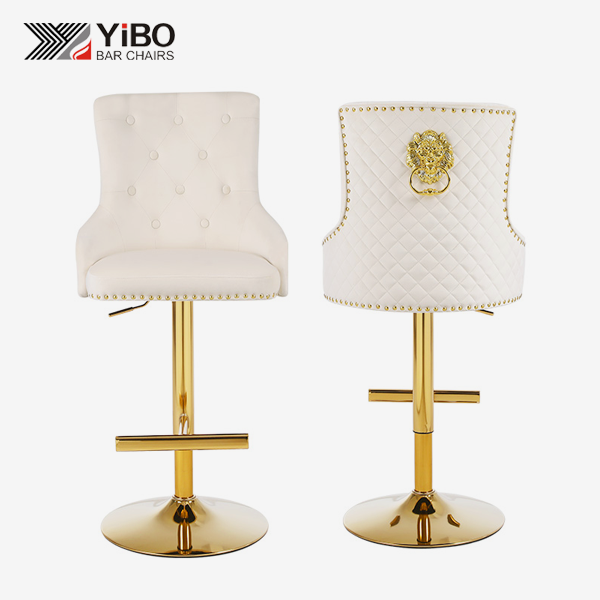
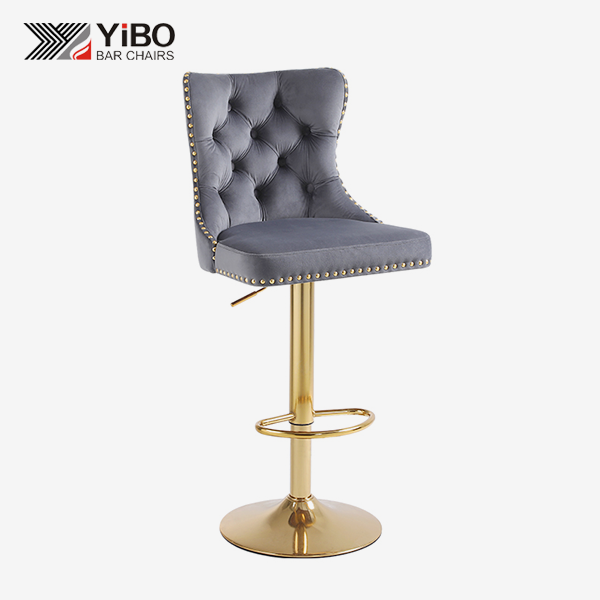
One of the most critical factors when selecting a kitchen stool is getting the height right. The relationship between your counter height and stool seat height determines whether you'll enjoy comfortable seating or struggle with awkward positioning. Standard kitchen counters typically measure 36 inches from floor to countertop, which means your kitchen stool should have a seat height between 24 and 27 inches. This configuration provides the essential 9 to 12 inches of clearance between the seat and the underside of your counter, allowing comfortable leg positioning and easy movement. However, not all kitchens follow standard measurements. If you have a raised bar area measuring 42 inches high, you'll need bar-height stools with seats positioned 30 to 32 inches from the floor. The confusion between counter stools and bar stools causes countless purchasing mistakes. Before shopping, measure your counter height precisely and subtract 10 to 12 inches to determine your ideal seat height. For non-standard counter heights, adjustable kitchen stools offer flexibility. These versatile pieces feature hydraulic mechanisms allowing seat adjustment across multiple heights, making them perfect for households with varying counter heights or for accommodating different family members comfortably. When considering leather kitchen bar stools from manufacturers like Anji Yibo Furniture Co., Ltd., adjustability becomes particularly valuable. Their products feature adjustable heights ranging from 33 to 41 inches, accommodating both standard and custom counter configurations. The multi-layer board construction with 1.2CM thickness and built-in iron frame with 0.8MM tube walls ensures stability across all height settings, while the 360-degree swivel function adds functionality without compromising structural integrity.
Determining the Right Number of Kitchen Stools
Space planning significantly impacts both functionality and visual appeal when arranging kitchen stools around your island or counter. Each kitchen stool requires 21 to 24 inches of horizontal space to ensure comfortable seating without crowding. This measurement accounts for the stool width plus adequate elbow room for diners. To calculate how many stools fit your space, measure your counter's total length and divide by 24 inches. For example, a 72-inch counter comfortably accommodates three kitchen stools with proper spacing. Additional considerations affect stool quantity and placement. Leave 15 inches of clearance from each counter end to prevent a cramped appearance and allow easy access. If your kitchen stool features swivel capability, factor in extra space for knee clearance as the seat rotates. Armrests also require additional room—measure the total width including arms rather than just the seat diameter. Consider whether you want stools on one or both sides of your island, as dual-sided seating arrangements require careful traffic flow planning. Leather kitchen bar stools with compact footprints maximize seating capacity without sacrificing comfort. Quality manufacturers design their kitchen stools with space-efficient bases that tuck completely beneath counters when not in use. The typical seat dimensions of 18 inches wide by 16 inches deep provide generous sitting area while maintaining the recommended spacing between stools. When planning commercial installations or large residential kitchens, professional manufacturers can customize dimensions to optimize your specific layout requirements.
-
Style Considerations for Kitchen Stools
Your kitchen stool selection should complement existing décor while reflecting your personal aesthetic preferences. Modern kitchens benefit from clean-lined leather kitchen bar stools with metal frames that echo contemporary hardware finishes. Traditional spaces pair beautifully with wooden kitchen stools featuring turned legs and classic silhouettes. For eclectic interiors, mixing materials creates visual interest—consider combining wood, metal, and upholstered elements within your stool selection. Material choice dramatically impacts both appearance and maintenance requirements. Leather kitchen bar stools offer timeless elegance and surprisingly easy care—premium PU leather upholstery wipes clean quickly after spills, making these ideal for busy households. Wooden kitchen stools bring warmth and can be finished to match cabinetry or provide contrasting accents. Metal frames in powder-coated finishes deliver durability in high-traffic areas while supporting various design styles from industrial to mid-century modern. Texture adds depth to kitchen design, and your kitchen stool selection provides perfect opportunities for tactile variety. Consider leather kitchen bar stools with subtle grain patterns, or explore options with woven details, boucle fabric accents, or contrasting stitching. The craftsmanship quality becomes apparent in details—look for reinforced seams, smooth upholstery without wrinkles, and precisely welded metal joints. Manufacturers with extensive experience, such as those specializing in chair production for 14 years, demonstrate superior attention to these finishing details that distinguish exceptional kitchen stools from ordinary options.

Comfort Features in Kitchen Stool Design
How you intend to use your kitchen stools directly influences which comfort features matter most. For quick breakfast seating or brief perching while checking mail, minimalist backless kitchen stools suffice. However, if family members tackle homework at the island or guests linger over appetizers during dinner preparation, comfort becomes paramount. Backs, armrests, footrests, and cushioning transform a kitchen stool from basic seating into an inviting place to spend extended periods. Ergonomic design principles guide quality kitchen stool construction. The seat should provide adequate depth—typically 16 to 18 inches—supporting thighs without pressing behind knees. Contoured seats distribute weight evenly, reducing pressure points during prolonged sitting. Leather kitchen bar stools with primary cotton padding at 22 density and 1.8CM thickness deliver cushioning that maintains shape over years of use. The half-PU construction at 0.8mm thickness adds durability while preserving the soft, supportive feel users expect from premium seating. Footrests prove essential for kitchen stool comfort because most users cannot rest feet flat on the floor at counter height. Dangling feet creates discomfort and poor posture over time. Quality kitchen stools incorporate footrests positioned appropriately relative to seat height, allowing natural leg positioning. Metal footrest rings should feature adequate diameter and smooth finishes preventing catching on shoes or clothing. For households with children or elderly family members, backs and armrests provide additional stability and security, reducing fall risks while climbing on or off kitchen stools.
-
Material Selection for Kitchen Stool Longevity
Investing in durable materials ensures your kitchen stools withstand daily use for years. Leather kitchen bar stools constructed with genuine or high-quality synthetic leather maintain appearance despite regular contact with clothing, spills, and cleaning products. Premium PU leather resists cracking, fading, and staining better than lower-grade materials. The leather surface on quality kitchen stools should feel supple yet substantial, with even coloring and consistent texture across the entire seat and back. Frame construction determines structural longevity. Kitchen stools with built-in iron frames using 0.8MM tube wall thickness provide exceptional stability while remaining relatively lightweight for repositioning. Powder-coated finishes protect metal components from scratches, chips, and corrosion, particularly important in kitchens where moisture and temperature fluctuations occur regularly. Wood components should feature proper sealing to prevent water damage and warping. Multi-layer board construction at 1.2CM thickness creates stable platforms resisting sagging and deformation over time. Hardware quality separates superior kitchen stools from budget alternatives. Swivel mechanisms should operate smoothly through 360-degree rotation without wobbling or catching. Hydraulic adjustment systems must hold positions securely under full weight capacity—typically 300 pounds for residential kitchen stools. Welded joints outperform bolted connections in durability, though quality bolted construction with locking mechanisms performs adequately. Inspect these details carefully or work with reputable manufacturers who warranty their kitchen stools, demonstrating confidence in construction quality.
Functional Features Enhancing Kitchen Stool Versatility
Modern kitchen stools incorporate features extending functionality beyond basic seating. Swivel capability allows users to rotate toward conversation areas without standing or repositioning the entire stool. This proves particularly valuable in open-concept homes where kitchen islands serve as social hubs connecting multiple living spaces. The 360-degree swivel function available on many leather kitchen bar stools facilitates easy entry and exit while enabling effortless transitions between counter-facing tasks and room-facing socializing. However, swivel kitchen stools require consideration for households with young children, as rotating seats can contribute to instability if kids spin excessively. For families prioritizing child safety, fixed-position kitchen stools or those with swivel-lock mechanisms provide better options. Alternatively, select a mix—swivel leather kitchen bar stools for adult-oriented counter sections and stationary versions where children primarily sit. Adjustability features accommodate various users and scenarios. Height-adjustable kitchen stools suit households where counters serve multiple purposes or where family members differ significantly in stature. Some adjustable models offer tool-free height changes via gas lift mechanisms, while others require wrench adjustments providing more permanent settings. Folding kitchen stools offer ultimate flexibility for occasional use, compacting for storage when not needed. Though typically backless and simpler in design, quality folding options maintain comfort and stability standards while providing space-saving convenience for homes hosting frequent gatherings requiring supplemental seating.
-
Customization Options for Kitchen Stools
Personalization transforms standard kitchen stools into signature pieces perfectly suited to your space. Leading manufacturers offer extensive customization capabilities, from color selection to material substitution to dimensional modifications. Leather kitchen bar stools are available in classic shades like black, brown, white, and cream, but custom color matching allows coordination with specific design palettes. Whether you need kitchen stools echoing cabinet finishes, contrasting with countertops, or harmonizing with adjacent dining furniture, color customization ensures perfect integration. Material versatility extends beyond color to fabric types and finishes. While leather upholstery suits many applications, some users prefer velvet for luxurious texture or performance fabrics offering enhanced stain resistance. Reputable China kitchen stool manufacturers maintain relationships with premium fabric suppliers, enabling material substitutions without compromising construction quality. Frame finishes similarly accommodate preferences—brushed metal, polished chrome, matte black powder coat, or antiqued brass each create distinct visual impacts. Dimensional customization addresses unique spatial requirements. Standard kitchen stool proportions suit most applications, but occasionally counter heights, depth restrictions, or aesthetic preferences demand modifications. Manufacturers with professional R&D teams and sampling capabilities can produce prototypes incorporating requested changes. This proves particularly valuable for commercial projects requiring numerous matching kitchen stools or residential applications where architectural features create non-standard counter configurations. Working directly with a China kitchen stool factory enables these customizations while maintaining competitive pricing through direct manufacturer relationships.

Maintenance and Care for Kitchen Stools
Proper maintenance extends kitchen stool lifespan and preserves appearance. Leather kitchen bar stools require regular cleaning to remove food residue, oils, and everyday grime. Wipe surfaces weekly with slightly damp cloths, avoiding excessive water that could penetrate seams. For spills, immediate attention prevents staining—blot liquids quickly rather than rubbing, which can spread stains or damage leather finish. Quarterly application of leather conditioner maintains suppleness and prevents drying or cracking, particularly in kitchens with low humidity or significant sun exposure. Metal frame components benefit from periodic inspection and cleaning. Wipe frames with appropriate cleaners—mild soap solution for powder-coated finishes, specialized products for brass or copper accents. Check connection points for loosening, tightening hardware as needed to maintain stability. Swivel mechanisms may require occasional lubrication with silicone spray or similar products recommended by manufacturers. This simple maintenance preserves smooth rotation and prevents squeaking that develops with dry or dirty moving parts. Wood elements in kitchen stools demand protection from moisture and heat. Use coasters or placemats preventing direct contact with hot dishes or sweating glasses. Dust regularly and clean with wood-appropriate products maintaining finish integrity. Address scratches or dings promptly with matching touch-up pens or refinishing products. Quality kitchen stools from experienced China kitchen stool suppliers include care instructions specific to materials and finishes used, ensuring you understand optimal maintenance protocols. Following these guidelines protects your investment and maintains the attractive appearance that initially drew you to these kitchen stools.
-
Where to Source Quality Kitchen Stools?
Selecting reliable suppliers ensures you receive kitchen stools meeting quality, delivery, and support expectations. Working directly with a China kitchen stool manufacturer eliminates intermediary markups while providing access to extensive customization capabilities. Established manufacturers operating for 14 or more years demonstrate stability and accumulated expertise in kitchen stool design and production. Facilities spanning 6000+ square meters equipped with advanced manufacturing equipment indicate capacity for consistent quality and reliable order fulfillment. Certifications validate manufacturer capabilities and commitment to standards. Look for ISO 9001:2015 Quality Management System certification demonstrating systematic quality control processes. BIFMA certification confirms furniture meets rigorous safety and performance benchmarks established by the Business and Institutional Furniture Manufacturers Association. FSC certification for wood sourcing indicates environmental responsibility—increasingly important for businesses and consumers prioritizing sustainability. Exhibition participation signals manufacturer investment in market presence and customer relationships. China kitchen stool factories exhibiting at events like the Guangzhou Furniture Fair, Canton Fair, Cologne Furniture Fair, or Las Vegas Market showcase products to international audiences while staying current with design trends and competitive offerings. These manufacturers typically maintain stronger capabilities in areas like English-language communication, international shipping logistics, and cultural understanding of overseas markets. When evaluating potential suppliers for leather kitchen bar stools or other seating products, prioritize those combining manufacturing excellence with customer service capabilities supporting long-term business relationships.
Making the Final Selection
Armed with comprehensive understanding of kitchen stool selection factors, you can confidently evaluate options and make purchasing decisions aligning with your needs. Create a prioritized checklist addressing critical factors: correct height for your counter, appropriate quantity for your space, style complementing your kitchen, comfort features matching usage patterns, durable materials suited to your household, and any desired special features like swivel or adjustability. Use this checklist when reviewing options from various sources, scoring each kitchen stool against your requirements. Don't overlook practical considerations beyond aesthetics and dimensions. Warranty coverage indicates manufacturer confidence in their kitchen stools—one-year limited warranties represent industry minimums, with longer coverage suggesting superior construction quality. Shipping logistics matter particularly for bulky furniture; verify that your China kitchen stool wholesale supplier offers secure packaging preventing transit damage and reasonable delivery timeframes to your location. Customer service availability proves valuable when questions arise—manufacturers promising responses within 24 hours demonstrate commitment to buyer support. Budget naturally influences decisions, but focus on value rather than minimum price. High quality kitchen stools from experienced manufacturers may cost moderately more than bottom-tier alternatives but deliver significantly longer service life and better daily experience. Calculate cost-per-year over expected lifespan rather than fixating on initial price. Premium leather kitchen bar stools serving your family well for ten years represent far better value than cheaper kitchen stools requiring replacement after three years. Request detailed specifications, inspect construction details in photos or samples, and verify credentials before finalizing large orders, ensuring your kitchen stool for sale truly meets professional standards.
Conclusion
Selecting the right kitchen stools transforms your space from merely functional to genuinely inviting, creating comfortable gathering spots where family and friends naturally congregate. By considering height requirements, space planning, style coordination, comfort features, and quality construction, you ensure your investment delivers years of reliable service and enjoyment.
Cooperate with Anji Yibo Furniture Co., Ltd.
As a leading China kitchen stool factory, China kitchen stool supplier, and China kitchen stool manufacturer, Anji Yibo Furniture Co., Ltd. specializes in producing high quality kitchen stools with 14 years of industry expertise. Located in Anji—the renowned hometown of chairs—our 6000+ square meter facility combines advanced equipment with skilled craftsmen delivering ergonomic, durable seating solutions. We offer comprehensive OEM and ODM support through our professional R&D team, enabling customized leather kitchen bar stools perfectly matching your specifications. Our products feature premium construction including multi-layer board, quality padding, reinforced metal frames, and customizable leather or velvet upholstery, with competitive China kitchen stool wholesale pricing and warranty coverage. Exported to 70 countries, our kitchen stools for sale meet rigorous international standards while maintaining excellent value. Contact our experienced sales team at yb@ajyibo.com for kitchen stool price quotes and personalized assistance—we respond within 24 hours and look forward to establishing long-term cooperation. Browse our collection, save this guide for future reference, and discover why discerning buyers worldwide trust Anji Yibo for their seating needs.
References
1. "How to Choose Bar Stools: A Comprehensive Buyer's Guide" by Home Furniture Association, Interior Design Standards Manual, 2023.
2. Miller, Sarah and Johnson, Robert, "Ergonomic Seating Design for Residential Kitchens," Journal of Furniture Manufacturing and Design, Vol. 45, 2024.
3. Peterson, David, "Material Selection and Durability in Commercial Seating," Furniture Industry Research Quarterly, International Furniture Manufacturers Association, 2023.
4. Thompson, Linda, "Space Planning for Kitchen Islands: Optimizing Counter Seating Arrangements," Professional Kitchen Design Magazine, Design Institute Publications, 2024.