

 (1)_1777442575043.jpg)
How to style black bar stools counter with wood counters?
Picture this: you've invested in beautiful wood countertops for your kitchen, but now you're stuck wondering if black bar stools counter will clash or create an unbalanced look. You're not alone. Many homeowners struggle to achieve that perfect contrast between dark seating and warm wood surfaces without making their space feel too heavy or visually cluttered. The good news? When styled correctly, black bar stools counter paired with wood counters creates a striking, sophisticated aesthetic that combines modern elegance with organic warmth. This guide reveals professional design strategies to help you master this popular combination and transform your kitchen into a showpiece that balances bold contrast with inviting comfort.
Why Black Bar Stools Counter Work Beautifully with Wood Countertops?
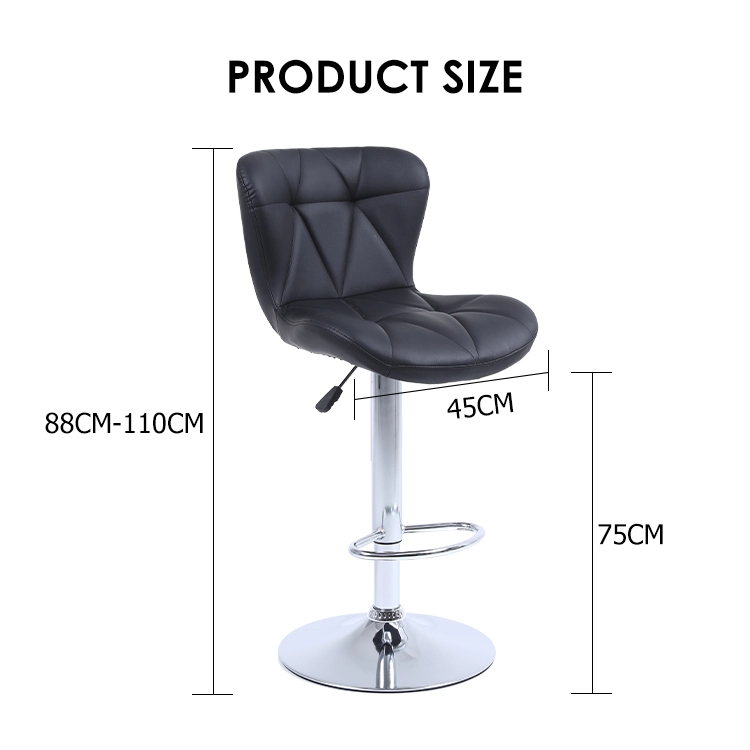
Creating visual harmony between black bar stools counter and wood countertops requires understanding the fundamental principle of contrast in interior design. The deep, dramatic presence of black seating against the natural grain and warmth of wood creates an intentional tension that elevates the entire space. This pairing works exceptionally well because black functions as a neutral anchor that grounds the organic qualities of wood, while the wood's natural texture and color variation prevent the black from overwhelming the room. When you position black bar stools counter beneath light to medium-toned wood surfaces, you establish clear visual boundaries that define different functional zones within your kitchen. The key lies in treating the black counter height seating as a grounding element rather than a competing focal point, allowing the wood's character to shine while the black provides sophisticated structure. The technical specifications of quality black bar stools counter matter significantly in this pairing. Professional-grade options feature sturdy metal frames with electroplated connecting bodies and plating chassis systems that ensure stability and longevance. Common materials include PU leather upholstery over high-density foam, creating seats that withstand daily use while maintaining their refined appearance. The standard black counter height ranges from 24 to 27 inches for counter-height installations, with adjustable mechanisms allowing customization for various wood counter thicknesses. Premium black leather bar options incorporate Class 3 gas lift systems for smooth height adjustment, while the footrest design typically includes protective elements to prevent scratches on surrounding wood surfaces. These functional considerations directly impact how well your black bar stools counter integrate with wood countertops over time.
Choosing the Right Wood Tone to Complement Your Black Bar Stools Counter
Selecting the appropriate wood tone for countertops that will pair with black bar stools counter requires careful consideration of undertones and grain patterns. Light oak, maple, and ash create the most dramatic contrast with black seating, allowing the black bar stools counter to stand out as bold sculptural elements while the pale wood reflects light and maintains an airy atmosphere. Medium-toned woods like walnut or cherry offer a more balanced approach, where the black counter height stools provide definition without creating stark visual boundaries. The warm honey tones in these woods complement the cool neutrality of black, creating depth without darkness. For those considering darker wood counters, the relationship becomes more nuanced—you'll need to introduce lighter elements elsewhere in the kitchen to prevent the space from feeling too heavy or cave-like. The finish applied to your wood counters dramatically affects how they interact with black leather bar stools or matte black metal frames. High-gloss polyurethane finishes on wood create reflective surfaces that bounce light around the room, helping to offset the light-absorbing quality of black bar stools counter. Natural oil finishes emphasize wood grain and create a more organic, tactile contrast with sleek black materials. When your black counter height features modern materials like electroplated metal or smooth PU leather, pairing these with heavily grained, rustic wood counters creates an appealing juxtaposition of industrial and natural aesthetics. Consider that the more texture present in your wood surface, the more your black bar stools counter can feature streamlined, minimalist designs without the combination feeling cold or sterile.

Strategic Placement and Spacing of Black Bar Stools Counter Along Wood Surfaces
Proper placement of black bar stools counter along wood countertops involves both functional ergonomics and aesthetic balance. Industry standards recommend leaving 26 to 30 inches of space between the centers of adjacent black counter height seats to ensure comfortable movement and adequate elbow room for seated guests. However, when working with wood counters that feature prominent grain patterns or live edges, you may want to adjust this spacing to ensure the wood's character remains visible between stools. For kitchen islands with wood countertops, positioning black bar stools counter asymmetrically rather than in perfect alignment can create a more dynamic, lived-in feel that showcases both the furniture and the wood surface. Consider the sight lines from various room angles—your black leather bar stools should enhance views of the wood counter rather than obscuring it entirely. The relationship between black bar stools counter and wood counter overhangs requires technical precision for optimal comfort and safety. Standard wood counters should extend 15 to 18 inches beyond the base cabinets to accommodate black counter height seating properly, allowing adequate knee and leg clearance for adults of various heights. When your black bar stools counter feature swivel mechanisms or adjustable heights, ensure the wood overhang provides clearance for the full range of motion. The underside of wood counters should be finished appropriately, as it becomes visible when black bar stools counter are pushed away from the surface. Quality installations include edge profiling on wood counters that complements the lines of your black seating—sharp, contemporary edge treatments pair well with angular black metal frames, while rounded or beveled edges soften the contrast with curvilinear black leather bar designs.
Coordinating Materials and Textures for a Cohesive Design
Achieving textural harmony between black bar stools counter and wood countertops extends beyond color coordination to encompass material interplay. When your wood counters feature smooth, refined surfaces like book-matched walnut or pristine maple, contrast this polish with black bar stools counter that incorporate tactile elements such as tufted upholstery, woven mesh backs, or hammered metal finishes. Conversely, if your wood counters showcase raw, live-edge character with visible knots and grain irregularities, sleek black counter height stools with clean lines and glossy finishes provide elegant counterbalance. The goal is creating conversation between surfaces rather than competition. Black leather bar options with visible stitching details echo the linear patterns in wood grain, while matte black powder-coated metal frames complement the organic randomness of natural wood patterns. The supporting materials surrounding your black bar stools counter and wood counters influence the overall design success significantly. Cabinet hardware, lighting fixtures, and plumbing finishes should either reinforce the black elements or warm up to the wood tones—avoid introducing a third competing metallic finish that fractures visual cohesion. When black counter height features chrome or polished nickel accents, carry these through to faucets and cabinet pulls to tie the scheme together. Alternatively, if your black bar stools counter incorporate brushed brass or copper details, these warmer metals create beautiful transitions between the cool black and warm wood. Backsplash selections matter immensely in this equation; light-colored tiles or stone maintain brightness and prevent visual weight accumulation, while darker backsplashes can work if they include veining or patterns that reference both the black seating and wood grain.
Lighting Strategies to Enhance Black Bar Stools Counter and Wood Counter Combinations
Strategic lighting transforms the relationship between black bar stools counter and wood countertops from potentially heavy to dynamically layered. The light-absorbing nature of black bar stools counter requires intentional illumination planning to prevent them from becoming visual black holes that detract from your beautiful wood surfaces. Pendant lights suspended directly above wood counters should be positioned to cast focused task lighting on the work surface while creating ambient glow that defines the silhouettes of black counter height seating. The ideal pendant placement sits 30 to 36 inches above the wood counter, ensuring adequate headroom while establishing clear visual hierarchy. Consider fixture finishes that bridge between your black bar stools counter and wood tones—matte black metal pendants with warm Edison bulbs create cohesion, while wood-accented light fixtures explicitly reference both primary materials in your design. Under-cabinet lighting plays a crucial supporting role in showcasing both black leather bar stools and wood counter surfaces effectively. LED strip lighting installed beneath upper cabinets casts downward illumination that highlights wood grain patterns and creates definition between the counter surface and the black bar stools counter positioned below. This layered lighting approach prevents the black seating from visually merging with shadows beneath the counter overhang. Natural light management is equally critical—if your kitchen receives abundant daylight, position black bar stools counter to receive some direct light exposure, which reveals the subtle color variations and material textures in black finishes that would otherwise appear flat. During evening hours, dimmer switches allow you to adjust the intensity and mood, making the contrast between black counter height and wood surfaces more or less dramatic based on the occasion.
Accessorizing and Styling Around Black Bar Stools Counter and Wood Counters
The decorative elements you introduce to spaces featuring black bar stools counter and wood countertops either reinforce the design's success or create visual confusion. Seat cushions or covers for black counter height stools provide opportunities to inject color, pattern, or additional texture that bridges between black and wood. Consider cushions in warm earth tones like terracotta, ochre, or sage that complement wood undertones while maintaining compatibility with black bases. Alternatively, cushions featuring geometric patterns that include both black and wood-tone colors create explicit visual connections. Table runners or placemats on wood counters should be selected to define individual seating areas at black bar stools counter without obscuring excessive wood surface—narrow runners that align with each stool position work well, as do individual placemats in materials that introduce textural variety like linen, jute, or leather. Functional accessories displayed on wood counters near black bar stools counter should be curated for both utility and aesthetic contribution. Wood cutting boards, serving pieces, and utensil holders emphasize the natural material while providing practical storage. Metal containers, canisters, or decorative objects in black finishes echo the black leather bar or metal frame elements of your seating, creating repeated visual notes throughout the space. Plants and greenery introduce organic contrast that softens the hard surfaces of both black bar stools counter and wood countertops—consider herb gardens in matte black planters sitting on wood counters, or trailing plants positioned where they can drape naturally near black counter height seating. The key is maintaining negative space on wood surfaces; over-accessorizing diminishes the material's impact and creates visual competition with your carefully selected black bar stools counter.
Maintenance and Care for Longevity of Both Materials
Preserving the appearance of black bar stools counter paired with wood countertops requires understanding each material's specific care needs and potential interaction points. Black PU leather upholstery on bar stools benefits from regular cleaning with mild soap and water, immediately blotting any spills to prevent staining or moisture penetration. Avoid harsh chemicals that can damage the material's protective coatings or cause discoloration. For black metal frames with electroplated finishes, use microfiber cloths to remove dust and fingerprints, as abrasive materials can scratch decorative plating. The common leather common sponge construction in quality black bar stools counter requires conditioning treatments every few months to maintain suppleness and prevent cracking. Wood countertops demand different protocols—regular oiling or sealing protects against moisture, stains, and scratches while enhancing natural color depth. When black counter height stools are positioned at wood counters, ensure footrests include protective elements to prevent repeated contact from damaging wood finishes. Long-term durability of black bar stools counter and wood counter combinations depends partly on addressing wear patterns proactively. High-traffic areas where black leather bar seats meet wood edges often show wear first—consider applying additional protective coating to these wood counter zones or selecting black bar stools counter with gentle contact points. Rotating the position of your black counter height seating periodically prevents uneven wear patterns on both the stools and the wood surface beneath them. Sun exposure affects both materials differently: wood may develop patina or slight color variations over time, while certain black finishes can fade or develop uneven tones. Position these elements considering natural light angles, potentially using window treatments to moderate intense direct sunlight during peak hours. Quality black bar stools counter from experienced manufacturers like Anji Yibo Furniture Co., Ltd. incorporate durable construction methods—including Class 3 gas cylinders and reinforced frame connections—that withstand daily use while maintaining their sophisticated appearance alongside wood countertops for years.
Conclusion
Successfully styling black bar stools counter with wood counters creates sophisticated spaces where modern boldness meets organic warmth. Through strategic material pairing, proper spacing, coordinated textures, and thoughtful lighting, this combination delivers lasting visual impact.
Cooperate with Anji Yibo Furniture Co., Ltd.
Looking for a trusted China black bar stools counter manufacturer that delivers exceptional quality? As a leading China black bar stools counter supplier and China black bar stools counter factory with 14 years of specialized experience, Anji Yibo Furniture Co., Ltd. offers High Quality black bar stools counter combining ergonomic design with competitive China black bar stools counter wholesale pricing. Our black bar stools counter for sale feature professional-grade construction with warranty protection, OEM/ODM customization through our expert R&D team, and responsive 24-hour service. Whether seeking black bar stools counter price quotes or bulk orders, we deliver space-saving packaging and reliable shipping to 70+ countries. Contact us today at yb@ajyibo.com to discuss your project. Save this guide for future reference as you plan your perfect kitchen setup!
References
1. Killam, Maria. "Creating Visual Contrast in Kitchen Design." Professional Interior Design Methods, 2023.
2. Johnson, Rebecca & Stevens, Philip. "Material Pairing in Contemporary Interiors: Wood and Metal Combinations." Journal of Interior Architecture, 2024.
3. Davidson, Sarah. "Ergonomic Standards for Counter Height Seating." Furniture Design Institute Publications, 2023.
4. Chen, Michael. "Lighting Strategies for Multi-Material Kitchen Spaces." Architectural Lighting Quarterly, 2024.
5. Williams, Jennifer & Thompson, David. "Maintenance Best Practices for Wood Surfaces and Upholstered Furniture." Professional Home Care Association, 2023.