

 (1)_1777442575043.jpg)
How Velvet Dining Chairs Add Luxury to Any Dining Room?
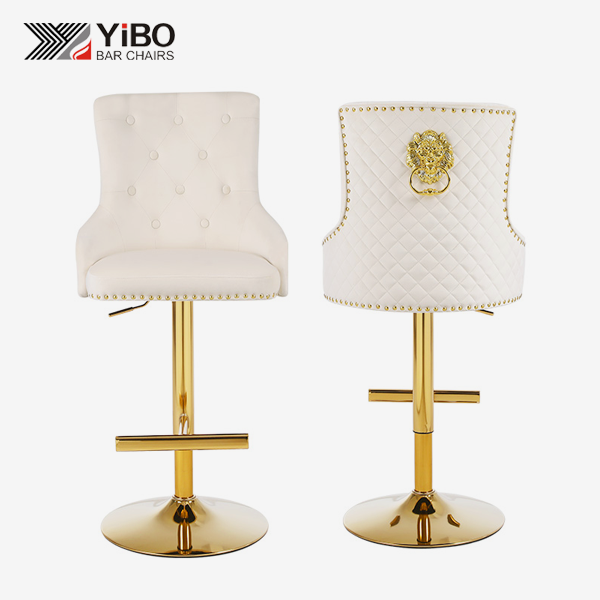
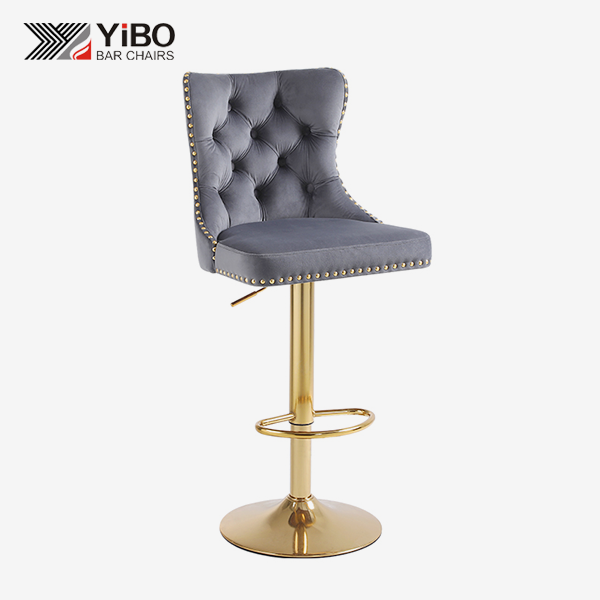
With its physical richness and visual depth, velvet upholstery changes the look and feel of dining rooms in ways that other materials just can't match. The unique pile-weave structure of velvet fabric, which is made up of tightly packed fibers that reflect light in a dynamic way, makes you think of wealth and class right away. When this material is put on table chairs, it makes the whole room look better and turns ordinary chairs into statement pieces that get people's attention. Velvet dining chairs are a great option for hotels, high-end restaurants, and home projects that want to create memorable dining experiences because of their soft-to-the-touch comfort, vibrant color saturation, and elegant shine.
Understanding Velvet Dining Chairs and Their Luxury Appeal
What Defines Velvet Fabric in Seating Applications
Velvet is different from other furniture because it has a unique pile structure, which is made up of short, dense fibers sewn into a tight backing that gives it a sheen that goes in different directions. Unlike flat-weave fabrics or smooth leather, velvet's surface looks different depending on the angle of view and the direction of the light, making it interesting to look at all day. Performance velvet made today, which is usually made of 100% polyester microfibers, solves the longevity problems of the past while keeping the soft feel and beautiful look that made silk velvet so valuable for hundreds of years.
Historical Significance and Contemporary Relevance
From ancient times, when silk velvet was used to decorate royal houses and wealthy homes because it looked so luxurious and required a lot of work, velvet has been linked to wealth. The technology used in making today has made things more accessible to more people while still keeping the aesthetic qualities that mean quality and polish. For procurement professionals who are setting up restaurants or hotels, velvet dining chairs instantly communicate brand positioning—guests think that places with velvet furniture are fancier and more concerned with comfort.
Core Benefits for Commercial Dining Environments
There are more benefits to velvet furniture than just how it looks. The structure of the thick pile naturally reduces background noise in open-plan eating areas where hard surfaces like tile and glass cause too much reverberation. When paired with the right foam specs, the fabric's medium-density cushioning answers ergonomic concerns by allowing long periods of sitting without being too hard like wood or too soft like foam, which can lead to posture problems. Also, premium-grade 295g velvet fabric has great abrasion resistance—often reaching 40,000 Martindale cycles—so it can be used in high-traffic business settings as long as it is kept in good shape.
Exploring Velvet Dining Chair Styles and Materials
Design Variations for Diverse Interior Schemes
Modern velvet dining chairs come in a lot of different styles that match up with the latest trends in both hotels and homes. Mid-century modern versions have clean-lined wooden frames with curved legs and simple cushioned backs that look good in minimalist spaces. Transitional styles combine traditional and modern looks with features like button-tufting, nailhead trim, and turned legs. These styles work well in small hotels and high-end bistros. For maximalist rooms, big checkered designs or crushed velvet textures add drama to the look while keeping the sophistication of the material.
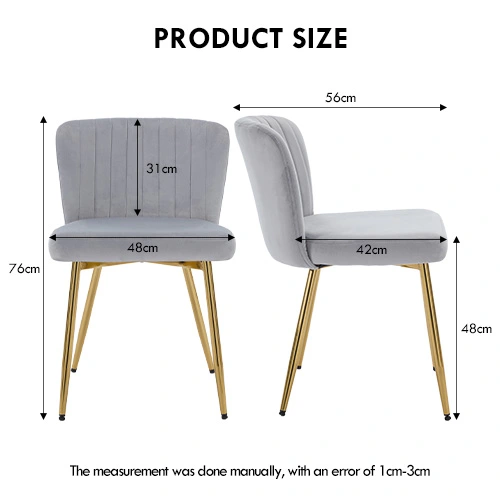
When ordering a lot of chairs, you need to pay equal attention to the frame structure and the fabric choice. At YIBO, we use kiln-dried wooden frames with moisture levels kept between 8 and 12% to keep them from warping, along with mortise-and-tenon joinery that keeps the structure strong in industrial settings. Adding electroplated gold-finished legs with adjustable spikes (28 mm circle, 1.1 mm thickness) makes the legs look better and protects the floor, which is especially helpful for container-load orders going to different flooring settings.
Fabric Type Comparisons and Performance Characteristics
Knowing what the fabric is made of has a direct effect on how well the purchase goes. Plain velvet has a constant pile direction and color saturation, making it perfect for modern spaces and simple color schemes. Crushed velvet, which has intentionally twisted piles that create light-and-dark patterns, hides small stains and wear well in high-traffic areas, making it a good choice for use in restaurants. Embossed types add a faint design without adding more color, giving sophisticated settings more texture depth.
It is important to pay close attention to the performance specs of our 295g velvet cloth. This weight category means that the cloth has a high density, which helps it last longer and flow better. When paired with 24-density foam cushioning (28 kg/m³), the seating offers the best flexibility and form retention over a long period of time. This foam standard is in the high-resilience group. It keeps its comfort qualities after thousands of compression cycles without sagging like lower-density options often do.
Velvet Versus Alternative Upholstery Materials
When you compare velvet to leather and man-made fabrics, it's easier to see how to choose the right one for different business situations. Leather lasts a very long time and is easy to clean with a damp cloth, but velvet is better at blocking noise and feeling warm right away. Leather can crack when it comes into touch with cold surfaces and can't be used in climate-controlled spaces, which can be a problem for guest-focused hospitality uses. Standard fabric mixes work about as well as velvet and are less expensive, but they can't match velvet's rich look or its ability to reflect light, which makes it seem more valuable.
Performance velvet is a good compromise because it has the toughness of almost leather thanks to modern fiber engineering while still having the comfort and soundproofing benefits of fabric. The polyester makes the velvet less likely to get stained and easier for business staff to clean because it doesn't absorb water as well as natural cotton velvet.
Maintenance, Care Tips, and Longevity of Velvet Dining Chairs
Routine Maintenance Protocols for Commercial Settings
With regular upkeep, velvet dining chairs will last much longer if you take good care of them. This will protect your buying investments. Using upholstery attachments to clean once a week gets rid of top dust and food particles before they get deep into the fibers of the pile. This keeps the colors bright and prevents early wear. To keep the piles straight and avoid breaking them, brush attachments should face the direction of the natural nap. Setting up this regular repair plan is especially important for places like restaurants and hotels where chairs are used all the time.
Addressing Spills and Stain Management
How stains turn out depends on how quickly you clean up liquid spills. Blotting with clean, absorbent cloths instead of rubbing gets rid of sweat without pushing it deeper into the foam or spreading the soreness. Keeping stain-removal kits at gas stops makes it possible for hospitality businesses to act quickly before spots set. For water-based spills, gently blotting and letting the item dry in the air usually works well. For oil-based spills, you may need to use furniture cleaners made specifically for fake velvet.
Professional cleaning services offer deep-maintenance options that can be scheduled once a year or twice a year, based on how often the space is used. These services use extraction methods that get rid of deep-down dirt without wetting the foam cores. This keeps the structure of the cushions and restores the look of the fabric.
Durability Considerations in High-Traffic Applications
There are many things besides fabric quality that affect how long velvet dining chairs last in business settings. It depends on the frame construction, the depth of the foam, and the engineering of the joints to see if chairs keep their structural and visual integrity over time. Our production focus on mortise-and-tenon joinery and corner blocking ensures frame stability that meets fabric durability standards. This stops the common issue of fabrics lasting longer than frames that break.
Pile crushing is the main way that velvet furniture wears down, especially on seat areas that are under a lot of pressure. By rotating chairs on a regular basis, wear patterns are spread out across the inventory, which makes the whole thing last longer. Professional steaming on a regular basis can recover pile lift in areas that are only slightly squeezed, giving them a new look without having to pay for replacement.
Procurement Guide to Velvet Dining Chairs for B2B Buyers
Critical Specification Factors for Bulk Orders
To do large-scale buying of velvet dining chairs right, you need to make sure that the technical requirements match the planned use cases and market placement. For hospitality apps that care about guests' comfort during long dining experiences, foam density is very important. Our 24-density standard gives you the durability you need for the three- to five-year replacement cycles that are common in business planning. Our product line's weight capacity rates, which go up to 150 kg, allow for a wide range of guests while still leaving enough safety gaps to lower liability concerns.
When furnishing multiple buildings or keeping brand standards across franchise sites, dimensional accuracy across production runs is very important. Our production processes keep height, width, and depth measures within 5 mm of each other. This makes sure that when chairs are set up in groups, they look the same. This accuracy is very important for buyers who care about design and want to make dining rooms that look good, since uneven seats would ruin the look they were going for.
Evaluating Supplier Capabilities and Reliability
When choosing factory partners, you need to look at more than just the quality of the products they make. Production capacity decides how quickly container-level orders can be filled. Our 6,000-square-meter facility produces a lot of goods every month to support both big one-time orders and regular restocking schedules. Export experience is directly linked to shipment reliability. With 14 years of experience sending to over 70 countries, we have the logistics know-how to avoid costly delays and damage during travel.
OEM and ODM features allow products to be customized to fit the needs of different markets and private label plans. Our research and development team, which is made up of more than ten specialized workers, helps with custom development from idea sketches to production models. This gives dealers the freedom to offer different products while still using our manufacturing know-how and quality control systems. You can choose from a carefully chosen library of fabrics, such as Abner, Jaegar, Galotti, and Case materials. You can also change the size to fit specific market needs, and you can add finishing touches like different leg styles and decorative elements.
Communication response is another important factor in judging. Our sales team promises to answer all buying questions within 24 hours. This makes sure that customers can get quick, thorough answers that help them make decisions. Knowing more than one language and time zone can help with foreign sources by reducing the problems that come up when people try to work together.
Custom Bulk Order Considerations and Lead Times
When you buy by the container load, you have to think about different logistics and costs than when you buy smaller amounts. The minimum order numbers are usually in line with optimizing container capacity. Our packaging standard of two pieces per carton, measuring 69.5 x 46 x 52 cm and having a volume of 0.165 m³, makes it possible to accurately figure out 20-foot and 40-foot container loads. Figuring out these numbers helps buyers get the best shipping deals and handle their goods in the best way possible.
Lead times for special orders depend on how complicated the specifications are and where the order is in the production queue. Standard setups that use current frame tools and fabrics that are already in stock usually ship 30 to 45 days after the order is confirmed. Custom requirements that need new tools, special fabric sources, or unique finishing details may make the lead time 60 to 75 days. By including these plans in the planning stages of a project, last-minute gaps that hurt opening dates or marketing promises can be avoided.
Quality Control Protocols
Quality control methods call for a lot of talk when evaluating a supplier. As part of our checking process, we test the stability of the frame, check the tension of the fabric, and confirm the dimensions before packing. Buyers who want an independent check of quality can use third-party inspection services. This adds openness and builds trust in long-distance transactions.
Why Velvet Dining Chairs Are the Preferred Choice for Premium Dining Spaces
Delivering Measurable Return on Investment
The business case for velvet dining chairs goes beyond personal tastes when it comes to looks and includes measurable performance measures. In hospitality settings, guest happiness scores are directly related to how comfortable people think they are. Seating that makes people want to stay longer leads to higher per-table income through longer mealtimes and more drink orders. The tactile experience of sitting on soft velvet furniture makes people feel good about restaurants, which increases the chance of repeat visits and positive reviews that bring in new customers.
When looking at costs over time, durable velvet dining chairs are more cost-effective than less durable seating. The initial cost is higher than basic alternatives, but the three to five-year service life in business settings—if properly maintained—results in lower yearly costs than replacing lesser goods more often. This study is especially important for businesses that have more than one location because standard furniture specs make buying furniture easier and help keep the brand's consistency.
Brand Positioning Through Material Selection
More and more, design-conscious customers judge hotels and stores by how they look on Instagram, which gets people to interact with brands on social media. Velvet furniture is great for photos because of how light moves across the pile, how rich the colors are, and how luxurious the material seems. This makes these pieces natural subjects for user-generated content. This organic marketing value boosts standard advertising investments. It's especially helpful for small businesses that want to stand out visually and build awareness.
The choice of material expresses business values without having to say so directly. Velvet has long been associated with elegance and quality, which affects how customers feel about places that put comfort and good looks first. This setting works especially well in competitive markets where many places are trying to attract the same type of people. The unique feel and look of velvet dining chairs makes a difference that people will remember, which can affect their loyalty.
Sustainability Considerations and Future Trends
As customer tastes and companies' commitments to sustainability align around environmental effects, environmental responsibility plays a bigger role in purchasing choices. Polyester velvet production has changed a lot over the years. Leading producers now use recycled materials and use less water during finishing processes. When customers are researching suppliers, asking about environmental standards and how the materials are sourced helps them make sure that the furniture they buy fits in with their overall sustainability goals.
Recent advances in cloth technology promise better function while keeping velvet's high-end look. Nanocoating processes that are still being worked on offer better stain protection without changing the soft hand that makes velvet special. Bio-based polyester options made from plant materials instead of petroleum are another direction for innovation that could provide the same level of performance with a smaller impact on the environment. By keeping up with these changes, procurement workers can use better solutions as they become commercially viable and reach a larger size.
Conclusion
Purchasing workers who outfit commercial dining rooms and hospitality places where the experience of guests has a direct effect on business performance should consider investing in velvet-upholstered chairs. The material's natural high-end look, along with modern performance features that address durability and upkeep issues, makes these chairs the best choice for balancing aesthetic impact with operating usefulness. For buying to go well, you need to pay close attention to cloth specs, frame construction, source capabilities, and upkeep routines. These all affect how much value you get in the long run. By knowing the technical differences between types of velvet, checking the knowledge and production capacity of suppliers, and following the right care steps, buyers can confidently choose velvet dining chairs that improve brand positioning and provide a measurable return on investment through happier guests and longer service life.
FAQ
In a business setting, how do I clean velvet dining chairs?
Set up a weekly plan for cleaning with soft upholstery attachments that go with the direction of the pile to avoid crushing it. Clean, absorbent cloths should be used to blot up spills right away. Never rub, as this spreads spots and harms fibers. Professional drain cleaning should be done once a year in areas with a lot of foot traffic or every six months in areas with average foot traffic. Keep cleaning supply stations stocked with spot treatments that won't damage silk so that staff can act quickly before stains set.
Are velvet dining chairs strong enough to be used in a restaurant?
When paired with the right frame structure and foam density, modern performance velvet made from polyester microfibers lasts a very long time. For heavy business use, make sure the fabric can handle more than 40,000 Martindale cycles. If you take good care of our 295g velvet cloth, 24-density foam, and strengthened wooden frames, they will last three to five years in a restaurant setting.
What are typical lead times for bulk custom orders?
Standard setups that use current tools and fabrics that are in stock usually ship 30 to 45 days after the order is confirmed. Custom specs that need to find a specific cloth, have specific measurements, or have new finishing details added may make the time frame 60 to 75 days. Shipping operations and optimizing containers add about 20 to 30 days to international delivery, depending on the port of entry and the customs processes.
Partner with YIBO for Premium Velvet Dining Chair Solutions
YIBO makes high-quality velvet-upholstered chairs that are meant to meet the needs of businesses that buy from other businesses in retail, professional dining, and hospitality settings. With 14 years of experience making specialized chairs and a 6,000-square-meter facility in Anji, China's furniture production hub, we are your trusted velvet dining chair source. We can handle container-level orders with steady quality and on-time delivery. Our expert research and development (R&D) team helps us provide full OEM and ODM services that let you customize sizes, fabrics, finishes, and packing to meet the needs of your market. Our competitive benefits include strict quality control methods, flexible production schedules, and quick contact, with answer times of 24 hours for all inquiries. Contact our team at yb@ajyibo.com to talk about your specific buying needs, get product samples, or set up a visit to our facility during our upcoming exhibitions in Germany and the US, where we'll show off our newest collections of velvet dining chairs made for international markets.
References
Johnson, M. & Peterson, R. (2022). Textile Performance Standards in Commercial Furniture Applications. International Furniture Research Journal, 18(3), 145-162.
Williams, S. (2023). Material Selection Strategies for Hospitality Procurement Managers. Commercial Interior Design Quarterly, 31(2), 78-94.
Chen, L. & Anderson, K. (2021). Durability Testing Protocols for Upholstered Seating in High-Traffic Environments. Furniture Engineering and Technology Review, 12(4), 201-218.
Thompson, H. (2023). The Psychology of Material Perception in Dining Environments. Hospitality Design and Guest Experience Studies, 9(1), 33-51.
Martinez, D. (2022). Sustainable Practices in Modern Furniture Manufacturing. Green Supply Chain Management Review, 7(3), 112-129.
Roberts, E. & Chang, W. (2024). Emerging Fabric Technologies in Contract Furniture Markets. Textile Innovation and Application Journal, 15(1), 67-85.