

 (1)_1777442575043.jpg)
Is a Leather Bar Stool Suitable for the Kitchen?
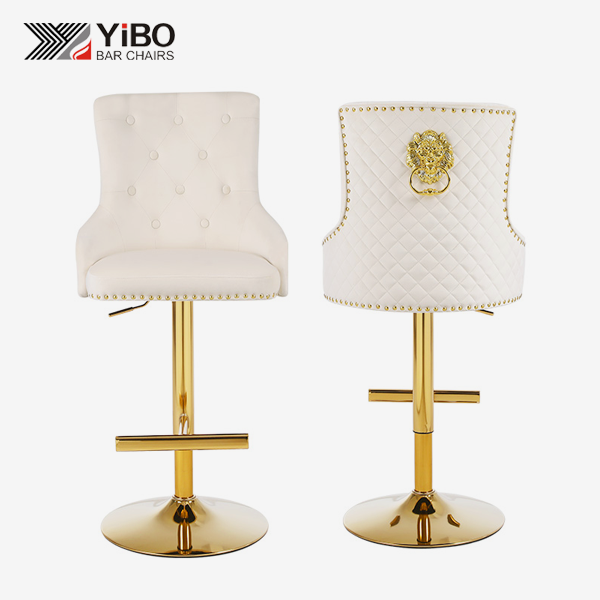
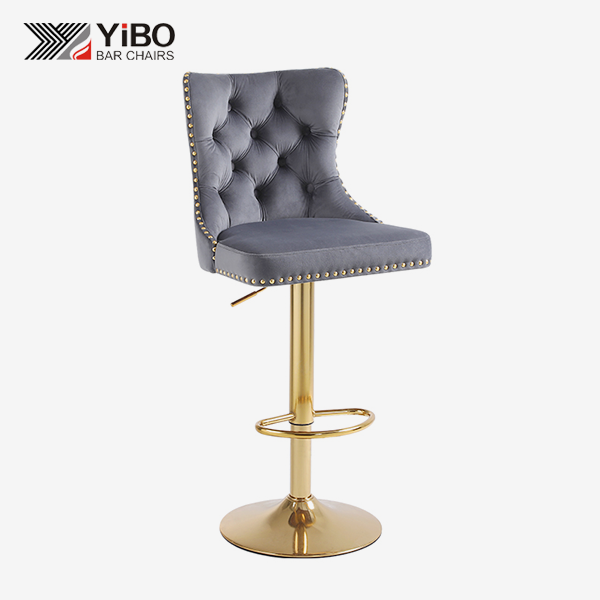
Leather kitchen bar stools are the finest option for commercial kitchens, hospitality facilities, and other large locations where elegance and durability are crucial. These elevated seats include leather cushioning for a luxurious appearance and a sturdy structure. Leather bar stools, when picked properly, endure longer, are easier to clean, and offer a traditional design that goes with a variety of interior types, from trendy bistros to classic hotel breakfast bars. They are a good investment for multi-unit project procurement specialists.
Understanding Leather Kitchen Bar Stools: Features and Benefits
Leather kitchen bar stools manufactured for business environments are assembled differently than home-made ones. For fourteen years, Anji Yibo has made commercial-grade units that look and operate well. Our production method shows it.
Types of Leather Materials
The cushion material affects its performance and lifetime cost. Full-grain leather breathes and develops a distinctive hue since it retains the hide's original surface. High-end hotel projects that develop brand identification with visual character should choose this option. On the exterior, top-grain leather is refined to remove defects while maintaining structural integrity. This keeps large orders looking uniform, which is crucial when equipping many locations.
Bonded leather, manufactured from leather scraps and polyurethane, is inexpensive but doesn't last as long in commerce. Fake leather, especially high-quality PU materials, has altered greatly in recent years. Our 0.8mm half-PU upholstery resists wear and tear, according to independent Martindale testing of over 50,000 rounds. It may also be customized in many colors to match brand standards.
Structural Advantages for Commercial Use
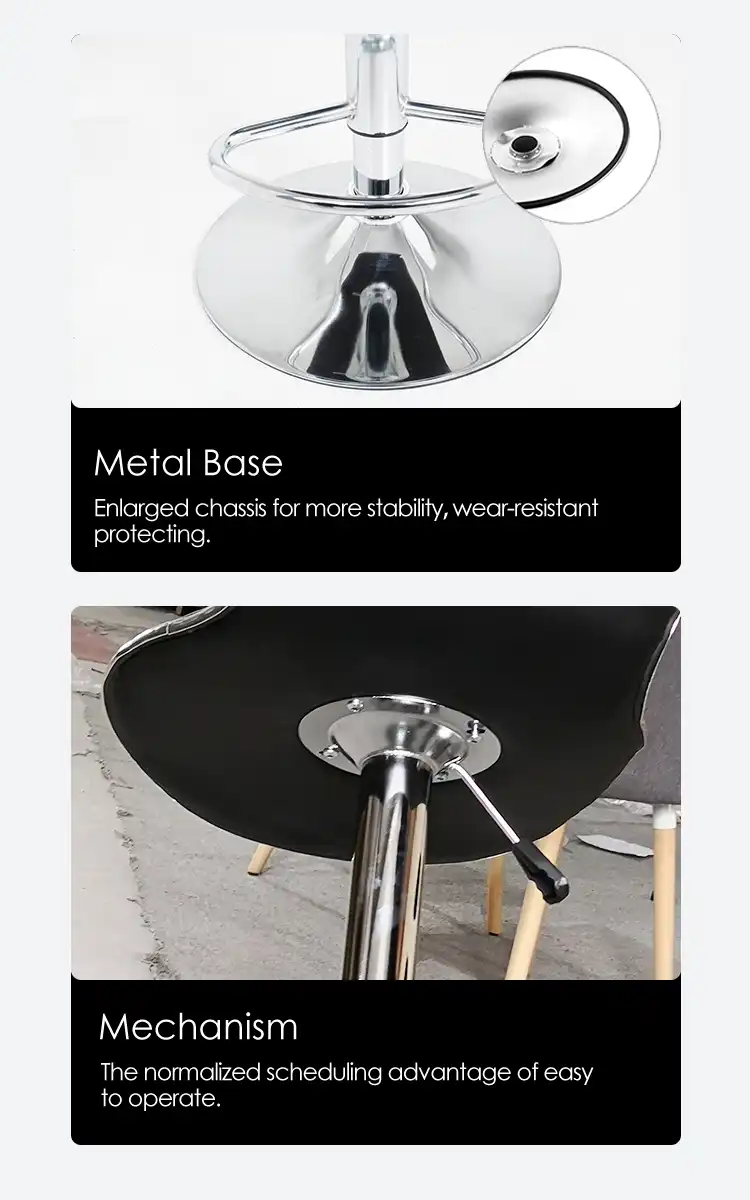
Commercial-grade stools work because of their construction. Even when professional kitchen air shifts, our 1.2 cm multi-layer board units retain their shape. The built-in iron frame features 0.8 mm tube walls. It can support 300 pounds steadily and retain its structure after numerous usage.
Long-term seating comfort depends on cushioning technologies. We utilize 1.8cm primary cotton padding and 22-density foam that doesn't shrink, which causes cheaper solutions to fail after a few months. This high-resilience standard maintains seat form after thousands of occupancy cycles. This prevents early replacement expenses from lowering project ROI.
The 360-degree turn mechanism simplifies movement in changing kitchens. Service station users, visitors talking, and workers moving between work areas benefit from this functionality. We test our swivel part over 100,000 cycles to ensure it functions for the life of the product.
Maintenance and Longevity Considerations
Due to its natural construction, leather is easier to clean daily than woven materials. The slick surface of treated leather prevents it from absorbing cooking spills. Without additional equipment, moist microfiber towels may remove coffee, wine, and food stains. Building maintenance personnel responsible for eating spaces will work less.
In busy businesses, conditioning leather every three to six months maintains it supple and prevents cracking. Fabric furniture must be thoroughly cleaned or replaced frequently due to allergies and odors. However, leather develops a protective top layer that improves with age and stays clean and attractive.
Comparing Leather Bar Stools with Other Materials: Making the Right Choice
You must weigh performance against operational demands and budget when selecting materials. Procurement managers should consider both the initial cost and the total cost of ownership throughout the product's estimated lifespan. For many venues, leather kitchen bar stools represent the most cost-effective long-term choice.
Leather Versus Fabric Upholstery
Fabric stools may seem cheap, but they typically have hidden expenses. In damp kitchens, textile furniture absorbs spills, retains odors, and develops germs. In the first two years of use, premature professional cleaning or repair cycles cost more than the little savings.
Leather furniture naturally eliminates germs, meeting health regulations in public food service areas. The surface lacks pores, so bacteria can't thrive. The cloth doesn't need harsh chemicals to preserve. A visual examination can quickly verify cleanliness, which is useful for health inspections and brand image requirements.
Material design freedom varies greatly. While fabric allows you pick designs, leather provides elegance and visual warmth that makes venues more attractive to customers. Hospitality venues that desire high-end consumers realize that their materials convey a brand's tone before guests see the menu.
Genuine Leather Versus Synthetic Alternatives
You must balance the realisticness and usefulness of genuine and faux leather. Businesses that emphasize handmade or traditional brand stories choose natural leather since it matures differently than synthetic materials. However, modern PU leather technology makes it seem more like real leather and easier to modify and maintain.
Our semi-PU fabric stays the same color across production runs, which is vital when buying more units months later to accommodate growth or replace damaged ones. Natural leather batches will always be distinct since the skins originate from various animals with unique features. Synthetic options eliminate matching for chains with various sites that need visual uniformity over dozens or hundreds of units.
As corporations seek environmental permits, sustainability considerations become more relevant in their purchase decisions. A well-made imitation leather lasts as long as real leather without the animal husbandry. Our ISO 9001:2015-certified factory's quality control procedures provide constant output regardless of material.
Functional Styles and Ergonomic Features
Rotating or set bases effect user experience and space utilization. Swivel gadgets make it simpler to enter and exit tight places like tiny kitchens and minimize the space behind each seat. In formal dining rooms, where movement might detract from food presentation, fixed bases provide perfect stability.
The form of the backrest affects long-term sitting comfort. For casual seating in coffee shops and other quick-service restaurants, counter-height stools without backs are ideal. People sit for 60–90 minutes while eating various courses in luxury on full-back chairs with lumbar support. Our ergonomic profile supports proper posture, reducing fatigue. This is a small quality marker visitors may cherish instinctively.
Armrests make communal seating easier and define your area. Arms require greater linear length each position, hence there are fewer chairs per unit. Depending on the venue, procurement criteria should include arms. High-end companies benefit from the added comfort signal, while high-volume firms maximize space with armless configurations.
Factors to Consider When Choosing Leather Bar Stools for B2B Procurement
To make sure your company purchases suit your goals and budget, you must carefully evaluate many things when sourcing leather kitchen bar stools.
Volume Assessment and Order Planning
When you buy by the container, exporters and wholesalers may use economies of scale to minimize unit costs. Our two-piece, 55x45x48cm packaging maximizes shipping container space, lowering freight costs. The 0.118 cubic meter carton volume allows precise container capacity estimates. This allows procurement managers plan purchases to maximize vessel space without paying for unused space.
Consider growth and replacement rounds when ordering in bulk. A basic inventory with urgent products and strategic backups prevents supply chain issues. Color matching, measurement modifications, and brand embossing need longer manufacturing periods, so plan ahead rather than purchasing on the scene.
Application Environment Evaluation
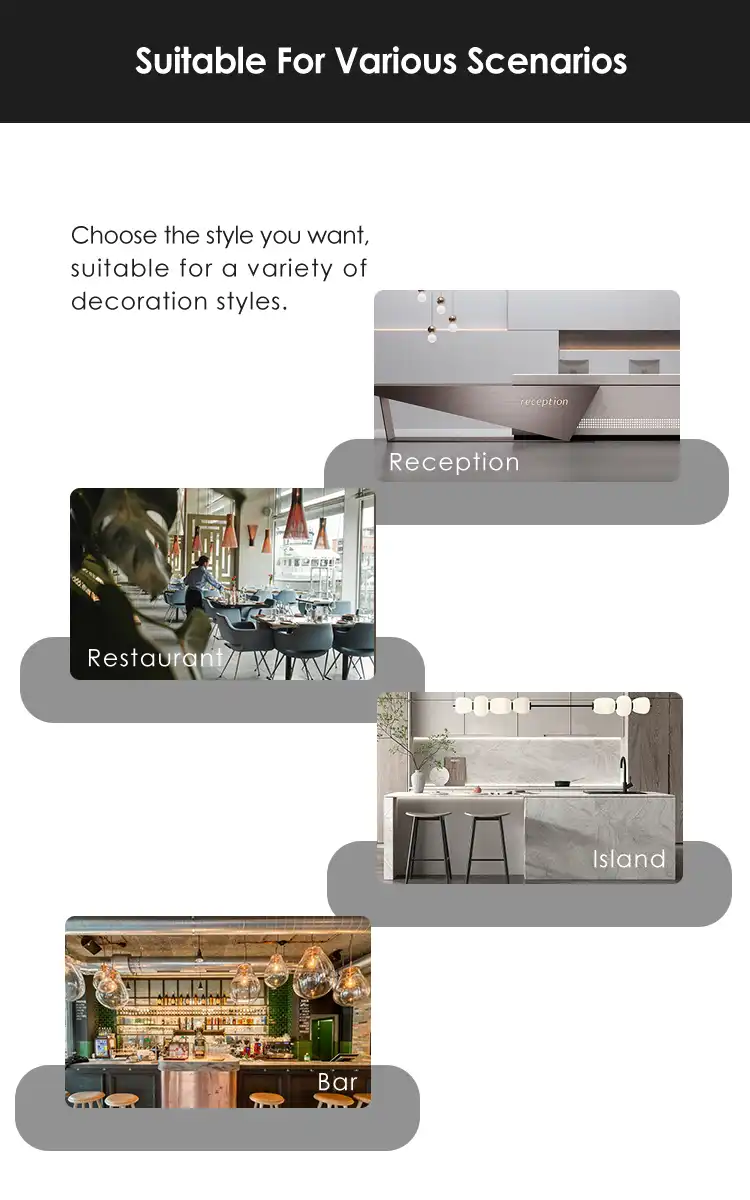
various businesses have various success standards. Restaurant bars are used daily and are stressed by considerable foot traffic, therefore they must be durable. Office break rooms are rarely used, yet their usage is reliable. This allows adjustable specs, which helps budgeting. To reflect the brand's high-end positioning, hotel lobby bars must utilize high-end materials that may go beyond utilitarian analysis.
Kitchen island seating fulfills corporate durability and domestic aesthetic criteria in boutique hotels, bed-and-breakfasts, and professional retreats. We can customize materials and finishes to fulfill these specific needs without losing elegance or function.
Quality Benchmarks and Supplier Credentials
Leather grade verification prevents low-quality materials from looking fine but breaking down fast under commercial stress. Request leather kind, thickness, and surface treatment specifications. Our detailed paperwork lets procurement teams trace all our goods and verify requirements before ordering.
Dense stitching, seams away from severe stress, and frame joining show workmanship. Hand-tied joints and strengthened stress areas distinguish commercial-grade building from home assembly. For fourteen years, our factory has made leather bar stools solely. This historical knowledge improves construction details and product durability.
Product warranty demonstrates that the manufacturer trusts it to last. Full warranties on structural parts, upholstery, and mechanical systems demonstrate the company's quality and protect purchasing budgets from unexpected maintenance expenditures. Our guarantee terms are business-appropriate. They don't limit coverage with useless, insecure rules.
Budget Optimization Strategies
A cost study includes more than the purchase price. Shipping, assembly, maintenance, and replacement are other expenditures. Units that last longer and require less maintenance are worth the upfront expense since they save money over time. Instead of merely looking at the purchase price, procurement models should calculate service costs each year.
Delivery wait times impact project timeframes and costs. Reliable suppliers with well-established international transportation networks save costly project delays. Our shipping partners ensure on-time delivery, and tracking information helps us collaborate with receiving centers and installation crews.
More improvements include negotiating payment conditions and setting up volume discount programs. The vendor and you both want you to succeed in a long-term relationship. Better support, transaction costs, and price can result.
Leading Brands and Reliable Suppliers of Leather Kitchen Bar Stools
Supplier selection affects procurement results for leather kitchen bar stools, thus a thorough analysis is needed for project success.
Establishing Supplier Evaluation Criteria
Past delivery success best predicts future reliability. Request client samples from purchasers of similar-sized projects and compare their delivery dates to the agreed-upon dates. On-time performance displays practicality and organizational control that prevents disruptive delays.
Bulk pricing transparency eliminates hidden expenditures that harm budget estimates. Full quotations should include unit, packaging, freight, and applicable taxes and fees. Our pricing system shows all product costs so you may make realistic budget projections and avoid order handling fees.
After-sales service from premium sellers provides speedy communication channels, replacement parts, and professional guidance, unlike commodity merchants. Manufacturing issues might arise despite strong quality control. How fast a supplier reacts determines whether small issues become major ones. Our 24-hour response time ensures procurement teams obtain support throughout a product's life.
The Anji Yibo Manufacturing Advantage
Our facility is located Anji, Zhejiang, China's chair manufacturing heartland. It has industrial expertise and solid supply chain infrastructure. They have access to qualified artisans, specialist part suppliers, and furniture exporting-friendly transportation networks due to their area knowledge. This allows them to regularly provide high-quality items on schedule, unlike other producers.
We make the metal frame and examine the final covering in our 6,000-square-meter manufacturing center. Vertical integration ensures quality control throughout manufacturing rather than depending on outside vendors with varied standards. In outsourced production methods, coordinating with various vendors would take time, but this operational control allows swift responses to particular specs and adjustments.
Our experienced research and development staff monitors new design and international market trends to ensure our product line is beneficial in many places. This proactive approach to development allows importers and sellers receive new fashions that clients desire today instead of old stock when styles change.
Certification and Compliance Standards
Business-specific BIFMA accreditation means the furniture satisfies structural safety and durability criteria. These rigorous testing techniques ensure that items can withstand public stress. They also allow buying teams to independently verify performance claims.
ISO 9001:2015 accreditation confirms that all production processes include systematic quality control. This widely acknowledged standard ensures output quality throughout production runs. It eliminates batch-to-batch differences that complicate inventory management when units from various manufacturing schedules are installed together.
As organizations become more ecologically friendly, FSC-approved wood parts suit sustainability demands. This chain-of-custody verification ensures wood products come from environmentally friendly sources. It helps with supply chain-wide sustainable sourcing procurement criteria.
Buying Leather Kitchen Bar Stools Online: Best Practices and Tips
Digital shopping for leather kitchen bar stools is faster and easier, but proof issues require careful navigation.
Authenticating Product Quality Remotely
Product specs including accurate measurements, material data, and construction details help compare providers. Vague, non-technical remarks sometimes hide quality issues that become apparent after delivery. Our extensive product documentation provides all the technical information you need to make an informed selection without seeing the device.
Before making major purchases, get samples to verify quality, which is especially beneficial when getting to know a new source. Small sample investments prevent costly blunders after receiving container numbers that don't meet expectations. Testing samples is the best approach to ensure our products match your demands.
Technical requirements are supported by high-resolution photographs of frame construction, upholstery stitching, and finish quality. Multiple perspectives and close-ups illustrate craftsmanship aspects that a product photo may not convey. Our product photo gallery contains many online evaluation images.
Navigating Shipping and Logistics
International freight planning requires careful management to minimize delays and unexpected expenditures. Make sure you understand the Incoterms at the quote stage so you know who is liable for expenses and risk at each shipment stage. FOB price switches responsibility at the port of origin, whereas DDP covers all expenses till delivery. Each model suits various purchases.
Optimizing container load affects shipping costs per unit. Mixed container configurations with many product lines allow small firms to employ container-rate shipping prices instead of less-than-container-load services. Our variable order minimums allow mixed loads that make delivery efficient for buyers seeking a variety of items.
The target nation determines customs clearance processes and documentation. Experienced exporters provide accurate business invoices, packing lists, and certificates of origin to streamline customs procedure. We've exported to over 70 countries for 14 years, so we know what documentation is needed and can prevent clearance delays.
Warranty and Return Policy Verification
Comprehensive guarantee conditions stated before the purchase allow clients to receive their money back if the items don't function. Verbal promises are unenforceable; need formal guarantee contracts that explain coverage, duration, and claim procedures. Our straightforward guarantee terms safeguard consumers' best interests by stating what is expected of them and how to register a claim.
Non-conforming products return rules prevent you from receiving defective items. Determine who pays return shipping and refund expenses to assess the risk. Quality control reduces nonconformances, and reasonable return policies safeguard you if issues emerge.
When technical support is provided after delivery, little issues don't escalate and interrupt company. Access to knowledgeable support staff who can provide timely guidance improves product usefulness and customer satisfaction after the first purchase. Our skilled sales team is ready for a product's whole lifespan, not just purchase.
Conclusion
Leather kitchen bar stools are perfect for corporate buyers that oversee commercial seating initiatives in hotels, workplaces, and retail. The product's durability, ease of maintenance, and variety of appearances make it worth the investment in whole lifetime cost analysis, not just purchase pricing. The application, brand image, and uniformity throughout deploys determine whether to use real or faux leather. Focus on a supplier's capacity to manufacture products, quality standards, delivery reliability, and after-sales support mechanisms that offer value beyond the initial transaction. Strategic purchase strategy that maximizes volume, customizes requirements, and builds long-term supplier relationships maximizes ROI and ensures chair solutions fulfill corporate goals and improve client experiences.
FAQs
What Makes Leather Bar Stools Durable Enough for Commercial Kitchens?
Commercial-grade leather stools have steel tube frames with 0.8 mm walls as reinforcement. This maintains the structure sturdy after daily usage. After thousands of usage, high-density foam cushioning of 22 density or greater doesn't shrink, keeping the seat comfortable. Quality leather furniture lasts longer than cloth, which wears out after a few months in high-traffic areas. Martindale test results for the correct PU materials exceed 50,000 rubs, far exceeding cloth alternatives.
How Should I Clean and Maintain Leather Stools in Kitchen Settings?
To remove food remnants and spills before they set, clean surfaces daily using slightly moist microfiber towels. Avoid aggressive chemical cleansers that destroy safe surface treatments to remove stubborn areas. Switch to pH-neutral soap. In regions with frequent temperature variations, leather conditioner should be applied every three months to maintain the material supple and prevent cracking. Due to its water resistance, treated leather is easier to maintain than fabric, which must be retrieved, cleaned, or replaced.
Can I Distinguish Between Genuine and Faux Leather Before Purchasing?
Real leather has somewhat different grain patterns, whereas imitation leather is smooth all around. Smell tests reveal alterations. Synthetic leather smells like chemicals or plastic, but real leather smells organic. Real leather tags should declare "100% Top Grain" or "Full Grain." "Leather-like" or "man-made materials" indicate fake leather. To verify material specs, get documents from vendors.
Partner with YIBO for Premium Leather Kitchen Bar Stools Manufacturing Solutions
Anji Yibo Furniture Co., Ltd. stands ready to support your commercial seating procurement requirements with fourteen years of specialized manufacturing expertise in leather bar stools production. Our vertically integrated facility in Anji, Zhejiang, delivers consistent quality through ISO 9001:2015 certified processes, ensuring every leather kitchen bar stool meets rigorous commercial durability standards. As an experienced supplier, we offer comprehensive OEM and ODM capabilities with professional R&D support for custom specifications—material selection, dimensional modifications, and brand-specific finishing—all backed by our commitment to container-level order efficiency and reliable international shipping. Contact our team at yb@ajyibo.com to discuss your project requirements, request detailed product specifications, or arrange sample evaluation. We provide responsive 24-hour communication and competitive pricing structures designed specifically for importers, distributors, and project contractors seeking dependable Chinese manufacturing partnerships that deliver scalable production and long-term supply stability.
References
1. Furniture Industry Quality Standards Committee. (2021). Commercial Seating Durability Requirements for Hospitality Environments. International Furniture Manufacturing Association.
2. Anderson, M. & Peterson, R. (2020). Material Selection in Contract Furniture: Cost-Benefit Analysis Across Product Lifecycles. Journal of Commercial Interior Design, Volume 45, Issue 3.
3. Chen, L. (2022). Leather Processing and Performance Characteristics in High-Traffic Applications. Textile and Materials Engineering Quarterly.
4. Global Furniture Supply Chain Institute. (2023). B2B Procurement Best Practices: Evaluating International Furniture Manufacturers. Shanghai: Commercial Publishing Group.
5. Williams, K. (2021). Ergonomic Seating Design for Extended Occupancy in Food Service Environments. Hospitality Furniture Review, Spring Edition.
6. Zhang, W. & Liu, H. (2023). Manufacturing Excellence in China's Furniture Export Industry: The Anji Regional Case Study. Asian Journal of Industrial Economics, Volume 18, Number 2.