

 (1)_1777442575043.jpg)
Leather Bar Stool Suppliers: How to Find Reliable Factories
To find reliable leather bar stool suppliers, you need to carefully consider their manufacturing capabilities, the quality of their materials, and the possibility of forming a long-term relationship. Procurement pros who are good at their jobs know that the right supplier has high-quality products, reliable delivery times, and reasonable prices. This detailed guide talks about important selection criteria, verification methods, and best practices that will make sure the furniture you buy meets both quality standards and budget constraints, while also lowering the risks that come with working with other countries to buy things.
Understanding the Leather Bar Stool Market for B2B Buyers
In the past few decades, the commercial seating industry has changed a lot. Leather bar stools have become important in retail, corporate, and hospitality settings. Knowing how the market works helps people who work in procurement make decisions that are in line with project requirements and spending limits.
Material Types and Quality Standards
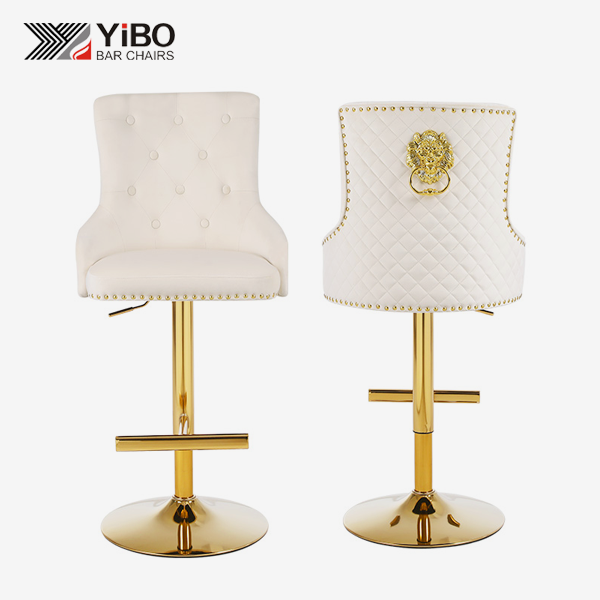
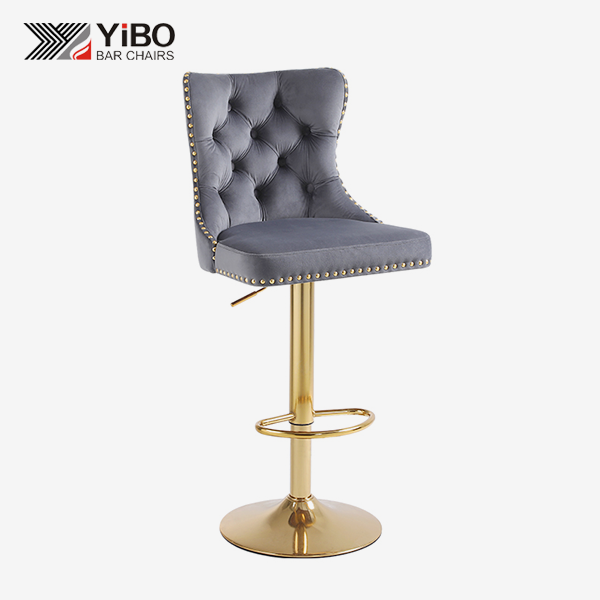
There are different types of materials used to make modern leather seats, and each one is best for a certain business purpose. Genuine leather is still the best choice for high-end businesses because it lasts longer and looks better, which explains the higher initial investment costs. Semi-aniline leather is great for high-traffic commercial areas because it doesn't stain easily and still has the natural grain qualities. Faux leather options have become very popular because they are consistently good quality and don't need as much upkeep. These days, advanced fake materials can look like real leather and are better at resisting water, UV light, and normal wear and tear. More and more people are worried about the environment, and eco-leather choices use recycled materials and make their products in ways that are good for the environment. High-performance fabrics and hybrids that blend leather accents with textile surfaces are some other options for upholstery. These choices offer affordable options for projects that need to stay within a budget while still looking professional.
Commercial Applications and Style Categories
Knowing what style they like helps buyers choose products that will look good in the places they want to use them. Clean lines and geometric shapes are used in modern minimalist designs that go well with modern building styles. Traditional designs use classic proportions and decorative elements that look good in high-end hospitality settings. Industrial-style bar stools have metal frames and leather seats, so they can be used in a variety of settings, from casual restaurants to break rooms at work. Swivel mechanisms and height-adjustable features make areas that are used for more than one thing more useful. Commercial uses include places like hotels, restaurants, and event halls, where sturdiness and comfort have a direct effect on how happy customers are. When used for long amounts of time, corporate settings need seating options that look professional and provide good ergonomic support.
Criteria for Selecting Reliable Leather Bar Stool Factories
Establishing comprehensive selection criteria protects procurement investments and ensures successful project outcomes. Professional buyers must evaluate multiple dimensions of supplier capability beyond initial pricing considerations.
Manufacturing Standards and Certifications
Quality control starts with making sure that the leather bar stool has the right industry certifications present and shows that the manufacturer is skilled. ISO 9001:2015 certification means that quality management systems are in place, and ISO 14001:2015 certification talks about guidelines for environmental responsibility. For business uses, BIFMA certification proves that furniture meets safety and durability standards. Assessing production potential means looking at things like the size of the facility, the capabilities of the equipment, and the skills of the workers. Manufacturers with facilities that are bigger than 5,000 square meters usually have enough space to consistently fill large orders. Investments in new tools like automatic cutting systems and pneumatic assembly tools show that companies are trying to make production more efficient and consistent with quality. In addition to a visual inspection, testing the structural integrity and verifying the material specifications are also part of judging craftsmanship. Reliable suppliers give thorough material documentation that includes information about the leather grade, how the frame is put together, and where hardware parts come from.
Technical Capabilities and Innovation
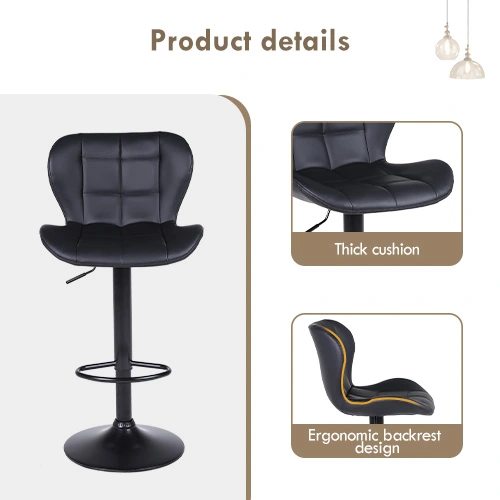
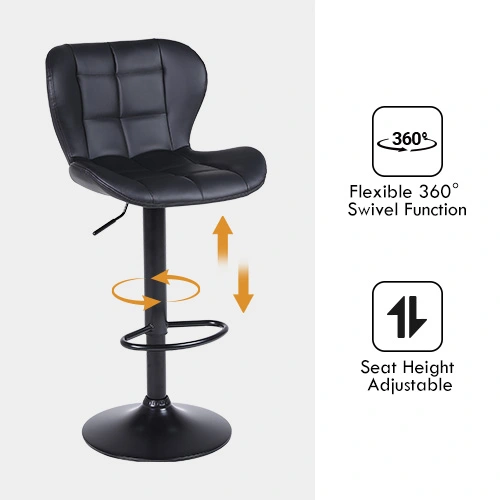
Modern bar stools are made with complex technical features that make them easier to use and last longer. To make sure they work smoothly for a long time, 360-degree swivel parts need to be made with great care. Systems that can change the height must stay stable while adjusting the height all the way through and holding a certain amount of weight. The right foam padding specifications affect both the comfort of the customer and the durability of the product. High-density polyurethane foam keeps its shape even after being compressed and expanded many times, while memory foam alternatives are more comfortable for long periods of time. Large-scale projects can save money and time by using features that make installation easier. Tool-free assembly methods and well-written installation instructions cut down on the amount of work that needs to be done on-site and the chance of mistakes.
Sustainability and Compliance Standards
Environmental accountability is becoming more and more important in how businesses buy things. Suppliers who use sustainable practices show that they can stay in business and keep up with changing government rules. Indoor air quality standards are better when water-based adhesives and low-VOC finishing products are used. Transparency in the supply chain makes it possible to check that ethical buying practices and compliance with international labour standards are being followed. Third-party certifications and documented supplier checks give customers peace of mind about working conditions and worker welfare standards.
How to Verify and Assess Potential Leather Bar Stool Suppliers
Comprehensive supplier verification protects against common procurement risks, including quality inconsistencies, delivery delays, and communication breakdowns that can compromise project success.
Due Diligence Framework
Effective verification starts with factory audits that look at both the plant's ability to make things and its quality control systems. Facility checks show how well the production flow works, how well the workspace is organised, and how well the equipment is working. The study of documentation should include steps for leather bar stool quality control, testing, and taking corrective action. Sample inspection procedures give important information about the quality of materials and building standards. By asking for more than one sample, you can see how consistent the production batches are with each other and find any possible quality differences. Stress testing should check the strength of the structure, the durability of the finish, and the functionality of the tools under real-life use scenarios.
Reference Verification and Case Studies
Verifying a client's references gives you important information about a supplier's past success and their ability to manage relationships. When you call past customers, you can find out about how reliable the delivery is, how consistent the quality is, and how quickly you respond to problems or concerns. Examples of partnerships that worked well show that the supplier can handle complicated project needs and keep customers happy over time. On the other hand, looking at how a company dealt with problems in the past shows how well they can solve problems and how committed they are to providing excellent customer service. Communication assessment checks how well someone can use words, how quickly they can respond, and how muchthey know about technology. Suppliers who communicate clearly and respond quickly usually keep better relationships and work together better on projects.
Risk Mitigation Strategies
Finding possible risk factors lets you come up with proactive measures to lower those risks, which protects project schedules and funds. Material substitution, production delays, and quality problems are all common risks that can affect the end deliverables. Material standards, delivery dates, and quality acceptance criteria should all be spelled out in the contract terms, along with clear consequences for not following through. Structures for payments that depend on reaching certain goals offer extra safety against problems with performance. Finding a backup supplier gives you choices for keeping things going if your main supplier relationships get messed up. Keeping in touch with a number of qualified providers gives you options for future purchases and helps you get better prices.
Comparison of Market-Leading Leather Bar Stool Suppliers and Custom Solutions
Understanding supplier categories and their respective strengths enables optimal matching between project requirements and manufacturing capabilities.
Global Manufacturer Categories
Most of the time, large manufacturers offer a wide range of products with standard specs and low bulk prices. These sellers keep a lot of inventory and have established distribution networks that make it possible for large orders to be delivered on time. Specialised makers focus on certain types of customers or designs, giving them more knowledge about how to use their products in certain situations. Custom solution providers offer design freedom and unique specifications that meet the needs of a particular project or brand differentiation. Regional suppliers may help local economic development goals while also saving money on logistics and making contact easier. Large-scale buying needs may have trouble, though, because of limited capacity and inconsistent quality.
Custom Solutions Evaluation
Custom leather bar stool development allows exact alignment with project specifications, such as size needs, material preferences, and aesthetic concerns. Custom solutions, on the other hand, usually have longer lead times and higher minimum order quantities than standard product choices. Detailed specification documentation, prototype development, and approval methods should all be part of the design development process to make sure that the end products meet expectations. The costs affect more than just the original price. They also include the cost of tools, longer development times, and possible revision needs. When thinking about lead time, you need to think about how long it takes for designs to be approved, tools to be made, and the first production runs. Custom projects usually take 8 to 12 weeks longer than normal production schedules, which affects the general timing of the project and how well deliveries are coordinated.
Best Practices for Managing Leather Bar Stool Procurement and Supplier Relationships
Effective procurement management extends beyond initial supplier selection to encompass ongoing relationship development and performance optimization strategies.
Project-Based Procurement Strategies
Different business settings need different leather bar stool approaches that are tailored to meet specific needs for success and style. In hospitality settings, durability and ease of maintenance are important, while in business settings, comfort and a professional look are more important. Budget optimisation means looking at the total cost of ownership, which includes the price of the item itself, the cost of sending it to you, the cost of installing it, and the cost of keeping it in good shape over time. Negotiating prices based on volume can have a big effect on the general economics of a large-scale deployment project. When making specifications, it's important to think about things like style tastes, ergonomic needs, and performance standards that match how the product will be used. Clear specifications cut down on confusion and make sure that the finished goods meet the needs of the project.
Long-Term Partnership Development
For supplier relationships to work, there needs to be constant communication and monitoring of performance that leads to continuous growth and benefits both parties. Regular reviews of performance should look at how reliable delivery is, how consistent the quality is, and how well the person responds to concerns or special needs. Through collaborative planning, suppliers can guess what customers will need in the future and make the most of their production schedules to get better prices and better supply coordination. Sharing project pipelines and timing needs helps suppliers better use their resources and abilities. Feedback systems should give helpful suggestions for making products and processes better in ways that benefit everyone. Suppliers who are open to comments show that they want to build partnerships and keep customers happy.
Conclusion
Getting leather bar stools that look good takes a methodical look at what suppliers can do, careful checks, and smart relationship management. Knowing how the market works, what the quality standards are, and the different types of suppliers can help you make smart decisions that balance cost with performance needs. Doing thorough due diligence saves you from common procurement risks and sets the stage for long-lasting, successful partnerships. Procurement management that works well includes strategies that are tailored to each project and ongoing relationship building that maximises value delivery and supports business goals.
FAQ
1. What certifications should I look for in leather bar stool suppliers?
Essential certifications include ISO 9001:2015 for quality management, BIFMA standards for furniture safety and durability, and ISO 14001:2015 for environmental responsibility. These certifications demonstrate established manufacturing standards and commitment to quality consistency.
2. How can I verify authentic leather materials in supplier samples?
Authentic leather verification involves examining grain patterns for natural irregularities, conducting water absorption tests, and checking for chemical odors typical of synthetic materials. Reputable suppliers provide detailed material specifications and source documentation for verification.
3. What are typical lead times for bulk leather bar stool orders?
Standard production lead times range from 4-6 weeks for established designs, while custom solutions require 8-12 weeks, including design approval and tooling preparation. Shipping adds 2-4 weeks, depending on destination and transportation method selected.
4. How do I evaluate supplier production capacity for large orders?
Production capacity assessment involves reviewing facility size, equipment capabilities, workforce numbers, and current order backlog. Suppliers should demonstrate the ability to handle your order volume without compromising quality or extending delivery timelines beyond acceptable limits.
5. What payment terms are standard for international leather furniture procurement?
Common payment structures include 30% deposit with order confirmation and 70% balance upon shipping completion. Letter of credit arrangements provide additional security for large orders, while established supplier relationships may allow more flexible terms based on payment history.
Partner with YIBO for Premium Leather Bar Stool Manufacturing Excellence
YIBO stands as your trusted leather bar stool manufacturer, combining 14 years of specialized furniture production expertise with cutting-edge manufacturing capabilities. Our 6,000 square meter facility produces premium seating solutions featuring easy installation systems, 360-degree swivel functionality, superior foam padding, and easy-clean leather surfaces backed by comprehensive quality assurance. We offer competitive bulk pricing, comprehensive customization options, and reliable international shipping that meets demanding project timelines. Contact our experienced team at yb@ajyibo.com to discuss your specific requirements and receive detailed product samples that demonstrate our commitment to manufacturing excellence and customer satisfaction.
References
1. Johnson, Michael R. "Commercial Furniture Procurement Standards and Quality Assessment Protocols." International Furniture Manufacturing Journal, 2023.
2. Chen, Sarah K. "Global Supply Chain Management in the Furniture Industry: Best Practices for B2B Procurement." Asian Manufacturing Review, 2022.
3. Williams, David J. "Leather Quality Assessment and Specification Standards for Commercial Applications." Materials Science and Furniture Design Quarterly, 2023.
4. Rodriguez, Maria L. "Sustainable Manufacturing Practices in Contemporary Furniture Production." Environmental Manufacturing Today, 2022.
5. Thompson, Robert A. "Risk Management Strategies for International Furniture Sourcing and Supplier Relationship Development." Global Procurement Management Review, 2023.
6. Anderson, Jennifer S. "Ergonomic Design Principles and Commercial Seating Applications in Modern Work Environments." Workplace Design and Furniture Studies, 2022.