

 (1)_1777442575043.jpg)
Pros and Cons of Wooden Brown Bar Stools
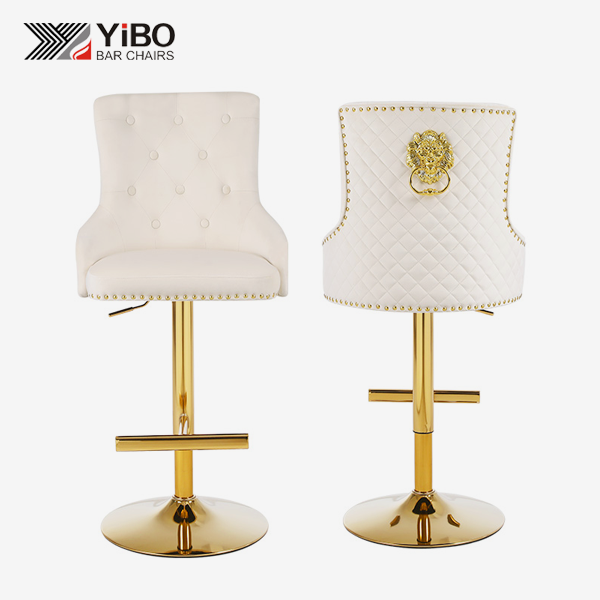
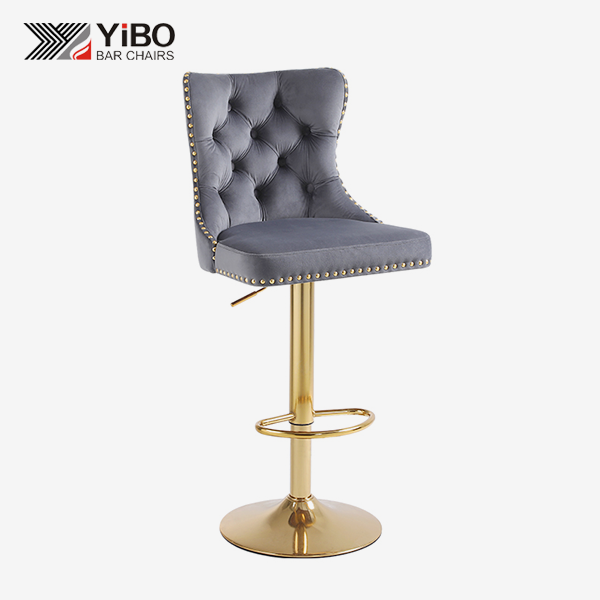
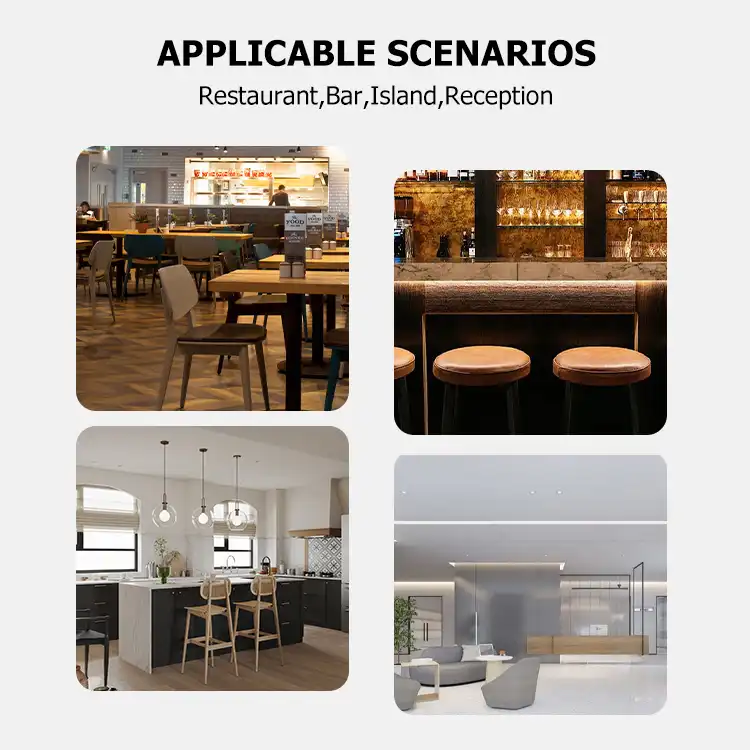
For commercial environments, brown bar stools are a practical choice due to their warm appearance and long-term durability. These stools are widely used in restaurants, retail environments, and modern office break rooms where both aesthetics and performance matter. Understanding their advantages and limitations helps procurement managers make decisions aligned with operational budgets, design standards, and long-term value. The earth-toned finish helps conceal minor wear and surface scratches while adding a warm aesthetic appeal that metal or plastic alternatives often lack. This makes them a reliable investment for businesses seeking durable seating solutions without compromising commercial performance.
Understanding Wooden Brown Bar Stools: Materials and Styles
Premium Wood Selection and Construction Standards
Solid hardwoods like oak, walnut, rubberwood, and maple are used by good makers to make elevated seating. Each has its own unique grain patterns and structural integrity. Oak is very strong and has beautiful, noticeable grain patterns that show off its natural beauty. Walnut, on the other hand, is more polished and has darker chocolate undertones. Rubberwood is a cheap and environmentally friendly choice that is often used to make industrial furniture because it grows quickly and stays dense. Siamese plywood with a thickness of 1.0 to 1.2 centimeters is often used for the structural foundation. This type of plywood can hold weights of more than 300 pounds, which is important for commercial applications that get a lot of foot traffic.
The brown color comes from stains or lacquer finishes that go deep into the wood while it was being made. These surface processes not only give the wood the color you want (from cognac and chestnut to espresso), but they also protect it from getting wet and wearing down. Modern finishing methods use UV-stabilizers to keep colors from fading when exposed to natural light. This way, the product will look the same for as long as it lasts. To make sure that finish adhesion meets high quality standards, procurement teams should check that suppliers use conversion varnish or polyurethane sealants that are rated for industrial durability.
Design Variations Across Commercial Applications
There are a lot of different styles on the modern market that can fit a lot of different venues. Traditional styles have saddle-shaped seats, turned legs, and decorative spindles that give off a rustic charm that works well in gastropubs and restaurants with a farming theme. Clean geometric lines, curved legs, and simple shapes are used in modern versions that look good in both coffee shops and offices. Industrial-style versions have metal footrests and exposed hardware, combining the warmth of wood with the practical looks that are popular in beer taprooms and loft-style offices.
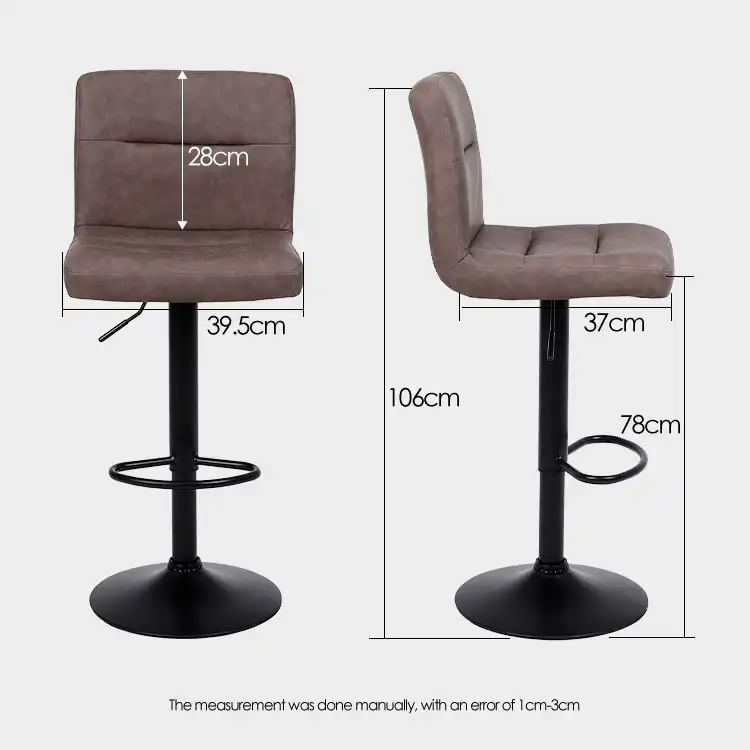
When making design requirements, ergonomics are very important. Seat heights are usually between 28 and 32 inches to fit standard 40- to 42-inch counters, and footrests are placed 10 to 12 inches from the floor to help with circulation when sitting for long amounts of time. Cushioned seats with 3.8-centimeter high-density foam padding and 0.8-millimeter half-PU fabric make the chairs more comfortable without taking away from their natural look. People often say that all-wood stools are uncomfortable, but these hybrid constructions offer procurement managers solutions that balance traditional craftsmanship with modern comfort standards.
Material Performance Comparisons
When you compare wooden options to metal or leather-upholstered options, you can see that they work differently. Leather chairs need more care to keep them from cracking and need to be kept in climate-controlled areas, while wooden surfaces can handle a wider range of temperatures. Metal frames are lighter, which makes them easier to move, but they let in extreme temperatures that could be uncomfortable for people who don't work in climate-controlled spaces. Wood naturally insulates, so it feels good to touch even when the weather changes. The material is naturally flexible, so it can handle small impacts better than rigid metal. This lowers noise levels in busy business settings, which is a small but useful benefit in hospitality settings that value good ambient quality.
Pros of Wooden Brown Bar Stools
Exceptional Durability for Commercial Intensity
Wooden seating options are very durable in places with a lot of foot traffic, where furniture is constantly put under stress from daily use. When properly built, hardwood frames can resist repeated weight loads, floor vibrations, and accidental hits that quickly break down cheaper materials. The structural stability of kiln-dried lumber keeps it from warping and joints coming apart, so the shape stays stable over many years of use. This long life directly turns into a better return on investment, since replacement cycles are much longer than with synthetic alternatives. Hospitality owners say that wooden brown bar stools stay in good shape for five to seven years of heavy daily use, while cheap metal or plastic options usually need to be replaced every two to three years.
The brown finish color is a deliberate choice that helps keep up look standards. Earthy brown tones naturally hide small scratches, scuff marks, and patina development, while lighter fabrics and white surfaces make spots and wear patterns stand out. This natural forgivingness cuts down on the number of times that furniture needs to be refinished and helps keep the look consistent across groups. Longer amounts of time between aesthetic maintenance are good for commercial venues because they lower operational costs while keeping the professional look that is important for how people see the brand. The practical benefit of hiding stains is especially useful in places like bars and restaurants where food and drink spills are a constant problem for furniture care rules.
Brand Enhancement Through Natural Aesthetics
Quality wood has a warm, natural look that expresses authenticity and attention to detail that speaks to modern consumer values. Wooden seats in a venue shows care for the environment and a commitment to long-lasting quality over disposable trends. The natural material makes spaces feel warm and inviting, which makes customers stay longer, which has a direct effect on income metrics in food and beverage businesses. Design experts always say that wood is one of the most important materials for making memorable brand environments that set places apart in competitive markets.
The different color and grain patterns in real wood make it visually interesting in a way that can't be done with man-made materials. Each piece has a subtle difference that gives business spaces personality instead of the blandness of mass-produced metal or plastic seating. This natural variation raises the value of an item, which helps companies market themselves as places that care about quality. Hospitality study has shown that natural materials have an effect on how comfortable and happy customers are. For example, customers who rated the atmosphere and overall experience higher also rated the furniture as being made of wood higher.
Sustainable Sourcing and Environmental Credentials
As companies adapt to stakeholder expectations and regulatory frameworks, environmental responsibility plays a bigger role in their buying decisions. Furniture made from wood from forests that are managed in a way that doesn't harm the environment supports green building certifications and business social responsibility programs. Chain-of-custody documentation from responsible manufacturers proves that the wood came from certified forestry companies using regenerative harvesting methods. This makes it possible for procurement teams to make claims about environmental responsibility that can be backed up. This improves the brand's image among environmentally conscious consumers.
Wood is a sustainable material, which is different from plastics made from oil or metals that are made using a lot of energy. Wood goods have carbon-sequestering properties that help them leave smaller environmental footprints when looked at over their whole lifecycle. At the end of their useful life, wooden parts break down naturally or can be reused, so they don't end up in landfills like plastic furniture does. Businesses that want to get LEED certification or similar environmental standards find that wooden seating helps them get credit in categories for sustainable materials, which creates real value beyond the immediate useful performance.
Customization Versatility for Brand Alignment
Customization requests for wooden seating solve a major problem in commercial procurement: making sure that designs are consistent across different types of venues and company identities. Businesses can define exact sizes, finish colors, hardware choices, and upholstery combinations that meet their own design standards when they use OEM and ODM manufacturing. This adaptability is very important for multi-unit owners who need to be consistent across different areas while also taking into account local tastes in style.
There are more benefits to buying brown bar stool in bulk than just lower unit costs. When a manufacturer offers full customization services, they can cut down on project timelines by meeting all of the chair needs at once. Private label tactics are supported by custom branding tools like logo embossing, proprietary stain formulations, and unique packaging. Businesses can improve ergonomics for specific tasks without having to pay for a full custom design because they can make small changes to standard designs, like changing the height of the seats, adding turning mechanisms, or adding different footrests. Thanks to these skills, buying wooden seating is now a strategic category where working with experienced manufacturers can give you real competitive benefits.
Cons of Wooden Brown Bar Stools
Maintenance Requirements and Environmental Sensitivity
Taking better care of wooden seats is more important than taking care of plastic ones. Cleaning regularly with products approved by the maker keeps food residues, drink sugars, and body oils from building up, which can damage protective finishes over time. Harsh chemical cleaners with ammonia or bleach can damage wood finishes, so employees need to be trained on the right ways to clean. The extra maintenance work requires more labor hours and special cleaning supplies, which raises operational costs. Procurement managers have to weigh this against the original cost savings.
Changes in humidity are always a problem in places where temperature control isn't possible. Wood changes sizes when the amount of water it contains changes with the temperature and humidity in the air. Too much humidity can make joints swell and finishes cloudy, while too little moisture can cause wood to split or joints to become weak. Coastal areas and climates that change with the seasons need proactive measures like dehumidification systems or protective coatings that are better at keeping dampness out. Because of these issues, wooden seating isn't as good for outdoor use or places where the air conditioning doesn't work well all the time. This makes it less flexible in how it can be used than metal or synthetic choices that are resistant to weather.
Weight and Logistics Considerations
The heavy weight of solid wood building makes it harder to move and handle, which raises the total cost of procurement. Shipping weights are usually between 14 and 16 kilograms per unit, which makes freight costs go up, especially for foreign orders that come in containers. Shipping costs are also affected by the need for protective packaging, which takes up extra room. A standard carton measuring 55 by 49 by 44 centimeters can only hold two units. Logistics planners have to think about how less space will be used by containers compared to lightweight, collapsible options. This could mean that larger orders need more packages to be fulfilled.
In business settings, operational handling is a daily task. When staff have to move big wooden pieces over and over again to clean or change the layout of an event, they put more strain on their bodies. The lighter weight of metal or composite stools is noticeable in places where the furniture needs to be moved around a lot. The large mass helps with stability and the impression of quality, but it also causes ergonomic problems for building management teams. Businesses that want to be able to change how they use space quickly and easily may find that lighter options work better for them than wooden construction, even though wooden construction is more durable.
Comfort Limitations in Extended Use Scenarios
All-wood construction without padding for the upholstery gives the chair little cushioning, which could be uncomfortable for long amounts of time. People may not like how comfortable the seats are in places where people spend a lot of time, like coworking shops or hotel lobby bars. The hard surface can cause pressure points that can make it hard for people to move around, especially older people or people who have trouble moving around. Hybrid designs with foam padding do handle this issue, but they require more upkeep for the upholstery and make production more expensive.
Many classic wooden designs don't have the lumbar support features that are becoming more and more expected in commercial seating because they don't have ergonomic contouring. Employees may be unhappy with office breakroom apps that serve them throughout the workday if the seats don't fit people of different body types easily. When choosing between all-wood and upholstered versions, procurement specifications must carefully consider how long the furniture will be used for and the types of people who will be using it. They must also keep in mind that simpler building may save money in some situations, but it may make users less satisfied.
How to Choose the Right Wooden Brown Bar Stools for Your Business?
Establishing Performance Specifications
For procurement to go well, technical needs must be clearly stated and in line with operational needs for brown bar stool. The most important specification is the weight capacity. Commercial-grade units must be able to handle at least 300 pounds of static load so they can safely fit a wide range of users. Venues that cater to a wide range of people should focus on 350-500 pound grades to protect themselves from liability and make sure the structure stays strong over time. Having height-adjustable features is helpful in places with different counter heights or accessibility needs, but models with fixed heights are more stable and require less upkeep.
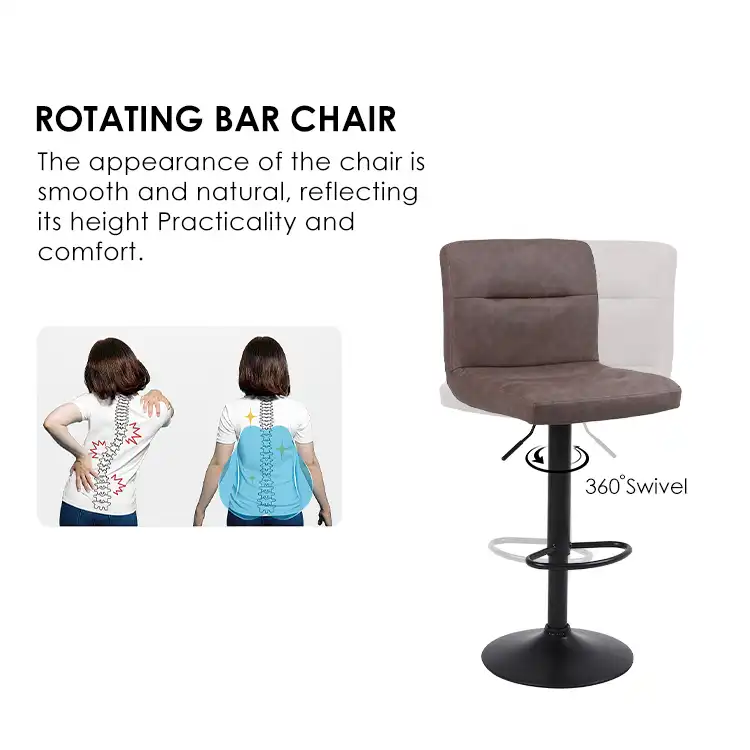
Ergonomic features need to be carefully thought out based on how they will be used. The setting of the footrest has a big impact on the user's comfort. The ideal distance from the floor to the footrest is 10 to 12 inches for good leg circulation. Seat depth and width must be adjustable to fit people of different sizes without affecting stability. Standard seat widths of 18 inches balance comfort and space economy. Swivel systems make it easier for people to interact with each other, but they also add mechanical parts that need to be maintained on a regular basis. The decision matrix should take into account the goals of each venue when weighing convenience against long-term usability.
Aesthetic Integration and Brand Coherence
Whether seating improves or detracts from the overall atmosphere of a venue depends on how well it matches the current decor. To make design stories that flow together, the right brown tone—from honey oak to dark walnut—must match the floors, cabinets, and architectural finishes. It is important to test samples in real-life lighting situations because artificial and natural light sources have big effects on how colors are seen. Rather than relying on digital images, procurement teams should ask for physical samples. This is because photographs can't correctly show wood grain patterns and finish characteristics.
Style choice is a way for brands to share their identity through design language. Traditional designs with turned legs support stories about tradition and the value of craftsmanship, while modern designs with clean lines exude sophistication. Industrial styles with metal accents combine a cozy country feel with a cool city edge, which works well for brewery and casual eating concepts. The style choice goes beyond personal taste and involves strategic brand positioning. To make sure that furniture choices support the planned market positioning, design teams, marketing departments, and operational management must work together.
Supplier Qualification and Risk Mitigation
Choosing the right vendor has big effects on the quality of the product, the dependability of delivery, and the long-term continuity of supply. Established manufacturers with a lot of export experience show that they know about foreign quality standards, packaging rules, and the paperwork that needs to be filled out in order for customs clearance to go smoothly. When ISO 9001 and BIFMA certifications are checked, they provide objective confirmation of quality management systems and testing methods for products. These qualifications show that the company is dedicated to maintaining consistent production standards, which lowers the number of defects and warranty claims that slow down operations.
Testimonials from clients and checking references can tell you more about a supplier's work than what they say in their ads. Talking to procurement managers at similar-sized businesses gives you real-life information about how well they handle communication, how long it takes to make things, and how they solve problems. When you visit a factory, you can get a first-hand look at the production capacity, quality control processes, and working conditions. These are all things that are becoming more and more important as corporate social responsibility standards look more closely at supply chain labor practices. When you build relationships with suppliers based on long-term partnerships instead of transactional sales methods, you can get better prices, get your production schedules first, and work together to solve problems when they come up.
Negotiating Volume Pricing and Customization Terms
When you buy by the container, you can get big savings on costs, but it makes logistics more complicated and needs careful planning. When you buy 500, 1000, or 2000 or more units, manufacturers usually give you discounts that get bigger as your order size goes up. You can save anywhere from 15% to 30% compared to small-batch prices. When sellers agree to a certain amount of a product, they can plan production and buy materials more efficiently. This saves everyone money because each unit costs less. To make it easier to figure out how much something costs, buyers should ask for detailed quotes that include price levels, minimum order quantities, production wait times, and payment terms.
Customization is one of the most important ways that full-service makers set themselves apart from basic suppliers. OEM agreements let buyers choose exclusive designs that are made exactly how they want them, while ODM partnerships use the design expertise of manufacturers to work together on new goods. Having clear information about who owns the design, the cost of the tools, the minimum quantity needed, and intellectual property rights stops disagreements from happening in the future. Customization projects that go well start with detailed technical specs that include drawings, material callouts, finish samples, and quality acceptance criteria. These set clear goals for everyone involved, which then guides the production and quality check processes.
Conclusion
Wooden brown bar stools are a great deal for B2B buying managers who want long-lasting seating options that look good in a variety of settings. Their natural strengths—extremely strong structures, appealing natural looks, eco-friendly materials, and a lot of room for customization—meet the most important needs in hospitality, retail, and business settings. The problems, like the need for regular maintenance, the extra weight, and the higher starting cost, need to be carefully thought through in certain operational situations. Specification development that goes into detail, supplier qualification that goes into detail, and a planned total cost of ownership analysis that weighs up-front costs against long-term performance benefits are all important parts of successful procurement. Businesses get the most out of their seating investments by matching the product they choose to the venue's style, how often it's used, and how easy it is to maintain. This helps the brand's positioning and gives customers solid comfort over longer service lifecycles.
FAQ
Are wooden bar stools suitable for outdoor commercial use?
Wooden seating requires significant protective measures for outdoor deployment. Exterior-grade finishes incorporating UV-stabilizers and water-repellent sealants provide essential protection, though even treated wood experiences accelerated aging compared to indoor applications. Species selection matters substantially—teak and cedar offer natural weather resistance superior to oak or maple. Covered patios with overhead protection extend lifespan considerably versus full-exposure placements. Most procurement managers reserve wooden options for climate-controlled interiors, utilizing metal or synthetic alternatives for true outdoor environments where maintenance demands and replacement frequency make wood economically disadvantageous.
How do costs compare between wooden and leather bar stools?
Leather-upholstered seating typically commands 20-35% premium pricing versus comparable wooden models, reflecting material costs and upholstery labor. The total cost equation includes maintenance considerations: leather requires specialized conditioning products and professional cleaning, adding ongoing operational expenses wooden finishes avoid. Replacement timelines often favor wood in commercial settings—quality wooden stools maintain appearance 5-7 years while leather upholstery may require replacement within 3-4 years under intensive use. Budget-conscious buyers find wooden options deliver superior lifecycle value despite leather's comfort advantages in specific applications prioritizing user experience over operational economics.
Can I customize wooden bar stools with company branding?
Experienced manufacturers offer extensive OEM customization supporting brand differentiation strategies. Logo embossing on seat backs or footrests creates subtle branded touchpoints, while custom stain formulations match proprietary color palettes. Dimension modifications accommodate unique counter heights or spatial constraints, and upholstery fabric selections enable precise aesthetic coordination. Minimum order quantities for custom production typically begin at container-level volumes (500-1000 units), making customization economically viable for multi-unit operators or large single-venue projects. Detailed specification communication during the quotation phase ensures accurate cost estimation and realistic production timelines for customized orders.
Partner with YIBO for Premium Wooden Brown Bar Stool Manufacturing Solutions
At Anji Yibo Furniture Co., Ltd., our 14 years of specialized expertise in commercial seating production positions us as your strategic partner for scalable, quality-driven procurement. Our 6,000-square-meter facility combines advanced manufacturing equipment with skilled craftsmanship, producing wooden brown bar stools meeting rigorous BIFMA standards and ISO 9001 quality certifications. We understand the complexity of international B2B furniture sourcing—our dedicated export team provides comprehensive support from initial specification development through final delivery, ensuring seamless transactions. Our flexible OEM and ODM capabilities enable precise customization addressing your unique brand requirements, while container-level production capacity supports large-scale projects with competitive pricing structures. The space-efficient packaging solutions we've refined through years of export experience optimize your logistics costs and streamline receiving operations. Connect with our procurement specialists at yb@ajyibo.com to discuss your wooden bar stool requirements and discover how YIBO's manufacturing excellence and customer-focused service can elevate your commercial furnishing projects.
References
1. Anderson, M. & Thompson, R. (2021). Commercial Furniture Durability Standards: A Procurement Guide for Hospitality Professionals. New York: Facilities Management Press.
2. Chen, L. (2022). "Sustainable Wood Sourcing in International Furniture Manufacturing." Journal of Supply Chain Management, 18(3), 245-267.
3. Davidson, K. (2020). Material Science for Interior Designers: Understanding Wood Properties and Applications. Chicago: Design Institute Publications.
4. Harper, S. & Martinez, J. (2023). "Total Cost of Ownership Analysis in Commercial Seating Procurement." International Journal of Hospitality Management, 41(2), 112-128.
5. Peterson, E. (2022). Ergonomic Design Principles for Commercial Furniture: Evidence-Based Specifications. San Francisco: Workplace Research Foundation.
6. Williams, T. & Zhang, H. (2021). "Quality Control Standards in Export Furniture Manufacturing: A Comparative Industry Analysis." Global Trade Review, 29(4), 334-351.